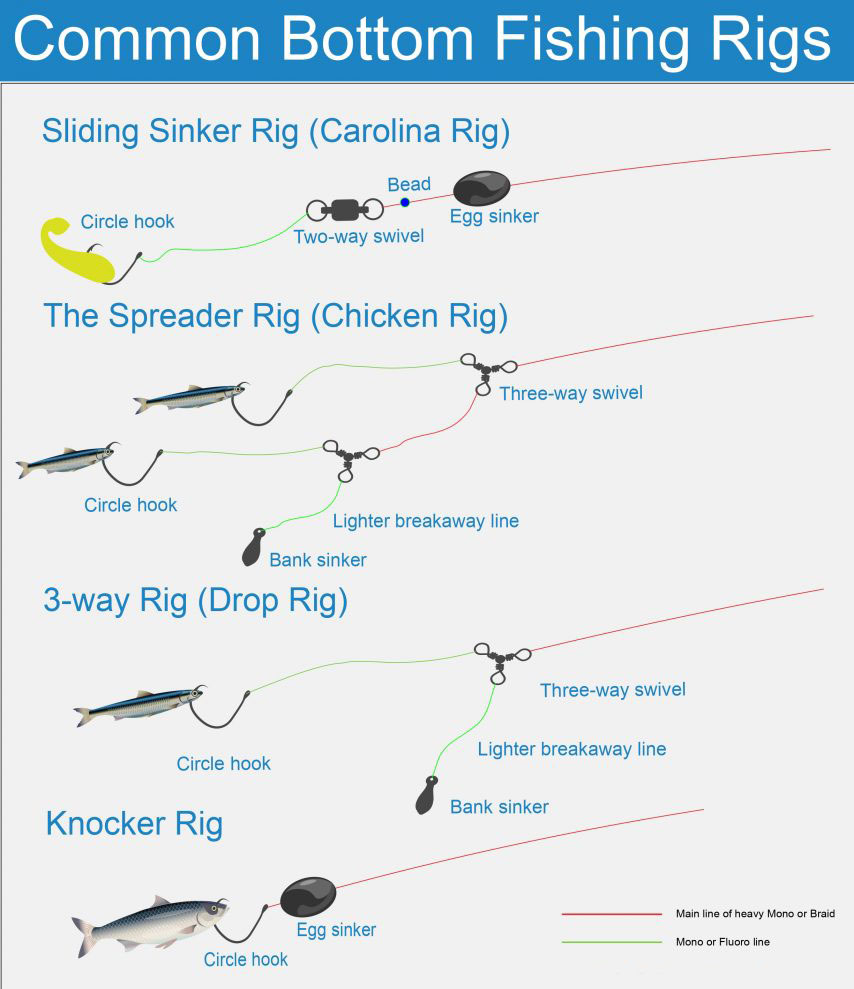
Setting up your fishing rod with the right hook and sinker can make all the difference between a great catch and a wasted day. If you want to fish smarter, not harder, this simple skill is essential.
You might have the best bait or the perfect spot, but without the right setup, you could miss out. In this guide, you’ll learn exactly how to attach your hook and sinker the right way, making your fishing experience easier and more successful.
Keep reading to discover the step-by-step process that will help you catch more fish every time you cast.
Choosing The Right Rod And Reel
Choosing the right fishing rod and reel is important for a good fishing experience. The right tools help you catch fish easier and enjoy your time on the water.
This guide explains the types of rods and reels, and how to match them for best results.
Types Of Fishing Rods
Fishing rods come in many types. Each type fits different fishing styles and fish sizes. Knowing these helps you pick the best rod.
- Spinning Rods:Good for beginners and light fishing.
- Baitcasting Rods:Used for heavier lures and stronger fish.
- Fly Rods:Designed for fly fishing with special lines.
- Trolling Rods:Made for fishing from a moving boat.
Selecting A Reel
The reel holds the fishing line and helps you cast and retrieve it. Choosing the right reel matches your rod and fishing style.
- Spinning Reels:Easy to use, perfect for light to medium fishing.
- Baitcasting Reels:Offer control for heavy lines and big fish.
- Fly Reels:Simple reels used with fly rods.
- Spin-Cast Reels:Good for beginners, easy to cast.
Matching Rod And Reel
Matching your rod and reel is key for balance and performance. The rod should fit the reel type and size.
For example, use spinning rods with spinning reels. Use baitcasting rods with baitcasting reels for better control.
- Check rod power and reel line capacity to match fish size.
- Choose rod length that feels comfortable with your reel.
- Balance helps reduce arm fatigue while fishing.
Credit: usfws.medium.com
Picking The Best Hook
Choosing the right fishing hook is key to a good fishing experience. The hook must fit the type of fish and bait you use.
Understanding hook sizes, materials, and points helps you pick the best one for your fishing needs.
Hook Sizes And Shapes
Hooks come in many sizes and shapes. The size number goes down as the hook gets bigger. For example, a size 2 is bigger than size 8.
- Small hooks catch small fish like panfish.
- Medium hooks suit most freshwater fish.
- Large hooks work best for big fish like bass or catfish.
- Circle hooks keep the fish hooked better and reduce injury.
- J-hooks are classic and good for many fishing styles.
Choosing Hook Material
Hooks are made from different materials, affecting strength and rust resistance. Pick a material that fits your fishing environment.
| Material | Strength | Rust Resistance | Best Use |
|---|---|---|---|
| High Carbon Steel | Strong | Low | Freshwater fishing |
| Stainless Steel | Moderate | High | Saltwater fishing |
| Vanadium Steel | Very Strong | Moderate | Heavy duty fishing |
| Nickel Plated | Strong | High | General use |
Hook Point Types
The shape of the hook point affects how well the hook catches and holds fish. Some points work better for certain fish types.
- Needle Point: Sharp and thin, good for soft mouths.
- Circle Point: Curved tip, reduces fish escape.
- Blade Point: Flat edge, good for tough fish mouths.
- Chisel Point: Wide and flat, penetrates hard mouths.
Selecting A Sinker
Choosing the right sinker is important for a successful fishing trip. The sinker helps your bait reach the desired depth in the water.
Different sinkers work better in different situations. Learn how to select the best sinker for your fishing needs.
Common Sinker Types
Sinkers come in various shapes and sizes. Each type has its own use in fishing.
- Split Shot:Easy to attach and remove, good for shallow waters.
- Egg Sinker:Slides on the line, perfect for bottom fishing.
- Pyramid Sinker:Stays put in strong currents, ideal for surf fishing.
- Bank Sinker:Versatile, used in rivers and streams.
Weight Considerations
The weight of your sinker affects how deep your bait goes. Choose the right weight based on your fishing location and target fish.
| Fishing Environment | Recommended Sinker Weight |
| Calm lake | 1/8 oz – 1/4 oz |
| Flowing river | 1/2 oz – 1 oz |
| Surf zone | 2 oz – 4 oz |
Placement Options
Placement of the sinker on your fishing line is crucial. It affects the presentation of your bait and the ability to detect bites.
- Above the Hook:Keeps the bait off the bottom, good for fish that feed mid-water.
- Below the Hook:Allows bait to float naturally, ideal for bottom feeders.
- Fixed Position:Sinker does not move, useful for still waters.
- Sliding Position:Sinker can slide, providing better bite detection.
Credit: greatdaysoutdoors.com
Attaching The Hook To The Line
Attaching the hook to your fishing line is an important step. A strong connection helps catch fish without losing them.
Using the right knot makes sure the hook stays secure. This guide explains popular knots and how to tie them.
Popular Knot Techniques
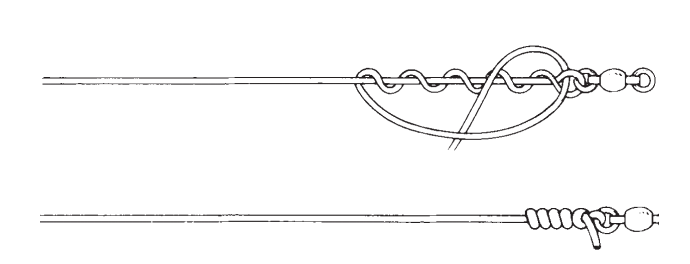
Many anglers use knots like the Improved Clinch, Palomar, and Uni knot. These knots are strong and easy to learn.
- Improved Clinch Knot: Common and reliable for most lines
- Palomar Knot: Very strong and works well with braided lines
- Uni Knot: Versatile and simple for many fishing setups
Step-by-step Knot Tying
Follow these simple steps to tie an Improved Clinch Knot. It works well for attaching hooks.
- Thread the line through the hook eye.
- Wrap the tag end around the main line 5 times.
- Pass the tag end through the small loop near the eye.
- Then, pass it through the big loop you just made.
- Pull the tag end and main line to tighten the knot.
- Trim the extra tag end close to the knot.
Practice these steps slowly until the knot feels tight and neat.
Tips For Secure Attachment
Keep these tips in mind for a strong hook attachment that lasts during fishing.
- Wet the line before tightening the knot to reduce friction.
- Pull the knot tight but avoid damaging the line.
- Check the knot regularly for slippage or wear.
- Use good quality fishing line matched to your hook size.
- Trim tag ends close but leave a small bit to avoid slipping.
Adding The Sinker
The sinker helps your bait sink to the right depth. It keeps your hook steady in the water. Adding the right sinker is important for good fishing.
You can choose different types of sinkers and place them in various spots on your line. This guide covers how to position the sinker and choose the best type for your fishing.
Positioning The Sinker
Place the sinker so the bait moves naturally. Too close to the hook, and the bait looks fake. Too far, and the hook may tangle.
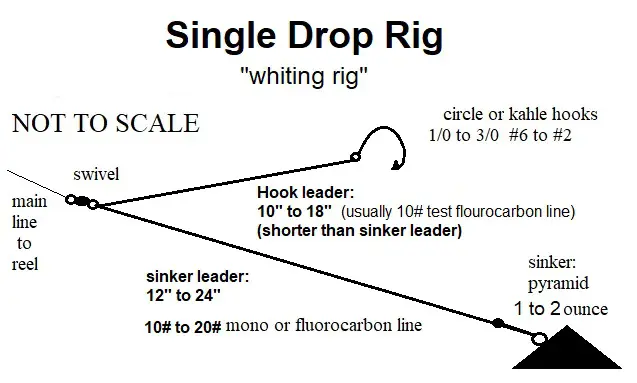
- Put the sinker 12 to 18 inches above the hook for most fishing.
- For bottom fishing, place the sinker near the hook.
- Adjust distance based on water flow and fish type.
Sliding Vs Fixed Sinkers
Sliding sinkers move on the line, letting fish bite without feeling the weight. Fixed sinkers stay in one place, holding the bait steady.
| Sinker Type | Use | Benefits |
| Sliding | Float or bottom fishing | Fish don’t feel weight; better bites |
| Fixed | Strong currents or deep water | Keeps bait in place; less tangling |
Adjusting For Fishing Conditions
Change sinker size and position to match the weather and water. Strong currents need heavier sinkers. Calm water lets you use lighter ones.
- Use heavier sinkers in fast rivers or windy days.
- Choose lighter sinkers in still lakes or ponds.
- Move sinker closer or farther from hook for better bait movement.
- Test different setups to find what works best.

Credit: greatdaysoutdoors.com
Final Setup Checks
After assembling your fishing rod with the hook and sinker, it is important to perform some final checks. These checks ensure your setup works well and helps you avoid problems while fishing.
Take time to test the line strength, check the balance of the rig, and fix any common issues before you start fishing.
Testing Line Strength
Check the fishing line strength by pulling it gently but firmly. Make sure it does not snap or stretch too much. This test helps confirm the line can handle the weight of the fish and tackle.
- Hold the rod firmly in one hand.
- Pull the line slowly with your other hand.
- Watch for any signs of damage or weakness.
- Replace the line if it feels weak or frayed.
Ensuring Proper Balance
Proper balance of the rod, hook, and sinker helps with casting and control. Make sure the sinker weight matches the hook and bait size for smooth performance.
| Component | Check |
| Rod | Is it comfortable to hold and not too heavy? |
| Hook | Is it sharp and the right size for the bait? |
| Sinker | Does it add enough weight without pulling down too much? |
| Line | Is it tight but not too stiff? |
Troubleshooting Common Issues
Some problems can happen even after setup. Fixing them early saves time and frustration.
- Line tangling:Check for twists and wind the line properly on the reel.
- Hook slipping:Make sure the knot is tight and secure.
- Sinker falling off:Use a sinker stopper or a small bead to hold it in place.
- Uneven balance:Adjust sinker weight or move the hook slightly to balance the rod.
Casting And Fishing Tips
Setting up your fishing rod with the right hook and sinker is key for a good catch. Knowing how to cast and handle the rod helps you fish better.
This guide covers simple tips on casting, holding your rod, and noticing when fish bite.
Casting Techniques
Good casting sends your bait far and true. Practice smooth, steady motions to avoid tangles. Use the right weight of sinker to reach your target.
- Hold the rod firmly but relaxed.
- Pull the rod back slowly, keeping the line tight.
- Bring the rod forward in a smooth motion.
- Release the line at the right moment for distance.
- Let the bait land softly to avoid scaring fish.
Handling The Rod
Hold the rod to keep control and comfort. Use your dominant hand near the reel and support the rod with the other hand. Keep your wrist flexible.
| Part | How to Hold |
|---|---|
| Handle | Grip firmly but not tight |
| Reel | Place your dominant hand here |
| Rod Tip | Keep pointing towards water |
Detecting Bites
Watch and feel for signs that a fish is biting. The rod tip may twitch or move. Your line might pull tight suddenly.
- Stay alert and watch the rod tip closely.
- Feel the line with your fingers for sudden pulls.
- Listen for the reel sound if it spins fast.
- Set the hook quickly when you sense a bite.
Frequently Asked Questions
How Do I Attach A Hook To A Fishing Rod?
To attach a hook, thread the fishing line through the hook eye. Tie a secure knot like the improved clinch knot. Trim excess line to prevent tangling. This ensures your hook stays firmly attached while fishing.
What Is The Purpose Of A Sinker On A Fishing Rod?
A sinker adds weight to your fishing line. It helps the bait sink deeper into the water. This improves casting distance and keeps the bait in the fish’s strike zone. Sinkers are essential for fishing in currents or deep water.
How Do I Choose The Right Sinker Weight?
Select a sinker weight based on water depth and current strength. Use lighter sinkers for shallow, calm waters. Heavier sinkers work best in deep or fast-moving water. Proper weight improves bait presentation and increases fishing success.
Can I Use Any Type Of Fishing Hook?
No, choose hooks based on the fish species and bait type. Different hooks vary in size, shape, and strength. Using the right hook improves catch rates and prevents fish from escaping. Match your hook to your fishing conditions.
Conclusion
Setting up a fishing rod hook and sinker is simple and rewarding. Follow the steps carefully to avoid mistakes. Use the right size hook and sinker for your fishing spot. Check your knots to keep your gear secure. Practice tying the rig a few times for confidence.
Enjoy the calm and patience fishing brings. Each cast brings a new chance to catch fish. Keep your equipment ready and stay safe near water. Fishing becomes more fun with good preparation. Try different setups to find what works best.
Keep learning and enjoy your time outdoors.