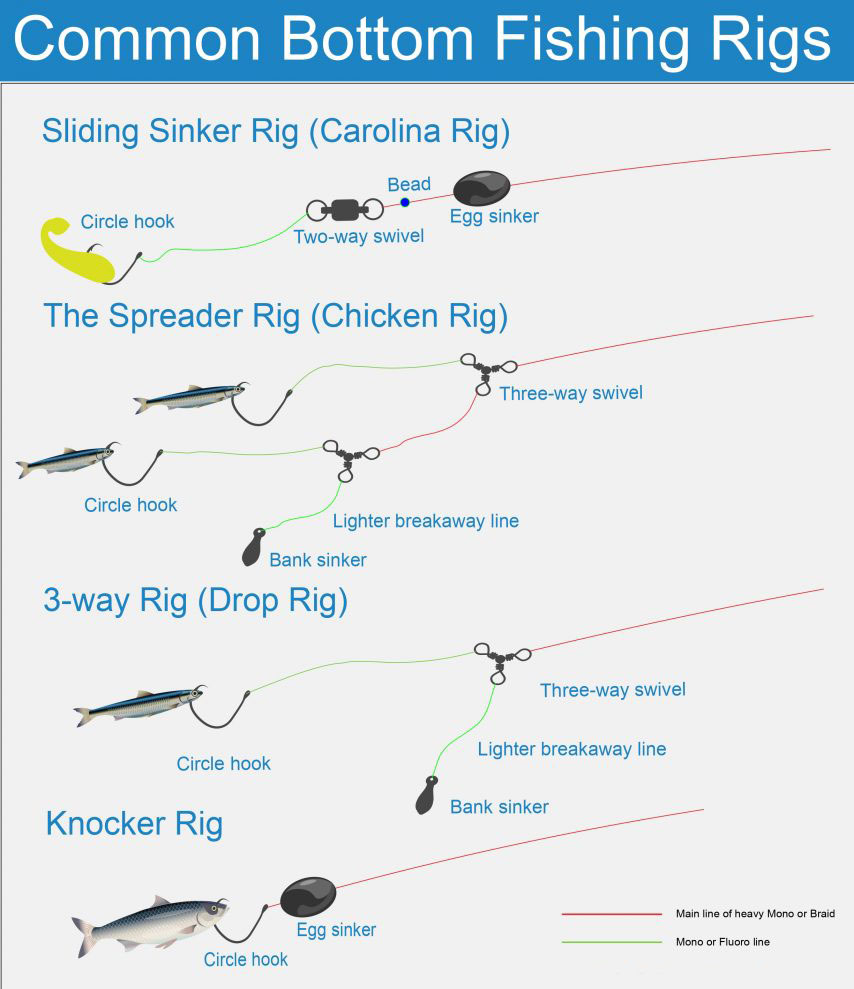
Setting up your fishing rod with the right hook and sinker can make all the difference between a great catch and a day of frustration. If you’ve ever felt unsure about how to get it just right, you’re not alone.
This simple skill can boost your chances of landing fish and make your time on the water much more enjoyable. In this guide, you’ll learn clear, step-by-step instructions that anyone can follow. By the end, you’ll feel confident and ready to fish smarter, not harder.
Keep reading to unlock the secrets that can turn your fishing trip into a success.
Credit: usfws.medium.com
Choosing The Right Fishing Rod
Choosing the right fishing rod is important for a good fishing experience. The rod affects how you cast and how you handle the fish.
Different rods work best for different types of fishing. Knowing which rod to use helps you catch more fish.
Types Of Fishing Rods
Fishing rods come in many types. Each type fits certain fishing needs and styles. Here are the common types:
- Spinning Rods – Good for beginners and light lures.
- Baitcasting Rods – Offer more control for skilled anglers.
- Fly Rods – Used for fly fishing in rivers and streams.
- Trolling Rods – Designed for fishing from a moving boat.
Matching Rod To Fishing Style
Choosing a rod depends on your fishing style. Match your rod to the fish you want to catch and the water you fish in.
| Fishing Style | Rod Type | Recommended Action |
| Light freshwater | Spinning Rod | Use light line and small lures |
| Heavy freshwater | Baitcasting Rod | Use stronger line and bigger baits |
| Fly fishing | Fly Rod | Use fly line and artificial flies |
| Saltwater fishing | Trolling Rod | Use heavy line and strong tackle |
Selecting Hooks And Sinkers
Choosing the right hook and sinker is important for fishing success. These parts help catch fish and keep your bait in place.
Each fishing trip may need different hooks and sinkers. Learn about sizes and types to pick the best ones.
Hook Sizes And Shapes
Hooks come in many sizes and shapes. The size depends on the fish you want to catch. Smaller hooks work for small fish, bigger hooks suit large fish.
Shapes affect how well the hook holds bait and catches fish. Some shapes work better for certain fishing styles.
- Circle hooks: Reduce fish injury and improve catch rates
- J-hooks: Classic shape, easy to bait and use
- Treble hooks: Three points, good for lures
- Octopus hooks: Short shank, good for live bait
Types Of Sinkers And Their Uses
Sinkers add weight to your line. They help cast the line far and keep bait at the right depth.
Different sinker shapes suit different water and fishing conditions. Choose based on how and where you fish.
- Split shot: Small, round, easy to add or remove
- Egg sinker: Oval shape, slides on line for natural bait movement
- Pyramid sinker: Sharp point, holds well in sand or mud
- Bank sinker: Flat with holes, good for strong currents
Preparing Your Fishing Line
Setting up your fishing line correctly helps you catch fish more easily. It starts with choosing the right line and handling it carefully.
This guide shows how to select line strength and how to cut and handle your fishing line properly.
Selecting Line Strength
Choose a fishing line strength that fits the fish you want to catch. A stronger line holds bigger fish but is thicker and less flexible.
- Light line (2-6 lb): For small fish like trout or panfish.
- Medium line (8-14 lb): Good for bass or walleye.
- Heavy line (15-30 lb): Used for large fish like catfish or pike.
Cutting And Handling The Line
Cut your fishing line with sharp scissors or a line cutter. Avoid using dull tools because they can fray the line.
| Tool | Purpose | Tip |
|---|---|---|
| Sharp Scissors | Cut line cleanly | Keep them sharp for smooth cuts |
| Line Cutter | Designed for fishing lines | Easy to carry on fishing trips |
| Fingers | Handle line carefully | Wet fingers to avoid line damage |
Handle the line gently to prevent knots and weak spots. Store it properly to avoid tangles and damage.

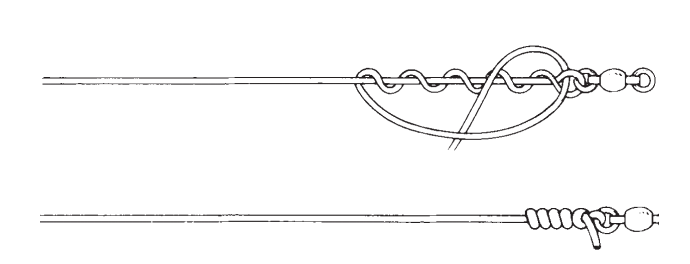
Credit: mysterytacklebox.com
Attaching The Hook
Attaching the hook correctly is key to a good fishing setup. It keeps the hook secure and helps catch fish better.
This guide explains how to tie basic knots and secure the hook properly on your fishing rod.
Tying Basic Fishing Knots
Learn simple knots to attach your hook. These knots hold tight and are easy to tie even if you are new to fishing.
- Improved Clinch Knot:Thread the line through the hook eye and wrap it around 5-7 times. Pass the end through the loop near the eye and then back through the big loop. Pull tight.
- Palomar Knot:Double the line and pass it through the hook eye. Tie a loose overhand knot with the doubled line. Pass the hook through the loop. Pull both ends to tighten.
- Uni Knot:Pass the line through the hook eye and make a loop. Wrap the tag end around the main line and through the loop 5 times. Pull the tag end to tighten.
Securing The Hook Properly
After tying the knot, secure the hook so it does not slip or twist. Proper securing keeps the hook in place during fishing.
| Tip | Description |
|---|---|
| Check the knot | Pull the line firmly to test if the knot holds tight. |
| Trim excess line | Cut the tag end close to the knot to avoid tangles. |
| Use a swivel | Attach a swivel to reduce line twist and keep the hook steady. |
| Position the hook | Make sure the hook points away from the line for better bait presentation. |
Adding The Sinker
Adding a sinker to your fishing line helps your bait sink to the right depth. It also keeps your hook steady in the water.
Sinkers come in different shapes and weights. Choosing the right sinker and putting it in the right spot is important for good fishing.
Positioning The Sinker On The Line
Place the sinker close to the hook to keep the bait near the bottom. This works well for bottom fishing.
If you want the bait to float higher, put the sinker farther up the line. This lets the bait move more freely.
- Sinker near the hook: bait stays low
- Sinker farther up: bait moves more
- Adjust position based on fish type and water depth
Choosing Sliding Vs Fixed Sinkers
Sliding sinkers can move along the line. They allow fish to take the bait without feeling much weight.
Fixed sinkers stay in one spot on the line. They keep the bait steady but may alert fish to the line.
- Sliding sinkers: more natural bait movement
- Fixed sinkers: better for strong currents
- Choose based on fishing style and water conditions
Final Assembly Checks
Before you start fishing, check your rod setup carefully. These checks help ensure your gear works well.
Small mistakes can cause lost fish or tangled lines. Take time to review your fishing rod hook and sinker setup.
Testing Knot Strength
Strong knots keep your hook and sinker secure. Test the knots by pulling hard on the line.
If the knot slips or loosens, retie it tightly. Use wet knots to prevent friction damage.
- Pull the line firmly after tying
- Check for any slipping or loosening
- Trim excess line close to the knot
- Wet the knot before tightening
Adjusting Hook And Sinker Placement
Place the hook and sinker correctly for balance and bait presentation. Adjust them if the line feels off.
Move the sinker closer or farther from the hook to control bait movement. Make small changes and test in water.
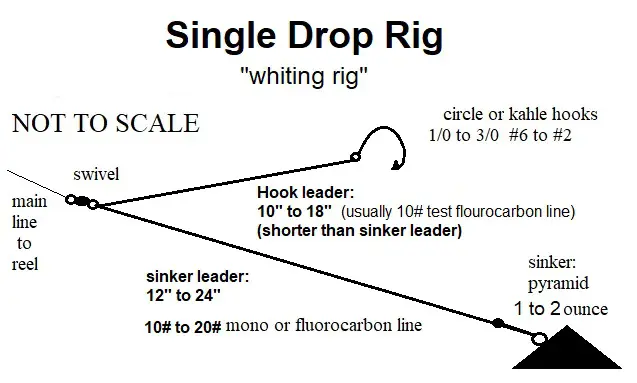
- Start with the sinker about 12 inches above the hook
- Shift the sinker up or down for better bait action
- Check how the bait hangs and moves in water
- Adjust until the setup feels balanced and natural
Tips For Casting And Fishing
Setting up your fishing rod with a hook and sinker correctly helps you catch more fish. Good casting and maintenance keep your gear working well.
Learn simple ways to cast better and keep your setup strong for longer fishing trips.
Casting Techniques
Hold the rod firmly but not too tight. Keep your wrist straight and use smooth arm movements to cast. Aim for quiet landings to avoid scaring fish.
- Check the wind direction before casting
- Use a sidearm cast for accuracy in tight spots
- Practice long, smooth casts for distance
- Release the line at the right moment to avoid tangles
Maintaining Your Setup
Keep your hook and sinker clean and check for rust or damage. Replace old parts to avoid losing fish. Store your rod in a dry place to protect it.
| Maintenance Task | Frequency | Tip |
| Clean hook | After each use | Use fresh water and dry well |
| Check sinker | Before every trip | Look for cracks or wear |
| Inspect fishing line | Weekly | Replace if frayed or weak |
| Store rod | After every trip | Keep away from direct sunlight |
Credit: greatdaysoutdoors.com
Frequently Asked Questions
How Do I Attach A Hook To A Fishing Rod?
To attach a hook, thread the fishing line through the hook eye. Tie a secure knot like the improved clinch knot. Trim excess line to avoid tangles. This ensures the hook stays firmly in place during fishing.
What Type Of Sinker Should I Use With My Hook?
Choose sinkers based on water depth and current strength. Split shot sinkers work well for light currents. Egg sinkers suit deeper waters. Selecting the right sinker helps your bait reach the target depth effectively.
How Far Should The Sinker Be From The Hook?
Position the sinker 6 to 12 inches above the hook. This spacing lets the bait move naturally. It also prevents the sinker from scaring fish away. Adjust distance based on fishing conditions for best results.
Can I Use The Same Hook And Sinker Setup For All Fish?
No, different fish species need different setups. Smaller fish require lighter hooks and sinkers. Larger fish need stronger, bigger tackle. Tailor your setup to the species and fishing environment for success.
Conclusion
Setting up a fishing rod is simple. Start with the right hook. Attach the sinker correctly. These steps ensure a great fishing experience. Practice makes perfect. Soon, you’ll become confident with your gear. Remember, patience is key in fishing. Enjoy the peaceful moments by the water.
Always prioritize safety while fishing. Check your equipment before each trip. Happy fishing and tight lines!