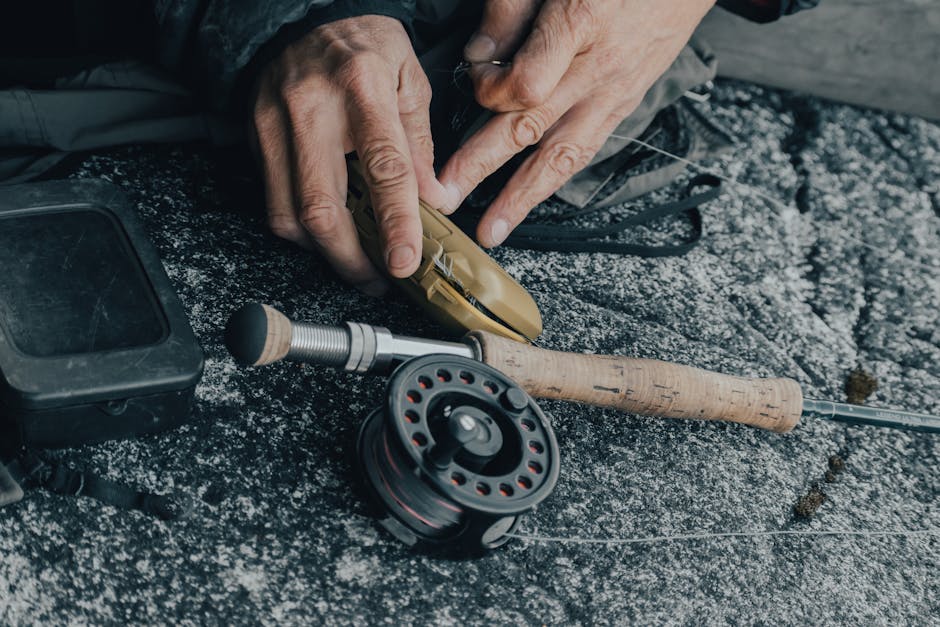
Setting up your fishing rod line the right way can make all the difference between a frustrating day and a successful catch. If you’ve ever struggled with tangled lines or weak knots, you’re not alone.
But don’t worry—this guide will walk you through each step clearly and simply. By the end, you’ll know exactly how to prepare your line so it’s strong, smooth, and ready to land the big one. Keep reading, and get ready to fish like a pro!
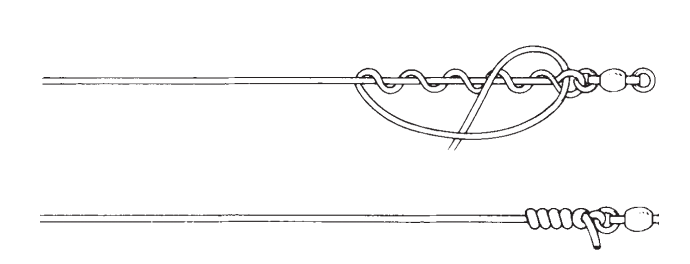
Credit: usfws.medium.com
Choosing The Right Fishing Rod
Picking the right fishing rod is important for a good fishing experience. The rod affects how well you can cast and catch fish.
Different rods work better for different types of fishing. Choose one that fits your needs and style.
Types Of Fishing Rods
Fishing rods come in many types. Each type serves a special purpose for certain fish and fishing places.
- Spinning Rods: Easy to use and good for beginners.
- Baitcasting Rods: Offer more control and power.
- Fly Rods: Made for fly fishing with light lures.
- Trolling Rods: Used for fishing from a moving boat.
- Surf Rods: Long rods for fishing from the shore.
Matching Rod To Fishing Style
Match your rod to the type of fishing you want to do. This helps you fish better and enjoy more.
Consider the fish size and where you will fish. Use a light rod for small fish and a strong rod for big fish.
- Freshwater Fishing: Use light to medium rods for lakes and rivers.
- Saltwater Fishing: Choose strong rods that resist salt and big fish.
- Fly Fishing: Use flexible fly rods for rivers and streams.
- Boat Fishing: Use sturdy rods for deep water fishing.
Selecting The Proper Fishing Line
Choosing the right fishing line is key for a good fishing experience. The line affects casting, strength, and bait presentation. This guide covers two main types and how to pick the right strength and thickness.
Monofilament Vs. Braided Lines
Monofilament lines are made from a single nylon strand. They stretch well and are easy to handle. Braided lines are made from many fibers woven tightly. They have little stretch and are very strong for their size.
- Monofilament lines are softer and float better on water.
- Braided lines last longer and resist abrasion better.
- Monofilament is good for beginners because it is easier to tie knots.
- Braided lines offer better sensitivity to feel bites.
- Monofilament tends to be cheaper than braided lines.
Line Strength And Diameter
Choosing the right strength means matching the line to the fish you want to catch. Diameter affects casting distance and visibility in water. Thinner lines cast farther but can be weaker.
| Line Type | Strength (lbs) | Diameter (inches) | Best Use |
|---|---|---|---|
| Monofilament | 4 – 20 | 0.008 – 0.030 | General fishing, beginners |
| Braided | 10 – 80 | 0.006 – 0.025 | Heavy cover, deep water fishing |
Preparing The Reel
Setting up a fishing rod line starts with preparing the reel. This process ensures that your fishing experience is smooth and enjoyable. Follow these steps to get your reel ready.
Having a well-prepared reel can make a big difference in your fishing success. Here’s how to start.
Attaching The Reel To The Rod
First, you need to attach the reel securely to the rod. Ensure the rod and reel seat match perfectly. This provides stability during fishing.
Align the reel foot with the rod’s reel seat. Tighten the reel seat until the reel is firmly in place. This prevents any wobbling while casting.
- Check that the reel is straight
- Ensure the reel is not loose
- Test the setup with a few practice casts
Adjusting Reel Settings
Adjusting the reel settings is crucial for a smooth fishing experience. Set the drag according to the type of fish you aim to catch. This helps in managing the fish fight.
Next, check the spool tension to avoid line tangles. Adjust it so that the line flows smoothly. This aids in longer and more accurate casts.
- Set drag by turning the drag knob
- Adjust spool tension with the tension knob
- Test settings by pulling the line

Credit: www.youtube.com
Spooling The Line Onto The Reel
Spooling the line onto your fishing reel is an important task. It helps your line stay strong and ready for fishing.
Doing this correctly prevents tangles and ensures smooth casting. Let’s learn how to spool the line right.
Securing The Line
Start by tying the line tightly to the reel spool. Use a strong knot to keep it from slipping.
Make sure the knot is neat and close to the spool. This helps the line wind evenly without gaps.
- Thread the line through the reel’s guide.
- Wrap the line around the spool.
- Tie a firm knot, such as an arbor knot.
- Trim the excess line after the knot.
Maintaining Tension While Spooling
Keep the line tight as you wind it onto the reel. This stops loose coils that cause tangles.
Use your fingers or a cloth to hold the line firmly. Slowly turn the reel handle to spool evenly.
- Hold the line with steady pressure.
- Turn the reel handle smoothly and slowly.
- Check the line for tightness regularly.
- Fill the spool to about 1/8 inch from the edge.
Threading The Line Through Guides
Threading the fishing line through the rod guides is an important step. It helps the line move smoothly and keeps your casting accurate.
Each guide directs the line from the reel to the rod tip. Proper threading prevents tangles and damage to the line.
Starting From The Reel
Begin by attaching the line to the reel spool. Pull the line tight before threading it through the first guide closest to the reel.
Make sure the line is secure on the reel. This keeps the line steady as you pass it through each guide on the rod.
- Attach line firmly to reel spool
- Pull line tight for control
- Thread line through the closest guide first
- Keep line straight and smooth
Ensuring Smooth Line Flow
Pass the line carefully through each guide, moving from the reel to the rod tip. Avoid twisting or crossing the line.
Check that the line moves freely inside each guide ring. Smooth flow reduces friction and improves casting distance.
- Thread line straight through each guide
- Avoid twists and overlaps
- Check for smooth movement
- Adjust line if it feels stuck or rough
Tying The Leader And Hook
Setting up your fishing rod line correctly helps you catch fish more easily. Tying the leader and hook properly is very important. It keeps your bait safe and your line strong.
This guide shows you how to select the right leader and tie simple knots for hooks. These tips will make your fishing experience better and more fun.
Selecting The Right Leader
The leader is the line between your main fishing line and the hook. Choose the right leader based on the type of fish and water. A good leader should be strong and hard to see.
- Use a clear monofilament leader for clear water.
- Choose fluorocarbon leaders for deep water because they sink well.
- Pick a leader thickness that matches the fish size.
- Make sure the leader is at least 12 inches long for flexibility.
Simple Knots For Hooks
Tying the hook with a strong knot is key for keeping fish on your line. Use simple knots that are easy to tie but hold tight. Here are two common knots you can try.
| Knot Name | Description | Use |
| Improved Clinch Knot | Wrap the line around the hook and pass through the loop. Tighten firmly. | Good for most fishing lines |
| Palomar Knot | Double the line, pass through the hook eye, tie a loose overhand knot, then pull the hook through. | Strong and simple for braided lines |
Adjusting Line Tension And Drag
Setting the right line tension and drag helps you catch fish easily. It protects your fishing line from breaking.
Good drag and tension settings let fish pull line without snapping it. You can control the fight better.
Setting Drag For Casting
Set the drag so the line pulls out smoothly during a cast. Too tight drag makes the cast short.
Too loose drag causes the line to spool out quickly and tangle. Adjust drag until the spool turns with steady pressure.
- Start with drag tight enough to stop line at 1/4 pound less than the line strength
- Test drag by pulling line by hand off the reel
- Adjust if line slips easily or does not move at all
Fine-tuning For Different Fish
Change drag settings based on fish size and strength. Bigger fish need higher drag to tire them out.
Smaller fish need lighter drag to avoid breaking the line. Check drag before each fishing trip.
| Fish Type | Drag Setting | Reason |
|---|---|---|
| Small Panfish | Low drag (around 2-4 lbs) | Prevent line breakage |
| Medium Trout | Medium drag (4-8 lbs) | Balance fight and line safety |
| Large Bass or Pike | High drag (8-15 lbs) | Wear down strong fish |

Credit: fishgenix.com
Testing The Setup
After setting up your fishing rod line, it is important to test it. Testing helps ensure the line is strong and works well. This step avoids problems while fishing.
Try casting and reeling the line to feel how smooth the setup is. Check if the line moves without catching or tangling.
Practice Casting Tips
Practice casting in an open area with no obstacles. This helps you improve your aim and control over the line.
Use gentle, steady movements to avoid sudden jerks. This reduces the chance of line tangles or breakage.
- Hold the rod firmly but relaxed
- Start with short casts to build control
- Watch the line as it flies to spot issues
- Reel in slowly to keep tension on the line
Troubleshooting Common Issues
If the line tangles or knots often, check the reel spool for uneven winding. Fix it by re-spooling the line carefully.
Loose knots can cause the hook or lure to fall off. Retie knots tightly and test them by pulling firmly.
- Check for line twists and straighten them
- Make sure the drag setting is not too tight or loose
- Replace damaged or worn line sections
- Keep the rod guides clean and free of dirt
Frequently Asked Questions
How Do I Attach A Fishing Line To The Rod?
Start by threading the line through the rod guides. Tie a secure knot, like the improved clinch knot, to the reel spool. Ensure the knot is tight to prevent slipping during casting.
What Type Of Fishing Line Is Best For Beginners?
Monofilament lines are ideal for beginners. They are flexible, easy to handle, and affordable. Their stretch helps absorb shocks, making them user-friendly for various fishing conditions.
How Much Fishing Line Should I Spool On The Reel?
Fill the reel spool up to about 1/8 inch from the edge. This provides enough line for casting without causing tangles or backlash. Adjust based on reel size and fishing conditions.
How Do I Check If My Fishing Line Is Properly Set?
Pull the line gently to test knot strength and spool tension. The line should move smoothly through guides without slack or excessive tightness. Proper setup ensures better casting and fish control.
Conclusion
Setting up a fishing rod line is simple with the right steps. Take your time to tie the knots tightly and check the line for any damage. Practice makes perfect. Each cast will feel easier and more natural. Enjoy the calm and fun of fishing.
Stay patient, and you will catch more fish. Keep your gear ready and your skills sharp. Fishing becomes more rewarding with every try.