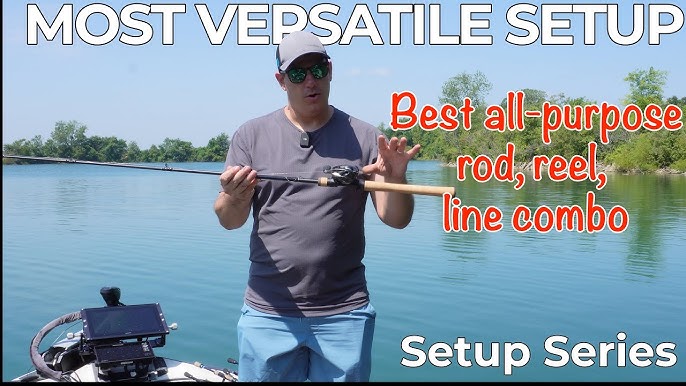
Setting up your fishing rod line the right way can make all the difference between a frustrating day and an exciting catch. If you’ve ever felt confused or unsure about how to properly thread your line, you’re not alone.
But don’t worry—this guide will walk you through every step clearly and simply. By the time you finish reading, you’ll have the confidence to set up your fishing line quickly and correctly, so you can spend more time enjoying the water and less time tangled in knots.
Ready to get started? Let’s dive in.
Choosing The Right Fishing Line
Picking the right fishing line is key for a good fishing experience. It helps you catch fish and avoid losing your bait.
Different lines work better for certain fish and fishing styles. Learn about the types and strengths to find the best one.
Types Of Fishing Lines
Fishing lines come in three main types: monofilament, fluorocarbon, and braided. Each has unique features.
- Monofilament:Flexible and easy to handle. Good for beginners.
- Fluorocarbon:Nearly invisible underwater. Great for clear water fishing.
- Braided:Very strong and thin. Best for heavy cover or deep water.
Line Strength And Diameter
Line strength is measured by its test, which is the weight it can hold before breaking. Diameter affects how the line moves in water.
| Line Type | Strength Range (lbs) | Diameter Range (inches) |
| Monofilament | 2 to 30 | 0.008 to 0.035 |
| Fluorocarbon | 4 to 40 | 0.007 to 0.032 |
| Braided | 10 to 80+ | 0.006 to 0.035 |
Best Line For Different Fish
Choose your line based on the fish you want to catch. Stronger fish need stronger line. Clear water needs less visible line.
- Small fish like panfish: Use light monofilament, 2-6 lbs test.
- Trout or bass: Fluorocarbon 6-12 lbs test works well.
- Large fish like catfish: Braided line, 20-50 lbs test is best.
- Saltwater fishing: Strong braided line with high test is ideal.
Credit: usfws.medium.com
Preparing Your Fishing Rod
Getting your fishing rod ready is an important first step before fishing.
Proper preparation helps avoid problems and makes fishing more enjoyable.
Checking The Rod And Reel
Inspect your rod and reel carefully before setting the line. Look for cracks or damage on the rod. Check that the guides are secure and clean. Make sure the reel spins smoothly without noise.
- Look for any cracks or breaks on the rod
- Check that the guides are not bent or loose
- Test the reel for smooth operation
- Ensure the drag system works properly
- Confirm the reel seat is tight and secure
Cleaning And Maintenance Tips
| Task | How to Do It | Frequency |
| Clean the rod | Wipe with a damp cloth and mild soap | After every fishing trip |
| Clean the reel | Rinse with fresh water and dry fully | After every saltwater use |
| Lubricate reel parts | Apply reel oil to moving parts | Every few trips |
| Check line condition | Replace if frayed or damaged | Before each trip |
Attaching The Line To The Reel
Attaching the fishing line to the reel is an important first step. It helps you cast smoothly and catch fish easily.
Knowing how to tie the line to the reel will save you time and keep your gear working well.
Spooling The Line Correctly
Spooling the line means putting the fishing line onto the reel properly. It stops the line from slipping or tangling.
Start by opening the bail arm on your reel. Tie the line to the spool using an arbor knot. Close the bail arm.
- Hold the line tight as you wind it onto the reel
- Keep the line smooth and even on the spool
- Do not overfill the spool with line
- Stop when the line is about 1/8 inch from the edge
Avoiding Line Twists And Tangles
Line twists cause knots and make casting hard. Avoid twists to keep your line strong and smooth.
Check the direction the line comes off the spool. Match the reel’s rotation to prevent twists.
- Make sure the line spool spins freely on the floor or in a holder
- Keep tension on the line while spooling
- Reel slowly and evenly to prevent slack
- Unwind line from the spool, not off the top
Threading The Line Through Guides
Threading the fishing line through the rod guides is key for casting well. It helps the line flow smoothly and avoids tangles.
Each guide plays a role in directing the line from the reel to the tip of the rod. Proper threading keeps the line strong and steady.
Guide Placement And Function
Fishing rods have several guides placed along the rod’s length. They help control the line and reduce friction.
- The guide closest to the reel is the largest. It helps the line leave the reel smoothly.
- Middle guides are smaller and keep the line aligned along the rod.
- The tip guide is the smallest. It directs the line at the rod’s end.
- All guides work together to balance the line’s tension.
Proper Threading Techniques
Thread the line from the reel through each guide, starting with the largest guide. Pull the line gently but firmly.
| Technique | Description | Tip |
| Start at the Reel | Pull line from the reel and insert it into the first guide. | Keep the line tight to avoid slack. |
| Pass Through Each Guide | Feed the line through each guide one by one towards the tip. | Ensure the line sits inside the guide ring. |
| Check Alignment | Make sure the line runs straight along the guides. | Adjust if the line rubs against the rod. |
| Tie the Line | Once threaded, tie the line to the reel spool. | Use secure knots to prevent slipping. |
Tying Effective Knots
Tying strong knots is key to setting up a fishing rod line. Good knots keep the line secure and prevent fish from escaping.
Learning the right knots helps you fish with confidence. This guide covers strong knot types and how to tie them step-by-step.
Strong Knot Types For Fishing
There are many knots used in fishing, but some are stronger and more reliable. These knots hold better under pressure.
- Improved Clinch Knot: Easy to tie and very strong for attaching hooks.
- Palomar Knot: Simple and keeps the line’s strength intact.
- Uni Knot: Versatile and good for tying line to hooks or other lines.
- Berkley Braid Knot: Designed for braided lines and very secure.
- Blood Knot: Used to join two lines of similar size.
Step-by-step Knot Tying
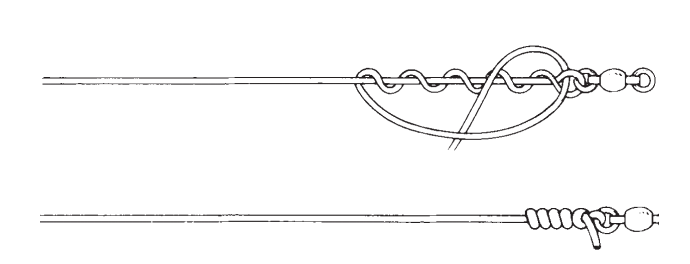
Follow these clear steps to tie the Improved Clinch Knot, a popular choice for fishing rods.
- Pass the line through the hook eye.
- Wrap the tag end around the standing line 5-7 times.
- Thread the tag end through the small loop near the hook eye.
- Bring the tag end through the big loop you just made.
- Pull the tag end and standing line to tighten the knot.
- Trim the excess tag end close to the knot.
Tying the Palomar Knot is also simple and strong. Start by doubling the line and passing it through the hook eye.
- Double about 6 inches of line and pass it through the hook eye.
- Tie a loose overhand knot with the doubled line.
- Pass the hook through the loop of the overhand knot.
- Pull on both ends to tighten the knot securely.
- Trim the tag end close to the knot.

Credit: fishgenix.com
Adjusting Line Tension And Drag
Setting the right line tension and drag is key for a smooth fishing experience. It helps protect your line and makes catching fish easier.
Proper adjustment stops the line from breaking and controls how much resistance the fish feels.
Setting The Drag System
The drag system controls how much force stops the line from pulling out. Adjust it based on the fish size and line strength.
Turn the drag knob clockwise to increase resistance and counterclockwise to reduce it. Set it tight enough to tire the fish but loose enough to avoid snapping.
- Start with medium drag setting
- Tighten if fish pulls hard
- Loosen if line feels too tight or breaks
- Test drag by pulling line with hand
Testing Line Tension
Line tension is how tight the fishing line feels on the rod. Proper tension helps detect bites and keeps control.
Pull the line gently after tying the lure or bait. The line should feel firm but not too tight to risk breaking.
- Check for smooth line movement
- Adjust reel or knots if tension is too loose
- Too tight can cause line snapping
- Practice casting to feel correct tension
Common Mistakes To Avoid
Setting up a fishing rod line requires care and attention. Many anglers make simple mistakes that reduce fishing success.
Knowing what to avoid helps keep your gear in good shape. It also improves your fishing experience.
Overloading The Reel
Putting too much line on the reel can cause problems. The reel may not turn smoothly or the line can tangle easily.
- Overfilling the reel makes casting harder.
- Too much line can cause bird nests, which are tangles.
- Line pressure may damage the reel parts.
- It can shorten the life of your fishing line.
Always follow the reel manufacturer’s line capacity guide. Leave some space for smooth casting and reeling.
Ignoring Line Wear And Damage
Fishing lines wear out over time. Small cuts or abrasions weaken the line and cause breaks.
| Type of Damage | Effect on Line | What to Do |
| Abrasion | Weakens line strength | Check line often and replace if worn |
| Sun Damage | Line becomes brittle | Store rod in shade and use UV-protected lines |
| Knots and Twists | Causes weak spots | Use proper knot techniques and untwist line |
Inspect your fishing line before each trip. Replace damaged or old line to avoid losing fish or gear.

Credit: anglersresource.net
Expert Tips For Line Longevity
Setting up a fishing rod line correctly helps it last longer. Taking care of the line prevents damage and weak spots.
Use proper storage and know when to replace your line. These tips keep your fishing line strong and ready to use.
Storage And Care
Store your fishing line in a cool, dry place away from sunlight. Heat and sunlight can weaken the line over time.
Keep the line clean by rinsing it with fresh water after fishing. Dirt and salt can cause wear and tear.
- Avoid tight coils that cause twists and weak spots
- Use line spools or holders to keep it neat
- Check the line for any nicks or frays before storing
When To Replace Your Line
Replace your fishing line if it shows signs of damage. Weak lines break easily and can lose fish.
Look for changes in color, frays, or stiffness. These signs mean the line is old or worn out.
- Change the line after heavy use or rough fishing trips
- Replace line every season if you fish often
- Use fresh line for important fishing trips
Frequently Asked Questions
How Do I Attach A Line To A Fishing Rod Spool?
To attach a line, tie the line to the spool using an arbor knot. Pull tight and wind the line evenly onto the spool. This ensures smooth casting and prevents tangles.
What Is The Best Fishing Line For Beginners?
Monofilament line is best for beginners due to its flexibility and ease of use. It is affordable, strong, and works well for various fishing types.
How Much Fishing Line Should I Put On The Reel?
Fill the spool about 1/8 inch below the spool’s edge. This amount prevents line slippage and allows smooth casting without overfilling.
How Do I Prevent Fishing Line From Tangling?
Keep even tension while winding the line onto the spool. Avoid overfilling and use quality line to reduce twists and tangles during casting.
Conclusion
Setting up a fishing rod line is easier than it seems. Follow each step carefully and take your time. Check the knots to keep the line strong. Use the right type of line for your fishing style. Practice makes perfect.
Soon, you will feel confident and ready to fish. Enjoy the process and happy fishing!