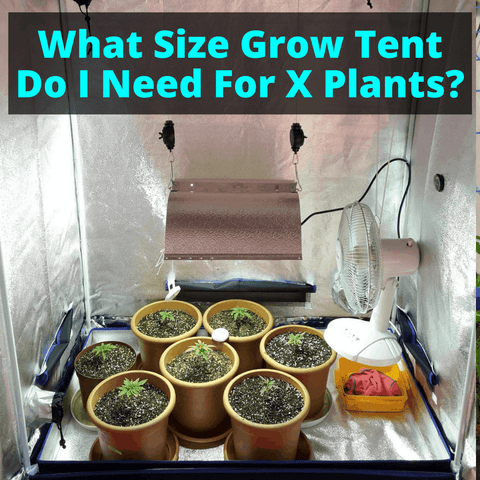
Setting up a grow tent might seem tricky at first, but it’s easier than you think—and it can make a huge difference in your indoor gardening success. Whether you want to grow herbs, vegetables, or flowers, a grow tent gives you full control over light, temperature, and humidity.
This means healthier plants and bigger yields. If you want to save time, avoid common mistakes, and get your grow tent ready quickly, keep reading. You’re about to discover simple, step-by-step tips that will have your grow tent up and running in no time.
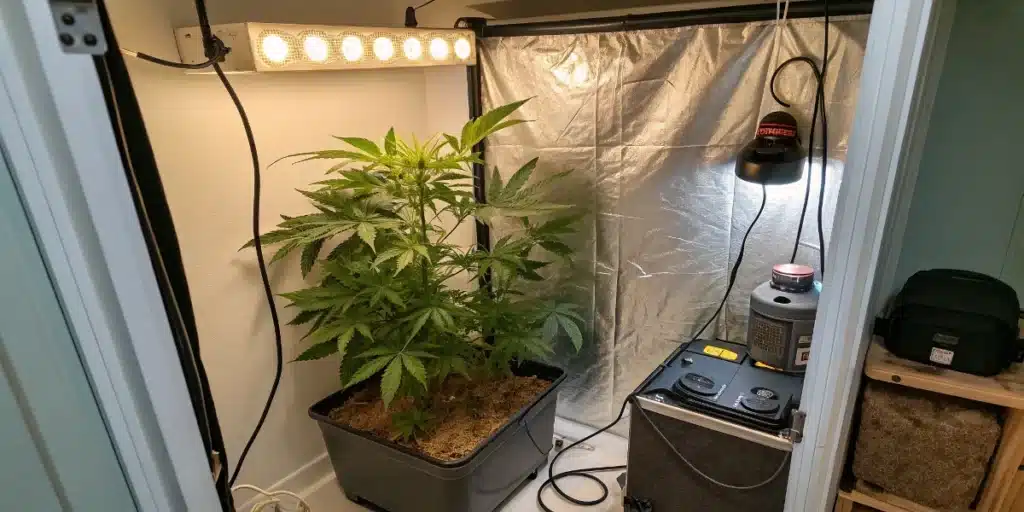
Credit: blimburnseeds.com
Choosing The Right Grow Tent
Setting up a grow tent starts with picking the best one for your needs. The right tent helps plants grow healthy and strong.
Consider factors like size, material, ventilation, and lightproof features. These affect your plants and your setup.
Size And Space Considerations
Choose a grow tent size that fits your available space. Make sure there is room for plants and equipment.
Think about how many plants you want to grow. Also, leave space for lights, fans, and tools.
- Measure your room before buying
- Pick a tent that fits your plant count
- Leave extra space for air and equipment
Material Quality And Durability
Good materials keep your grow tent strong and safe. Look for thick fabric and sturdy frames.
Durable tents last longer and protect your plants from damage and pests.
- Choose heavy-duty canvas or oxford cloth
- Check for strong metal frames
- Look for reinforced corners and zippers
Ventilation Features
Good airflow is key for healthy plants. Your grow tent should have vents or openings for fans and filters.
Proper ventilation helps control temperature and humidity inside the tent.
- Look for adjustable vents for air control
- Choose tents with mesh windows or ports
- Ensure easy access for exhaust and intake fans
Lightproof Design
Plants need darkness at times. A lightproof tent blocks all outside light from entering.
Good lightproofing stops light leaks that can harm plant growth cycles.
- Choose tents with thick, reflective inner lining
- Check for tight seams and sealed zippers
- Avoid tents with holes or weak spots
Essential Tools And Equipment
Setting up a grow tent requires the right tools and equipment for healthy plant growth. Proper gear helps control the environment inside the tent.
This guide covers key equipment like lighting, ventilation, growing mediums, and climate control.
Lighting Options
Lighting is vital for photosynthesis. Choose lights that fit your plants’ needs and tent size.
- LED grow lights: Energy efficient and long-lasting.
- Fluorescent lights: Good for seedlings and clones.
- High-intensity discharge (HID) lights: Powerful and best for flowering.
- Full-spectrum lights: Provide a range of light similar to the sun.
Ventilation Systems
Proper airflow prevents mold and keeps plants healthy. Ventilation systems remove heat and bring fresh air.
| Component | Function |
| Inline fan | Moves air in and out of the tent. |
| Carbon filter | Removes odors and impurities. |
| Ducting | Directs airflow inside the tent. |
| Oscillating fan | Circulates air around plants. |
Growing Mediums And Containers
Select a growing medium that suits your plants and watering style. Use containers that fit your grow space.
- Soil: Easy to use and holds nutrients well.
- Coco coir: Good water retention and aeration.
- Hydroponic setups: Grow plants in water with added nutrients.
- Plastic pots: Lightweight and reusable.
- Fabric pots: Allow air pruning of roots and better drainage.
Temperature And Humidity Control
Keep temperature and humidity stable. Use tools to monitor and adjust these conditions.
| Tool | Purpose |
|---|---|
| Thermometer | Measures air temperature inside the tent. |
| Hygrometer | Monitors humidity levels. |
| Heater | Raises temperature when it is too cold. |
| Humidifier | Adds moisture to dry air. |
| Dehumidifier | Removes excess moisture. |
| Air conditioner | Cools air during hot conditions. |
Setting Up The Tent Frame
Setting up a grow tent frame is easy. You just need a few steps to get started.
This guide will help you assemble the frame quickly and securely.
Assembling The Poles And Connectors
First, lay out all the poles and connectors. This makes it easier to see what you have.
Join the poles using the connectors. Make sure they fit tightly together.
- Check the instructions for pole placement
- Use labeled parts to avoid mistakes
- Ensure all connections are secure
Securing The Tent Fabric
Once the frame is ready, unfold the tent fabric. Carefully drape it over the frame.
Zip up the tent fabric to enclose the frame. This will keep it tight and secure.
- Align the fabric seams with the frame
- Use zippers to close the openings
- Check for any loose spots
Installing Support Bars
Support bars add strength to your grow tent. They help hold lights and fans.
Place the support bars across the top of the frame. Ensure they are evenly spaced.
- Secure support bars with clips
- Test the bars for stability
- Adjust bars to fit equipment needs
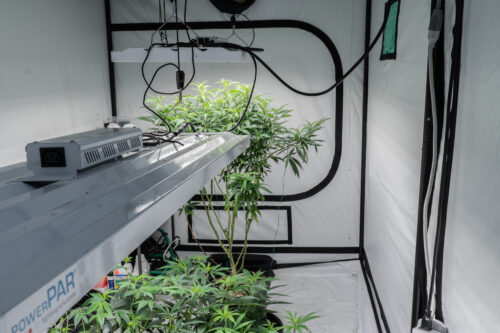
Credit: oaksterdam.com
Installing Lighting And Ventilation
Setting up lighting and ventilation is key for a healthy grow tent. Proper installation helps plants get light and fresh air.
We will cover mounting grow lights, exhaust fans, intake vents, and using carbon filters. Each part improves your grow tent environment.
Mounting Grow Lights
Choose a spot on the grow tent frame to hang your lights. Make sure lights can cover all plants evenly. Use adjustable hangers for height changes.
Keep the lights away from water and avoid blocking airflow. Connect power cables safely and use a timer to control light cycles.
Setting Up Exhaust Fans
Exhaust fans remove hot air and keep fresh air flowing. Place the fan near the top of the tent where hot air collects. Use ducting to direct air outside.
- Choose a fan size that fits your tent volume
- Install fan securely to avoid vibrations
- Connect fan to a power source with a switch
- Check airflow direction before turning on
Adding Intake Vents
Intake vents bring fresh air into the tent. Place vents low on the tent walls to allow cool air in. Passive vents rely on the exhaust fan to pull air inside.
Use screens or filters to keep pests out. Adjust vent size to balance air flow with your exhaust fan.
Using Carbon Filters
Carbon filters clean the air and reduce odor. Attach the filter to your exhaust fan or ducting. Make sure it fits tightly to avoid leaks.
| Filter Placement | Fan Connection | Maintenance Tip |
| Inside grow tent | Before the fan | Replace every 12 months |
| In ducting | After the fan | Check for clogs monthly |
Organizing The Interior Space
Setting up a grow tent needs smart use of space inside. Organizing helps plants grow well and keeps the area neat.
Good organization improves light use, air flow, and easy access to plants and tools.
Arranging Plants And Containers
Place plants so each gets enough light and room to grow. Use containers that fit the tent size well.
Group plants by size and type to keep care simple. Use shelves or racks to save floor space.
- Put taller plants in back or corners
- Keep smaller plants in front or on shelves
- Use pots that drain well to avoid water issues
- Leave space between plants for growth and air
Optimizing Airflow
Good airflow stops mold and keeps plants healthy. Arrange fans and vents to move air well inside.
Keep space clear around fans and vents. Avoid blocking air paths with plants or containers.
- Place intake vents near the bottom
- Put exhaust vents near the top
- Use oscillating fans for even air spread
- Check airflow regularly to avoid hot spots
Setting Up Monitoring Devices
Use devices to track temperature, humidity, and light inside the tent. This helps keep the right conditions.
Place monitors where they show average tent conditions. Avoid spots near vents or lights.
- Use a thermometer and hygrometer for heat and moisture
- Install a light meter to check light levels
- Set alarms for extreme changes
- Keep devices easy to read and access

Credit: nosoilsolutions.com
Maintaining Optimal Growing Conditions
Setting up a grow tent is easy if you keep the right conditions inside. Plants need a good environment to grow healthy and strong.
This guide covers how to control temperature and humidity, adjust light cycles, and manage watering and nutrients.
Controlling Temperature And Humidity
Plants grow best in certain temperature and humidity levels. Keep the tent temperature between 70°F and 85°F for most plants.
Humidity should stay between 40% and 60%. Use a thermometer and hygrometer to track these values.
- Use fans to circulate air and prevent heat buildup
- Use a heater or air conditioner to keep steady temperature
- Use a humidifier or dehumidifier to adjust moisture
Adjusting Light Cycles
Plants need light to grow. Change light hours to match plant stages like growth and flowering.
Most plants need 18 hours of light in growth and 12 hours in flowering stages. Use a timer for easy control.
- Set timer to turn lights on and off automatically
- Use full-spectrum lights for best results
- Keep lights close but not too hot on plants
Watering And Nutrient Management
Water your plants regularly but avoid overwatering. Check soil moisture before watering.
Use nutrients made for your plant type. Follow instructions to avoid giving too much or too little.
- Water when the top inch of soil feels dry
- Use balanced nutrients during growth and bloom phases
- Flush soil with clean water occasionally to prevent buildup
Troubleshooting Common Issues
Setting up a grow tent can be tricky at times. You may face issues like pests, mold, light leaks, or poor air flow.
Fixing these problems early helps plants grow healthy and strong. Here are simple tips to solve common problems.
Dealing With Pests And Mold
Pests and mold can harm your plants and reduce your harvest. Keep your grow tent clean to avoid them.
Check plants often and remove any infected leaves. Use natural sprays or insect traps to control bugs.
- Keep the grow tent dry and clean
- Use neem oil or insecticidal soap for pests
- Remove moldy material immediately
- Increase air flow to prevent mold growth
Fixing Light Leaks
Light leaks can confuse plants and slow their growth. Make sure your grow tent is fully sealed.
Use black tape or light-proof fabric to cover holes and gaps around zippers or corners.
- Inspect tent seams and corners for holes
- Use heavy-duty tape to cover any gaps
- Check zipper areas for light leaks
- Test at night with a flashlight inside the tent
Improving Air Circulation
Good air flow helps plants get fresh air and stops mold and pests. Use fans to keep air moving.
Place intake and exhaust fans to create a steady flow of air through the tent.
- Use an exhaust fan to remove hot air
- Use an intake fan to bring fresh air in
- Place oscillating fans inside for even air flow
- Keep vents open but secure from pests
Maximizing Yield And Efficiency
Setting up a grow tent correctly helps plants grow better. It also saves energy and space.
Using smart tools and good materials can increase your harvest. Careful setup is key.
Using Reflective Materials
Reflective materials inside the grow tent spread light evenly. This helps plants get more light.
It also reduces the need for extra lights, saving electricity and heat.
- Use mylar or white paint on tent walls
- Avoid dark or dull surfaces
- Check for wrinkles that block light
- Keep reflective surfaces clean
Automating Systems
Automation controls watering, lighting, and ventilation. This keeps conditions steady for plants.
Timers and sensors reduce human error and save time. Plants grow faster with steady care.
- Set timers for lights and fans
- Use humidity and temperature sensors
- Install automatic watering systems
- Monitor systems regularly for issues
Regular Maintenance Tips
Clean and check your grow tent often. This prevents pests and keeps plants healthy.
Replace old parts and fix leaks quickly. Proper care keeps your system efficient.
- Inspect lights and replace bulbs if dim
- Clean filters and vents monthly
- Remove dead leaves and debris
- Check for mold or pests regularly
Frequently Asked Questions
What Size Grow Tent Should I Choose?
Choose a grow tent size based on your available space and plant count. Smaller tents suit herbs or small plants. Larger tents accommodate more plants or bigger species. Always measure your space first to ensure a proper fit and optimal plant growth.
How Do I Control Temperature In A Grow Tent?
Use ventilation fans and exhaust systems to regulate temperature. Install a thermostat to monitor and adjust heat levels. Proper airflow prevents overheating and maintains ideal growing conditions for your plants. Avoid placing the tent in direct sunlight.
What Lighting Is Best For A Grow Tent?
LED grow lights are energy-efficient and produce less heat. They provide the full light spectrum needed for plant growth. Alternatively, HID lights are powerful but generate more heat. Choose lighting based on plant type, tent size, and budget.
How Often Should I Ventilate My Grow Tent?
Ventilate your grow tent continuously or at least several times daily. Proper ventilation controls humidity and provides fresh air for plants. Use intake and exhaust fans to maintain airflow. This prevents mold and promotes healthy plant development.
Conclusion
Setting up a grow tent is easier than you might think. Start with choosing the right size for your space. Assemble the frame carefully and hang your tent securely. Install lights, fans, and filters to create a healthy environment. Keep monitoring temperature and humidity for best growth.
With patience and care, your plants will thrive inside the tent. Growing indoors can be rewarding and fun. Give your plants the space and conditions they need. Enjoy the process and watch your garden grow.