Setting up a fishing line might seem simple, but doing it the right way can make all the difference in your catch. If you want to avoid tangled lines, lost fish, and frustration, this guide is for you.
You’ll learn easy steps to get your line ready quickly and correctly, so you can focus on what really matters—enjoying your time on the water. Keep reading, and you’ll be casting like a pro in no time.

Credit: greatdaysoutdoors.com
Choosing The Right Fishing Line
Choosing the right fishing line is key to a good catch. The line affects how you feel the fish and how strong your setup is.
Different fishing lines work best in different situations. This guide helps you pick the best one for your needs.
Types Of Fishing Lines
There are three main types of fishing lines: monofilament, fluorocarbon, and braided. Each has its own strengths and weaknesses.
- Monofilament:Stretchy and easy to handle. It floats on water and is good for beginners.
- Fluorocarbon:Nearly invisible underwater. It sinks and resists abrasion well.
- Braided:Very strong and thin. It has little stretch and lasts a long time.
Matching Line To Fish Species
Different fish need different line strength. Use the right strength to avoid losing fish or breaking your line.
| Fish Species | Recommended Line Type | Test Strength (lbs) |
|---|---|---|
| Trout | Fluorocarbon | 4-6 |
| Bass | Monofilament | 8-12 |
| Catfish | Braided | 20-30 |
| Salmon | Fluorocarbon | 12-20 |
Considering Water Conditions
Water type affects the choice of fishing line. Clear water needs less visible lines. Murky water lets you use stronger lines.
- Clear water: Use fluorocarbon for low visibility.
- Saltwater: Choose braided line for strength and resistance.
- Freshwater: Monofilament works well in most cases.
- Weedy areas: Braided line cuts through plants better.
Selecting The Appropriate Line Strength
Choosing the right line strength is crucial for successful fishing. The line must handle the weight of the fish and the conditions of the water.
Understanding how to select the proper line strength ensures you have a better fishing experience. Let’s explore the key factors.
Understanding Line Test Ratings
Line test ratings indicate the maximum weight a line can handle. They are measured in pounds or kilograms.
Knowing the line test rating helps you choose a line that matches your target fish. Always consider the fish size and water conditions.
- Light line: Suitable for small fish
- Medium line: Works for average-sized fish
- Heavy line: Best for large fish and rough waters
Balancing Strength And Sensitivity
Balancing strength and sensitivity is important in line selection. A stronger line may lack sensitivity, while a sensitive line might be weaker.
A good balance ensures you feel bites and handle fish weight. Consider the type of fish and fishing technique you use.
- Use sensitive lines for feeling light bites
- Choose stronger lines for better durability
- Balance based on fishing location and fish behavior
Preparing Your Fishing Reel
Setting up your fishing reel correctly helps you catch fish easily. It also makes your reel last longer.
Cleaning and spooling the line are key steps. They keep your reel working smoothly and ready to use.
Cleaning And Maintenance
Clean your fishing reel after every use. Salt, dirt, and water can damage the parts.
Use a soft cloth and fresh water to wipe the reel. Avoid harsh chemicals that may harm the finish.
- Remove the spool before cleaning
- Dry the reel completely before storing
- Apply a light oil to moving parts
- Check for loose screws and tighten them
Spooling The Line Correctly
Spooling your line right prevents tangles and line breaks. It also helps your casting distance.
Start by attaching the line to the spool firmly. Then, wind the line evenly and tight.
- Fill the spool about 80% full
- Keep tension on the line while spooling
- Use the same direction to wind the line
- Check the line for twists or knots
Tying Strong Knots
Tying strong knots is key for fishing success. A good knot keeps your line secure and stops fish from escaping.
Learning how to tie knots correctly makes your fishing line stronger and more reliable on every cast.
Popular Knot Types
There are many knots used for fishing. Some are easy to tie. Others hold better under pressure.
- Improved Clinch Knot: Simple and strong for most fishing lines.
- Palomar Knot: Very strong and easy to tie with braided lines.
- Uni Knot: Versatile, works for tying hooks or joining lines.
- Bimini Twist: Creates a strong loop for big fish.
- Loop Knot: Keeps bait or lure moving freely.
Step-by-step Knot Tying Tips
Keep your line wet before tightening knots. This stops friction from weakening the line.
Pull knots slowly and firmly. Avoid sudden jerks that may cause the line to break.
- Start with enough tag end to work with easily.
- Follow the knot pattern carefully to avoid mistakes.
- Tighten the knot evenly by pulling both ends.
- Trim excess line close to the knot.
- Practice knots often to tie them faster and better.
Setting Up Leaders And Terminal Tackle
Setting up leaders and terminal tackle is important for fishing success. It helps connect your main line to hooks and weights.
Good setup improves bait presentation and reduces line twisting or breaking.
Choosing Leader Materials
Leaders protect your main line from sharp teeth and rough surfaces. They also help hide your line near fish.
Pick a leader material that fits the fish type and water conditions.
- Monofilament: strong and flexible, good for many fish
- Fluorocarbon: clear and sink fast, less visible underwater
- Wire: used for fish with sharp teeth
- Braid: very strong but visible, used with leaders
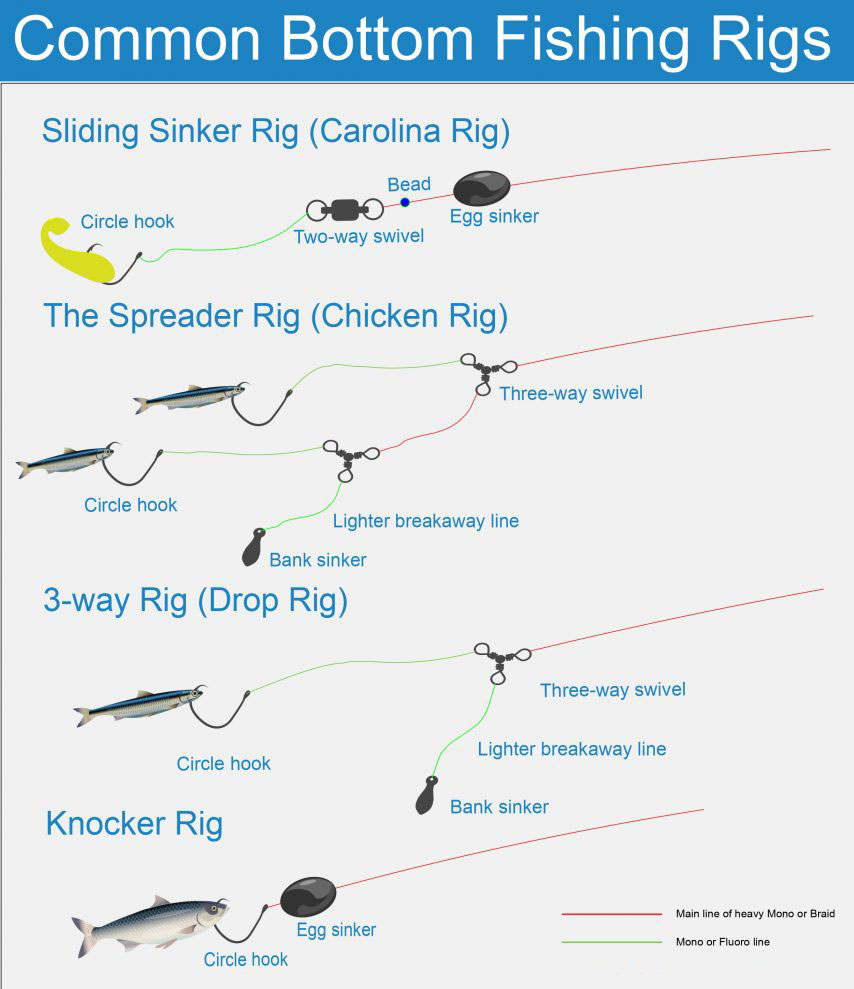
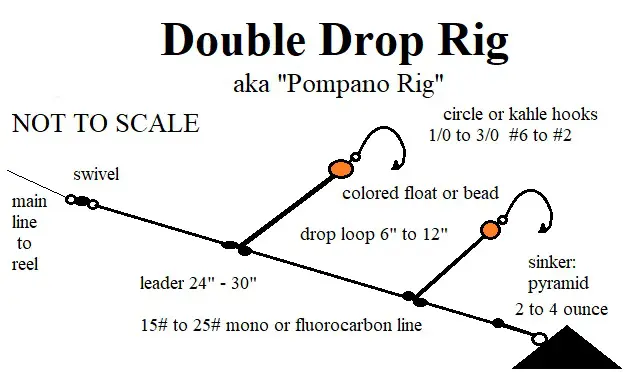
Attaching Hooks, Sinkers, And Swivels
Hooks catch fish and must be tied securely to the leader. Use strong knots like the improved clinch knot.
Sinkers add weight to your line so the bait sinks to the right depth. Attach them above the hook without blocking movement.
Swivels stop the line from twisting and connect different line types. Place swivels between the main line and the leader.
- Tie hooks with a strong, reliable knot
- Slide sinkers above the hook, avoid tight knots on sinkers
- Use swivels to prevent line twist and connect lines

Credit: dronefishing.co.nz
Adjusting Line Length And Tension
Setting up your fishing line correctly is important for a good catch. Two key parts are line length and tension.
Adjusting these helps your bait move naturally and improves your chances of catching fish.
Factors Influencing Line Length
The length of your fishing line depends on the type of fishing and water depth. Too long or too short can cause problems.
Wind, current, and the type of fish you want also affect how long your line should be.
- Shallow water needs shorter lines to avoid tangles
- Deep water requires longer lines to reach fish
- Strong currents may need extra length for control
- Smaller fish often need lighter, shorter lines
Techniques For Proper Tension
Keeping the right tension on your fishing line helps you feel bites and keeps the bait in place. Too loose or too tight can cause issues.
You should adjust tension based on the fish size and water conditions for better control.
- Keep a steady pull to detect fish bites quickly
- Loosen tension if the fish pulls hard to avoid breaking the line
- Use your rod to absorb strong pulls gently
- Tighten tension when reeling in to keep the fish on the hook
Testing Your Setup Before Fishing
Before you start fishing, you need to test your line setup. Testing helps avoid problems on the water. It makes your fishing more fun and successful.
This guide shows how to check for twists and knots and how to simulate casting and retrieving. These steps keep your line strong and ready.
Checking For Line Twists And Knots
Line twists and knots can cause your line to tangle or break. Checking your line carefully helps you find these issues early. Fixing them saves time later.
- Hold the rod and let the line hang freely.
- Look for loops or twists in the line.
- Run your fingers gently along the line to feel knots.
- Remove any knots by loosening or cutting the line.
- Retwist the line if you find any twists to straighten it.
Simulating Casting And Retrieval
Practice casting and retrieving before fishing to check your setup. This test shows if your reel works well and if the line moves smoothly.
| Test Action | What to Check |
| Cast the line gently | Watch if the line flows out without snagging |
| Retrieve the line slowly | Feel if the reel pulls evenly and smoothly |
| Cast several times | Notice any line tangles or reel noise |
| Check the knots again | Make sure knots hold tight and do not slip |
Maintenance Tips During And After Fishing
Keeping your fishing line in good shape helps it last longer. Proper care during and after fishing prevents damage and tangles.
Follow simple steps to check your line and store it safely. This saves time and money on replacements.
Inspecting For Damage
Look for signs of wear on your fishing line after each use. Small cuts or frays can cause breaks when fishing.
- Check the entire length of the line for nicks or cracks.
- Run your fingers along the line to feel for rough spots.
- Inspect knots carefully to ensure they are tight and not slipping.
- Replace line sections that show signs of damage.
- Clean the line with fresh water to remove dirt and salt.
Proper Storage Practices
Store your fishing line properly to avoid tangles and damage. Keep it away from direct sunlight and extreme heat.
| Storage Tip | Reason |
|---|---|
| Keep line on the reel or spool | Prevents tangling and keeps it neat |
| Store in a cool, dry place | Protects line from heat and moisture damage |
| Avoid exposure to sunlight | UV rays weaken the line over time |
| Use a line holder or container | Keeps line organized and clean |
| Do not store with heavy objects | Prevents line from getting crushed or deformed |
Credit: greatdaysoutdoors.com
Frequently Asked Questions
What Type Of Fishing Line Should I Use?
Choose a fishing line based on your target fish and fishing environment. Monofilament is versatile and affordable. Fluorocarbon is nearly invisible underwater, ideal for clear water. Braided line offers high strength and durability for heavy cover or big fish.
How Do I Attach The Fishing Line To The Reel?
Thread the line through the reel’s guide and tie it securely to the spool. Use an arbor knot for a strong, reliable connection. Ensure the line is tight and evenly distributed on the spool to avoid tangles.
How Much Fishing Line Should I Spool Onto My Reel?
Fill the reel spool to about 1/8 inch below the edge. This prevents overfilling, which can cause line tangles. Avoid underfilling to maintain casting distance and control. The right amount ensures smooth casting and reeling.
When Should I Replace My Fishing Line?
Replace your line after several uses or if it shows signs of wear. Look for frays, nicks, or discoloration. Fresh line improves casting, strength, and reduces the chance of breakage during fishing.
Conclusion
Setting up a fishing line is simple with the right steps. Choose the correct line for your fish type and water. Tie knots tightly to avoid losing fish. Check your line often for wear or damage. Practice casting to improve your skill and confidence.
Enjoy your time fishing with patience and care. Each step helps you catch more fish and have fun. Keep learning and trying new techniques as you go. Fishing can be relaxing and rewarding with good preparation.