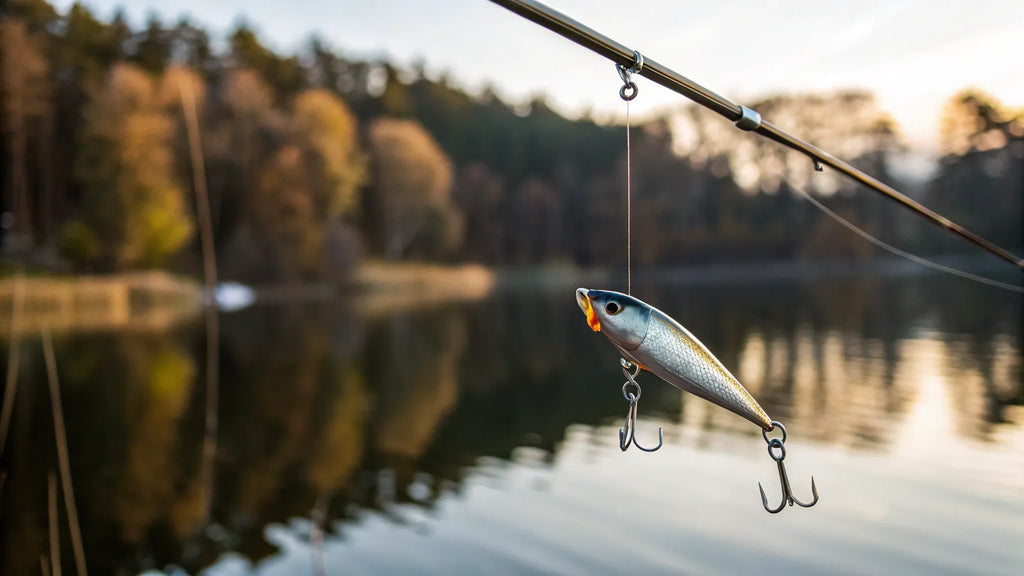
Are you ready to catch more fish on your next trip? Knowing how to set up a lure on a fishing line can make all the difference between a slow day and a great haul.
It’s a simple skill that boosts your chances of success and makes fishing more fun. You’ll learn easy steps to tie your lure just right, so it moves naturally in the water and attracts more fish. Keep reading, and you’ll be ready to cast with confidence and reel in your next big catch.

Credit: www.youtube.com
Choosing The Right Lure
Choosing the right lure is key to catching fish. It helps attract the fish and makes your fishing more fun.
Different lures work best in different situations. Knowing how to pick can improve your chances.
Types Of Fishing Lures
Fishing lures come in many shapes and styles. Each type mimics a kind of fish food or movement.
- Spinnerbaits: These spin in water to catch fish attention.
- Jigs: Heavy lures that sink and move up and down.
- Crankbaits: Hard plastic that dives and wiggles.
- Soft Plastics: Flexible baits that look like worms or small fish.
- Spoons: Curved metal lures that flash and wobble.
Matching Lures To Fish Species
Different fish prefer different lures. Matching the lure to the fish helps catch more.
| Fish Species | Best Lure Type |
| Bass | Spinnerbaits, Jigs, Soft Plastics |
| Trout | Crankbaits, Spoons |
| Pike | Spoons, Large Jigs |
| Walleye | Jigs, Soft Plastics |
| Perch | Small Soft Plastics, Crankbaits |
Considering Water Conditions
Water clarity and depth affect lure choice. Bright lures work well in clear water.
- Clear Water: Use natural colors and small lures.
- Murky Water: Use bright or glowing lures to attract fish.
- Shallow Water: Use topwater lures or light jigs.
- Deep Water: Use heavy lures that sink fast.
Selecting The Fishing Line
Choosing the right fishing line is key for setting up a lure. It helps catch fish and keeps the line strong.
Different lines work better for certain types of fishing. Picking the right one makes fishing easier and fun.
Monofilament Vs. Braided Lines
Monofilament lines are made from one type of plastic. They stretch well and are easy to handle.
Braided lines are made from many fibers woven together. They are very strong and do not stretch much.
- Monofilament: stretchy, good for beginners, cheaper
- Braided: very strong, less stretch, lasts longer
- Monofilament floats better; braided sinks faster
Line Strength And Thickness
Line strength means how much weight the line can hold. Thicker lines are stronger but more visible.
Use stronger lines for big fish and thick cover. Thin lines work better for small fish and clear water.
- Stronger lines resist breaking
- Thinner lines are less seen by fish
- Balance strength and thickness for best results
Line Color And Visibility
Line color affects how well fish see your line. Clear or light colors blend with water better.
Bright colors help you see the line above water. Choose colors based on water type and light.
- Clear lines are best for clear water
- Green or blue lines blend in lakes and rivers
- Bright lines show better in low light or murky water
Attaching The Lure
Attaching a lure to your fishing line is an important skill. It helps you catch fish more easily and keeps your gear secure.
This guide explains how to tie knots, use swivels and snaps, and avoid line twists.
Tying Secure Knots
Tying a strong knot keeps the lure from falling off. Use simple knots that hold well and are easy to tie.
The improved clinch knot and Palomar knot are popular choices. Wet the line before tightening the knot to prevent damage.
- Pass the line through the lure eye twice
- Wrap the tag end around the main line 5-7 times
- Thread the end back through the loop near the eye
- Pull the knot tight and trim the excess line
Using Swivels And Snaps
Swivels and snaps make it easier to change lures quickly. They also reduce line twisting caused by lure movement.
Attach the swivel to your main line. Then connect the snap to the swivel. Finally, clip your lure onto the snap.
- Choose the right swivel size for your line strength
- Open the snap to attach the lure securely
- Close the snap fully to prevent the lure from falling off
- Check all connections before casting
Avoiding Line Twists
Line twists weaken your fishing line and cause tangles. Using the right knots and swivels helps prevent this problem.
Let the lure spin freely on the swivel. Avoid tying knots that limit movement or cause the lure to spin the line.
- Use a swivel between the line and lure
- Check the line often for twists and straighten if needed
- Re-tie knots if the line feels weak or damaged
- Use smooth, slow retrieval to reduce twisting
Adjusting Lure Placement
Proper lure placement is important for successful fishing. Adjusting where the lure sits on the line helps with casting and attracting fish.
Small changes in placement can affect how the lure moves in the water. Let’s look at key tips for setting your lure correctly.
Optimal Distance From Rod Tip
Place the lure a little distance away from the rod tip. This gives better control when casting and retrieving.
Too close can tangle the line. Too far can reduce accuracy and power.
- Keep the lure about 12 to 18 inches from the rod tip.
- This distance helps prevent line twists and tangles.
- It also improves lure action in the water.
Balancing Lure Weight And Line Tension
The weight of the lure affects how the line feels and moves. Balancing weight and line tension helps with smooth casting.
Too heavy a lure can snap the line. Too light makes it hard to cast far.
- Choose a lure weight that matches your line strength.
- Keep line tension steady but not too tight.
- Adjust the lure placement if you feel extra drag or slack.
Testing And Troubleshooting
Setting up a lure on a fishing line is more than just tying it on. Testing the setup helps you catch fish better. Troubleshooting fixes common problems that stop your lure from working well.
Check your lure often and make small changes to improve its action. This guide shows how to test your setup and fix usual issues.
Casting Techniques To Test Setup
Try different casting styles to see how your lure behaves in water. This helps find the best way to use your lure and line setup.
Use smooth and steady casts first. Watch the lure’s movement closely. Change your cast speed or angle to test how the lure reacts.
- Make medium-length casts to check lure splash and entry.
- Try slow casts to see if the lure swims naturally.
- Use quick, sharp casts to test lure durability and hook setting.
- Cast at different angles to observe lure action from side to side.
Common Problems And Fixes
Sometimes the lure does not work as planned. It may spin, sink wrong, or not attract fish. Look for these problems and try the fixes below.
- Lure spins in the air:Check your knot and line twist. Use a swivel to stop twisting.
- Lure sinks too fast or too slow:Change the lure weight or adjust the line tension.
- Lure does not swim right:Try a different lure or adjust the hook placement.
- Hooks catch on line or lure body:Bend the hook or trim sharp edges carefully.
- Line knots slip or break:Retie knots with proper technique and wet the line before tightening.

Credit: www.youtube.com
Maintenance Tips
Keeping your fishing gear in good shape helps you catch more fish. Regular care of lures and line extends their life. It also keeps your fishing trips smooth and fun.
Follow simple steps to clean and store your lures properly. Check your fishing line and knots often to avoid problems during use.
Cleaning And Storing Lures
After fishing, rinse lures with fresh water to remove dirt and salt. Dry them well to stop rust and damage. Store lures in a dry box with compartments to keep them organized.
- Rinse lures with fresh water after use
- Dry lures completely before storing
- Use tackle boxes with separate compartments
- Avoid storing lures in direct sunlight
- Check hooks for rust and sharpness regularly
Inspecting Line And Knots Regularly
Check your fishing line for cuts, frays, or weak spots before each trip. Inspect knots to make sure they are tight and secure. Replace line or redo knots if needed to avoid losing fish.
| Inspection Point | What to Check |
| Fishing Line | Look for cuts, frays, or weak spots |
| Knots | Ensure knots are tight and not slipping |
| Connection Points | Check where lures and hooks attach |
| Line Stretch | Test line for loss of strength |
Credit: www.youtube.com
Frequently Asked Questions
How Do You Choose The Right Lure?
Choosing the right lure depends on the type of fish you’re targeting. Consider the water conditions and time of day. Bright colors work in murky waters, while natural colors work better in clear water. Experiment with different shapes and sizes to see what attracts fish best.
What Is The Best Knot For Tying A Lure?
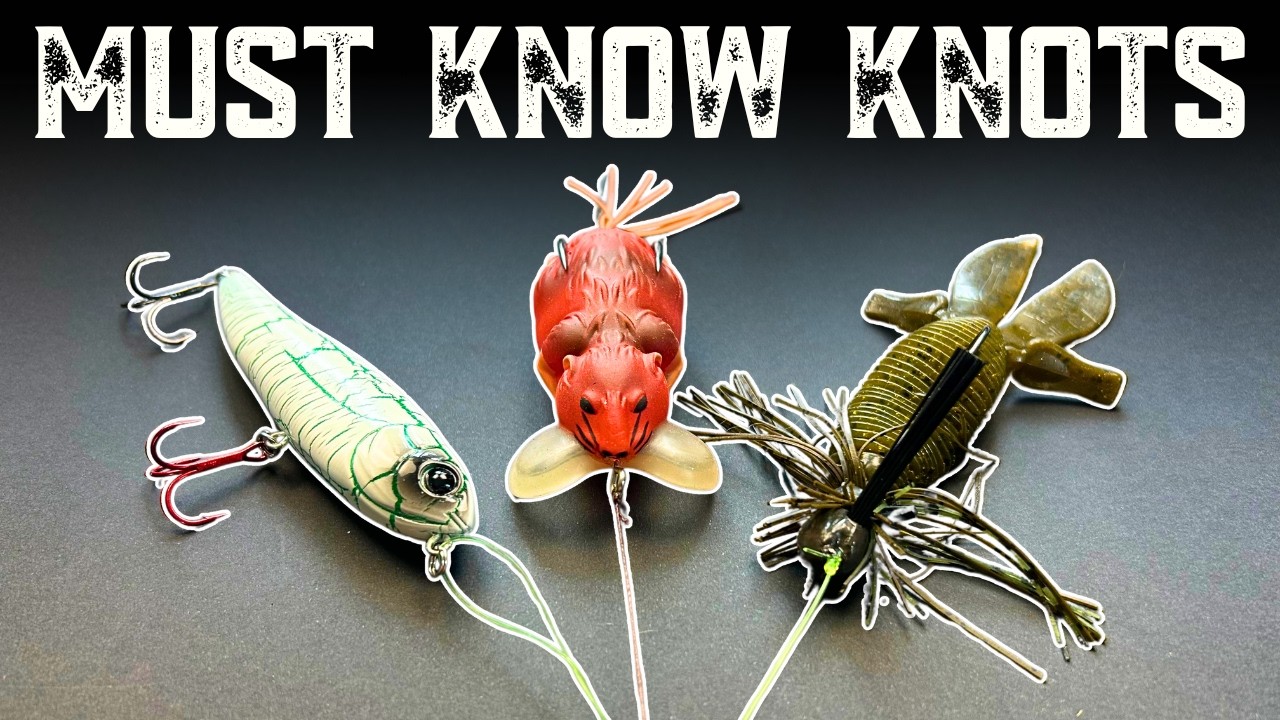
The Palomar knot is often recommended for tying a lure. It’s strong and easy to tie, making it ideal for beginners. Simply double your line, pass it through the lure’s eye, and tie a simple overhand knot. Finally, pull the loop over the lure and tighten.
Can I Use Any Fishing Line With Lures?
While you can use most fishing lines with lures, braided lines are often preferred. Braided lines offer better strength and sensitivity, allowing you to feel bites easily. However, monofilament lines are more forgiving and can be useful in certain conditions.
Consider the fishing environment and target species when choosing.
How Do I Attach A Lure To The Line?
Attach a lure to the line by using a reliable knot, such as the Improved Clinch or Palomar knot. Feed the line through the lure’s eye, tie the knot, and ensure it’s tight. Trim any excess line to prevent it from scaring fish away.
Conclusion
Setting up a lure on your fishing line is simple and quick. Use the right knot to keep the lure secure. Check your line for any weak spots before casting. Practice tying knots to gain confidence. The better your setup, the better your catch chances.
Enjoy your fishing time and stay patient. With these tips, you are ready to fish with ease. Keep learning and trying different lures for success. Happy fishing!