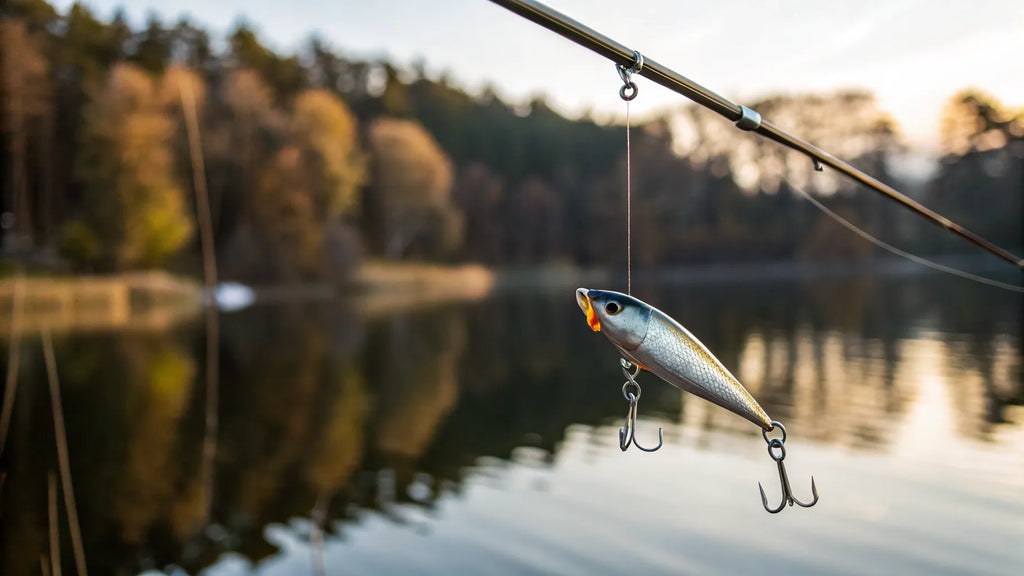
Are you ready to catch more fish with less hassle? Knowing how to set up a lure on your fishing line correctly can make all the difference between a day full of bites and hours of frustration.
Whether you’re a beginner or just need a quick refresher, this simple guide will walk you through every step. By the end, you’ll feel confident and ready to reel in your next big catch. Keep reading to discover the easy tricks that can boost your fishing success right now.
Choosing The Right Lure
Choosing the right lure is important for fishing success. The right lure attracts the fish you want to catch.
Many factors affect your choice, like lure type, fish species, and water conditions.
Types Of Fishing Lures
Fishing lures come in many shapes and sizes. Each type works best in different situations.
- Spinnerbaits: Create flash and vibration to attract fish.
- Crankbaits: Dive to various depths and mimic small fish.
- Soft Plastics: Imitate worms, frogs, or other prey.
- Jigs: Weighted lures that bounce on the bottom.
- Spoons: Reflect light and flutter in the water.
Matching Lures To Fish Species
Different fish prefer different lures. Use the right lure to catch your target fish.
| Fish Species | Recommended Lure |
| Bass | Jigs, Soft Plastics, Spinnerbaits |
| Trout | Spoons, Small Crankbaits, Soft Plastics |
| Pike | Large Spinnerbaits, Crankbaits, Spoons |
| Walleye | Jigs, Crankbaits, Soft Plastics |
Considering Water Conditions
Water clarity, temperature, and depth affect lure choice. Pick lures that fit the water environment.
- Clear Water: Use natural colors and subtle lures.
- Murky Water: Choose bright or noisy lures to attract fish.
- Cold Water: Slow lure movement to match fish activity.
- Warm Water: Use faster action lures to match active fish.

Credit: www.thebrotherswild.com
Preparing Your Fishing Line
Setting up your fishing line correctly is important for a good fishing experience. It helps you catch fish more easily and avoid line problems.
Before attaching a lure, you need to prepare your fishing line carefully. This includes picking the right strength, checking the line’s condition, and adding a leader if needed.
Selecting The Proper Line Strength
Choose a fishing line strength that matches the fish you want to catch. A line that is too weak may break, while a line that is too strong can scare fish away.
Consider the size and weight of the fish, and the type of water where you will fish. Use the recommended line strength for your lure and fishing rod.
- Light lines (2-6 lb) for small fish and clear water
- Medium lines (8-12 lb) for medium-sized fish and general use
- Heavy lines (15+ lb) for large fish and rough conditions
Checking Line Condition
Always check your fishing line for damage before use. Old or damaged lines can break easily and lose strength.
Look for nicks, frays, or discoloration. Run the line through your fingers to feel for rough spots. Replace the line if you find any problems.
- Inspect the entire length of the line
- Check for cuts or abrasions
- Replace line after heavy use or long storage
Attaching A Leader
A leader is a short piece of strong line attached to the main line. It helps prevent fish from biting through the line and adds extra strength.
Use a leader when fishing for sharp-toothed fish or in rocky areas. Tie the leader securely to avoid losing your lure or fish.
- Cut a leader 12-24 inches long
- Use strong, abrasion-resistant material
- Tie the leader to the main line with a reliable knot
- Attach the lure to the end of the leader
Attaching The Lure
Attaching a lure to your fishing line is an important step. It helps keep the lure secure while fishing.
Using the right knot will make your lure stay in place and improve your chances of catching fish.
Using The Improved Clinch Knot
The Improved Clinch Knot is a popular choice for attaching lures. It is simple and holds well.
Start by threading the line through the lure’s eye. Wrap the tag end around the main line five to seven times.
- Pass the tag end through the small loop near the lure eye
- Then pass it through the big loop you just made
- Pull tight and trim the excess line
Tying The Palomar Knot
The Palomar Knot is strong and easy to tie. It works well with braided and monofilament lines.
Double about six inches of line and pass it through the lure eye. Tie a loose overhand knot with the doubled line.
- Pass the loop over the lure
- Pull the tag end and standing line to tighten the knot
- Cut any extra line close to the knot
Ensuring Secure Connections
Check your knot before fishing. A loose knot can cause the lure to fall off.
Wet the knot with water or saliva before tightening. This helps prevent line damage and slipping.
- Tug the lure gently to test the knot strength
- Trim tag ends close but leave a small tail
- Use quality line and inspect for wear often
Adjusting Lure Presentation
Adjusting the way your lure moves in the water helps attract fish. Small changes can make a big difference. Learn how to set the right depth, add weight or floats, and control the lure’s action.
Each factor plays a role in how natural your lure looks. Proper setup increases your chances of catching fish.
Setting Lure Depth
Choosing the correct depth lets your lure reach fish where they swim. Some fish stay near the surface while others stay deep.
Use these tips to set your lure depth:
- Adjust your rod angle to control how deep the lure goes.
- Let out more line for deeper water.
- Choose a diving lure designed for specific depths.
- Use a sinker to help the lure drop faster.
Adding Weight Or Floats
Weight changes how fast your lure sinks or how it stays in the water. Floats keep the lure near the top. Use these tools based on fishing conditions.
| Tool | Purpose | When to Use |
|---|---|---|
| Split Shot Sinkers | Make lure sink faster | Deep water or strong currents |
| Slip Sinkers | Allow natural lure movement | Variable depths |
| Bobbers (Floats) | Keep lure near surface | Shallow water or top-feeding fish |
| Weighted Hooks | Add subtle weight | When small sinking action is needed |
Controlling Lure Action
The way your lure moves attracts fish. You can control this by how you reel and the type of lure you use.
- Vary your reel speed for different actions.
- Pause to make the lure look like a resting fish.
- Use twitching motions to mimic injured prey.
- Choose lures with built-in action like wobbling or spinning.
Casting Techniques For Lure Setup
Setting up a lure on a fishing line needs good casting skills. Casting well helps your lure reach the right spot.
Different methods work best in different fishing spots. Avoiding line tangles keeps your setup smooth and ready to fish.
Basic Casting Methods
The simple cast is good for beginners. Hold the rod firmly and swing it behind you. Then, flick it forward to send the lure out.
- Grip the rod with your dominant hand.
- Pull the rod back to about 2 o’clock position.
- Swiftly push the rod forward to release the lure.
- Let the lure land gently on the water.
Casting In Different Environments
Water and weather change how you cast. Open water needs longer casts. Trees or rocks need careful short casts.
| Environment | Casting Tip |
| Open Water | Use a full swing for distance |
| Near Trees | Cast softly with a low arc |
| Rocky Shore | Use short, controlled casts |
| Windy Conditions | Adjust angle to avoid drift |
Avoiding Line Tangles
Line tangles slow you down. Keep the line tight but loose enough to move. Check the reel and guides for smooth flow.
- Use the right line weight for your rod.
- Check your reel spool for twists.
- Keep the line straight during casting.
- Avoid quick jerks that cause loops.
- Clean the guides to reduce friction.

Credit: www.youtube.com
Maintaining Your Lure And Line
Keeping your fishing lure and line in good shape helps you catch more fish. Regular care prevents damage and extends their life. Simple steps can keep your gear ready for every fishing trip.
Focus on cleaning, checking for problems, fixing hooks, and storing your lures the right way. These habits save money and improve your fishing experience.
Cleaning And Inspecting Lures
After fishing, rinse lures with fresh water to remove dirt and salt. Dry them well to stop rust and corrosion. Look for cracks, chips, or loose parts that can affect performance.
- Rinse lures with fresh water after each use
- Dry completely with a soft cloth
- Check for cracks or missing paint
- Make sure all parts move freely and are secure
- Replace any damaged parts before fishing again
Replacing Damaged Hooks
Dull or bent hooks reduce your catch chances. Replace hooks if they are rusty or bent. Use pliers to remove old hooks carefully. Match new hooks to the lure size for best results.
| Hook Condition | Action |
| Rusty | Replace immediately |
| Bent | Replace or straighten carefully |
| Dull | Sharpen or replace |
| Loose on lure | Tighten or replace |
Storing Lures Properly
Store lures in a dry, cool place to avoid rust and damage. Use tackle boxes with separate compartments to keep lures from tangling. Keep your fishing line dry and away from sunlight to keep it strong.
- Use plastic or foam inserts to hold lures in place
- Keep lines in sealed bags or containers
- Avoid storing lures when wet
- Label compartments for easy access
- Check stored gear monthly for damage

Credit: www.youtube.com
Frequently Asked Questions
How Do I Choose The Right Lure For Fishing?
Choose a lure based on the fish species and water conditions. Match the lure size and color to local baitfish. Consider lure action to mimic prey movement. Use bright colors in murky water and natural colors in clear water.
What Is The Best Knot To Tie A Lure?
The improved clinch knot is ideal for tying lures. It is strong, easy to tie, and reliable. Ensure the knot is tight and trimmed properly. Practice tying it to avoid slipping during fishing.
How Do I Attach A Lure To A Fishing Line?
Thread the line through the lure’s eyelet. Tie a secure knot like the improved clinch knot. Pull firmly to tighten the knot. Trim excess line close to the knot for neatness.
When Should I Change My Fishing Lure?
Change your lure if it doesn’t attract fish after several casts. Switch lure color, size, or type based on fish activity. Adjust for water clarity, weather, and fish behavior to improve catch chances.
Conclusion
Setting up a lure on your fishing line is simple and effective. Choose the right knot to keep the lure secure. Tighten the knot well to avoid losing fish. Check your line and lure before every cast. Practice this often to improve your fishing skills.
Enjoy the calm and patience that fishing brings. With these steps, you are ready to catch fish. Try different lures and see what works best. Fishing becomes more fun with good preparation. Keep learning and enjoy every fishing trip.