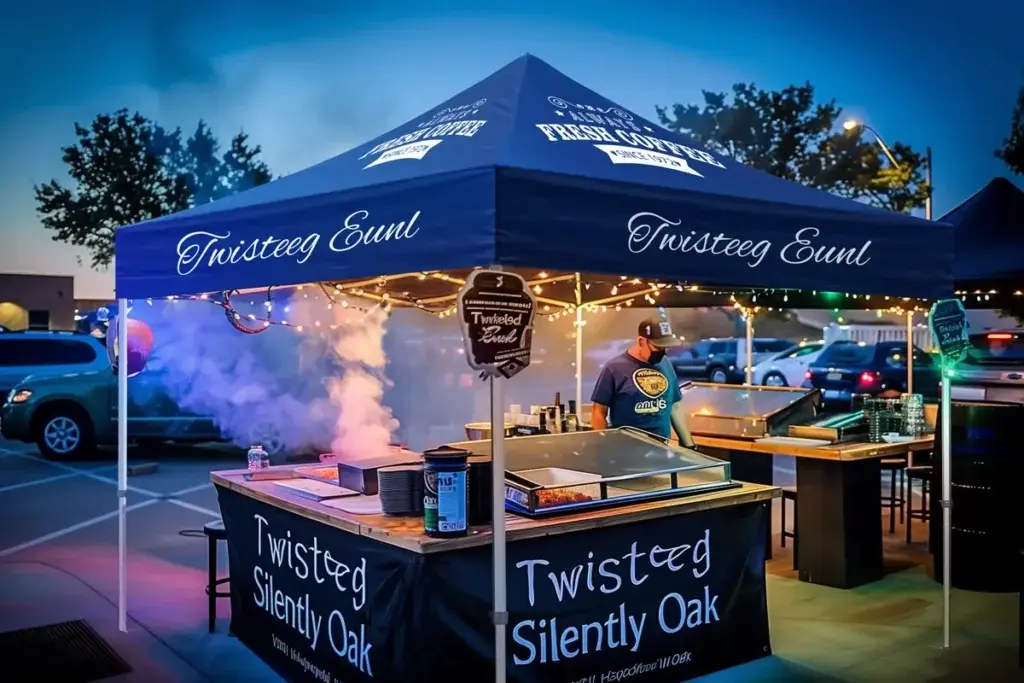
Planning an outdoor party? Setting up a party tent can turn any space into the perfect celebration spot.
But if you’ve never done it before, it might seem tricky. Don’t worry—this guide will show you exactly how to set up your party tent step by step. By the end, you’ll have a sturdy, inviting space ready for your guests to enjoy.
Keep reading to discover simple tips and tricks that make the whole process easy and stress-free. Your next party will be unforgettable!

Credit: skylinetentcompany.com
Choosing The Right Tent
Setting up a party tent starts with choosing the right one. The tent should fit your event needs and weather conditions.
Consider the type, size, and material of the tent. These factors help keep guests safe and comfortable.
Types Of Party Tents
There are many types of party tents. Each type works best for different events and spaces.
- Frame Tents: Have a metal frame. No center poles inside.
- Pole Tents: Use tall poles in the center. Look classic and elegant.
- Pop-Up Tents: Easy to set up. Good for small parties.
- Marquee Tents: Large and sturdy. Good for big events.
Size And Capacity
Choose a tent size based on the number of guests. Make sure there is enough space for seating and activities.
Allow about 10 square feet per person for standing space. For seated guests, allow 15 square feet per person.
| Party Size | Recommended Tent Size | Approximate Capacity |
|---|---|---|
| Small (20-30 guests) | 10 x 10 feet | 20-30 people |
| Medium (40-60 guests) | 20 x 20 feet | 40-60 people |
| Large (80-100 guests) | 30 x 40 feet | 80-100 people |
Material And Durability
Party tents are made from different materials. Choose one that matches your weather and event style.
Look for waterproof and UV-resistant fabrics. Strong frames made from steel or aluminum last longer.
- Polyester: Lightweight and water-resistant.
- Vinyl: Durable and fire-resistant.
- Canvas: Breathable and classic look.
- Steel Frames: Very strong and stable.
- Aluminum Frames: Lightweight and rust-proof.
Selecting The Ideal Location
Choosing the right spot for your party tent makes the event more comfortable. The location affects safety, convenience, and enjoyment for everyone.
Consider several factors before setting up the tent. These include the ground, weather, and how guests will move around.
Flat And Stable Ground
Pick a level area that is firm and even. Avoid slopes or soft soil to keep the tent steady and safe.
- Check for rocks, holes, or roots that could cause tripping.
- Clear the area of sharp objects that might damage the tent floor.
- Make sure the ground can hold stakes or weights securely.
Sun And Wind Considerations
Think about how sun and wind will affect the tent during the event. These elements can change comfort and tent stability.
| Condition | What to Do |
| Strong Sun | Place tent where shade is available or use sidewalls. |
| Prevailing Wind | Face the tent opening away from the wind direction. |
| Sudden Gusts | Secure the tent with extra stakes or heavy weights. |
Accessibility And Space
Make sure guests can easily reach the tent. Also, leave enough room around it for movement and activities.
Consider these points for accessibility and space:
- Paths to the tent should be clear and wide.
- Allow space for seating, tables, and any entertainment.
- Keep emergency exits free and easy to use.
Gathering Necessary Tools And Materials
Setting up a party tent requires some planning and the right tools. Having everything ready makes the setup process easier and faster.
Gathering all necessary materials in advance ensures you won’t face any unexpected delays. Let’s explore what you need.
Tent Components
Tent components are essential parts of your setup. They include the fabric and the frame.
- Fabric: The main cover of the tent.
- Frame: Poles that provide structure and support.
- Connectors: Pieces that link parts of the frame together.
Anchoring Equipment
Anchoring equipment keeps your tent stable and secure. It helps prevent the tent from moving or collapsing.
- Stakes: Metal or plastic pegs that anchor the tent to the ground.
- Ropes: Used to tie the tent to stakes for added stability.
- Weights: Heavy objects that can hold the tent down on hard surfaces.
Additional Accessories
Additional accessories enhance the functionality of your tent. They can provide extra comfort and convenience.
- Lighting: Provides visibility inside the tent during evening events.
- Sidewalls: Offers protection from wind or rain.
- Flooring: Creates a clean surface inside the tent.
Preparing The Site
Setting up a party tent starts with preparing the site properly. A clean, clear area makes the setup easier and safer.
Check the ground and surroundings before you place the tent. This helps avoid problems later on.
Clearing Debris
Remove sticks, rocks, and trash from the tent area. This prevents damage to the tent floor and keeps guests safe.
Marking Tent Layout
Mark the exact spot where the tent will go. Use stakes or chalk to show the corners and edges clearly.
- Measure the tent dimensions carefully.
- Place markers at each corner of the layout.
- Check that the marked area is level and flat.
- Adjust markers if needed to fit the space.
Checking For Obstacles
Look around the site for low branches, wires, or uneven ground. These can block or damage the tent.
| Obstacle | Why It Matters | Action |
| Low branches | Can tear tent fabric | Trim or move tent away |
| Wires | Safety hazard | Check height and avoid |
| Uneven ground | Causes instability | Level or choose new spot |
Assembling The Tent Frame
Setting up a party tent starts with building the frame. The frame holds the tent fabric and gives it shape. You must assemble it carefully to keep the tent strong and safe.
Follow clear steps to connect poles, add support, and make sure the frame stays steady. Each part is important for a good setup.
Connecting Poles
First, lay out all poles and parts. Check the instructions for the right order. Most poles fit together with push buttons or sleeves. Connect each pole firmly to avoid gaps.
Make sure poles line up straight. This helps the tent keep its shape and makes setup easier.
- Sort poles by size and type
- Join poles using push buttons or connectors
- Check for a tight fit at each joint
- Align poles in a straight line
Setting Up Support Structures
Support structures include side poles, braces, and crossbars. These parts keep the frame strong and hold the tent fabric tight. Attach supports after the main frame is connected.
Use the right spots for braces and crossbars. This stops the frame from bending or falling during the event.
- Attach side poles to the main frame
- Install braces where the frame feels weak
- Connect crossbars across the top for extra strength
- Secure all supports firmly
Ensuring Stability
Once the frame is built, stabilize it using stakes and ropes. Drive stakes into the ground at each corner. Tie ropes from the frame to the stakes for extra hold.
Check the frame often during setup to keep it balanced and steady. This helps prevent accidents and damage from wind.
- Place stakes deeply into the ground
- Tie ropes tightly from frame to stakes
- Use heavy weights if setting up on hard surfaces
- Adjust ropes and stakes for balance

Credit: skylinetentcompany.com
Securing The Tent Cover
Securing the tent cover is an important part of setting up a party tent. It keeps the tent stable and protects you from weather.
This guide explains how to attach, tighten, and weatherproof the tent cover properly.
Attaching Fabric
Start by spreading the tent fabric evenly over the frame. Make sure it covers all sides and corners well.
Use the built-in clips or Velcro straps to secure the fabric to the frame. Attach all points before tightening.
- Check that fabric is not twisted or folded
- Fasten all clips or straps firmly
- Ensure corners fit snugly over frame poles
Tightening And Adjusting
After attaching the fabric, pull it tight to remove wrinkles and slack. This helps the tent look neat and stay stable.
Adjust ropes or straps around the tent to keep the cover taut. Tighten slowly to avoid tearing the fabric.
- Pull fabric evenly on all sides
- Use tension straps to secure the cover
- Check for loose spots and tighten again
Weatherproofing Tips
Protect your tent from rain and wind by sealing seams and securing edges well. This stops water from leaking inside.
Use waterproof spray or tape on seams if needed. Make sure the tent cover overlaps the frame edges for extra protection.
- Apply waterproof spray to fabric seams
- Secure ground edges with stakes or weights
- Check for gaps where rain could enter
Anchoring And Stabilizing The Tent
Setting up a party tent is fun but needs care. Anchoring and stabilizing keep the tent safe and steady.
Strong anchoring stops the tent from moving or falling. It protects people and things under the tent.
Using Stakes And Weights
Stakes hold the tent firmly to the ground. Use them if you set up on soft soil or grass.
Weights work well on hard surfaces like concrete. They stop the tent from lifting or sliding.
- Drive stakes deep into the ground at tent corners
- Use a hammer or mallet to secure stakes
- Place heavy weights on tent legs on hard ground
- Check that weights are heavy enough to hold the tent
Handling Windy Conditions
Wind can make tents shake or fall. Secure the tent extra well if wind is strong.
Lower the tent walls to reduce wind inside. Add extra stakes or weights for safety.
- Place stakes at an angle for stronger hold
- Use guy lines tied to strong anchors
- Avoid setting up tents near trees or loose objects
- Check weather updates before the event
Safety Precautions
Safety is important when setting up tents. Follow rules to keep everyone safe.
Inspect all anchoring tools before use. Replace any broken stakes or ropes immediately.
- Keep the area clear of trip hazards like ropes
- Check tent stability regularly during the event
- Do not overload the tent with heavy decorations
- Have a plan to take down the tent quickly if needed

Credit: houstontentsevents.com
Adding Lighting And Decorations
Setting up a party tent needs good lighting and fun decorations. These create a warm and festive mood for guests. Bright lights and colorful decor make the tent inviting and lively.
Use easy ideas to decorate and light your tent. This guide covers string lights, lanterns, themes, and safety tips for electricity. Follow these simple steps to add charm and keep everyone safe.
String Lights And Lanterns
String lights and lanterns add soft, glowing light inside the tent. Hang string lights along the tent poles or ceiling edges for a cozy feel. Paper or metal lanterns bring color and style.
- Choose LED string lights for energy savings and less heat
- Use battery-operated lanterns if no power source is near
- Wrap lights around poles or hang in a zigzag pattern across the ceiling
- Mix lantern sizes and colors for visual interest
- Place lanterns on tables or hang at different heights
Theming And Decor Ideas
Pick a party theme to match your event and decorate accordingly. Themes help guide your choice of colors, table settings, and decorations. You can keep it simple or add creative touches.
| Theme | Decoration Ideas |
| Beach | Shells, sand buckets, blue and white fabrics |
| Garden | Fresh flowers, greenery, fairy lights |
| Vintage | Old suitcases, lace, antique lanterns |
| Color Block | Bright balloons, matching tablecloths, colorful ribbons |
Electrical Safety
Safety is important when using lights and electrical decorations. Avoid overloading outlets and keep wires dry. Use outdoor-rated extension cords and check all connections before the party.
- Place cords where people will not trip on them
- Use ground fault circuit interrupters (GFCIs) for outdoor power
- Keep all electrical equipment away from water and wet surfaces
- Turn off lights and unplug when not in use
- Inspect lights for broken bulbs or damaged wires before setup
Maintaining The Tent During The Event
Keeping your party tent in good shape is key for a smooth event. Proper care helps avoid problems and keeps guests comfortable.
This guide covers how to watch the weather, fix small damage, and prepare for emergencies during the event.
Weather Monitoring
Check the weather forecast often before and during the event. Sudden rain or strong wind can cause damage to the tent.
- Use a reliable weather app on your phone.
- Assign someone to watch the sky for quick changes.
- Have tarps and extra ropes ready for sudden storms.
- Lower or secure loose parts of the tent if wind picks up.
Addressing Wear And Tear
During the event, check the tent for tears, loose stakes, or sagging fabric. Fixing these issues quickly keeps the tent safe and neat.
| Problem | Solution |
|---|---|
| Small tears in fabric | Patch with repair tape or fabric glue |
| Loose stakes or ropes | Tighten or replace to keep tent stable |
| Sagging roof or walls | Adjust poles and ropes to restore shape |
| Water pooling on roof | Push water off gently to avoid damage |
Emergency Plans
Have a clear plan for emergencies. Make sure all helpers know what to do if the weather gets bad or if the tent is damaged.
- Know where the nearest shelter is
- Have a phone ready to call for help
- Keep a first aid kit near the tent
- Assign someone to alert guests quickly
- Plan a safe way to take down the tent if needed
Takedown And Storage Tips
Setting up a party tent is only half the task. Taking it down and storing it properly ensures it lasts longer.
Follow these steps to keep your tent in great condition for future events.
Proper Disassembly
Disassembling your tent correctly prevents damage. Begin by removing all decorations and lights.
- Take down the tent walls first to reduce wind resistance.
- Carefully remove the stakes and poles.
- Fold the tent fabric gently to avoid creases.
Cleaning The Tent
Cleaning your tent before storage is crucial. Dirt and moisture can lead to mold and mildew.
- Use mild soap and water to clean the fabric.
- Rinse thoroughly to remove soap residue.
- Ensure the tent is completely dry before packing.
Storage Best Practices
Storing your tent properly extends its life. Keep it in a cool, dry place.
Consider using a storage bag with ventilation. This prevents condensation and mold growth.
| Storage Location | Condition |
| Garage | Dry and elevated |
| Basement | Use a dehumidifier |
| Attic | Away from heat sources |
Frequently Asked Questions
How Do I Choose The Right Party Tent Size?
Select a tent size based on guest count and event type. Allow 10-15 square feet per person for comfort. Consider extra space for tables, food, and activities. Measure your venue area to ensure the tent fits well without crowding or wasted space.
What Tools Do I Need To Set Up A Party Tent?
Basic tools include a mallet, tent stakes, ladder, and gloves. A tape measure helps with accurate placement. Having extra rope and weights ensures stability. Prepare these tools beforehand to make setup smooth and efficient.
How Can I Secure A Party Tent Safely?
Use stakes or weights to anchor the tent firmly. Check local regulations for anchor requirements. Avoid setting up near power lines or uneven ground. Regularly inspect tent stability during the event, especially in windy conditions.
When Is The Best Time To Set Up A Party Tent?
Set up your tent at least a day before the event. Choose a calm weather day to avoid wind issues. Early setup gives you time to fix any problems and decorate comfortably.
Conclusion
Setting up a party tent can be simple and fun. Start with a clear plan and gather all materials. Follow each step carefully to ensure safety and stability. Double-check the tent’s position and secure all stakes tightly. A well-set tent makes your party comfortable and enjoyable.
Take your time and ask for help if needed. Enjoy your event under a sturdy, well-prepared shelter. Remember, practice makes perfect with every setup. Ready to host a great party? Your tent is the first step.