You’ve planned your outdoor adventure, but what happens when the rain starts pouring? Setting up your tent properly in wet weather can make all the difference between a miserable night and a cozy, dry shelter.
If you want to stay comfortable and protect your gear from getting soaked, you need the right techniques. In this guide, you’ll learn simple, effective steps to set up your tent for rain. Keep reading to discover how to stay dry and enjoy your trip no matter the weather.

Credit: www.youtube.com
Choosing The Right Tent
Setting up a tent in the rain needs careful planning. The right tent keeps you dry and comfortable.
Look for tents made for wet weather. They offer protection and last longer in rain.
Waterproof Materials
Waterproof materials stop rain from soaking through the tent. Nylon and polyester are common choices.
These fabrics often have a waterproof coating. This helps water slide off and not soak in.
- Nylon with silicone coating
- Polyester with polyurethane layer
- Ripstop fabrics for extra strength
Tent Design For Rain
A good tent design guides water away from you. Look for steep roof angles to avoid water pooling.
Features like vestibules protect your gear from rain. A rainfly covering the tent adds extra water defense.
- Steep roof to shed water fast
- Extended rainfly for full coverage
- Vestibules for dry storage space
Sealed Seams And Zippers
Seams and zippers are weak spots for water leaks. Look for tents with taped or sealed seams.
Waterproof zippers keep rain from entering through the openings. These features improve tent protection in rain.
- Taped seams prevent water from seeping
- Sealed seams add stronger waterproofing
- Waterproof zippers reduce leaks

Credit: www.popularmechanics.com
Selecting The Campsite
Choosing the right spot is very important when setting up a tent for rain. A good campsite keeps you dry and safe.
Look for a place that protects your tent from water and wind. This will make your camping trip more comfortable.
Avoiding Low-lying Areas
Low places can collect water during rain. Setting your tent there can cause flooding inside.
Pick a spot that is higher than the surrounding land. This helps keep water away from your tent.
Finding Natural Shelters
Trees and rocks can block wind and rain. Choose a site near natural shelters for better protection.
Make sure the area is safe from falling branches or loose rocks. Natural shelter should help, not harm.
Checking Ground Drainage
Good drainage stops water from pooling around your tent. Test the ground by pouring water and watching it flow.
Soft, muddy ground usually means poor drainage. Firmer ground helps water run off and keeps your tent dry.
Preparing The Tent Site
Setting up a tent for rain needs a good start. Preparing the site well keeps you dry and safe.
Choose a place that stops water from pooling. Clean and level the ground for the best setup.
Clearing Debris
Remove leaves, sticks, and rocks from the tent area. Debris can damage your tent floor or cause discomfort.
Clear at least a few feet around the tent spot. This helps keep bugs and water away.
- Pick up sharp objects like sticks and stones
- Brush away leaves and loose dirt
- Check for any trash or harmful items
Leveling The Ground
Make sure the ground is flat so your tent stands well. Uneven ground causes water to collect on one side.
Use your hands or a small tool to fill holes or smooth bumps. A flat surface improves comfort and safety.
- Remove rocks or roots that stick out
- Fill holes with soil or sand
- Press down soft spots to firm the ground
Setting Up A Groundsheet
Lay a groundsheet under your tent to stop water from seeping in. It also protects the tent floor from damage.
Choose a groundsheet slightly smaller than your tent base. This prevents rainwater from collecting under the tent walls.
- Spread the groundsheet flat on the cleared, leveled ground
- Keep edges inside the tent footprint to avoid water pooling
- Use waterproof materials like tarp or heavy-duty plastic
Pitching The Tent
Setting up your tent correctly is key to staying dry in rain. Pitching it well keeps water out and ensures comfort.
Focus on tent placement and securing the rainfly tightly. These steps protect you from wet weather.
Proper Tent Orientation
Point the tent door away from wind and rain. Position the tent on higher ground to avoid water pooling.
Face the narrow side of the tent into the wind. This reduces wind pressure and stops rain from entering.
Securing Guy Lines
Guy lines hold the tent steady in rain and wind. Use stakes to anchor them firmly into the ground.
- Pull each guy line tight but not too tight to avoid tearing.
- Attach lines at equal distances around the tent.
- Secure stakes at a 45-degree angle away from the tent.
- Check lines regularly and retighten if needed.
Tightening The Rainfly
A tight rainfly stops water from pooling and dripping inside. Adjust all straps and buckles evenly.
| Rainfly Part | Tightening Tip |
|---|---|
| Front Flap | Pull snug to prevent water drip at entrance |
| Side Panels | Even tension avoids sagging and water pockets |
| Rear Edge | Secure tightly to stop wind lift |
Extra Rain Protection Tips
Setting up a tent for rain means more than just pitching it. You need extra steps to stay dry and comfortable. These tips help protect your tent from heavy rain and moisture.
Using simple tools and smart setup techniques can keep water out and air flowing. This reduces dampness inside your tent and keeps you cozy.
Using A Tarp
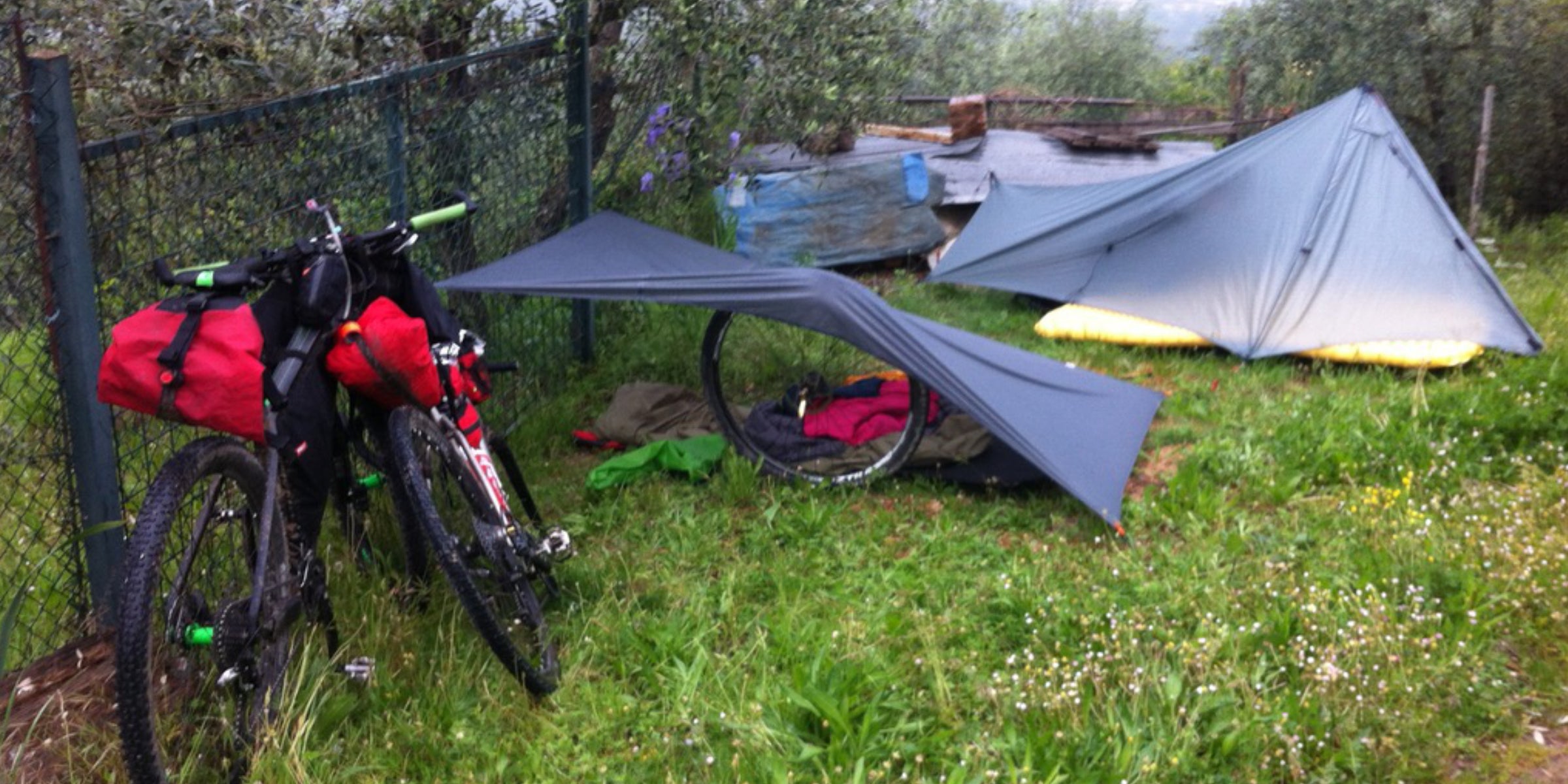
A tarp adds an extra layer of protection above or below your tent. It stops rain from soaking your tent floor or leaking through the roof.
- Place a tarp under your tent to protect the floor from wet ground.
- Make sure the tarp is slightly smaller than the tent floor to avoid water pooling.
- Use a tarp as a rain fly overhead for extra rain protection.
- Secure the tarp tightly with stakes or ropes to prevent it from blowing away.
Creating A Rainwater Runoff
Rainwater runoff helps move water away from your tent. This keeps your camping area dry and stops water from pooling around your tent.
| Rainwater Runoff Tips | Description |
|---|---|
| Choose a slope | Pick a camping spot on a gentle slope to let water flow down. |
| Dig small trenches | Make shallow ditches around your tent to channel water away. |
| Clear debris | Remove leaves and sticks that can block water paths. |
| Use rocks | Place rocks to guide water and prevent soil erosion. |
Ventilation To Prevent Condensation
Good ventilation stops condensation inside your tent. It lets moist air escape and fresh air enter. This keeps the tent dry and comfortable.
- Open vents or windows on your tent during rain.
- Use mesh panels to allow airflow but keep bugs out.
- Keep the tent door slightly open if safe to do so.
- Avoid cooking or boiling water inside the tent to reduce moisture.
Credit: alpkit.com
Maintaining The Tent During Rain
Setting up a tent in the rain needs extra care. Keeping the tent safe and dry is important for comfort.
Good maintenance helps the tent last longer and protects your gear from water damage.
Checking For Leaks
Look inside the tent for any water drops or wet spots. Check seams and corners closely.
Use a flashlight to find leaks if light is low. Mark spots that need fixing after the rain.
- Inspect all seams for small holes
- Check the floor and walls carefully
- Look under the rain fly for water entry
Managing Wet Gear
Keep wet clothes and shoes outside the tent to avoid moisture inside. Use a waterproof bag or cover.
Dry wet items as soon as possible. Hang them under a tarp or near a heat source if safe.
- Store wet gear in separate bags
- Keep wet items away from sleeping areas
- Air out gear during breaks in the rain
Drying The Tent After Rain
Take down the tent only when rain stops. Set it up in a sunny or windy spot to dry.
Open all doors and windows to let air flow. Make sure no water stays inside the tent.
- Dry rain fly and tent body separately
- Use a clean towel to remove extra water
- Store tent dry to prevent mold and smell
Frequently Asked Questions
How Do I Waterproof My Tent For Rain?
Use a rainfly and waterproof spray to protect your tent. Seal seams with waterproof tape. Pitch your tent on high ground to avoid water pooling.
What Is The Best Way To Pitch A Tent In Rain?
Choose a flat, elevated spot with good drainage. Tighten the rainfly and stakes securely. Angle the tent to let rainwater flow off easily.
How Can I Prevent Water From Entering My Tent?
Use a ground tarp under the tent, extending slightly outside. Seal all zippers and seams. Keep tent doors closed during heavy rain.
Should I Ventilate My Tent In Rainy Weather?
Yes, ventilation reduces condensation inside your tent. Open vents or windows slightly while keeping rain out. Proper airflow keeps the interior dry and comfortable.
Conclusion
Setting up a tent for rain doesn’t have to be difficult. Choose the right spot. Avoid low areas where water collects. Secure the tent with strong stakes. Use a rainfly for extra protection. Check for leaks before rain starts. Keep your gear inside dry bags.
Ventilation is essential to prevent condensation. Practice these steps for a comfortable, dry camping experience. Rain shouldn’t ruin your adventure. Stay prepared, and enjoy the great outdoors. Rainy nights can be cozy. With the right setup, rain becomes part of the fun.