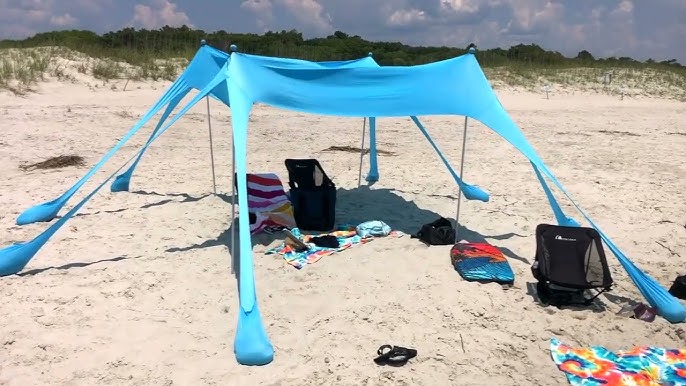
Setting up a beach tent might seem simple, but getting it right can make all the difference in your day by the sea. Imagine having a cool, shady spot that protects you from the sun and wind, letting you relax fully without worry.
You’re about to discover easy steps that anyone can follow to set up your beach tent quickly and securely. By the end of this guide, you’ll feel confident and ready to enjoy your beach time like never before. Keep reading to find out how to make your beach tent setup smooth and stress-free!
Credit: www.amazon.com
Choosing The Right Beach Tent
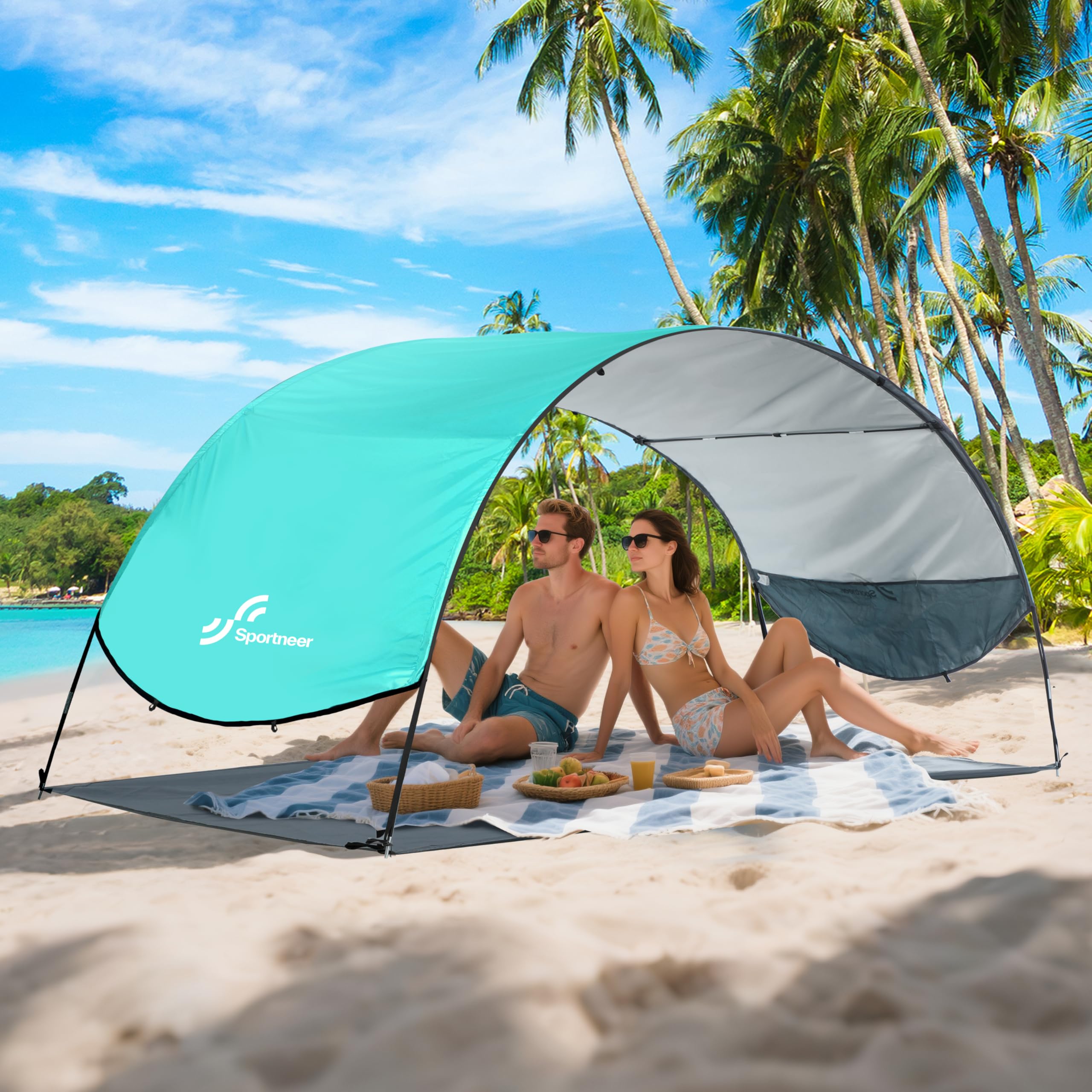
Picking the right beach tent makes your day at the beach more fun and comfortable. A good tent offers shade and protection from wind and sun. This guide helps you find the best tent for your needs.
Consider what type of tent fits your group size and how strong the tent needs to be. Knowing these details helps you choose the perfect shelter.
Types Of Beach Tents
There are many types of beach tents. Some are simple pop-ups, while others have more features like UV protection or extra wind resistance. Choose the type that fits your style and needs.
- Pop-Up Tents:Easy to set up and take down.
- Cabana Tents:Open on the sides for air flow but provide good shade.
- Dome Tents:Stronger in wind with a rounded shape.
- Sun Shelters:Lightweight and designed mainly for shade.
Size And Capacity
Think about how many people will use the tent. The size affects comfort and storage. Make sure the tent fits your group and gear.
| Capacity | Suggested Use |
| 1-2 people | Solo trips or couples |
| 3-4 people | Small families or friends |
| 5+ people | Large groups or family gatherings |
Material And Durability
The tent material affects how well it protects you. Look for fabrics that block UV rays and resist tearing. Strong poles add to the tent’s durability.
- Fabric:Polyester or nylon with UV protection works best.
- Poles:Aluminum poles are strong but light.
- Floor:A waterproof floor keeps you dry on wet sand.
- Vents:Good airflow prevents heat build-up.

Credit: www.amazon.com
Essential Tools And Accessories
Setting up a beach tent needs some basic tools and accessories. These help keep your tent safe and steady on the sand.
Using the right items makes your time on the beach more comfortable and worry-free.
Tent Stakes And Sandbags
Tent stakes hold the tent firmly in the ground. They stop it from moving or blowing away in the wind.
Sandbags add extra weight to the tent. They work well on soft sand where stakes may not hold well.
- Use stakes designed for sand or soft soil
- Sandbags should be filled with dry sand
- Place stakes and bags at tent corners
- Check them often to keep the tent stable
Mallet Or Hammer
A mallet or hammer helps you push stakes into the sand easily. This tool saves time and effort.
Using a mallet reduces the chance of bending stakes or hurting your hands.
- Choose a rubber mallet to protect stakes
- Use a hammer if a mallet is not available
- Hit stakes straight down for best hold
Additional Anchors
Extra anchors help keep your tent stable in strong wind. They add more points of support to the setup.
These anchors can be ropes tied to heavy objects or special sand anchors made for beach tents.
- Use ropes attached to nearby fixed objects
- Sand anchors screw deep into the sand
- Place anchors on tent sides for balance
- Check anchors regularly for tightness
Selecting The Perfect Spot
Choosing the right place for your beach tent makes your day better. A good spot keeps you comfortable and safe.
Think about sun, wind, and how close you are to water and facilities. These factors help you pick the best spot.
Sun Direction And Shade
Find a spot where your tent can block the sun. The sun moves across the sky, so plan your tent’s position.
Look for natural shade from trees or cliffs. Shade keeps you cool and protects your skin from sunburn.
- Set up your tent facing east or west to avoid direct midday sun.
- Use natural shade to stay cooler during hot hours.
- Bring a tarp if no shade is available.
Wind Conditions
Check the wind direction before you set your tent. Strong wind can blow your tent away or make it unstable.
Place your tent with the back facing the wind. Use sandbags or stakes to keep the tent secure.
- Avoid open spaces where wind is strong.
- Look for natural windbreaks like dunes or bushes.
- Always anchor your tent well to prevent accidents.
Proximity To Water And Facilities
Pick a spot close to water but not too near. Too close can be unsafe or wet from tides.
Being near facilities like restrooms and trash bins makes your day easier. But avoid busy or noisy areas.
- Stay at least 20 feet from the waterline to avoid high tide.
- Choose a quiet area near restrooms for convenience.
- Keep distance from playgrounds or crowded spots for privacy.

Credit: www.youtube.com
Step-by-step Tent Setup
Setting up a beach tent is easy if you follow some simple steps. This guide will help you put up your tent quickly and safely.
We will cover unpacking, assembling the frame, and securing the tent to the ground for a stable setup.
Unpacking And Organizing
Start by unpacking the tent from its bag. Lay out all parts on a clean surface. Check that you have all pieces before you begin.
- Tent fabric and canopy
- Frame poles
- Stakes or pegs
- Guy ropes
- Carry bag
Assembling The Frame
Connect the frame poles by matching the color-coded ends. Make sure each pole clicks into place firmly.
| Frame Part | Description |
|---|---|
| Base Poles | Form the tent’s floor frame |
| Support Poles | Hold up the canopy and sides |
| Connector Joints | Join poles at corners and intersections |
After assembling, lay the frame on the ground and attach the tent fabric over it. Secure the fabric to the frame using Velcro straps or clips.
Securing The Tent To The Ground
Use stakes to fix the tent base to the sand. Push each stake into the ground at a 45-degree angle. Tie guy ropes to the tent and secure them with stakes to keep it stable.
- Place stakes at each corner of the tent
- Drive stakes deep enough to hold firm
- Attach guy ropes to the tent and pull tight
- Secure guy ropes with stakes away from the tent
- Check all connections for tightness
Tips For Stability And Comfort
Setting up a beach tent right makes your day more fun and safe. A stable tent keeps you protected from wind and sun.
Comfort is key for a great time. Use simple tricks to keep your tent steady and cozy all day long.
Reinforcing Against Wind
Strong wind can blow your tent away. Secure it well to stay safe and keep the tent in place.
Use heavy stakes and tie ropes tightly. Place rocks on corners if needed for extra weight.
- Push stakes deep into the sand at an angle
- Tighten all ropes and check them often
- Use sandbags or heavy objects on tent corners
- Face the tent opening away from the wind
Creating Extra Shade
Extra shade helps protect you from the sun’s strong rays. It keeps the tent cooler and more comfortable.
Add a tarp or an extra cloth over the tent. Use poles or sticks to hold it up for a bigger shaded area.
- Choose a light-colored tarp to reflect sunlight
- Secure the tarp tightly to avoid flapping
- Extend shade with umbrellas or beach umbrellas
- Set up near natural shade if possible
Ventilation Techniques
Good airflow stops the tent from feeling hot and stuffy. It keeps you cool during warm days.
Open windows or vents on the tent. Use mesh panels to let air in but keep bugs out.
- Set up the tent with openings facing the breeze
- Use mesh windows for fresh air without insects
- Lift one side slightly to improve airflow
- Avoid closing the tent fully on hot days
Maintaining And Packing Up
Taking care of your beach tent keeps it strong and ready to use. Proper packing helps save space and avoid damage.
Follow simple steps to clean, fold, and store your tent after each trip. This keeps it in good shape for many uses.
Cleaning The Tent
Remove sand, dirt, and saltwater from the tent after use. Clean the fabric gently to avoid tears and stains.
Use mild soap and warm water with a soft cloth or sponge. Rinse well and let the tent dry completely before packing.
- Shake out sand and debris
- Wipe with mild soap and water
- Rinse thoroughly to remove soap
- Air dry fully to prevent mold
Proper Folding Techniques
Fold the tent carefully to save space and avoid creases. Follow the shape of the tent to keep it neat.
Lay the tent flat, fold sides in evenly, then fold or roll tightly. Avoid forcing the tent into the bag.
- Lay tent flat on a clean surface
- Fold sides evenly toward the center
- Fold or roll tightly without wrinkles
- Place in the storage bag gently
Storage Recommendations
Store the tent in a cool, dry place to keep it fresh. Avoid direct sunlight and damp areas to protect the material.
Use the original bag or a breathable container. Keep the tent away from sharp objects and heavy weights.
- Choose a dry, shaded storage spot
- Use the original or breathable bag
- Keep away from sharp tools and heavy items
- Check the tent before each use
Frequently Asked Questions
How Do I Choose The Best Spot For My Beach Tent?
Pick a flat, firm area away from high tide lines. Avoid rocky or uneven ground for stability. Check wind direction to prevent sand blowing inside. Shade from natural elements is a bonus. This ensures comfort and safety during your beach day.
What Tools Are Needed To Set Up A Beach Tent?
Most beach tents come with all necessary tools. Typically, you need stakes, poles, and a mallet. A carrying bag often includes these items. Bringing extra sandbags or weights helps stabilize the tent in strong winds.
How Can I Secure My Beach Tent In Windy Conditions?
Use heavy-duty stakes driven deep into the sand. Attach sandbags or weights to tent corners. Position the tent with the back facing the wind. Tighten all guy lines firmly. This prevents the tent from blowing away or collapsing.
How Long Does It Take To Set Up A Beach Tent?
It usually takes 5 to 10 minutes for beginners. Experienced users can set it up in under 5 minutes. Practice at home to speed up the process. Following instructions carefully ensures quick and hassle-free setup.
Conclusion
Setting up a beach tent can be quick and simple. Choose a spot with soft sand and enough space. Follow the steps carefully to secure your tent. This will keep it stable against wind and sun. A well-set tent offers shade and comfort all day.
Enjoy your time by the sea without worry. Practice a few times to get better and faster. Soon, setting up will feel easy and natural. Make your beach days more relaxing with a good tent.