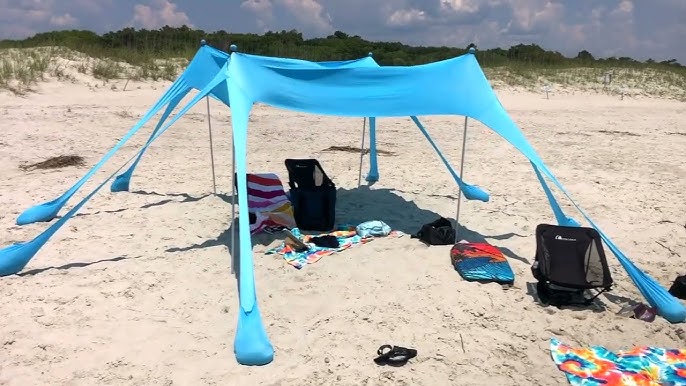
Heading to the beach soon? Setting up a beach tent might seem tricky, but with the right steps, you can have your own shady spot in no time.
Imagine relaxing comfortably, protected from the sun and wind, while everyone else struggles with their tents. In this guide, you’ll learn simple, clear tips to set up your beach tent quickly and securely. Ready to make your beach day more enjoyable?
Let’s get started!
Choosing The Right Beach Tent
Picking the right beach tent makes your day at the beach more fun and comfortable. A good tent protects you from sun, wind, and sand.
Think about the type, size, and material before buying a beach tent. These choices affect how well the tent works for you.
Types Of Beach Tents
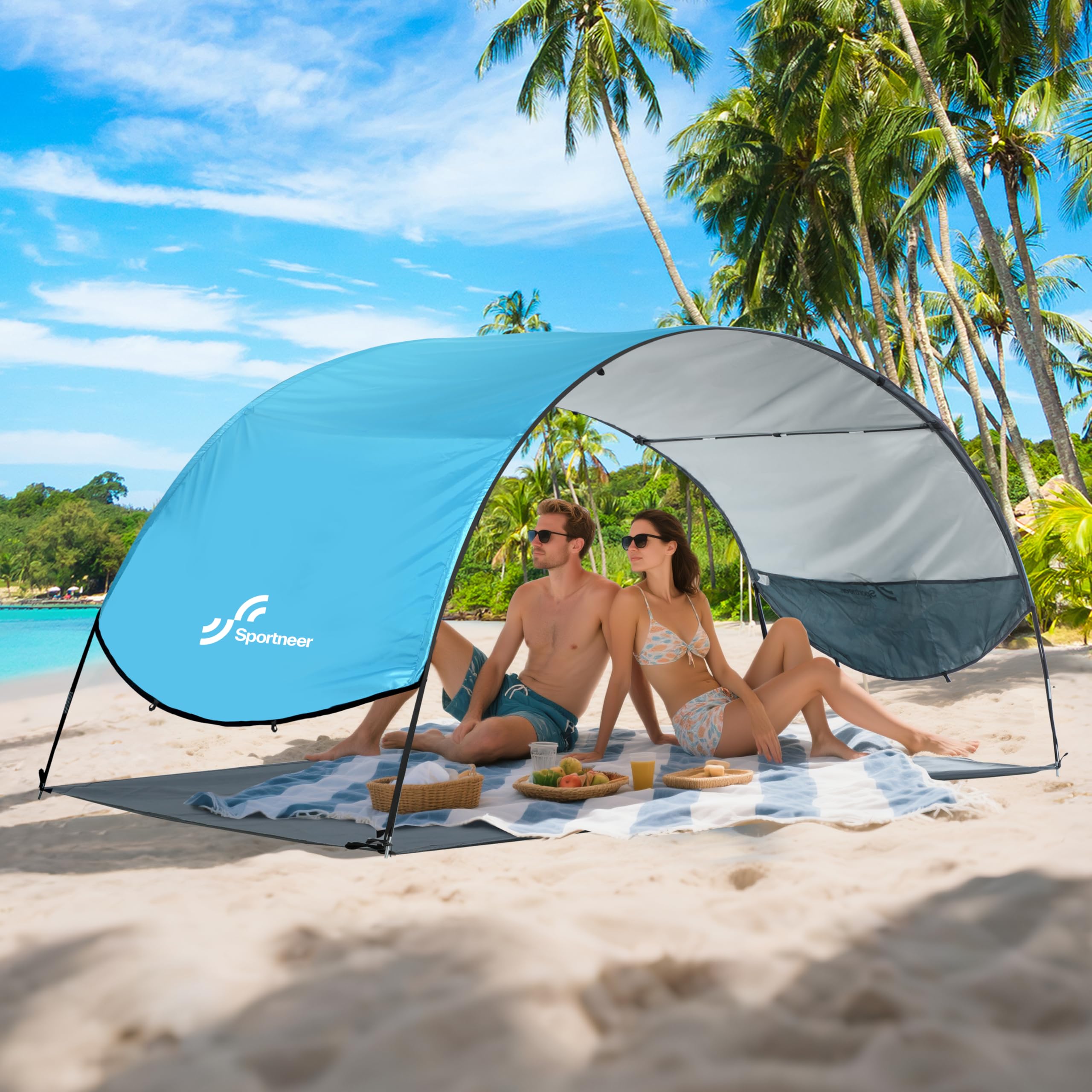
Beach tents come in different styles. Some are simple pop-up tents. Others have more support for strong wind.
Here are common types to consider:
- Pop-up tents:Easy to set up and take down.
- Cabana tents:Open sides for better air flow.
- Dome tents:Good wind protection and space.
- Sun shelters:Lightweight and small for quick shade.
Size And Capacity Considerations
Choose a tent size that fits your group and gear. Too small tents feel crowded. Too big tents are hard to carry.
Think about how many people will use the tent and what you will bring inside.
- Small tents fit 1-2 people.
- Medium tents fit 3-4 people.
- Large tents fit 5 or more people.
- Check if the tent has space for bags and beach chairs.
Material And Uv Protection
Strong material makes your beach tent last longer. It also keeps you safe from sun rays.
Look for tents with UV protection. This helps block harmful sun rays and lowers heat inside.
- Polyester and nylon are common and durable materials.
- UV-blocking coatings reduce sun damage.
- Water-resistant fabric helps if it rains.
- Mesh windows improve airflow while keeping bugs out.
Preparing Your Site
Setting up a beach tent starts with preparing the area properly. This helps keep the tent stable and comfortable throughout your stay.
Two main steps are crucial: choosing the right spot and clearing the space. These steps make sure your tent stays safe from wind and sand.
Selecting The Perfect Spot
Look for a flat area that is away from water tides and strong wind paths. Avoid rocky or uneven ground that can damage the tent.
- Check the direction of the wind to set the tent’s door away from it.
- Pick a shaded area if possible to keep the tent cool.
- Avoid spots near dunes or cliffs that may drop sand or debris.
- Stay clear of crowded areas to have privacy and space.
Clearing The Area
Remove all sharp objects and debris that could damage your tent or cause discomfort. This step prepares a clean and safe base.
| Item to Remove | Reason |
| Sharp shells | Can puncture the tent floor |
| Rocks | Create uneven surface and discomfort |
| Broken glass | Dangerous to step on and can tear fabric |
| Sticks and branches | May poke through tent or cause injury |
Unpacking And Assembling
Setting up a beach tent is simple if you follow clear steps. First, unpack everything carefully.
Next, identify all parts before starting to assemble the tent. This makes the process smooth.
Unboxing The Tent
Open the bag with the beach tent gently. Take out all items slowly to avoid damage.
Check that you have the main tent fabric, poles, stakes, and carrying bag.
- Main tent fabric
- Flexible tent poles
- Metal or plastic stakes
- Carry bag
Identifying Components
Look at each piece and learn its use. Poles hold up the tent’s shape.
Stakes keep the tent stable on the sand. The fabric is the cover you sit under.
- Poles: Long rods that fit together
- Stakes: Small spikes to secure the tent
- Fabric: The main tent body with openings
- Carry bag: Holds all parts for transport
Credit: gearjunkie.com
Setting Up The Frame
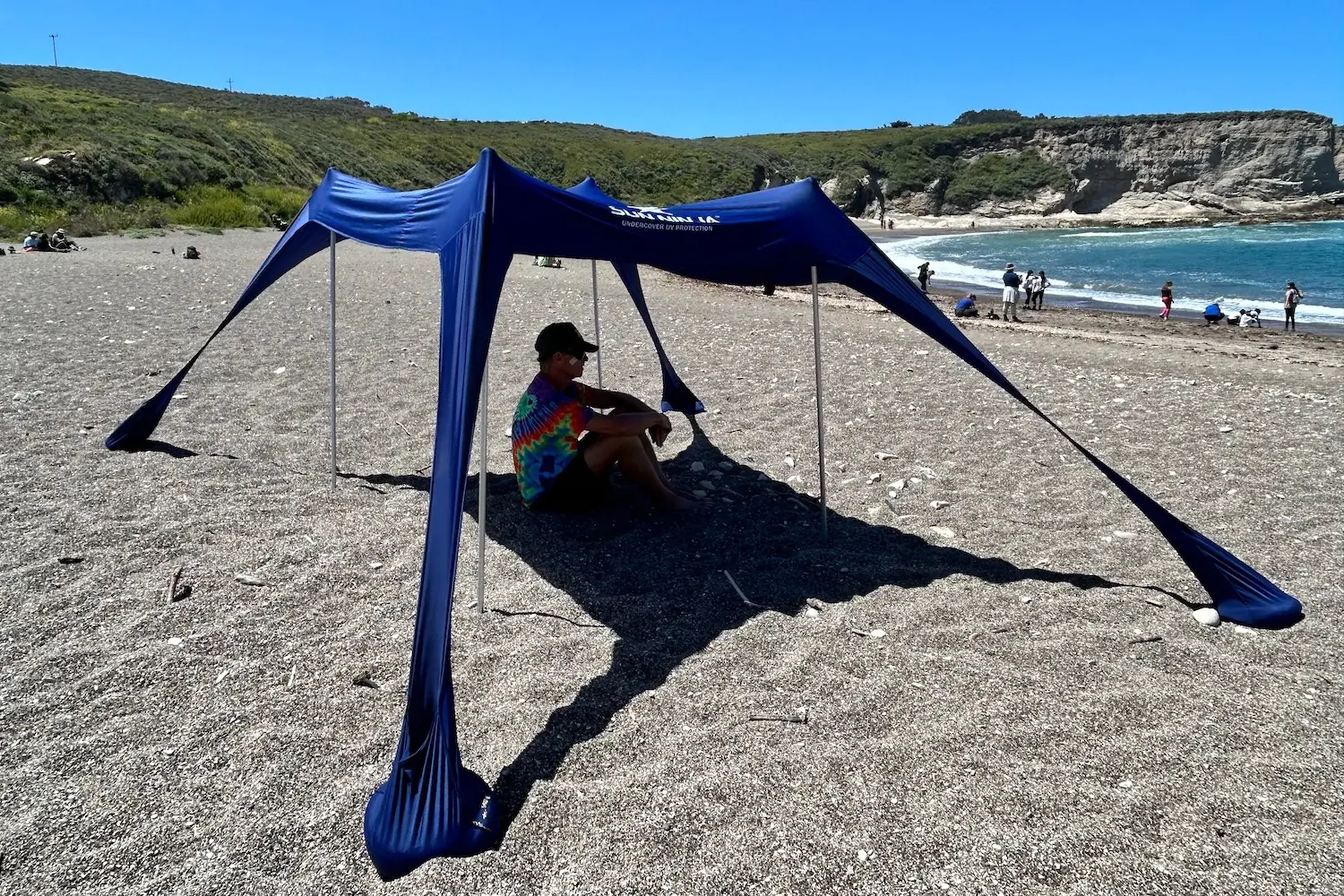
Setting up the frame is the first important step to assemble your beach tent. It gives the tent its shape and stability. This guide will help you connect the tent poles and secure the structure properly.
Make sure to work on flat ground and keep all parts nearby. Follow these simple instructions for a quick setup.
Connecting Tent Poles
Start by laying out all tent poles. Most beach tents use shock-corded poles that snap together easily. Connect the poles by fitting the ends into each other until they click.
- Identify matching pole sections by size and color.
- Align the ends carefully to avoid bending the poles.
- Push the ends firmly until you hear a snap or feel them lock.
- Repeat until all poles are connected into full-length rods.
Once the poles are connected, insert them into the tent sleeves or clips according to your tent’s design.
Securing The Structure
After assembling the poles and placing them in the tent fabric, secure the frame to keep it stable in the wind.
| Method | Purpose | Tips |
|---|---|---|
| Anchor Stakes | Fix tent base to the sand | Push stakes fully and use a mallet if needed |
| Guy Lines | Add extra support and tension | Tie lines tight and angle them away from the tent |
| Sandbags or Weights | Prevent lifting in strong wind | Fill bags with sand and place on tent corners |
Anchoring The Tent
Anchoring your beach tent keeps it stable in windy conditions. Strong anchoring stops the tent from blowing away or collapsing. Proper tools and techniques make your tent safe and secure.
There are two main ways to anchor a beach tent: using sandbags or stakes. Both methods help hold the tent in place on the sand. You can also use wind resistance tips to improve stability.
Using Sandbags And Stakes
Sandbags and stakes are common tools to keep your beach tent anchored. Sandbags weigh down the tent’s corners, and stakes hold the tent poles firmly in the ground.
- Fill sandbags with dry sand and attach them to tent loops.
- Push stakes deep into the sand at a 45-degree angle away from the tent.
- Use a mallet or rock to drive stakes fully into the sand.
- Double-check all anchors before windy conditions.
- Combine sandbags and stakes for extra hold on loose sand.
Wind Resistance Tips
| Tip | Description |
| Set Tent Facing Wind | Point the tent’s front toward the wind to reduce resistance. |
| Use Low Profile Design | Choose tents with low shapes to lessen wind impact. |
| Secure All Corners | Ensure all corners have anchors to prevent flapping. |
| Check Anchors Often | Re-tighten sandbags and stakes if wind picks up. |
Credit: www.amazon.com
Adjusting For Sun Protection
Setting up your beach tent to block the sun is important. It helps keep you cool and safe from sunburn.
You can change the tent’s position and panels to get the best shade throughout the day.
Positioning For Optimal Shade
Place your beach tent so the sun hits the smallest area. Usually, this means facing the open side away from the sun.
Check the sun’s direction often. Move or rotate the tent as the sun moves across the sky.
- Set the tent entrance away from the sun
- Use natural shade if possible, like trees or umbrellas
- Adjust the tent angle to block direct sunlight
- Move the tent during the day to follow the shade
Adjusting Side Panels
Most beach tents have side panels you can open or close. Adjust these panels to block the sun on the sides.
Close the panels on the side where the sun is strongest. Open panels on cooler sides for air flow.
- Close side panels facing the sun to block rays
- Open panels on shady sides to allow breeze
- Use zippers or ties to fix panels in place
- Adjust panels as the sun moves to keep shade inside
Maintaining Comfort And Safety
Setting up a beach tent helps you enjoy the day while staying safe. Comfort and protection are key.
Good tent setup prevents heat problems and keeps air flowing. This guide covers important tips.
Ventilation And Cooling
Proper airflow stops the tent from getting too hot inside. Open windows or mesh panels to let air in.
Use the beach breeze to cool down your tent. Avoid blocking air paths with bags or chairs.
- Set up your tent where wind can reach it
- Keep tent flaps open when possible
- Use a small battery fan for extra airflow
Preventing Sunburn And Heatstroke
Shade from the tent protects your skin from harmful sun rays. Use sunscreen on exposed skin.
Drink water often to stay hydrated and avoid heatstroke. Take breaks outside the tent if needed.
- Apply sunscreen every two hours
- Drink plenty of water throughout the day
- Wear a hat and light clothing under the tent
- Rest in the shade to cool down
Packing Up And Storage
Packing up your beach tent properly helps keep it in good shape. Storing it the right way makes setup easier next time.
This guide covers how to take down your tent and how to clean and store it safely.
Disassembling The Tent
Start by removing all stakes and poles carefully. Shake off any loose sand before folding the fabric.
- Take out the stakes and store them in their bag.
- Collapse the poles gently to avoid bending.
- Fold the tent fabric along the original creases.
- Keep all parts together to avoid losing pieces.
Cleaning And Storing Tips
Clean your tent before storing to prevent mold and odors. Use mild soap and water, then air dry fully.
| Cleaning Step | Details |
| Remove Sand | Brush off sand and dirt outside before cleaning. |
| Wash | Use mild soap with warm water and a soft cloth. |
| Rinse | Rinse thoroughly to remove all soap residue. |
| Dry | Air dry the tent in shade until fully dry. |
| Storage | Store in a cool, dry place away from sunlight. |
:max_bytes(150000):strip_icc()/tal-everyone-at-the-jersey-shore-has-this-wind-powered-beach-shade-lifestyle-tout-9dc4972928ad49b2b2923d3a8da04815.jpg)
Credit: www.travelandleisure.com
Frequently Asked Questions
How Do I Choose The Best Spot For My Beach Tent?
Choose a flat, shaded, and wind-protected area on the beach. Avoid places near waterlines or crowded zones. Check for overhead shade options like trees if possible. This helps ensure comfort and stability for your beach tent throughout the day.
What Materials Are Ideal For A Beach Tent?
Look for lightweight, UV-resistant, and waterproof materials like polyester or nylon. These fabrics protect against sun and sudden rain. Durable poles made of fiberglass or aluminum offer sturdy support. Quality materials extend your beach tent’s lifespan and enhance your outdoor experience.
How Can I Secure My Beach Tent In Strong Wind?
Use sandbags, stakes, or heavy rocks to anchor the tent corners firmly. Tighten all guy lines and adjust poles for extra stability. Position the tent with the back facing the wind. This reduces the risk of your tent collapsing or blowing away.
How Long Does It Take To Set Up A Beach Tent?
Most beach tents take about 5 to 10 minutes to set up. Practice at home first to speed up the process. Follow instructions carefully and organize your parts before arrival. Quick setup maximizes your beach relaxation time.
Conclusion
Setting up a beach tent can make your day more fun and relaxing. Follow simple steps to secure it firmly in the sand. Choose a good spot away from strong wind. Use all parts of the tent for stability. Enjoy the shade and protection from the sun.
A well-set beach tent keeps you cool and safe. Practice a few times to get faster and easier. Soon, you will be ready for every beach trip. Simple tips help you enjoy your time outdoors better.