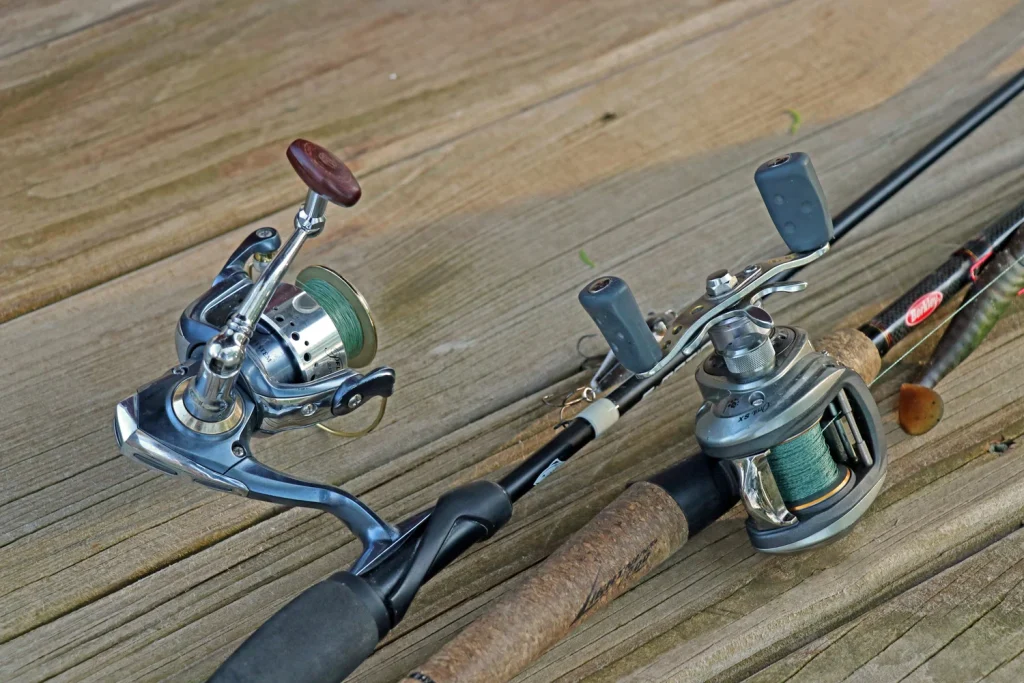
Setting up your fish rod the right way can make all the difference between a frustrating day and a successful catch. If you want to spend less time untangling lines and more time reeling in fish, this guide is for you.
You’ll learn simple, clear steps that anyone can follow, even if you’re new to fishing. By the end, you’ll feel confident and ready to head out with a perfectly prepared rod. Let’s dive in and get your fishing gear set up like a pro!

Credit: windrider.com
Choosing The Right Rod
Selecting the right fishing rod is important for a good fishing experience. The rod you choose affects your control and success.
This guide helps you understand how to pick a rod based on type, fish species, length, and power.
Types Of Fishing Rods
Fishing rods come in several types. Each type suits different fishing methods and environments.
- Spinning Rods: Easy to use and good for beginners.
- Baitcasting Rods: Offer more control for experienced anglers.
- Fly Rods: Made for fly fishing in rivers and streams.
- Trolling Rods: Used for fishing from a moving boat.
Selecting Based On Fish Species
Different fish need different rods. Consider the fish size and strength when choosing.
| Fish Species | Recommended Rod Type | Power |
| Trout | Fly Rod | Light |
| Bass | Spinning Rod | Medium |
| Catfish | Baitcasting Rod | Heavy |
| Salmon | Trolling Rod | Medium-Heavy |
Considering Rod Length And Power
Rod length affects casting distance. Power shows how strong the rod is to handle fish.
- Length:Short rods (5-7 feet) are good for close fishing.
- Length:Long rods (8-12 feet) help cast far.
- Power:Light power rods suit small fish.
- Power:Heavy power rods work for big, strong fish.
Gathering Essential Equipment
Setting up a fish rod needs the right gear. Collecting the right equipment helps you fish better.
This guide covers fishing reels, lines, hooks, sinkers, and bobbers. Each part plays a key role.
Fishing Reel Options
Fishing reels hold and release the line. They control how you catch fish.
There are spinning reels, baitcasting reels, and spincast reels. Each fits different fishing styles.
- Spinning reels:Easy to use, good for beginners.
- Baitcasting reels:Offer control, best for experienced anglers.
- Spincast reels:Simple design, good for kids and casual fishing.
Fishing Line Types
Fishing lines connect the rod to the hook. Choose a line that suits your fishing needs.
Common lines include monofilament, fluorocarbon, and braided lines. Each has strengths.
- Monofilament:Stretchy and affordable, good for beginners.
- Fluorocarbon:Hard to see underwater, good for clear water.
- Braided:Very strong and thin, good for heavy fish.
Hooks, Sinkers, And Bobbers
Hooks catch the fish, sinkers add weight, and bobbers show bites. These parts work together.
Pick hooks by size and shape for your fish type. Sinkers help the bait sink to the right depth. Bobbers keep the bait floating and visible.
- Hooks:Sizes range from small to large; match fish size.
- Sinkers:Use split shot or egg sinkers for different depths.
- Bobbers:Choose round or slip bobbers for better bite detection.
Attaching The Reel To The Rod
Setting up your fishing rod correctly starts with attaching the reel. This step helps you cast better and fish with ease.
Focus on placing the reel in the right spot and making sure it stays secure on the rod. This keeps your gear stable while fishing.
Positioning The Reel Seat
The reel seat is the part of the rod where the reel fits. Place the reel foot into the seat carefully.
Align the reel so the handle is easy to reach and the reel sits straight with the rod guides. This helps you cast and retrieve smoothly.
- Check the reel seat size matches the reel foot
- Slide the reel foot into the seat from one side
- Make sure the reel is centered on the rod
- Position the handle for comfortable grip
Securing The Reel Firmly
Use the reel seat locking mechanism to hold the reel tightly. This prevents movement during casting or fighting fish.
Tighten the reel seat rings or screws without overdoing it. The reel should be stable but not damaged by too much pressure.
- Turn the locking rings clockwise to tighten
- Check the reel does not wobble or slide
- Test by holding the rod and moving the reel gently
- Adjust tightness if needed for a firm fit
Stringing The Rod
Stringing a fishing rod is an important skill for every angler. It helps prepare your rod for casting and catching fish.
This guide covers how to thread the fishing line through the guides and keep the right line tension.
Threading The Line Through Guides
Start by opening the bail arm on your fishing reel. Then pull out some fishing line from the spool.
Take the end of the line and pass it through each guide on the rod, starting from the bottom to the tip.
- Open the bail arm to release the line.
- Pull out enough line to thread through guides.
- Insert the line through the first guide near the reel.
- Continue threading through all guides up to the tip.
- Make sure the line runs smoothly without tangles.
Ensuring Proper Line Tension
Keeping the right tension on the line is key to good casting and control. Too loose or too tight can cause problems.
Hold the line firmly while winding it onto the reel. Keep steady pressure without pulling too hard.
- Apply gentle pressure on the line while reeling.
- Check that the line lays evenly on the spool.
- Adjust your grip if the line feels slack or too tight.
- Test the tension by pulling the line slightly before casting.
Tying The Knot
Tying the knot is a key skill for setting up your fishing rod. It holds your hook and lure firmly.
Knowing the right knots keeps your line strong and prevents losing fish.
Best Knots For Fishing
Some knots work better for fishing than others. Choose knots that are easy to tie and strong.
- Improved Clinch Knot: Easy and reliable for most lines
- Palomar Knot: Very strong and simple to tie
- Loop Knot: Allows more lure movement
- Berkley Braid Knot: Good for braided lines
Step-by-step Knot Tying
Follow these steps to tie an Improved Clinch Knot. It works well for many fishing needs.
- Thread the line through the hook eye.
- Wrap the tag end around the main line 5 times.
- Pass the tag end through the small loop near the hook.
- Then pass it back through the big loop created.
- Moisten the knot with water or saliva.
- Pull the tag end and main line to tighten the knot.
- Trim the excess tag end close to the knot.
Practice this knot until you can tie it quickly and tightly.

Credit: fishingbooker.com
Adding Terminal Tackle
Terminal tackle is the gear at the end of your fishing line. It helps catch fish and control your bait.
Adding the right terminal tackle makes fishing easier and more effective.
Attaching Hooks And Sinkers
Hooks catch the fish by piercing their mouth. Sinkers add weight to your line, helping it sink.
Attach hooks by tying a strong knot to the line. Add sinkers above the hook to control depth.
- Use a clinch knot to tie hooks securely
- Place sinkers 6 to 12 inches above the hook
- Choose sinker weight based on water depth and current
Using Bobbers And Lures
Bobbers float on water and show when a fish bites. Lures attract fish by imitating prey.
Attach bobbers above the hook to keep bait at the right depth. Tie lures directly to the line.
- Slide the bobber onto the line before tying the hook
- Adjust bobber position to match fish feeding depth
- Choose lures that match local baitfish or insects
Testing The Setup
Testing your fish rod setup is important before you start fishing. It helps you find problems and fix them early.
This guide will show you how to check the line movement and adjust the reel drag properly.
Checking Line Movement
Watch how the fishing line moves through the guides when you pull it. The line should flow smoothly without catching or sticking.
- Pull the line slowly and watch for snags.
- Check the guides for any cracks or rough spots.
- Make sure the line does not tangle around the guides.
- Test the line under light tension to simulate casting.
- Replace the line if it frays or knots easily.
Adjusting Reel Drag
The reel drag controls how much resistance a fish feels when pulling the line. Set it to avoid breaking the line or losing fish.
| Drag Setting | Use Case | Effect |
|---|---|---|
| Low | Light fish, small line | Less resistance, easier line pull |
| Medium | Average fish size | Balanced resistance and control |
| High | Large fish, strong line | More resistance, prevents line release |

Credit: www.youtube.com
Maintenance Tips
Proper care keeps your fishing rod ready for every trip. Regular maintenance stops damage and extends its life.
Follow simple steps to clean and store your gear safely. This helps avoid rust, dirt, and wear.
Cleaning Your Rod And Reel
After fishing, rinse your rod and reel with fresh water. This removes salt, sand, and dirt that cause damage.
- Use a soft cloth to wipe the rod and reel dry
- Check the reel for stuck debris and clean gently
- Apply reel oil or grease on moving parts
- Inspect the rod guides for cracks or rough spots
- Store the rod and reel only when fully dry
Storing Fishing Gear Properly
Store your fishing rod in a cool, dry place. Avoid direct sunlight and high humidity to prevent damage.
| Storage Tip | Reason |
| Keep rods upright or hanging | Prevents warping or bending |
| Store reels separately with covers | Protects from dust and dirt |
| Avoid stacking heavy items on gear | Stops breakage and deformation |
| Use rod sleeves or cases | Offers extra protection during transport |
Frequently Asked Questions
How Do I Assemble A Fishing Rod Correctly?
To assemble a fishing rod, start by attaching the reel securely. Next, thread the fishing line through each guide. Finally, tie a suitable knot to secure the hook or lure. Proper assembly ensures smooth casting and better fishing performance.
What Type Of Fishing Line Should I Use?
Choose a fishing line based on your target fish. Monofilament lines are versatile and affordable. Braided lines offer strength and durability. Fluorocarbon lines are nearly invisible underwater, ideal for clear water fishing.
How Do I Choose The Right Fishing Rod Length?
Select a rod length based on fishing style and location. Short rods (5-6 feet) suit tight spaces and precise casting. Longer rods (7-9 feet) are best for casting distance and surf fishing.
What Knots Are Best For Tying Fishing Hooks?
Popular knots include the improved clinch knot, Palomar knot, and loop knot. These knots are strong, reliable, and easy to tie. Practicing these knots ensures your hook stays secure during fishing.
Conclusion
Setting up a fish rod can be simple and rewarding. Start with the right rod and reel. Follow the steps carefully. Practice tying knots securely. Choose the right bait for your target fish. Cast smoothly and with patience. Check your line regularly for tangles.
Enjoy the peace of fishing and the thrill of a catch. With these basic skills, you’re ready for your fishing adventure. Remember, practice makes perfect. Happy fishing!