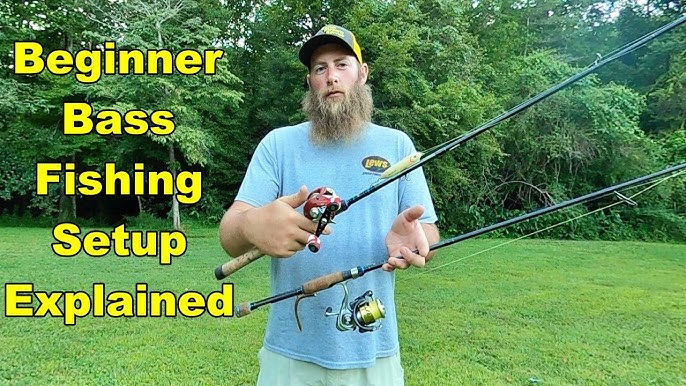
Are you ready to catch more bass on your next fishing trip? Setting up your fishing rod the right way can make all the difference between a slow day and a successful one.
Whether you’re a beginner or just need a quick refresher, this guide will walk you through simple steps to get your gear ready. By the time you finish reading, you’ll know exactly how to set up your fishing rod to attract more bass and enjoy every moment on the water.
Let’s dive in and get your fishing game strong!

Credit: fishingbooker.com
Choosing The Right Rod
Choosing the right fishing rod is key for catching bass. It helps you cast better and feel the fish bite.
The right rod makes fishing more fun and improves your chances to catch bass.
Types Of Rods For Bass Fishing
Bass fishing rods come in different types. Each type suits different fishing styles and conditions.
Spinning rods are great for beginners. Casting rods offer more control and power. Fly rods are for a special fishing style using light lures.
- Spinning Rods: Easy to use and good for light lures
- Casting Rods: Offer better accuracy and power
- Fly Rods: Used with lightweight flies for bass
Material And Length Considerations
Rods are made from graphite, fiberglass, or composite. Graphite rods are light and sensitive. Fiberglass rods are strong but heavier.
Length affects casting distance and control. Short rods (6-7 feet) give better control. Long rods (7-8 feet) help cast far.
- Graphite: Light and sensitive
- Fiberglass: Durable and heavier
- Composite: Mix of graphite and fiberglass
- Short rods: Easier to handle
- Long rods: Cast farther
Power And Action Explained
Power means how strong the rod is. It helps to handle different fish sizes. Action shows how fast the rod bends.
Light power rods suit small lures and small bass. Medium or heavy power rods work for bigger bass. Fast action rods bend near the tip. Slow action rods bend along the whole rod.
| Power | Best For |
|---|---|
| Light | Small lures, small bass |
| Medium | Average size bass |
| Heavy | Large bass, heavy cover |
- Fast Action: Bends near the tip, good for quick hook sets
- Moderate Action: Bends in the middle, good for general use
- Slow Action: Bends throughout, good for soft presentations
Selecting The Perfect Reel
Choosing the right reel is crucial for a successful bass fishing trip. The reel affects your casting distance and accuracy.
Let’s explore different aspects of selecting the perfect reel for bass fishing.
Spinning Vs Baitcasting Reels
Spinning reels are user-friendly and great for beginners. Baitcasting reels offer better control for advanced anglers.
- Spinning reels are easy to handle.
- Baitcasting reels provide more precise control.
- Consider your skill level when choosing.
Gear Ratio And Drag System
Gear ratio affects how fast you can retrieve the line. A good drag system helps fight big bass effectively.
| Gear Ratio | Line Retrieval Speed |
| 5.2:1 | Moderate |
| 6.4:1 | Fast |
| 7.1:1 | Very Fast |
Matching Reel To Rod
It’s important to match your reel with the right rod. This ensures balance and efficiency in your fishing setup.
Picking The Ideal Line
Choosing the right fishing line is key to catching bass. The line affects casting, strength, and sensitivity.
This guide covers three main line types and tips on strength, diameter, and knots for bass fishing.
Monofilament
Monofilament is a common fishing line. It is flexible and stretches, which helps absorb shocks from bass strikes.
This line type floats on water, making it good for topwater lures. It is also easier to tie knots with monofilament.
Fluorocarbon
Fluorocarbon is nearly invisible underwater. This helps avoid spooking the bass in clear water.
- It sinks faster than monofilament
- It resists abrasion well
- Less stretch than monofilament
Fluorocarbon works well for bass fishing with soft plastics and finesse presentations.
Braided Lines
Braided lines have little to no stretch. They offer high strength and sensitivity for bass anglers.
Because braided lines float and have a thin diameter, they allow longer casts and stronger hook sets.
Line Strength And Diameter
| Line Type | Recommended Strength (lb) | Typical Diameter (inches) |
| Monofilament | 8-12 | 0.012-0.018 |
| Fluorocarbon | 8-12 | 0.011-0.017 |
| Braided | 20-30 | 0.008-0.012 |
Choose line strength based on bass size and cover type. Thinner diameters cast easier and appear less visible.
Knot Selection For Bass
Strong knots keep your line secure and avoid breakage when fighting bass. Use knots suited for your line type.
- Palomar Knot:Great for braided lines; simple and very strong.
- Improved Clinch Knot:Works well with monofilament and fluorocarbon.
- Uni Knot:Versatile for all line types and easy to tie.
Attaching The Line And Setting Up
Setting up your fishing rod for bass starts with attaching the line properly. This helps you cast smoothly and catch fish easily. Follow the right steps to prepare your gear.
We will cover spooling the reel, tying strong knots, and adjusting the drag. Each step is important for a good fishing experience.
Spooling The Reel Correctly
Spooling the reel with line means winding the fishing line tightly and evenly on the reel. This prevents tangles and helps you cast far.
- Attach the line to the reel spool with an arbor knot.
- Keep tension on the line with your fingers while winding.
- Wind the line slowly to fill the spool evenly.
- Stop when the line is about 1/8 inch from the spool edge.
Tying Strong Knots
Strong knots keep your hook or lure secure. A weak knot can let the fish escape.
- Thread the line through the hook eye.
- Make five turns around the standing line.
- Pass the tag end through the loop near the eye.
- Pull the knot tight and trim the tag end.
Adjusting The Drag
The drag controls how much resistance the fish feels when it pulls the line. Set it right to avoid broken lines or lost fish.
| Drag Setting | Purpose |
| Loose | Allows line to pull easily; good for light fish |
| Medium | Balanced pull; good for most bass fishing situations |
| Tight | Hard to pull line; use for strong, heavy fish |
Choosing The Right Lures And Baits
Setting up your fishing rod for bass starts with picking the right lures and baits. The right choice helps you catch more fish and enjoy your time on the water.
Bass react differently to lures and baits depending on the season, water, and weather. Knowing which lure to use is key to success.
Top Lure Types For Bass
Some lures are better for bass fishing because they mimic the bass’s natural prey. Using the right lure can attract bass more easily.
- Crankbaits: These dive to different depths and look like small fish.
- Plastic Worms: Soft and flexible, they work well in many conditions.
- Spinnerbaits: They flash and spin, catching bass attention quickly.
- Jigs: Good for fishing near the bottom or around cover.
- Topwater Lures: Create surface noise and movement to attract strikes.
Matching Lures To Conditions
Different water and weather conditions need different lures. Matching lures to these conditions makes fishing easier.
In clear water, use natural colors like green or brown. In murky water, bright colors or lures that make noise work best.
- Sunny days: Use lures that flash or reflect light.
- Cloudy days: Use dark or bright colors that stand out.
- Cold water: Slow your lure movement and use smaller sizes.
- Warm water: Use faster retrieves and larger lures.
Using Live Bait Effectively
Live bait can be very effective for bass because it looks and smells natural. It often attracts bass faster than artificial lures.
Use live bait like minnows, nightcrawlers, or crayfish. Keep the bait lively on the hook to attract bass attention.
- Hook the bait so it can move naturally in the water.
- Use a float or sinker depending on where bass feed.
- Change live bait often to keep it fresh and active.
- Fish near cover where bass like to hide.
Rod Handling And Casting Techniques
Setting up your fishing rod correctly helps you catch more bass. Good rod handling and casting skills make fishing easier and fun.
This guide explains how to hold your rod and cast well for better results on the water.
Proper Grip And Stance
Hold the rod firmly but not too tight. Use your dominant hand on the handle and your other hand to support the rod near the reel.
Stand with your feet shoulder-width apart. Keep your knees slightly bent to stay balanced.
- Use a relaxed grip to avoid fatigue
- Point your toes slightly toward the water
- Keep your body steady while casting
Casting Tips For Accuracy
Look at your target before casting. Aim carefully to place the lure where bass like to hide.
Use smooth and controlled motions. Avoid jerky movements to keep your cast straight.
- Keep your elbow close to your body
- Use your wrist to flick the rod tip
- Practice short casts to improve control
Retrieving Methods
Retrieve your lure with steady speed to attract bass. Change your speed to find what works best.
Try pausing or twitching the lure. This makes the bait look alive and can trigger strikes.
- Use a slow, steady retrieve for deep water
- Try quick pulls in shallow areas
- Pause briefly to mimic injured prey
Maintenance And Care Tips
Taking care of your fishing rod helps it last longer. Proper maintenance keeps the rod working well for bass fishing.
Simple steps like cleaning and storing your gear correctly can prevent damage. Knowing how to fix common problems saves time and money.
Cleaning Your Gear
After each fishing trip, rinse your rod and reel with fresh water. This removes salt, dirt, and debris that can cause wear.
- Use a soft cloth to wipe down the rod.
- Clean the guides carefully to avoid damage.
- Lubricate moving parts on the reel.
- Dry everything completely before storing.
Storage Best Practices
Store your fishing rod in a dry place away from direct sunlight. Heat and moisture can weaken the rod and cause rust on metal parts.
| Storage Tip | Why It Matters |
| Keep rod upright or in a rod rack | Prevents bending or warping |
| Use rod covers or sleeves | Protects from dust and scratches |
| Avoid heavy pressure on rod | Stops damage to blank and guides |
| Store in cool, dry place | Prevents corrosion and material breakdown |
Troubleshooting Common Issues
If your reel is stiff or noisy, check for dirt or lack of lubrication. Clean the reel and apply proper oil to fix it.
- Inspect guides for cracks or bends that affect line flow.
- Replace damaged line to avoid breaks while fishing.
- Tighten loose reel seats to keep the reel secure.
- Check the drag system and adjust if it slips.

Credit: www.youtube.com

Credit: fishingbooker.com
Frequently Asked Questions
How Do I Choose The Right Rod For Bass Fishing?
Select a medium to medium-heavy rod, 6 to 7 feet long. This length offers good control and casting distance. Choose a rod with fast action for better sensitivity and hook setting. Match the rod to your lure weight and fishing style.
What Type Of Reel Is Best For Bass Fishing?
A baitcasting reel is ideal for bass fishing due to accuracy and power. Spinning reels work well for beginners or lighter lures. Ensure the reel has a smooth drag system to handle strong bass runs efficiently.
How Do I Properly Rig My Fishing Rod For Bass?
Start with a strong line, typically 8-15 lb test. Attach a suitable lure or bait using a reliable knot like the improved clinch. Adjust the drag to allow smooth line release. Use a leader if fishing in heavy cover or clear water.
What Is The Best Line Strength For Bass Fishing?
Use 8-15 lb test line for most bass fishing situations. Lighter lines improve lure action and sensitivity. Heavier lines offer better abrasion resistance in dense cover or heavy structure. Match line strength to your rod and reel specifications.
Conclusion
Setting up your fishing rod for bass fishing is simple with the right steps. Choose the correct rod, reel, and line for best results. Attach the lure properly and adjust your drag to avoid losing fish. Practice casting to improve your accuracy and control.
Enjoy the process and spend time near water to learn more. Catching bass becomes easier as you gain experience. Keep your gear ready and stay patient. Fishing is about fun and learning every day. Try these tips on your next trip and see the difference.