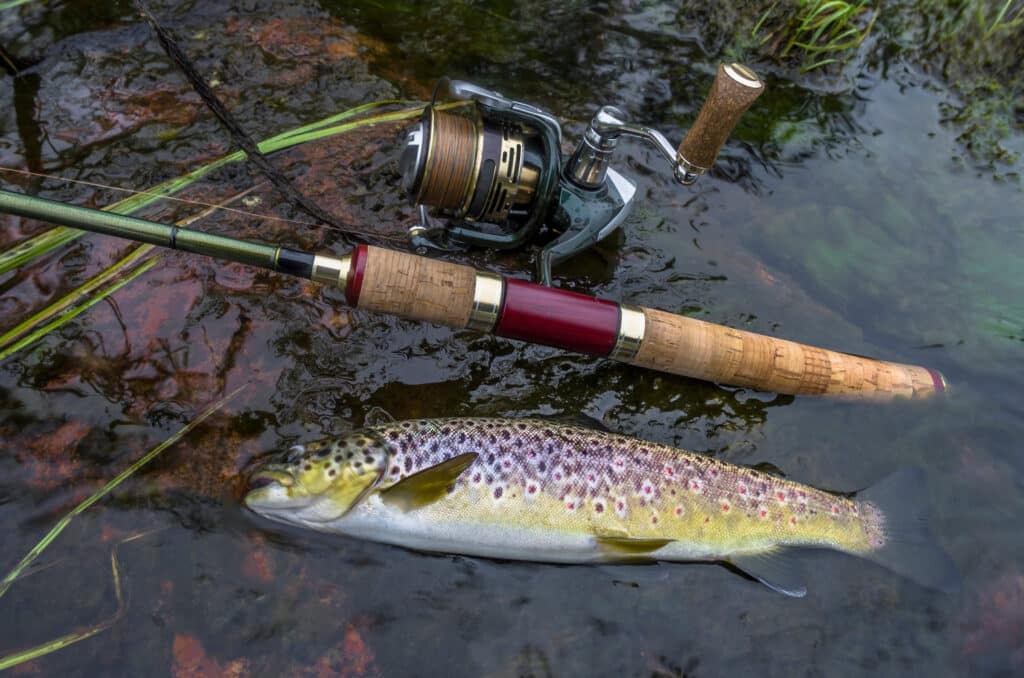
Are you ready to catch more trout on your next fishing trip? Setting up your fishing rod the right way can make all the difference between a frustrating day and a successful one.
Whether you’re a beginner or just need a quick refresher, this guide will walk you through each step clearly and simply. By the end, you’ll feel confident and prepared to land that perfect catch. Keep reading, because the secret to better trout fishing starts with how you set up your rod.

Credit: www.chromecatchers.com
Choosing The Right Rod
Picking the right fishing rod is important for trout fishing. It helps you cast better and catch fish more easily.
Different rods work best in different waters and fishing styles. Choose one that fits your needs.
Rod Length And Power
Rod length affects how far you can cast your line. Longer rods cast farther but are harder to control.
Power means how strong the rod is. Light power rods are good for small trout. Medium power rods work for bigger fish.
- Short rods (5-6 feet): Easy to control, good for small streams
- Medium rods (6-7 feet): Versatile for different waters
- Light power: Best for small trout and delicate bites
- Medium power: Good for larger trout and heavier lures
Material And Action
Rods are made from different materials like fiberglass and graphite. Graphite rods are lighter and more sensitive.
Action describes how the rod bends. Fast action rods bend near the tip. Slow action rods bend along the whole rod.
- Fiberglass: Durable and flexible, good for beginners
- Graphite: Light and sensitive, good for feeling bites
- Fast action: Better for quick hook sets and long casts
- Slow action: Good for gentle casting and small baits
Handle Types
Handles come in cork or foam. Cork is comfortable and offers good grip. Foam handles are durable and easier to clean.
Choose a handle that feels good in your hand. The right grip helps you fish longer without discomfort.
- Cork: Lightweight, comfortable, and good for cold weather
- Foam: Durable, easy to clean, and good for wet conditions
- Full handle: Offers more grip area
- Split handle: Lighter and better for casting control
Selecting The Ideal Reel
Choosing the right reel is essential for trout fishing. It affects your casting and catching success.
Understanding different reel types helps you make an informed decision.
Spinning Vs Baitcasting
Spinning reels are popular among beginners. They are easy to use and handle light lines well.
Baitcasting reels offer more control and precision. They are suitable for experienced anglers.
- Spinning reels are user-friendly.
- Baitcasting reels provide better accuracy.
- Choose based on your skill level.
Drag System Importance
The drag system controls the resistance on the line. It helps in battling strong trout.
A smooth drag prevents line breakage. It ensures a better fishing experience.
| Drag Type | Best For |
| Front Drag | Heavy-duty fishing |
| Rear Drag | Easy adjustments |
Line Capacity
Line capacity determines how much line your reel can hold. It is crucial for long casts.
Adequate line capacity allows flexibility in different fishing situations.
Picking The Best Line
Choosing the right fishing line helps you catch more trout. The line affects how you feel the bite and how the fish fight.
Different lines work better in different water and weather. Learn which line fits your trout fishing style.
Monofilament Vs Fluorocarbon Vs Braided
Monofilament line is soft and stretches well. It is easy to handle and good for beginners.
Fluorocarbon line sinks faster and is less visible underwater. It is good for clear water and spooky trout.
Braided line is very strong and thin. It has no stretch, so you feel every movement.
- Monofilament: stretchy, cheap, good knot strength
- Fluorocarbon: invisible, sinks, abrasion resistant
- Braided: strong, thin, no stretch, visible
Line Strength For Trout
Trout need a light to medium line strength. Use line that breaks between 4 and 8 pounds.
Too heavy line can scare trout. Too light line might break on sharp rocks or big fish.
- 4-6 lb test line works well for small to medium trout
- 6-8 lb test line is better for big trout or rough conditions
- Match the line strength to the water and trout size
Line Color And Visibility
Line color affects how much trout see your line. Clear or green lines are less visible in water.
Bright colored lines help you see your line above water. Choose color based on water clarity and light.
- Clear lines blend well in clear water
- Green lines match river or lake colors
- Bright colors like yellow help you track line movement
Choosing Hooks And Baits
Setting up your fishing rod for trout starts with the right hooks and baits. The right choice helps catch more fish and makes fishing easier.
Trout can be picky, so knowing what hooks and baits to use is important. This guide covers hook sizes, live bait, and artificial lures for trout fishing.
Hook Size And Type
Choose hooks that match trout size and bait type. Small to medium hooks work best for trout fishing. Circle hooks and bait hooks are popular choices.
| Hook Size | Best Use |
| Size 8-10 | Small baits, small trout |
| Size 4-6 | Medium baits, average trout |
| Size 1-2 | Large baits, big trout |
| Circle Hooks | Live bait, reduces fish injury |
| Bait Hooks | Holding worms or other natural bait |
Live Bait Options
Live bait attracts trout with natural movement and scent. Worms, minnows, and insects are common live baits to use.
- Nightcrawlers: Easy to find and effective
- Minnows: Great for larger trout
- Grasshoppers: Good in summer months
- Crickets: Work well in clear water
Artificial Lures
Artificial lures mimic natural prey and come in many shapes and colors. Use spinners, spoons, or soft plastics to tempt trout.
- Spinners: Flash and vibration attract trout
- Spoons: Reflect light and imitate small fish
- Soft Plastics: Flexible and lifelike
- Flies: Imitate insects on or near water surface
Setting Up The Rig
Setting up your fishing rig correctly helps catch trout more easily. It involves tying strong knots, adding the right weights and bobbers, and using proper rigging techniques.
Each part plays a role in making your line stable and sensitive to bites. Let’s look at the key steps for setting up your rig.
Tying Knots
Knots hold your hook, swivel, and lure firmly. Use simple, strong knots to avoid losing fish.
- Tie a Palomar knot to attach your hook.
- Use an improved clinch knot to secure the swivel.
- Make sure knots are tight and neat to prevent slipping.
Adding Weights And Bobbers
Weights help your bait sink to the right depth. Bobbers keep your bait floating or show when a fish bites.
| Type | Purpose | Placement |
| Split shot weight | Sinks bait slowly | Above the hook |
| Slip sinker | Lets fish take bait freely | On main line above swivel |
| Float bobber | Keeps bait suspended | Above weights |
Rigging Techniques
Choose a rig style that fits the fishing spot and trout behavior. Common rigs include float rigs, bottom rigs, and drop-shot rigs.
- Keep the line length short for fast currents.
- Use a swivel to prevent line twist.
- Check your rig often for damage or tangles.
Casting And Retrieval Tips
Setting up your fishing rod for trout is key to a good catch. Proper casting and retrieval help you place the bait well and attract fish.
Learn simple tips on casting, adjusting retrieval speed, and reading water to improve your trout fishing.
Casting Techniques
Use smooth and controlled casting to avoid scaring trout. Aim for quiet landings near structures where trout hide.
- Keep your rod tip low during the cast
- Use a sidearm cast for better control
- Practice roll casting for tight spaces
- Pause briefly after the cast to let the bait settle
Adjusting Retrieval Speed
Changing your retrieval speed can trigger strikes. Trout respond to different speeds based on weather and water temperature.
| Retrieval Speed | Best Conditions |
| Slow | Cold water, low trout activity |
| Medium | Normal weather, active trout |
| Fast | Warm water, aggressive trout |
Reading Water Conditions
Look at the water to find where trout hide and feed. Water color and flow affect how you fish.
| Water Condition | Fishing Tip |
|---|---|
| Clear and Calm | Use light line and natural bait colors |
| Cloudy or Murky | Choose bright lures and faster retrieval |
| Fast Flowing | Cast upstream and retrieve with the current |
| Slow Flowing | Use slow retrieval and let bait drift naturally |
Maintaining Your Gear
Keeping your fishing rod and reel in good shape helps you catch more trout. Regular care stops damage and keeps your gear working well.
Simple maintenance tasks can extend the life of your fishing equipment. Clean and check your gear after each trip to stay ready.
Cleaning And Storage
Clean your rod and reel after every use. Remove dirt, mud, and salt to stop rust and wear.
Store your fishing rod in a dry place away from sunlight. Use a rod holder or rack to avoid bending or damage.
- Rinse gear with fresh water
- Use a soft cloth to dry
- Keep rods off the floor
- Store reels with loose drag
Replacing Line And Hooks
Replace your fishing line often to avoid breaks. Old line gets weak and can snap easily.
Check hooks for rust or dullness. Swap them out to keep your bait sharp and ready.
- Change line every few fishing trips
- Use the right line strength for trout
- Replace hooks if they bend or rust
- Keep extra hooks and line in your tackle box
Regular Rod And Reel Checks
Look over your rod and reel before and after fishing. Catch small problems early to avoid big repairs.
Check for loose guides, worn reel parts, and smooth drag. Fix issues to keep your gear working well.
- Inspect rod guides for cracks or bends
- Test reel handle and spool for smoothness
- Lubricate reel parts as needed
- Tighten any loose screws or fittings

Credit: www.youtube.com

Credit: www.youtube.com
Frequently Asked Questions
What Is The Best Fishing Rod For Trout Fishing?
The best fishing rod for trout is lightweight and sensitive. A 6 to 7-foot rod with light action is ideal. It helps detect subtle bites and offers better control. Choose a rod that matches your fishing style and local trout species.
How Do I Set The Fishing Line For Trout?
Use a 4-6 lb test monofilament or fluorocarbon line for trout. Tie the line securely to the rod’s reel. Adjust the drag system to allow smooth line release when a trout bites. This prevents line breakage and increases catch rates.
Which Reel Is Best For Trout Fishing?
A spinning reel is best for trout fishing. It is easy to use and lightweight. Match the reel size to the rod for balance. Choose reels with smooth drag systems for better control during fights.
How To Choose The Right Bait For Trout?
Select live bait like worms or artificial lures like spinners. Match bait size and color to local trout preferences. Change bait based on water conditions and season. Proper bait increases your chances of attracting trout.
Conclusion
Setting up your fishing rod for trout is simple and rewarding. Choose the right rod, line, and hook carefully. Attach your reel and test the drag for smooth action. Tie knots securely to avoid losing fish. Practice casting to improve accuracy and distance.
Patience and practice bring better results each time. Enjoy the process as much as catching trout. Keep learning and adjusting gear as needed. Happy fishing!