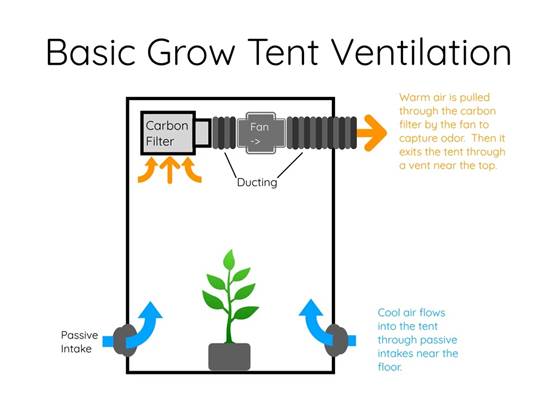
Setting up proper ventilation in your grow tent is one of the most important steps to ensure your plants thrive. If you want healthy, strong growth and to avoid common problems like mold and heat stress, getting your ventilation right is a must.
But where do you start? How do you choose the right fans, filters, and airflow setup that fits your space and plants? In this guide, you’ll discover simple, clear steps to set up your grow tent ventilation like a pro.
By the time you finish reading, you’ll have the confidence to create the perfect environment for your plants to flourish. Keep reading—your plants will thank you!
Choosing The Right Grow Tent
Setting up good ventilation in a grow tent starts with picking the right tent. The tent size and quality affect airflow and plant health.
Choosing the right tent helps keep temperature and humidity steady. It also makes installing fans and filters easier.
Size And Space Considerations
Pick a grow tent size that fits your growing area. A tent too small limits air movement and plant growth.
Leave space for ventilation parts like fans and ducts. Good airflow needs room to work well inside the tent.
- Allow extra space for equipment installation
- Choose size based on number of plants
- Consider height for light and fan setup
- Ensure room for airflow around plants
Material And Build Quality
Strong materials keep the grow tent stable and sealed. This helps control air and prevents light leaks.
Look for tents with thick fabric and sturdy frames. A well-built tent supports ventilation equipment safely.
- Choose tents with lightproof fabric
- Check for strong zippers and seams
- Metal frames offer better support than plastic
- Good seals prevent air leaks and pests
Essential Ventilation Components
Proper ventilation is key for a healthy grow tent environment. It controls temperature, humidity, and air quality. This helps plants grow strong and avoids problems like mold.
This guide covers the main parts you need for good ventilation. Learn about fans, vents, and filters to keep your grow tent fresh and clean.
Inline Fans And Exhaust Systems
Inline fans push air out of the grow tent to remove heat and stale air. Exhaust systems include these fans plus ducting to guide air outside. They keep the tent cool and oxygen-rich.
- Choose a fan size that fits your tent volume
- Use ducting to direct air outdoors
- Install fan speed controllers for airflow control
- Place fans near the top to remove hot air
- Seal all gaps to prevent air leaks
Intake Vents And Passive Airflow
Intake vents let fresh air enter the grow tent. Passive airflow works by pulling air in naturally as the fan pushes air out. This keeps air moving without extra energy use.
| Component | Purpose | Placement |
| Intake Vent | Bring fresh air in | Near the bottom of tent |
| Passive Airflow | Allow air to flow naturally | Unblocked vents or mesh openings |
| Screen or Filter | Block pests and dust | Cover intake vents |
Carbon Filters For Odor Control
Carbon filters clean the air by removing odors and harmful particles. They attach to inline fans and trap smells before air leaves the tent. This keeps your grow discreet.
- Use activated carbon for best odor control
- Replace filters regularly to maintain airflow
- Match filter size to fan size
- Install filter before the fan in the airflow path
Planning Your Ventilation Setup
Proper ventilation is vital for grow tents. It keeps plants healthy and controls temperature.
Planning your ventilation setup helps you create the right air flow inside the tent.
Determining Air Exchange Rates
Air exchange rate means how often the air inside the tent is replaced each minute. This keeps fresh air flowing and removes heat and humidity.
- Measure your grow tent’s volume in cubic feet (length × width × height).
- Choose the number of air changes per minute, usually 1 to 3 times.
- Calculate the needed fan capacity in cubic feet per minute (CFM) by multiplying volume by air changes.
Positioning Fans And Filters
Place exhaust fans near the top of the tent since hot air rises. Intake fans or vents go near the bottom for fresh air.
| Equipment | Best Position | Purpose |
| Exhaust Fan | Top of tent | Remove hot, stale air |
| Carbon Filter | Attached to exhaust fan | Remove odors |
| Intake Fan/Vent | Bottom of tent | Bring fresh air in |
Managing Air Intake And Exhaust
Balance the intake and exhaust to keep pressure stable inside the tent. Too much exhaust can cause negative pressure and collapse the tent.
Tips for air intake and exhaust management:
- Use passive intake vents if you want quiet operation.
- Use active intake fans to control fresh air flow.
- Install adjustable fan speed controllers for better airflow control.
- Seal all gaps except intake vents to avoid unwanted air leaks.

Credit: www.fl420grow.com
Installing Ventilation Equipment
Proper ventilation is key to a healthy grow tent. Installing the right equipment keeps air moving and plants healthy.
This guide explains how to mount fans, seal ducts, and handle wiring safely.
Mounting Fans Securely
Secure fan mounting prevents noise and vibration. Use strong brackets or straps made for grow tents.
Place fans away from plants but where airflow covers the whole tent.
- Use rubber mounts or vibration pads to reduce noise
- Attach fans to frame bars or ceiling bars
- Check fan stability before powering on
Sealing And Insulating Ducts
Seal ducts tightly to avoid air leaks. Use duct tape or clamps for strong seals.
Insulate ducts to keep air temperature steady. This helps plants grow better.
- Wrap ducts with foam or reflective insulation
- Seal all joints and connections
- Inspect ducts regularly for holes or damage
Wiring And Power Supply Tips
Use safe wiring to prevent electrical hazards. Choose cables rated for your equipment’s power.
Keep wires organized and away from water or heat sources.
- Use waterproof connectors if needed
- Do not overload power strips or outlets
- Label wires for easy identification
- Turn off power before working on wiring
Optimizing Airflow And Temperature
Good airflow and temperature control keep your grow tent healthy. Proper ventilation helps plants grow strong. It stops heat and moisture from building up inside.
Use the right tools and methods to balance air and temperature. This guide shows simple ways to improve ventilation in your grow tent.
Using Oscillating Fans Inside Tent
Oscillating fans move air evenly in the tent. They stop hot spots and help plants breathe. Place fans at different heights for best results.
- Set fans to oscillate slowly for gentle airflow
- Place one fan near the plants and another near the tent walls
- Keep fans off direct contact with plants to avoid stress
- Clean fans regularly to maintain good airflow
Controlling Humidity Levels
Humidity affects plant health and growth speed. High humidity can cause mold. Low humidity slows down growth. Use tools to keep humidity just right.
| Humidity Level | Effect | Control Method |
| Below 40% | Dry air, slow growth | Use humidifier |
| 40% – 60% | Ideal for most plants | Use dehumidifier or humidifier |
| Above 60% | Risk of mold and mildew | Use dehumidifier, increase airflow |
Maintaining Ideal Temperature Range
Temperature controls plant metabolism and water use. Keep daytime temperatures between 70°F and 85°F. Nighttime temperatures should be cooler but not less than 60°F.
- Use exhaust fans to remove hot air
- Bring fresh air in with intake vents
- Use heaters or air conditioners if needed
- Check temperature daily with a reliable thermometer
Monitoring And Maintenance
Proper ventilation keeps your grow tent healthy. Regular checks help your system work well. Monitoring and maintenance prevent problems early.
Focus on cleaning parts, checking for leaks, and assessing performance. These tasks keep air flowing right and plants growing strong.
Cleaning Filters And Fans
Clean filters and fans often to remove dust and debris. This helps air move freely and stops damage to your equipment.
- Turn off and unplug the fan before cleaning.
- Use a soft brush or cloth to wipe fan blades.
- Rinse filters with water and let them dry fully.
- Replace filters if they look worn out or damaged.
- Clean at least once a month for best results.
Checking For Air Leaks
Air leaks reduce ventilation efficiency. Find leaks by feeling for airflow or using a smoke test around seams and vents.
| Leak Location | How to Check | Fix Method |
| Seams and Zippers | Run hand along edges | Seal with duct tape |
| Fan Ducts | Watch for air escaping | Tighten connections |
| Vent Openings | Use smoke to see airflow | Adjust covers or flaps |
Regular Performance Assessments
Check your ventilation system’s performance often. This keeps air fresh and plants healthy.
- Measure airflow with an anemometer or airflow meter.
- Listen for unusual noises from fans or motors.
- Check temperature and humidity inside the tent.
- Note any changes in plant health or growth.
- Adjust fan speed or vent positions as needed.
Troubleshooting Common Issues
Proper ventilation in a grow tent is key to healthy plants. Sometimes problems arise that affect air flow, temperature, or noise levels. Knowing how to fix these issues helps keep your tent environment balanced.
This guide covers common ventilation problems and easy ways to solve them. You can improve your grow tent setup by addressing these frequent challenges.
Dealing With Excess Heat
Too much heat can harm plants and slow growth. It often happens when the ventilation system is not working well or the fan size is too small for the tent volume.
- Check if the exhaust fan is running at full power.
- Increase the fan size if it cannot move enough air.
- Use a carbon filter to remove hot air efficiently.
- Keep lights away from plants to reduce heat buildup.
- Open extra vents if your tent has adjustable openings.
Reducing Noise And Vibration
Loud fans and vibration can disturb your space and scare plants. Noise usually comes from unbalanced or cheap equipment, while vibration happens if fans are not secured properly.
| Cause | Solution |
|---|---|
| Loose fan mount | Tighten screws or use rubber mounts |
| Unbalanced fan blades | Clean blades or replace the fan |
| Cheap fan model | Upgrade to a quieter brand |
| Vibrations on hard surfaces | Place foam pads under the fan |
Fixing Poor Air Circulation
Stale or stagnant air causes mold and weak plants. Poor circulation means air does not flow well inside the tent. This can happen if fans are blocked or positioned incorrectly.
- Make sure intake and exhaust vents are open and not blocked.
- Use oscillating fans inside the tent to move air around plants.
- Keep cords and equipment away from airflow paths.
- Position fans to push air from the bottom to the top of the tent.
- Clean fans and vents regularly to avoid dust buildup.

Credit: canadagrowsupplies.com

Credit: www.reddit.com
Frequently Asked Questions
What Is The Best Fan For Grow Tent Ventilation?
The best fan for grow tent ventilation is an inline fan. It efficiently circulates air, maintaining optimal temperature and humidity. Choose a fan with adjustable speed settings for flexibility. Ensure it’s the right size for your tent, ensuring effective air exchange.
How Do I Control Humidity In A Grow Tent?
Control humidity in a grow tent by using a hygrometer to monitor levels. Utilize dehumidifiers to reduce excess moisture. Increase airflow with fans to prevent mold. Adjust watering schedules to avoid over-saturation of plants. Consider using silica gel packs for smaller spaces.
Why Is Ventilation Important In A Grow Tent?
Ventilation is crucial in a grow tent because it regulates temperature and humidity. It prevents mold and mildew, ensuring healthy plant growth. Proper ventilation supplies fresh carbon dioxide, vital for photosynthesis. It also removes stale air, enhancing overall air quality for plants.
How Often Should I Replace Grow Tent Filters?
Replace grow tent filters every 6 to 12 months, depending on usage. Regular replacement ensures efficient air purification and odor control. Monitor filter condition for signs of clogging or reduced airflow. Clean or replace pre-filters more frequently to extend the main filter’s life.
Conclusion
Setting up grow tent ventilation is key for healthy plants. Good airflow controls temperature and humidity well. It helps prevent mold and pests from growing. Use fans and vents to keep air fresh inside. Check your system often to ensure it works right.
Proper ventilation makes your plants grow strong and fast. Start with simple steps, then adjust as needed. You will see better results with clean, fresh air. Keep your grow tent ventilated for a successful harvest.