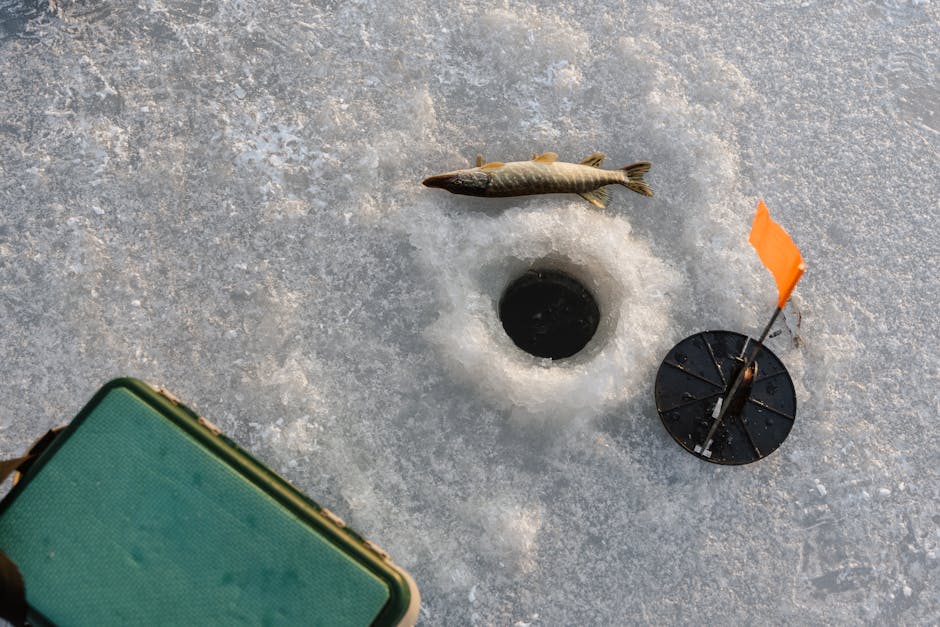
Setting up your ice fishing rod the right way can make all the difference between a great catch and a frustrating day on the ice. If you want to enjoy every moment and increase your chances of success, it’s important to get your gear ready properly.
In this guide, you’ll discover simple steps that will have your rod ready quickly and correctly, even if you’re new to ice fishing. Keep reading, and you’ll soon feel confident and prepared to reel in those winter trophies!
Choosing The Right Rod
Picking the correct ice fishing rod is key for a good experience. The rod you choose affects your control and catch success.
This guide covers types of rods, length and power, and materials to help you decide.
Types Of Ice Fishing Rods
Ice fishing rods come in several types, each for different fishing styles and fish sizes.
- Jigging rods: Short and sensitive for small bites and quick action.
- Tip-up rods: Used with tip-up devices, often longer for better line control.
- Spinning rods: Versatile and good for many fishing methods under ice.
Rod Length And Power
Length affects control and ease of use. Short rods are easier near holes. Longer rods reach farther or deeper.
| Rod Length | Best Use |
| 24 inches or less | Close-range jigging |
| 24 to 36 inches | General purpose fishing |
| 36 inches or more | Tip-up fishing and longer reach |
Power refers to rod strength. Light power rods detect small bites. Medium power rods handle larger fish.
Material Considerations
Rod materials affect weight, sensitivity, and durability. Common materials include graphite, fiberglass, and composite blends.
- Graphite:Lightweight and sensitive but can be brittle.
- Fiberglass:Strong and flexible but heavier.
- Composite:Mix of graphite and fiberglass, balancing weight and strength.
Selecting The Reel
Choosing the right reel is important for ice fishing. It can affect your fishing success and enjoyment.
There are different types of reels to consider. Each type has its own advantages. Below, we will explore these options.
Spinning Vs. Closed-face Reels
Spinning reels are versatile and popular. Closed-face reels are simpler to use. Let’s look at their features.
- Spinning Reels: Offer better control and longer casting distance.
- Closed-Face Reels: Easier to handle, ideal for beginners.
Line Capacity And Drag System
Line capacity affects the amount of line you can spool. The drag system helps in controlling fish.
| Feature | Spinning Reel | Closed-Face Reel |
| Line Capacity | Higher, good for big fish | Lower, suitable for small fish |
| Drag System | Advanced, precise adjustments | Simpler, basic settings |
Picking The Best Line
Choosing the right fishing line is very important for ice fishing. It helps you catch fish better and keeps your rod working well.
Good line choice depends on the type of fish and the ice fishing conditions. Let’s look at the main types of lines and their strength.
Monofilament Vs. Braided Line
Monofilament line is a single strand of nylon. It stretches more and is easier to handle in cold weather.
Braided line has many thin strands woven together. It is stronger and thinner but does not stretch much.
- Monofilament is good for beginners and small fish.
- Braided line works well for bigger fish and deep holes.
- Monofilament floats better under ice.
- Braided line is more sensitive to bites.
Line Strength For Ice Fishing
Choose a line strength that matches the fish size you want to catch. Stronger lines can hold bigger fish.
Too strong a line can scare fish, and too weak a line can break easily on a big catch.
| Fish Size | Line Strength (Pounds) |
|---|---|
| Small Fish (Panfish) | 4-6 lbs |
| Medium Fish (Trout, Walleye) | 6-10 lbs |
| Large Fish (Pike, Bass) | 10-20 lbs |
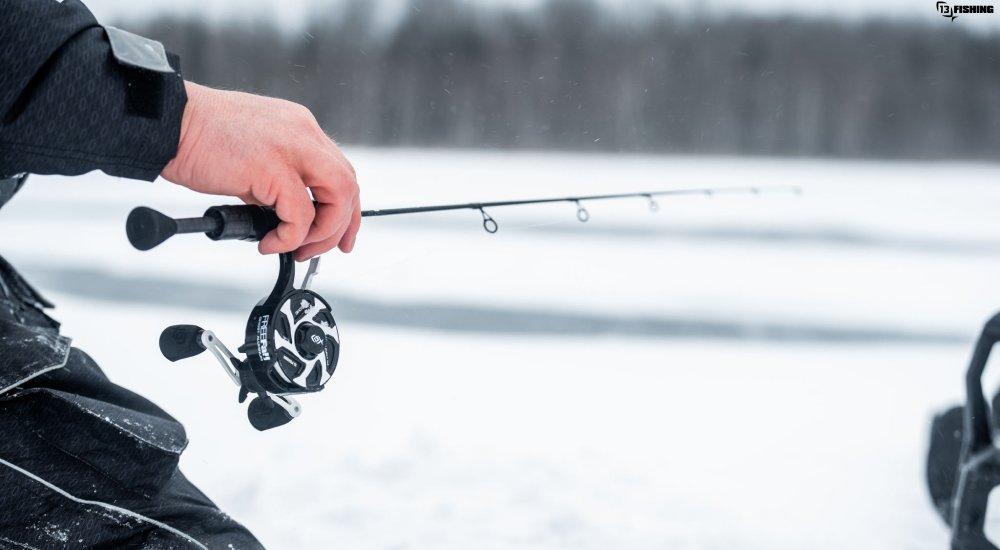
Credit: www.scheels.com
Attaching The Reel To The Rod
Attaching the reel to your ice fishing rod is an important task. A proper connection helps you fish with ease and control.
This guide covers the basics of the reel seat and tips on securing the reel firmly to the rod.
Reel Seat Basics
The reel seat is the part of the rod where the reel attaches. It holds the reel firmly in place.
- Locate the reel seat on the rod handle.
- Open the reel seat by unscrewing the locking rings.
- Place the reel foot into the seat, aligning it properly.
- Tighten the locking rings to hold the reel securely.
Securing The Reel Firmly
Make sure the reel is tightly secured to avoid wobbling or slipping during use.
| Action | Tip |
| Tighten locking rings | Do not overtighten to avoid damage |
| Check reel foot position | Keep it centered for balance |
| Test reel hold | Give a gentle shake to confirm stability |
| Re-tighten if needed | Adjust if the reel moves during the test |
Threading The Line
Threading the line on your ice fishing rod is a key step. It helps your line move smoothly and catch fish better.
Take your time to do it right. This will stop problems while fishing under the ice.
Guides And Line Path
Start by threading the line through each guide on the rod. Guides are the small loops along the rod.
Make sure the line goes through the guides from the reel to the tip. This path keeps the line straight and strong.
- Hold the line firmly as you pass it through each guide
- Check that the line is not twisted inside the guides
- Keep the line tight but not too tight
- Pass the line through the tip guide last
Avoiding Twists And Snags
Twists and snags can break your line or cause bad casts. Avoid them by keeping the line straight.
Let the line unwind smoothly from the reel. Do not pull it too fast or force it through the guides.
- Use your fingers to remove twists as you thread
- Check the reel for line twists before starting
- Keep the line clean and dry to prevent snags
- Replace the line if it has many knots or damage

Credit: www.youtube.com
Tying Effective Knots
Tying knots correctly is key for ice fishing success. Strong knots keep your line secure and prevent fish from escaping.
This guide covers two important knots: the Improved Clinch Knot and the Palomar Knot. Learn how to tie them step-by-step.
Improved Clinch Knot
The Improved Clinch Knot is popular for attaching the fishing line to the hook or lure. It is reliable and easy to tie.
- Thread the line through the hook eye.
- Wrap the line around itself 5 to 7 times.
- Pass the tag end through the small loop near the eye.
- Then, pass the tag end through the big loop created.
- Pull both ends to tighten the knot.
- Trim the tag end close to the knot.
Palomar Knot
The Palomar Knot is strong and simple. It works well with braided and monofilament lines for ice fishing.
| Step | Action |
|---|---|
| 1 | Double about 6 inches of line and pass it through the hook eye. |
| 2 | Tie a loose overhand knot with the doubled line. |
| 3 | Pass the hook through the loop of the overhand knot. |
| 4 | Pull on both the standing line and tag end to tighten the knot. |
| 5 | Trim the tag end close to the knot. |
Choosing The Right Lure
Picking the right lure is key to a good ice fishing trip. The lure must attract the fish in cold water. This guide helps you select lures that work best for ice fishing.
Different lures suit different fish and ice conditions. Knowing your options will help you catch more fish under the ice.
Types Of Ice Fishing Lures
There are many types of lures for ice fishing. Each lure type has a unique way to attract fish under the ice. Choose lures based on how they move and look.
- Jigs:Small, weighted lures that move up and down to mimic prey.
- Spoons:Metal lures that flash and wobble to catch fish attention.
- Soft Plastics:Flexible lures shaped like worms or minnows.
- Blade Baits:Vibrate in the water to trigger strikes from active fish.
- Swimbaits:Imitate the swimming action of small fish.
Matching Lures To Fish Species
Different fish prefer different lures. Matching lures to fish species increases your catch chance. Use the right lure color, size, and action for each fish.
| Fish Species | Recommended Lure Type | Best Color |
| Walleye | Jigs, Soft Plastics | Chartreuse, White |
| Perch | Spoons, Small Jigs | Yellow, Orange |
| Pike | Swimbaits, Large Spoons | Green, Silver |
| Trout | Blade Baits, Small Jigs | Pink, Blue |
| Crappie | Soft Plastics, Tiny Jigs | White, Chartreuse |

Credit: www.youtube.com
Setting Up The Rod For Sensitivity
Setting up your ice fishing rod for sensitivity helps you feel the smallest bites. This setup increases your chance to catch fish under the ice.
Focus on balancing tension and using proper supports to keep your rod steady and responsive.
Adjusting Tension And Balance
Proper tension on your ice fishing rod lets you detect light taps from fish. Balance keeps your rod steady and reduces false alarms.
- Set the reel drag low for easy line movement.
- Keep the line taut but not too tight to sense bites.
- Hold the rod at a comfortable angle to reduce hand fatigue.
- Adjust rod balance by adding or removing weights if needed.
- Test the tension by tapping the line gently before fishing.
Using Rod Holders And Supports
Rod holders keep your ice fishing rod steady and free your hands. Supports help reduce movement from wind or vibrations.
| Type of Holder | Best Use | Benefits |
| Tripod Holder | Stable on uneven ice | Adjustable height and angle |
| Bank Stick | Quick setup on flat ice | Lightweight and portable |
| Handheld Support | Active fishing with constant movement | Better control of rod sensitivity |
Maintaining Your Equipment
Keeping your ice fishing rod in good shape helps it last longer. Proper care prevents damage and keeps it ready for cold water.
Follow simple steps to clean and store your rod. Also, protect it from cold weather problems.
Cleaning And Storage Tips
After each trip, clean your rod to remove dirt and moisture. This stops rust and wear on parts.
- Wipe down the rod with a dry cloth.
- Use mild soap and water if it is very dirty.
- Dry all parts completely before storage.
- Loosen the drag on your reel to avoid spring damage.
- Store the rod in a cool, dry place away from direct sunlight.
Preventing Cold Weather Damage
Cold can crack the rod or freeze the reel. Protect your equipment by checking it before and after use.
| Damage Type | Prevention Tip |
| Rod cracking | Keep rod away from freezing temperatures when not in use |
| Reel freezing | Use reel covers and store indoors |
| Line brittleness | Replace line regularly and avoid leaving it exposed |
| Handle damage | Use rod socks or cases for extra protection |
Frequently Asked Questions
How Do I Choose The Right Ice Fishing Rod?
Select a rod based on fish species and fishing style. Shorter rods, around 24-30 inches, offer better control on ice. Choose sensitive materials like graphite for better bite detection. Consider rod power and action for handling different fish sizes effectively.
What Is The Best Reel For Ice Fishing Rods?
Use a small, lightweight reel designed for ice fishing. Spinning reels are popular for their ease of use and versatility. Ensure the reel has a smooth drag system to handle fish fights under ice conditions.
How Do I Set Up The Fishing Line On An Ice Rod?
Use a low-stretch, strong line like fluorocarbon or braided line. Spool the line evenly on the reel to prevent tangles. Attach a sensitive leader line to detect subtle bites effectively on ice.
How To Attach The Bait To An Ice Fishing Rod?
Use small hooks suitable for the targeted fish species. Thread live bait or artificial lures carefully to ensure natural movement. Secure the bait firmly to prevent it from falling off in the water.
Conclusion
Setting up your ice fishing rod does not have to be hard. Follow the steps carefully and check each part. Make sure the reel, line, and bait are ready. Keep your rod steady and watch for fish bites. Practice helps you get better and enjoy fishing more.
Stay safe and dress warmly on the ice. With patience and care, your ice fishing trips will be fun and successful. Give it a try and enjoy the quiet beauty of winter fishing.