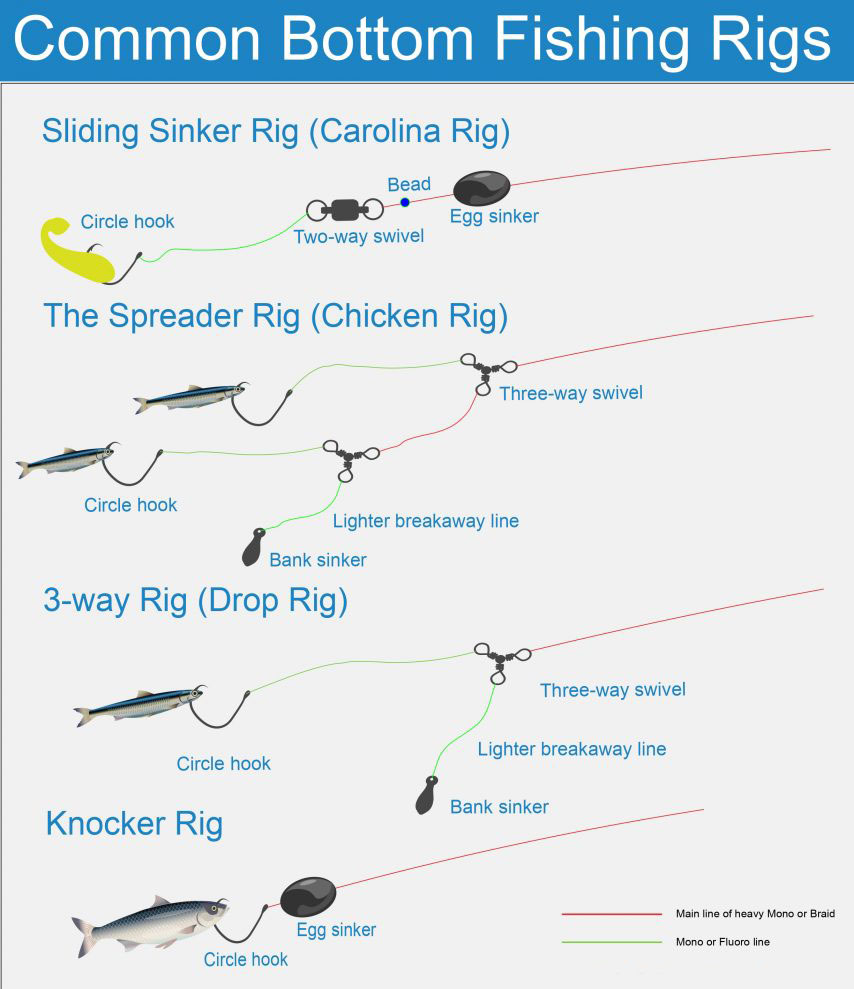
If you want to catch more bass, setting up your fishing line the right way is key. The right line can make a big difference between a missed bite and a trophy catch.
But how do you know which line to use and how to set it up for the best results? This guide will walk you through simple steps to get your line ready, so you can focus on what matters – reeling in bass after bass.
Keep reading to discover tips that will boost your confidence and improve your fishing game.

Credit: bassonline.com
Choosing The Right Line
Setting up the right line for bass fishing is important. Different lines serve different purposes in fishing.
Understanding the types of lines helps you make better choices. This guide covers line types, strength, and water conditions.
Monofilament Vs. Fluorocarbon Vs. Braided
Monofilament is stretchy and good for beginners. It is also affordable and easy to handle.
Fluorocarbon is nearly invisible underwater. It is great for clear water fishing.
Braided line is strong and thin. It works well in heavy cover and deep water.
- Monofilament: Stretchy, affordable, easy to use
- Fluorocarbon: Invisible, best for clear water
- Braided: Strong, thin, best for deep water
Line Strength And Test Weight
Line strength is measured in pounds. Choose a line that matches the fish size you target.
Heavier lines can handle bigger fish but are more visible. Lighter lines are less visible but may break easier.
| Fish Type | Line Strength (lbs) |
| Small Bass | 6-10 |
| Medium Bass | 10-15 |
| Large Bass | 15-20 |
Considering Water Conditions
Water conditions affect line choice. Clear water calls for less visible lines like fluorocarbon.
Muddy water allows for more visible lines. Choose based on the water clarity where you fish.
- Clear Water: Use fluorocarbon for less visibility
- Muddy Water: Monofilament or braided lines are fine
- Heavy Cover: Braided line is best for strength
Selecting Line Diameter
Choosing the right line diameter is key for bass fishing success. The diameter affects how the line behaves in water and air.
Different diameters suit different fishing styles and gear. Understanding this helps improve your catch rate.
Impact On Casting Distance
Thinner lines generally allow longer casts. They create less air resistance and pass through guides easily. Thicker lines may reduce casting distance but offer more strength.
Choose a diameter that balances your need for casting far and line durability.
Sensitivity And Visibility
- Thinner lines increase sensitivity. You can feel bites and bottom structure better.
- Thicker lines reduce sensitivity and may hide subtle bites.
- Line visibility affects fish behavior. Clear lines are less visible but may be less durable.
- Colored lines help track your line above water but might scare fish.
Matching Line To Rod And Reel
| Line Diameter | Rod Power | Reel Size |
| 2-6 lb test (thin) | Light | Small |
| 8-12 lb test (medium) | Medium | Medium |
| 14-20 lb test (thick) | Heavy | Large |
Match your line diameter to your rod’s power and reel size. This ensures smooth casting and prevents gear damage.
Knot Selection And Tying
Choosing the right knot is very important for bass fishing. A strong knot keeps your line secure and helps catch more fish.
Tying knots correctly makes your fishing line last longer. It also prevents losing your catch due to weak knots.
Best Knots For Bass Fishing
Some knots work better than others for bass fishing. Pick knots that hold well and are easy to tie.
- Palomar Knot: Strong and simple, great for braided line.
- Improved Clinch Knot: Common and reliable for monofilament line.
- Uni Knot: Versatile and good for many line types.
- Loop Knot: Lets the lure move freely, attracting bass.
Tips For Stronger Knots
Making your knots stronger means less chance of breaking. Use these tips to improve your knot strength.
- Wet the line before tightening to reduce friction.
- Pull the knot tight slowly and evenly.
- Trim the tag end close but not too short.
- Practice tying knots to improve speed and accuracy.
Avoiding Common Knot Mistakes
Many anglers lose fish because of knot mistakes. Avoid these errors to keep your line strong.
- Do not skip wetting the line before tightening.
- Avoid using the wrong knot for your line type.
- Do not leave long tag ends that can tangle.
- Check knots often for signs of wear or slipping.

Credit: www.youtube.com
Line Maintenance And Storage
Keeping your bass fishing line in good shape helps you catch more fish. Proper care stops damage and makes the line last longer.
Follow simple tips for cleaning, drying, and storing your line. These habits protect your gear and improve fishing success.
Preventing Line Damage
Avoiding damage to your fishing line keeps it strong. Handle the line carefully and watch for rough spots or sharp edges.
- Check your rod guides for cracks or sharp edges.
- Do not drag the line over rocks or rough surfaces.
- Replace the line if you see frays or cuts.
- Use line conditioners to reduce friction and wear.
- Avoid knots that are too tight or complicated.
Cleaning And Drying Techniques
Cleaning your fishing line removes dirt and salt that cause damage. Drying it well stops mildew and weak spots from forming.
| Cleaning Step | How to Do It |
| Rinse | Use fresh water to wash off salt and dirt. |
| Wipe | Gently wipe the line with a soft cloth. |
| Dry | Let the line air dry fully before storing. |
| Inspect | Look for damage or wear after drying. |
Proper Storage To Extend Line Life
Store your fishing line in a cool, dark place. Avoid heat and sunlight that weaken the line fibers.
- Keep the line on the reel or spool without tension.
- Use sealed containers or bags to block dust and moisture.
- Do not store near chemicals or solvents.
- Label your line with the date you started using it.
- Replace old line after a year or if you find damage.
Adjusting Line Setup For Techniques
Setting up your fishing line correctly helps you catch more bass. Different techniques need different line setups. Adjusting your line can improve your casting, lure action, and fish control.
Choosing the right line strength and type depends on the fishing style you use. Let’s look at how to adjust line setup for popular bass fishing techniques.
Topwater And Surface Fishing
Topwater fishing needs light and sensitive line. A thinner line helps you feel small strikes on the surface. It also lets your lure move naturally with less resistance.
Use a line test between 6 and 12 pounds. Fluorocarbon or braided line with a fluorocarbon leader works well. The line should be light enough for easy casting but strong enough to handle sudden strikes.
- Light line improves lure action on the surface
- Fluorocarbon leader adds invisibility in clear water
- Strong enough to handle quick bass strikes
Jigging And Bottom Fishing
Jigging needs a line that resists abrasion and has good sensitivity. Bass near the bottom can be tricky to detect, so feel is important. Choose a line that lets you feel the jig’s contact with the bottom.
A 10 to 15-pound fluorocarbon line is a good choice. It sinks fast and is tough against rough surfaces. Braided line with a fluorocarbon leader also works well to combine strength and sensitivity.
- Fluorocarbon sinks faster for better jig control
- Higher test strength resists bottom snags
- Sensitivity helps detect subtle bites
Using Line For Heavy Cover
Fishing in heavy cover like weeds or brush needs strong, durable line. Bass hide in thick areas, so you must pull them out carefully. Use a line that resists breaks and cuts.
Braided line with a test strength of 20 to 50 pounds works best in heavy cover. The thin diameter and high strength help you cast farther and pull bass from thick spots. Add a fluorocarbon leader for invisibility near the fish.
- High test braided line for strength and abrasion resistance
- Thin diameter for better casting distance
- Fluorocarbon leader to avoid spooking bass
Troubleshooting Line Issues
Fishing line problems can ruin your bass fishing experience. Fixing these issues helps you catch more fish and avoid frustration.
Common problems include line twist, tangles, and breakage. Learning how to handle these can improve your time on the water.
Reducing Line Twist And Tangles
Line twist makes casting hard and can cause knots. Use a swivel to stop the line from spinning during the retrieve.
Avoid overfilling your reel spool. Leave some space to prevent tangles. Cast smoothly and avoid sudden stops.
- Use quality swivels to reduce twist
- Do not fill the spool too full
- Keep tension on the line when reeling
- Check line for knots often
Dealing With Line Breakage
Line breakage happens when the line is weak or damaged. Check for small cuts or worn spots before fishing.
Use the right line strength for your bait and fishing spot. Avoid dragging line over sharp rocks or branches.
- Inspect line for nicks and abrasions
- Match line strength to the fish size
- Replace line if it feels rough or weak
- Keep line away from sharp edges
When To Replace Your Line
Replace your fishing line regularly. Old line loses strength and can break easily. A fresh line improves your catch rate.
Change line after many fishing trips or if it looks faded, scratched, or tangled. Fresh line casts farther and performs better.
- Replace line every few months or after heavy use
- Change line if it has visible damage
- Swap line if it loses its smoothness
- Use fresh line for important fishing trips

Credit: mysterytacklebox.com
Frequently Asked Questions
What Is The Best Line Type For Bass Fishing?
Monofilament and fluorocarbon lines are popular for bass fishing. Monofilament offers stretch and buoyancy, while fluorocarbon is nearly invisible underwater and abrasion-resistant. Choose based on water clarity and fishing conditions for better results.
How Do I Choose The Right Line Strength For Bass?
Select a line strength of 8-12 lbs for most bass fishing. Light lines offer better lure action, while heavier lines provide more control in thick cover. Match the line strength to your fishing environment and bass size.
How Should I Spool My Fishing Line Properly?
Attach the line to the reel spool with an arbor knot. Wind the line evenly and tight, avoiding twists. Fill the spool to about 1/8 inch from the edge to prevent tangles and ensure smooth casting.
When Should I Replace My Bass Fishing Line?
Replace your line after several uses or if you see frays or nicks. Also, change line if it loses strength or becomes discolored. Regular replacement prevents line breaks and improves your chances of landing bass.
Conclusion
Setting up your line right makes bass fishing more fun and effective. Choose the right line type and strength for your fishing spot. Tie your knots carefully to avoid losing fish. Keep your line clean and check it often for damage.
Practice casting to feel how your line behaves. These simple steps help you catch more bass. Enjoy your time on the water and keep learning. Good line setup builds confidence and success in bass fishing. Try different setups and find what works best for you.