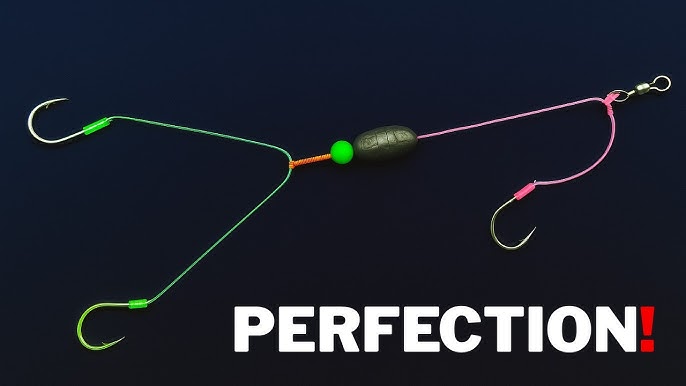
Setting up your fishing line the right way can make all the difference between a quiet day and a great catch. If you’ve ever felt confused about which line to use or how to tie it properly, you’re not alone.
But don’t worry—this guide will walk you through every step clearly and simply. By the time you finish reading, you’ll know exactly how to set up your line so you can focus on what really matters: enjoying the thrill of fishing and landing that perfect catch.
Ready to improve your fishing game? Let’s dive in.
Choosing The Right Fishing Line
Picking the right fishing line is key for a good fishing trip. The line must match the type of fish and fishing style.
Different lines have different strengths and uses. Knowing these helps you catch fish without breaking your line.
Types Of Fishing Lines
There are three main types of fishing lines: monofilament, fluorocarbon, and braided. Each has special features.
- Monofilament:Stretchy and easy to handle. Good for beginners.
- Fluorocarbon:Hard to see underwater and sinks fast.
- Braided:Very strong and thin. Does not stretch much.
Line Strength And Test Ratings
Line strength is shown by its test rating. The test rating tells how many pounds the line can hold.
Choose a test rating that fits the size of fish you want to catch. Stronger fish need higher test lines.
| Test Rating (lbs) | Best For |
|---|---|
| 2-6 | Small fish like panfish and trout |
| 6-12 | Medium fish like bass and walleye |
| 12-20 | Larger fish like pike and catfish |
| 20+ | Big fish like salmon and saltwater species |
Selecting Line For Different Fish Species
Different fish need different lines. Use lighter lines for small fish and heavier lines for big fish.
- Use light monofilament for small trout and panfish.
- Choose fluorocarbon for clear water and cautious fish.
- Use braided line for strong fish like bass or saltwater species.
- Match line strength to fish size to avoid line breaks.
Preparing Your Fishing Line
Preparing your fishing line is an important step before you start fishing. It helps to avoid problems like line breaks and tangles.
Good preparation ensures your line works well and lasts longer on the water.
Inspecting Line For Damage
Check your fishing line carefully for any signs of wear or damage. Look for cuts, nicks, or weak spots along the line.
- Run the line through your fingers slowly to feel for rough spots.
- Look for discoloration that may show sun or saltwater damage.
- Check for frays near knots and the spool.
- Replace any line with visible damage to prevent breaks.
Cutting And Handling Line Properly
Cutting and handling your fishing line the right way helps keep it strong and ready for use.
| Tool | Purpose |
| Sharp scissors or line cutters | Make clean cuts without fraying the line |
| Line spooler | Helps to wind line evenly on the reel |
| Gloves | Protect hands and reduce line damage when handling |
Always cut the line straight and avoid pulling it too hard. Store the line away from direct sunlight and moisture.
Attaching The Line To The Reel
Attaching the fishing line to the reel is the first step for a good fishing setup. Doing this right helps the line stay secure and prevents problems while fishing.
Use a simple knot that holds tight and does not slip. This will make casting easier and keep the line strong.
Spooling Techniques
Spooling means winding the line onto the reel. It is important to spool the line evenly to avoid tangles and line damage.
Hold the line tight while you spool. Let the reel turn slowly to keep the line tight and neat.
- Start with a few wraps to secure the line to the reel.
- Keep the line tight as you spool the rest.
- Fill the reel spool almost to the edge but not overfull.
Avoiding Line Twist And Tangles
Line twist causes knots and weak spots. It can happen if the line spins or loops while you cast or spool.
Use simple steps to stop twists and tangles. This will help your line last longer and cast better.
- Attach the line to the reel spool so it does not spin freely.
- Keep the line under slight tension while spooling.
- Check for twists by letting the line hang before casting.
- Use swivel hooks to reduce line spin with lures.
Knot Tying For Secure Connections
Tying knots correctly is key for fishing success. Strong knots hold your line to hooks and lures.
Weak knots can break and cause lost fish. Learning good knots keeps your gear secure.
Popular Fishing Knots
Many fishing knots exist for different needs. Some knots work best for attaching hooks, others for joining lines.
Here are some popular knots every angler should know.
- Improved Clinch Knot: Great for tying line to hooks or lures.
- Palm Knot: Used for heavier lines and big fish.
- Palomar Knot: Simple and very strong for braided lines.
- Bimini Twist: Creates a strong loop for big game fishing.
- Surgeon’s Knot: Joins two lines quickly and securely.
Tips For Strong, Reliable Knots
Wet your line before tightening knots to reduce friction. This prevents weakening the line.
Pull knots tight and trim excess line close to the knot. Loose ends can catch or slip.
- Practice tying knots often to build skill and speed.
- Use the right knot for your line type and fishing style.
- Check knots regularly during fishing to avoid failures.
- Use quality fishing line for better knot strength.
Adjusting Line Tension And Drag
Setting the right line tension and drag helps you catch fish better. It controls how the line moves during casting and fighting fish.
Proper adjustment keeps the line from breaking and makes fishing easier and more fun.
Setting The Drag System
The drag system controls how much resistance a fish feels when pulling the line. Set it to avoid breaking the line.
Turn the drag knob to increase or decrease tension. Test by pulling the line with your hand until it slips.
- Start with low drag to protect thin lines
- Increase drag if fish pulls hard
- Keep drag steady during the fight
Balancing Line Tension For Casting
Line tension affects how far and smooth your cast will be. Too tight or too loose tension causes problems.
Adjust the reel spool tension knob to control the speed of the line release. Find the right balance for your rod and lure.
- Too tight tension makes short casts
- Too loose tension causes line tangles
- Test casting and adjust tension for smooth release

Credit: mysterytacklebox.com
Casting Techniques For Accuracy
Setting up your fishing line correctly helps you cast with better accuracy. Good casting lets you place the bait where fish are likely to bite.
Using the right techniques improves your control and helps avoid tangles. Practice these skills for better results on your fishing trips.
Basic Casting Methods
The overhead cast is the most common and simple technique. It works well for most fishing situations and gives good accuracy.
The sidearm cast is useful when you need to cast under obstacles or trees. It allows you to keep the line low and avoid snags.
- Overhead Cast:Lift the rod over your head and cast forward.
- Sidearm Cast:Swing the rod sideways for a low, controlled cast.
- Roll Cast:Use this in tight spaces to roll the line forward smoothly.
Tips For Distance And Precision
To cast far, use a smooth and steady rod movement. Let the line flow freely at the end of the cast.
For better precision, focus on your target. Aim the rod tip carefully and release the line at the right moment.
- Keep your wrist firm but flexible during the cast.
- Practice timing your line release for smoothness.
- Use lighter lures to improve distance and control.
- Adjust your stance to face your target directly.
Maintaining Your Fishing Line
Keeping your fishing line in good shape helps you catch more fish. Proper care stops damage and extends the line’s life.
Learn how to clean, store, and know when to change your line for the best fishing experience.
Cleaning And Storage
Cleaning your fishing line removes dirt and salt that weaken it. Store the line in a cool, dry place to avoid damage.
- Rinse the line with fresh water after each use
- Use a soft cloth to wipe off grime and salt
- Keep the spool away from direct sunlight
- Store the line loosely on the reel to prevent tangles
- Check the line for nicks or weak spots before storing
When To Replace Your Line
Fishing lines wear out from use and exposure. Replace your line if it shows signs of damage or loses strength.
| Sign of Wear | What to Do |
| Frays or nicks | Replace immediately |
| Line feels stiff or brittle | Change soon |
| Discoloration or fading | Inspect carefully |
| Line slips on the reel | Check for damage and replace if needed |

Credit: dronefishing.co.nz

Credit: greatdaysoutdoors.com
Frequently Asked Questions
How Do You Attach A Hook To A Fishing Line?
To attach a hook, thread the line through the hook’s eye. Then, wrap the line around itself five times and pass it back through the loop. Pull the knot tight to secure it. Trim any excess line to ensure a clean attachment.
What Fishing Line Is Best For Beginners?
Monofilament line is ideal for beginners. It’s affordable, easy to handle, and versatile for various fishing conditions. Its stretchy nature helps absorb shocks and reduces breakage. Choose a line strength that matches your target fish species for optimal results.
How Often Should I Replace My Fishing Line?
Replace your fishing line every six months to a year. This prevents breakage due to wear, UV exposure, or damage. Regularly inspect for any signs of fraying, nicks, or discoloration. Fresh line ensures better performance and increases your chances of a successful catch.
Why Is My Fishing Line Tangling?
Tangles often result from incorrect spooling or line twist. Ensure the line is loaded onto the reel properly, and avoid overfilling. Use a swivel to reduce line twist. Regularly check for tangles while fishing to maintain smooth casting and reeling.
Conclusion
Setting up fishing line well helps catch more fish. Choose the right line for your fishing type. Tie knots tightly to avoid losing fish. Check line strength before you start fishing. Keep your gear clean and ready always. Practice these steps for better fishing trips.
Enjoy your time by the water and stay patient. Fishing can be fun and relaxing with good preparation.