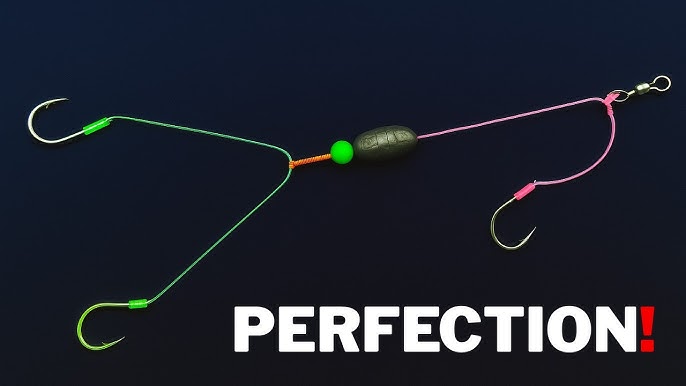
Are you ready to improve your fishing game? Knowing how to set up your fishing line correctly can make all the difference between a day of frustration and a day full of catches.
Whether you’re a beginner or looking to sharpen your skills, this guide will walk you through easy steps to get your line just right. By the time you finish reading, you’ll feel confident and prepared to tackle any fishing spot.
Let’s dive in and make sure your line is set up for success!
Choosing The Right Fishing Line
Choosing the right fishing line is important for a good fishing experience. The line affects how you cast and how strong your connection is to the fish.
You need to understand different types of lines, their strength, and which line works best for the fish you want to catch.
Types Of Fishing Lines
There are three common types of fishing lines: monofilament, fluorocarbon, and braided lines. Each type has its own uses and benefits.
- Monofilament:Soft and flexible, easy to handle, and good for beginners.
- Fluorocarbon:Almost invisible underwater, good for clear water fishing.
- Braided:Very strong with small diameter, good for heavy cover or deep water.
Line Strength And Diameter
Line strength is measured by its test, which shows how much weight it can hold before breaking. Diameter affects how far you can cast and how visible the line is.
| Line Type | Strength (lbs) | Diameter (inches) | Best Use |
| Monofilament | 4 – 20 | 0.008 – 0.018 | General fishing |
| Fluorocarbon | 6 – 25 | 0.009 – 0.020 | Clear water fishing |
| Braided | 10 – 80+ | 0.006 – 0.030 | Heavy cover, deep water |
Selecting Line For Target Fish
Choose your line based on the size and strength of the fish you want to catch. Use a line with enough strength to handle the fish without breaking.
- Small fish like panfish need light line, around 2 to 6 pounds.
- Medium fish like bass use 8 to 14-pound test line.
- Large fish like pike or catfish need strong line, over 20 pounds.
Preparing Your Fishing Reel
Setting up your fishing reel correctly is important for a successful fishing trip. A well-prepared reel helps in smooth casting and retrieval.
Follow these steps to ensure your reel is ready for your next adventure.
Cleaning And Inspecting The Reel
Before attaching a new line, clean and inspect your reel for any damage.
- Use a soft cloth to wipe the reel clean.
- Check for any rust or worn-out parts.
- Ensure the drag system is functioning properly.
Attaching The Line To The Reel
Secure the line to the reel using a knot that holds well.
- Open the bail arm of the reel.
- Thread the line through the guides on the rod.
- Tie the line to the spool using an arbor knot.
- Close the bail arm before starting to spool.
Spooling The Line Properly
Proper spooling prevents tangles and enhances casting performance.
| Step | Action |
| 1 | Hold the rod steady. |
| 2 | Apply tension to the line. |
| 3 | Turn the reel handle slowly to spool the line. |
| 4 | Ensure the line is evenly distributed on the spool. |
Adjusting Line Tension And Drag
Setting the right line tension and drag helps you catch fish more easily. It controls how the line moves when a fish pulls.
Too much tension can break the line. Too little tension lets the fish escape. Finding the balance is key.
Setting The Drag For Smooth Casting
The drag controls how much resistance the fish feels when pulling the line. Set it to let the line flow smoothly.
Start with a light drag and test it by pulling the line with your hand. Increase drag if the line pulls too freely.
- Turn the drag knob to tighten or loosen the drag.
- Too tight drag makes casting hard and may break the line.
- Too loose drag lets the fish pull too much line quickly.
- Adjust drag so the line pulls out smoothly under pressure.
Balancing Line Tension
Line tension is the force on your fishing line during casting and fighting fish. Keep it balanced for best results.
Too much tension causes line breakage. Too little tension reduces control over the fish.
- Keep a firm but gentle grip on the rod.
- Adjust your reel’s drag to match the tension needs.
- Watch the line to avoid slack or tight spots.
- Practice casting to feel the right tension balance.

Credit: mysterytacklebox.com
Techniques For Casting
Casting is a key skill for fishing with a rod and line. Good casting puts your bait where the fish are. It helps you fish farther and more accurately.
Learning simple casting methods improves your fishing experience. Use the right technique to avoid problems like tangles or line twists.
Basic Casting Methods
The most common way to cast is the overhead cast. Hold the rod with both hands, bring it back behind your shoulder, then swing it forward releasing the line at the right moment.
The sidearm cast is another method. It works well in windy conditions or when you need to cast under low branches. Swing the rod sideways instead of overhead.
- Overhead Cast: Good for distance and control.
- Sidearm Cast: Useful for tight spaces and wind.
- Roll Cast: Helps cast without much backspace.
Tips For Long And Accurate Casts
Long casts reach deeper or farther fish. Accuracy helps place bait near fish habitats. Both improve catch chances.
- Use smooth, steady rod motion to build speed.
- Release the line just as the rod passes forward.
- Keep your wrist firm to control direction.
- Practice timing to avoid early or late release.
- Check your line for tangles before casting.
Avoiding Line Twist And Tangles
Line twist and tangles cause frustration and lost fish. Use these tips to keep your line smooth and ready.
| Cause | Solution |
| Reeling against the drag | Stop reeling when fish pulls hard |
| Improper lure or bait setup | Use swivel to reduce twist |
| Poor line spooling | Spool line tightly and evenly |
| Casting with loose line | Keep line taut before cast |
Maintaining Your Fishing Line
Keeping your fishing line in good shape helps you catch more fish. Regular care stops the line from breaking or tangling.
Learn simple tips to check, replace, and store your fishing line correctly.
Checking For Wear And Tear
Look closely at your fishing line before each trip. Small cuts or frays can weaken the line and cause breaks.
Pay attention to spots where the line rubs against hooks or guides. These areas wear out faster.
- Inspect for nicks, cracks, or discoloration
- Run the line through your fingers to feel rough spots
- Check for stiffness or brittleness
Replacing Line When Needed
Change your fishing line if you find damage or after several uses. Old line loses strength and can break easily.
Use the right type and strength of line for your fishing style and the fish you want to catch.
- Replace line after 3-6 months of use
- Always replace if you see cuts or frays
- Choose line with proper test strength for your gear
Storing Line Properly
Keep your fishing line in a cool, dry place away from sunlight. Heat and UV rays can weaken the line over time.
Store your line on the reel or spool to avoid tangles and kinks.
- Avoid storing line in direct sunlight
- Keep line away from sharp objects
- Use a sealed container or bag to protect line from dust

Credit: greatdaysoutdoors.com

Credit: dronefishing.co.nz
Frequently Asked Questions
How Do I Choose The Right Fishing Line?
Choose fishing line based on fish type, water conditions, and rod strength. Monofilament suits beginners, fluorocarbon is invisible underwater, and braided lines offer high strength and sensitivity.
What Is The Best Way To Tie Fishing Line?
Use strong knots like the improved clinch knot or Palomar knot. These knots provide secure, reliable connections between the line and hook or lure, reducing line slippage and breakage.
How Do I Spool Fishing Line Correctly?
Attach the line to the reel spool, then keep tension while winding. Spool evenly and tightly to avoid tangles and ensure smooth casting and retrieval during fishing.
When Should I Replace My Fishing Line?
Replace fishing line after 3-6 uses or if it shows wear, frays, or damage. Fresh line improves casting distance, sensitivity, and reduces the risk of losing fish.
Conclusion
Setting up fishing line takes patience and care. Choose the right line for your fishing style. Tie knots tightly to avoid losing fish. Keep your line clean and check for damage often. Practice these steps to improve your fishing trips.
Small details make a big difference in success. Enjoy the time by the water and keep learning. Fishing becomes easier with each try. Stay calm and focused to catch more fish.