Are you ready to catch more fish on your next trip? Knowing how to set up lures for fishing can make all the difference between a quiet day and a successful one.
Setting up your lures the right way isn’t just about luck—it’s about understanding what attracts fish and how to present your bait effectively. In this guide, you’ll discover simple, step-by-step tips that will boost your confidence and improve your chances of landing that big catch.
Keep reading, and you’ll learn how to turn your fishing gear into a powerful tool that works for you every time.

Credit: www.youtube.com
Choosing The Right Lures
Picking the right lure is important for a good fishing trip. Different lures work better for certain fish and conditions.
Knowing how to choose lures can help you catch more fish and enjoy your time outdoors.
Types Of Fishing Lures
There are many types of lures. Each one moves differently in the water to attract fish.
Common lure types include hard baits, soft plastics, and spinnerbaits.
- Hard baits:Made of plastic or wood, they mimic small fish.
- Soft plastics:Flexible lures that look like worms or insects.
- Spinnerbaits:Metal blades spin to reflect light and create vibration.
- Jigs:Weighted lures with a hook, often dressed with hair or soft material.
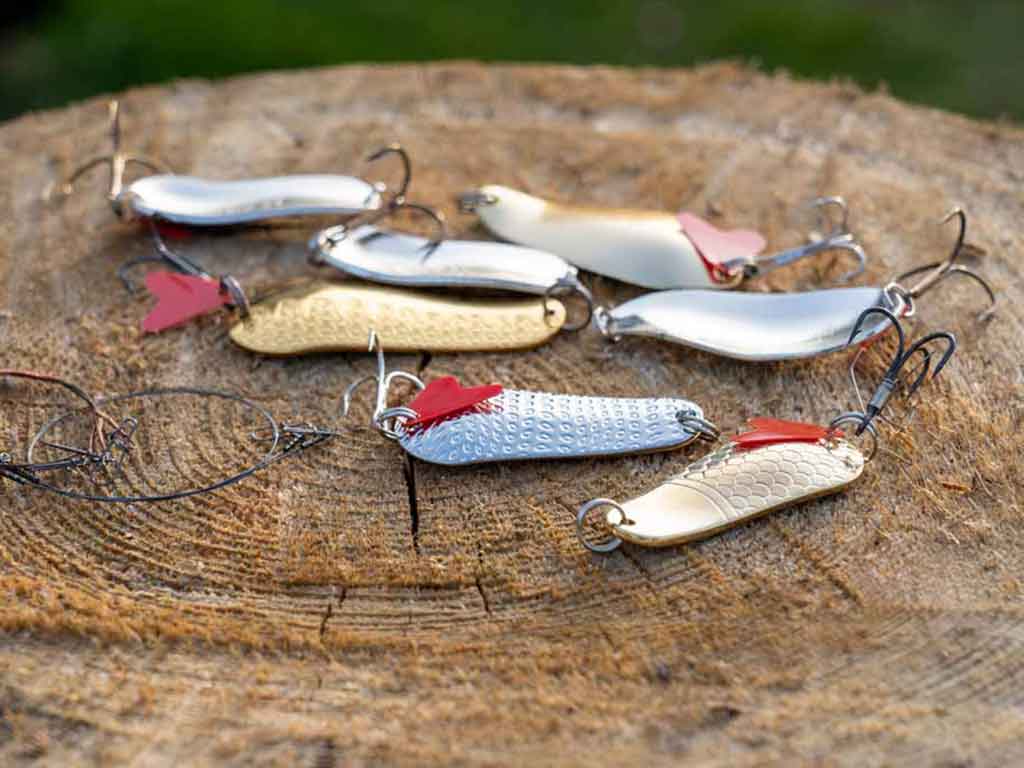
- Spoons:Curved metal lures that flash and wobble.
Matching Lures To Fish Species
Different fish prefer different types of food and movement. Matching lures to fish helps catch more.
For example, bass like soft plastics and spinnerbaits, while trout often take small spoons or flies.
- Bass:Soft plastics, spinnerbaits, jigs
- Trout:Small spoons, flies, spinners
- Walleye:Jigs, crankbaits
- Pike:Large spoons, big spinnerbaits
- Crappie:Small jigs, soft plastics
Considering Water Conditions
Water clarity and temperature affect which lure to use. Bright lures work well in clear water.
In murky water, use lures that create noise or vibration to help fish find them.
- Clear water:Natural colors, small lures
- Murky water:Bright colors, noisy or vibrating lures
- Cold water:Slow-moving lures
- Warm water:Fast-moving lures

Credit: www.lurenet.com
Preparing Your Fishing Gear
Setting up your fishing gear correctly helps you catch more fish. Start by choosing the right equipment for your fishing needs.
Preparing your gear carefully saves time and makes fishing more enjoyable. Here are key steps to get ready.
Selecting Appropriate Rods And Reels
Pick a rod that fits the type of fish you want. Light rods work well for small fish. Heavier rods are best for big fish.
Choose a reel that matches your rod. Spinning reels are easy for beginners. Baitcasting reels give more control.
Setting Up Your Fishing Line
Use the right fishing line for your rod and reel. Thinner lines are good for clear water. Stronger lines help catch big fish.
- Attach the line securely to your reel.
- Spool the line evenly on the reel.
- Check the line for any knots or weak spots.
- Adjust the drag setting on the reel to match fish size.
Attaching Hooks And Swivels
| Item | Purpose | Tips |
| Hook | Hold bait and catch fish | Choose size based on fish type |
| Swivel | Prevent line twisting | Use small swivels for light lines |
| Knots | Secure hooks and swivels | Use strong knots like Palomar or improved clinch |
Attach hooks and swivels firmly. Test knots to avoid losing fish. Keep your gear organized for quick changes.
Techniques For Rigging Lures
Rigging lures correctly helps catch more fish. It also keeps your gear safe and working well.
This guide covers basic rigging methods, secure knots, and adding weights or floats.
Basic Rigging Methods
Choose the right rig for your lure and fishing style. Common rigs include the Texas rig, Carolina rig, and drop shot rig.
- Texas Rig:A weedless setup good for thick cover.
- Carolina Rig:Great for deep water and moving baits.
- Drop Shot Rig:Holds the lure above the bottom for finesse fishing.
Using Knots For Secure Attachment
Strong knots keep your lure attached and prevent losing fish. Practice these easy knots.
- Improved Clinch Knot:Good for tying lures to the line.
- Palomar Knot:Simple and very strong for all types of lines.
- Loop Knot:Allows the lure to move freely for better action.
Adding Weights And Floats
Weights help your lure sink to the right depth. Floats keep it near the surface or at a set depth.
| Type | Purpose | Common Use |
| Split Shot | Add small weight without changing lure action | Light fishing, slow sinking |
| Bullet Weight | Sink fast and protect line in thick cover | Texas rig |
| Slip Sinkers | Allow lure to move naturally with current | Carolina rig |
| Float Bobbers | Keep lure suspended or visible on surface | Shallow water, live bait |

Credit: mysterytacklebox.com
Casting And Retrieving Strategies
Fishing with lures is an art that needs good casting and retrieving. These skills help you reach the right spot and attract fish.
Learn how to cast accurately and change your lure’s movement. This will make your fishing more effective.
Effective Casting Tips
Good casting places your lure where fish are likely to be. Control and accuracy are key to avoid tangled lines and lost fish.
- Use a smooth, steady motion for casting.
- Check wind direction and cast into or across the wind.
- Practice different casting distances for better range.
- Keep your rod tip low to avoid high arcs that scare fish.
- Always watch your lure during the cast to adjust as needed.
Varying Retrieval Speeds
Changing how fast you pull your lure can help catch more fish. Fish react differently to speed changes.
| Retrieval Speed | Effect on Fish |
| Slow | Attracts lazy or cold fish |
| Medium | Mimics natural swimming |
| Fast | Triggers reaction strikes |
| Stop and Go | Creates a wounded prey effect |
Imitating Prey Movements
Your lure should look like real prey. Fish bite more when lures move naturally.
Try these tips to copy prey:
- Twitch your rod tip to make the lure dart.
- Pause often to let the lure float or sink.
- Use side-to-side motions to mimic small fish.
- Match the lure color to local baitfish.
Adjusting Lures For Different Conditions
Fishing success depends on how well you adjust your lures. Different weather, water clarity, and seasons need different setups.
Understanding these changes helps you pick the right lure and catch more fish.
Adapting To Weather Changes
Weather affects fish behavior and lure performance. On sunny days, fish see lures better and may be picky.
Cloudy or rainy weather makes fish less cautious. Use brighter or slower lures to attract attention.
- Sunny days: use natural colors and fast retrieves
- Cloudy/rainy days: use bright colors and slow retrieves
- Windy conditions: choose heavier lures for casting distance
Fishing In Clear Vs. Murky Water
Water clarity changes how fish see your lure. In clear water, fish spot lures from far away.
In murky water, fish rely more on vibration and flash than color.
- Clear water: use natural colors and subtle action
- Murky water: use bright colors and lures that create vibration
- Use noise-making lures in very dark water
Seasonal Lure Adjustments
Fish change their feeding habits with the seasons. Adjust your lures to match their behavior.
In spring, fish are active and chase fast lures. In winter, they move slow and prefer slow, deep lures.
- Spring: use fast-moving, bright lures
- Summer: use natural colors and moderate speed
- Fall: use deep-diving lures and dark colors
- Winter: use slow, deep lures with subtle action
Maintaining And Storing Lures
Proper care of fishing lures keeps them effective and lasting longer. Cleaning and storing lures the right way avoids damage and rust.
Organizing your tackle box helps you find lures quickly and keeps them safe. Follow simple steps to maintain your lures well.
Cleaning After Use
Rinse lures with fresh water after fishing to remove dirt and salt. Use a soft brush to clean small parts and hooks carefully.
- Fill a container with warm water
- Soak lures for a few minutes
- Gently scrub with a soft brush
- Rinse thoroughly with fresh water
- Dry completely with a soft cloth
Preventing Damage And Rust
Keep lures dry before storing to stop rust on hooks and metal parts. Apply a light coat of oil on hooks to protect them from moisture.
| Action | Purpose |
| Dry lures fully | Prevent rust and corrosion |
| Use hook oil | Protect metal parts |
| Store in cool, dry place | Avoid damage from heat and humidity |
| Inspect lures regularly | Fix minor damage early |
Organizing Your Tackle Box
Sort lures by type, size, or color to save time during fishing trips. Use small containers or compartments to keep lures separated and safe.
- Label compartments for quick identification
- Keep sharp hooks covered
- Store soft plastic lures in sealed bags
- Check tackle box for moisture often
Frequently Asked Questions
How Do I Choose The Right Fishing Lure?
Select a lure based on the fish species, water conditions, and time of day. Match lure color and size to local baitfish for better attraction.
What Is The Best Way To Attach A Fishing Lure?
Tie your lure using a strong, reliable knot like the improved clinch knot. Ensure the knot is tight and trim excess line to avoid snagging.
How Do I Set Up Multiple Lures On One Line?
Use a dropper rig or a tandem rig to attach multiple lures. Space them evenly to prevent tangling and increase your catch chances.
When Should I Change My Fishing Lure?
Change lures if fish aren’t biting or water conditions shift. Switch colors, sizes, or types to match fish behavior and improve success.
Conclusion
Setting up lures properly can improve your fishing success. Choose the right lure for the fish you want to catch. Attach it securely to avoid losing it. Cast your line with care and watch how fish react. Adjust your lure’s movement to attract more bites.
Practice often to learn what works best. Enjoy the calm and fun of fishing outdoors. Small steps lead to better results each time. Keep experimenting and stay patient. Fishing with the right lure setup brings more joy.