If you want to catch more fish, knowing how to set up your lures correctly is key. The right setup can make all the difference between a quiet day on the water and a thrilling fishing adventure.
Imagine feeling the tug on your line and reeling in a big catch—that’s what you’re aiming for. In this guide, you’ll discover simple steps to prepare your lures so they work their best. By the end, you’ll have the confidence to attract fish like a pro and enjoy every moment on your fishing trip.
Keep reading, and let’s get your gear ready for success!

Credit: www.youtube.com
Choosing The Right Lure
Choosing the right lure is important for a good fishing experience. The right lure helps catch more fish and makes fishing fun.
You should think about the type of fish, water, and weather before picking a lure. This helps you choose the best one.
Types Of Lures
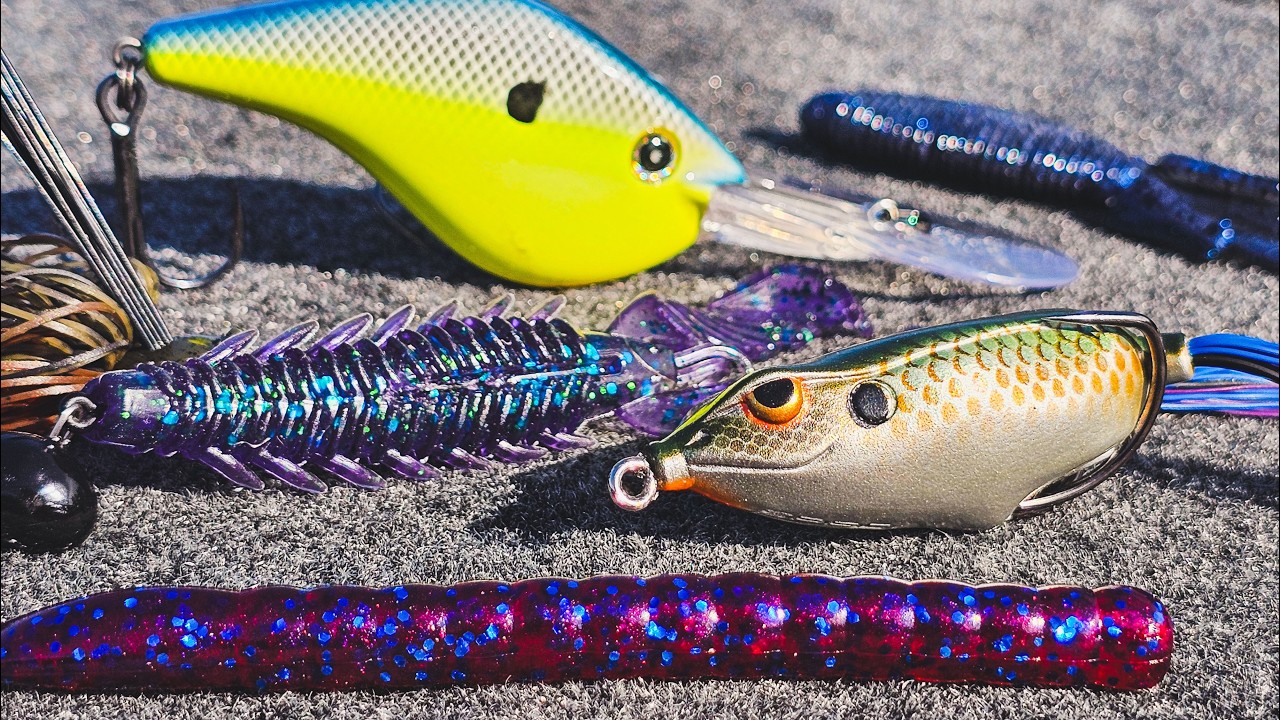
There are many types of fishing lures. Each works in different ways to attract fish. Knowing the types helps you pick the right one.
- Spinnerbaits:These spin and flash to attract fish.
- Crankbaits:They dive and wiggle like small fish.
- Soft Plastics:Flexible and look like worms or insects.
- Jigs:Heavy lures that sink and move up and down.
- Spoons:Shiny and wobble in the water.
Factors To Consider
Pick a lure based on where you fish and what fish you want. Size, color, and movement matter a lot.
- Water Type:Clear water needs natural colors. Murky water needs bright colors.
- Fish Species:Use lures that look like the fish’s food.
- Weather:On sunny days, use shiny lures. On cloudy days, use dark lures.
- Lure Size:Match the lure size to the size of the fish.
- Lure Action:Choose lures that move in ways that attract fish.
Matching Lures To Fish Species
Choosing the right lure is important for catching specific fish. Different fish like different shapes, colors, and movements.
Matching your lure to the fish species increases your chances of a good catch. Learn what each fish prefers.
Understanding Fish Behavior
Fish behave differently based on their type. Some fish hunt near the surface while others stay deep.
Knowing how a fish acts helps you pick a lure that looks like its natural food.
- Predatory fish prefer lures that mimic small prey
- Bottom feeders respond to slow-moving lures
- Active fish chase fast, flashy lures
- Some fish react to vibration or noise in lures
Seasonal Preferences
Fish change their feeding habits with the seasons. This affects which lures work best.
Using the right lure for the season can improve your catch rate significantly.
- Spring: Use bright, active lures as fish feed after winter
- Summer: Try natural colors and slower lures in warm water
- Fall: Use larger lures to match the bigger prey fish eat
- Winter: Use small, subtle lures since fish eat less
Selecting The Right Gear
Choosing the right fishing gear helps you catch fish more easily. It also makes fishing more fun and less tiring.
This guide covers important gear parts like rods, reels, and fishing lines. Understanding these will improve your lure setup.
Rods And Reels
Pick a rod that fits the fish you want to catch. Light rods work well for small fish. Heavy rods suit big, strong fish.
- Spinning rods are good for beginners and light lures.
- Baitcasting rods offer better control for heavier lures.
- Match the reel to the rod for balance and ease of use.
- Check reel drag systems; smooth drag helps when fish pull hard.
Line Selection
Choose the line strength based on fish size and lure weight. Thin lines cast farther but may break easily.
| Line Type | Strength (lbs) | Best Use |
| Monofilament | 6 – 12 | Good for beginners, stretches well |
| Fluorocarbon | 8 – 20 | Nearly invisible in water, sinks fast |
| Braided | 20 – 50+ | Strong and thin, good for heavy cover |
Techniques For Rigging Lures
Rigging lures correctly helps catch more fish. It makes your lure move naturally in water.
Using the right techniques keeps your lure strong and balanced. This improves fishing success.
Proper Knot Tying
Tying knots properly keeps your lure attached firmly. Weak knots can break and lose fish.
Use simple knots that hold well and are easy to tie. Practice these knots to get faster.
- Improved clinch knot: good for most lures
- Palomar knot: strong and easy to tie
- Loop knot: allows lure to move freely
Weight And Balance
Adding weight helps your lure sink to the right depth. Balance makes the lure swim naturally.
Choose weight based on water depth and current. Make sure the lure stays level in water.
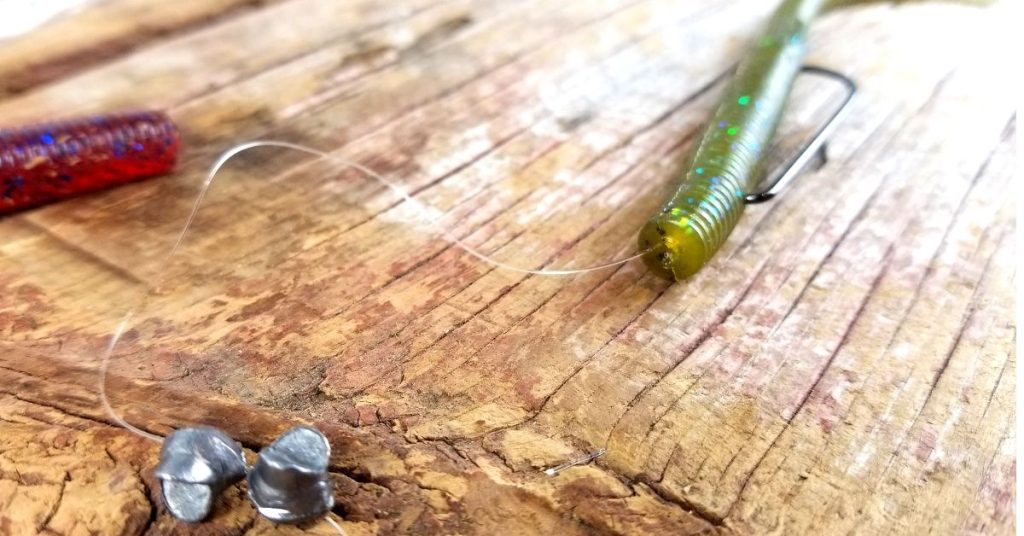
- Use split shot weights for small adjustments
- Weighted hooks help lures dive deeper
- Balance keeps the lure from spinning
Casting And Retrieval Tips
Fishing with lures is fun and effective. Learning casting and retrieval helps catch more fish.
Good casting puts your lure where fish like to bite. Proper retrieval makes the lure look alive.
Casting Techniques
Cast your lure smoothly to avoid scaring fish. Use a steady arm motion for better control.
Try different casting styles to reach various spots. Sidearm and overhead casts work well in most places.
- Keep your elbow close to your body
- Use your wrist to flick the rod tip
- Practice a smooth, controlled release
- Adjust your cast length for distance or accuracy
Retrieval Methods
Retrieving your lure at the right speed attracts fish. Slow or fast retrieval changes the lure’s action.
Vary your retrieval style to imitate injured or fleeing prey. This tricks fish into biting.
- Steady retrieve: reel in at a constant speed
- Twitch retrieve: add short rod jerks while reeling
- Stop-and-go: pause then reel to mimic struggling bait
- Burn retrieve: reel fast to chase active fish

Credit: fishingbooker.com
Adapting To Water Conditions
Water conditions change how fish see and react to lures. Adjusting your lure setup helps catch more fish.
Knowing the water clarity and tides can guide your lure choice and fishing style.
Clear Vs. Murky Waters
Clear water lets fish see lures from far away. Use natural colors and slow movements to avoid spooking fish.
In murky water, fish rely more on sound and vibration. Bright colors and lures that make noise work better here.
- Clear water: choose subtle colors like green, brown, or silver
- Clear water: use slow, steady lure action
- Murky water: pick bright colors like chartreuse, orange, or white
- Murky water: use lures that create vibrations or rattles
Tidal Influences
Tides affect fish feeding times and where they stay. Moving water brings food and fish closer to shore.
Use lures that match the tide speed. Fast tides need strong, heavy lures. Slow tides need light, slow-moving lures.
- Incoming tide: fish move in with the water; use lures that mimic small prey
- Outgoing tide: fish follow the current; use lures that stay near the bottom
- Fast tide: choose heavier lures to keep control
- Slow tide: use lighter lures for natural movement
Common Mistakes To Avoid
Setting up lures for fishing can be simple, but many anglers make mistakes. These errors reduce your chances of catching fish.
Knowing what to avoid helps you fish better. Let’s look at two common mistakes.
Overcomplicating Setups
Some anglers use too many parts on their fishing line. Adding extra weights, floats, or hooks can confuse the fish.
A simple setup often works best. Too many pieces make casting harder and can scare fish away.
- Use the right size lure without extra weights
- Keep the line clear from unnecessary hooks or floats
- Focus on natural movement of the lure in water
Ignoring Environmental Factors
Water conditions and weather affect how fish behave. Ignoring these can make your lure setup less effective.
Fish react to water clarity, temperature, and light. Matching your lure to these factors helps you catch more fish.
- Choose lure colors based on water clarity
- Use heavier lures in strong currents
- Adjust lure depth to water temperature and fish habits
Advanced Lure Strategies
Using the right lure strategy can improve your fishing success. Advanced techniques help catch more fish in different conditions.
This guide covers two key strategies: using multiple lures and incorporating technology. Both can increase your chances of landing a big catch.
Using Multiple Lures
Using more than one lure at a time lets you cover different depths and types of fish. It also attracts fish that prefer variety.
- Use two or three lures with different colors and sizes
- Place lures at varying depths to find where fish are feeding
- Try combining fast-moving and slow-moving lures
- Change lures regularly to keep fish interested
- Use a tandem rig for certain fish species
Incorporating Technology
Modern tools help you pick the best lures and spots. They also track fish activity and water conditions.
| Technology | Use | Benefit |
| Fish Finders | Locate fish and underwater structures | Save time and target areas with more fish |
| Water Temperature Sensors | Measure water temperature | Choose lures that work best in certain temperatures |
| GPS Devices | Mark fishing spots and track routes | Return to productive locations easily |
| Smartphone Apps | Access weather and fishing reports | Plan your fishing trips better |
Credit: www.youtube.com
Frequently Asked Questions
How Do I Choose The Right Fishing Lure?
Choose a lure based on fish species, water clarity, and weather. Match lure size and color to local baitfish for better results.
What Is The Best Way To Rig A Fishing Lure?
Attach the lure securely with a knot like the improved clinch knot. Ensure it moves naturally to attract fish.
How Do I Set Up Lures For Different Fish Types?
Use different lure types for each species. For bass, use plastic worms; for trout, use small spinners or spoons.
When Should I Change My Fishing Lure?
Change lures if fish aren’t biting after 10-15 minutes. Switch colors or styles to increase your chances.
Conclusion
Setting up lures properly helps catch more fish. Choose the right lure for the fish you want. Attach the lure securely to avoid losing it. Cast your line smoothly and watch for bites. Practice makes your lure setup better each time.
Enjoy the calm and fun of fishing outdoors. Keep learning and trying new lures to improve. Fishing becomes easier with simple, correct lure setups. Get outside, try these tips, and catch fish!