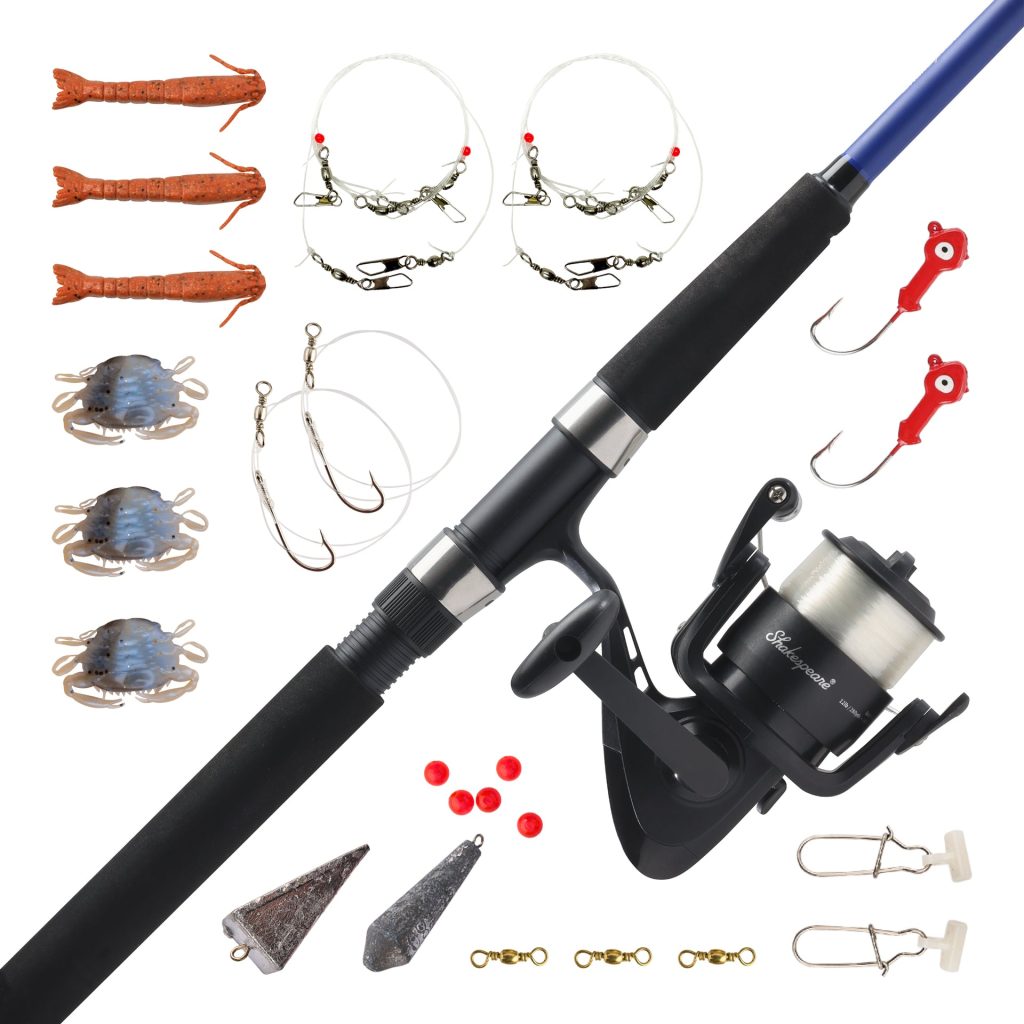
Setting up your Shakespeare fishing rod the right way can make all the difference between a frustrating day and an exciting catch. You might have the best rod, but if it’s not assembled correctly, you won’t get the results you want.
Don’t worry—this guide will walk you through each step clearly and simply. By the time you finish reading, you’ll feel confident and ready to fish like a pro. Let’s get your gear ready so you can enjoy every moment on the water.

Credit: www.shakespeare-fishing.com
Choosing The Right Shakespeare Rod
Selecting the correct Shakespeare fishing rod is important for a good fishing experience. The right rod can improve your catch success and make fishing more enjoyable.
Consider the type of fish you want to catch and your fishing style. This will help you pick the best rod for your needs.
Types Of Shakespeare Rods
Shakespeare offers different types of rods for various fishing activities. Understanding these types can help you make a better choice.
- Spinning Rods: Great for beginners and versatile for many fish types.
- Casting Rods: Ideal for precise casting and heavier lures.
- Fly Rods: Designed for fly fishing, useful in streams and rivers.
Matching Rod To Fishing Style
Your fishing style will influence the type of rod you should choose. Each style may require different features in a rod.
If you enjoy casting from a boat, a casting rod might be best. Shore fishing might require a longer spinning rod. Fly fishing needs a specialized fly rod.
| Fishing Style | Recommended Rod |
| Boat Fishing | Casting Rod |
| Shore Fishing | Spinning Rod |
| Fly Fishing | Fly Rod |
Gathering Essential Gear
Setting up your Shakespeare fishing rod starts with gathering the right gear. The right tools make fishing easier and more fun.
This guide helps you pick reels, lines, hooks, and baits for your fishing setup.
Reels And Lines
Choose a reel that fits your fishing style and rod size. Spinning reels are common for beginners.
Pick fishing line strength based on the fish you want to catch. Lighter lines work for small fish, heavier lines for big fish.
- Spinning or baitcasting reels work well with Shakespeare rods
- Monofilament lines are easy to handle
- Choose line weight between 6 to 12 pounds for general use
- Match reel size to rod power and length
Hooks And Baits
Select hooks based on the size of fish you want to catch. Small hooks catch small fish, large hooks catch bigger fish.
Use live bait or artificial lures. Live bait attracts many fish, while lures can mimic fish or insects.
- Use size 6 to 10 hooks for most freshwater fish
- Choose live bait like worms or minnows for natural attraction
- Try artificial baits such as plastic worms or spinners
- Match bait type to fish species and water conditions
Assembling The Rod
Setting up your Shakespeare fishing rod correctly helps you fish with ease. This guide covers the main steps to assemble your rod.
Follow these simple instructions to prepare your rod for a great fishing experience.
Connecting Rod Sections
Most Shakespeare rods come in two or more pieces. You need to connect these pieces before fishing. Make sure each section fits snugly to avoid damage.
- Align the guides on each section so they form a straight line.
- Insert the thinner end of one section into the thicker end of the other.
- Push firmly but gently until the sections fit tightly together.
- Check the connection by slightly twisting the pieces to secure them.
- Do not force the pieces if they do not fit easily.
Attaching The Reel
Attaching the reel correctly ensures smooth casting and reeling. Follow these steps to fix the reel on your rod.
| Action | Details |
| Open the reel seat | Loosen the locking mechanism on the rod handle. |
| Place the reel foot | Fit the reel foot into the seat grooves. |
| Tighten the reel seat | Turn the locking mechanism until the reel is secure. |
| Check stability | Make sure the reel does not wobble or move. |

Credit: www.shakespeare-fishing.com
Spooling The Line
Spooling the line on your Shakespeare fishing rod is key for a smooth fishing experience. Proper spooling prevents tangles and line damage.
This guide covers choosing the right line and spooling it correctly on your reel.
Selecting The Line
Pick a fishing line that fits your rod and fishing style. The right line helps you cast better and catch fish more easily.
- Monofilament line is good for beginners and general use.
- Fluorocarbon line sinks faster and is less visible underwater.
- Braid line offers high strength with less stretch.
- Check the rod’s line weight rating before buying.
- Match line strength to the fish species you target.
Proper Spooling Techniques
Spooling the line carefully avoids twists and knots. Follow these steps to spool your reel properly.
- Attach the line to the reel spool with a secure knot.
- Keep the line tight as you wind it to prevent loops.
- Use your fingers or a cloth to hold tension on the line.
- Fill the spool to about 1/8 inch below the rim.
- Cut the line and thread it through the rod guides.
| Common Spooling Problems | How to Fix |
|---|---|
| Line twist | Keep tension and avoid spinning the reel too fast |
| Loose line | Apply steady pressure while spooling |
| Overfilled spool | Remove extra line to prevent tangles |
Threading The Line
Threading the line on a Shakespeare fishing rod is an important task. It helps the line move smoothly and keeps your fishing setup strong.
Follow the right steps to thread the line correctly. This guide will cover guides and eyelets, and how to secure the line.
Guides And Eyelets
Guides and eyelets are small rings along the rod. They guide the fishing line from the reel to the tip of the rod.
Start by opening the bail arm of your reel. Then, pass the line through each guide, starting from the bottom near the reel.
- Check each guide for damage or dirt before threading
- Thread the line gently to avoid tangles
- Follow the order of guides from bottom to top
- Make sure the line sits inside the eyelets properly
Securing The Line
After threading the line through the guides, you need to secure it to the reel spool. This keeps the line tight and ready for casting.
Use an arbor knot or another simple knot to tie the line to the spool. Pull the knot tight and trim any extra line.
- Wrap the line around the spool once
- Tie a strong knot like the arbor knot
- Pull the knot tight against the spool
- Trim excess line close to the knot

Credit: www.amazon.ca
Tying Knots
Tying knots is a key skill for using the Shakespeare fishing rod. Strong knots keep your line secure and prevent losing fish.
Learning a few common knots helps you set up your rod quickly and safely. Practice tying knots until you feel confident.
Common Fishing Knots
Several knots work well with Shakespeare rods. The improved clinch knot is great for tying hooks. The Palomar knot is strong and easy to tie.
- Improved Clinch Knot: Tight and reliable for hooks and lures
- Palomar Knot: Simple knot with high strength for lines
- Loop Knot: Allows lure to move freely in water
- Blood Knot: Joins two lines of similar thickness
Ensuring Strong Knots
Always wet the line before tightening a knot. This reduces friction and keeps the line from weakening.
Pull the knot firmly but gently. Test the knot by pulling hard to make sure it does not slip or break.
- Wet the line before tightening
- Tighten knots slowly and evenly
- Trim excess line close to the knot
- Check knots regularly for wear and tear
Setting The Drag
Setting the drag on your Shakespeare fishing rod is key for a smooth fishing experience. The drag controls how much resistance a fish feels when pulling the line.
Adjusting the drag correctly helps prevent line breaks and keeps the fish from escaping. This guide covers important tips for setting the drag.
Adjusting For Different Fish
Different fish require different drag settings. Larger fish need more drag to tire them out. Smaller fish need less drag to avoid snapping the line.
- Light drag for panfish and small trout
- Medium drag for bass and walleye
- Heavy drag for catfish and large freshwater species
- Strong drag for saltwater fish like redfish or snook
Testing The Drag System
Testing the drag helps make sure it works before you fish. You can test it using a few simple methods.
| Test Method | How to Do It | What to Check |
| Line Pull | Pull the line by hand slowly | Drag should let line slip smoothly |
| Rod Pull | Pull the rod back firmly | Drag resists but does not lock up |
| Weight Test | Hang a weight on the line | Drag holds weight without line break |
Final Checks Before Fishing
Before you start fishing with your Shakespeare rod, it is important to make final checks. These checks help ensure your setup works well and stays safe.
Taking a few minutes to inspect your gear can prevent problems and make your fishing trip more fun.
Inspecting The Setup
Look over your fishing rod and reel carefully. Check if the line is tied properly and not tangled.
Make sure the rod guides are clean and the reel moves smoothly. Look for any cracks or damage on the rod.
- Test the drag system on the reel
- Check the rod tip for any bends or breaks
- Ensure the line is free from knots or frays
- Confirm that all reel seats and handles are tight
Safety Tips
Safety is key before you fish. Make sure your fishing spot is safe and free from hazards.
Wear proper clothing and protective gear. Keep your hooks and sharp tools away from others.
- Wear a life jacket if fishing near deep water
- Keep a first aid kit handy
- Handle hooks with care to avoid injury
- Stay aware of weather changes
Frequently Asked Questions
How Do I Assemble A Shakespeare Fishing Rod?
Start by attaching the reel to the rod’s reel seat. Secure it tightly. Then, thread the fishing line through all rod guides, starting from the tip. Finally, tie your preferred fishing knot to secure the lure or hook.
What Type Of Fishing Line Suits Shakespeare Rods?
Monofilament, fluorocarbon, or braided lines work well. Choose line strength based on your target fish species. Check the rod’s recommended line weight for best performance and durability.
How Do I Maintain My Shakespeare Fishing Rod?
Rinse the rod with fresh water after each use. Dry it thoroughly to avoid corrosion. Store it in a cool, dry place and check guides for damage regularly.
Can I Use Shakespeare Rods For Saltwater Fishing?
Yes, many Shakespeare rods are designed for saltwater use. Ensure you rinse the rod with fresh water after saltwater exposure. Check the model specifications to confirm saltwater suitability.
Conclusion
Setting up your Shakespeare fishing rod is simple and quick. Follow each step carefully for the best results. Check your reel, line, and guides before you start fishing. Adjust the drag to suit your target fish size. Practice casting to get comfortable and accurate.
A well-prepared rod helps you enjoy fishing more. Stay patient and keep learning with each trip. Soon, fishing will feel easier and more fun. Grab your rod and enjoy the calm and thrill of fishing.