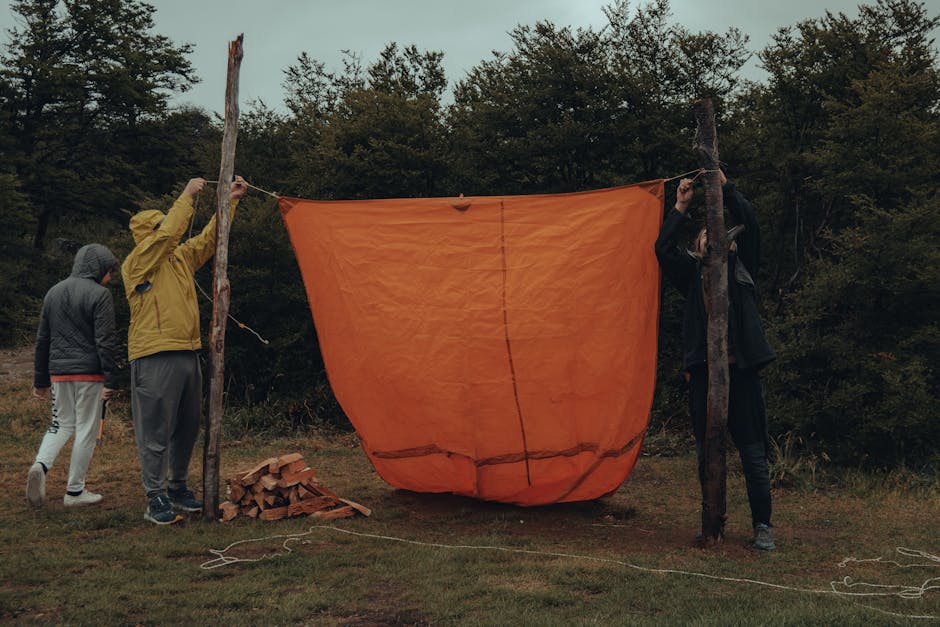
Setting up a tarp over your tent can make a huge difference in your camping experience. It keeps you dry during rain, provides extra shade on hot days, and adds an extra layer of protection from wind.
But if you’re unsure how to do it right, it can quickly turn into a frustrating task. In this guide, you’ll discover simple, step-by-step instructions to set up your tarp quickly and securely. By the end, you’ll know exactly how to protect your tent and enjoy your outdoor adventure with peace of mind.
Keep reading to learn the easy tricks that make all the difference!
Choosing The Right Tarp
Setting up a tarp over your tent helps protect you from rain and sun. Picking the right tarp is important for good shelter.
Different tarps have different materials, sizes, and weather resistance. Knowing these helps you choose the best one.
Material Types
Tarps come in many materials. Each has strengths and weaknesses for camping use.
Polyethylene tarps are strong and waterproof. They are heavy but very durable. Nylon tarps are light and pack small. They dry fast but may not be as tough. Canvas tarps breathe better and are good for shade. They are heavier and can soak water.
- Polyethylene: durable, waterproof, heavy
- Nylon: lightweight, quick-drying, less durable
- Canvas: breathable, heavy, good shade
Size Considerations
Choose a tarp size that covers your tent fully. It should extend beyond the tent edges for good protection.
Small tarps may not block rain well. Large tarps add weight and can be harder to set up. Measure your tent and add at least two feet on each side for coverage.
- Measure tent length and width
- Add extra feet for overhang
- Balance size with weight and packability
Weather Resistance
Pick a tarp that handles the weather in your camping area. Look for waterproof and windproof features.
Waterproof tarps keep rain out. Windproof tarps hold up in strong wind. Some tarps have UV protection to block sun damage. Check the tarp’s rating before buying.
- Waterproof for rain protection
- Windproof to resist strong winds
- UV resistant to prevent sun damage
Selecting The Tent Location
Choosing the right spot for your tent is very important. It makes your camping experience safe and comfortable.
Setting up a tarp over your tent also depends on the location. Pick a place that works well for both.
Flat And Clear Ground
Look for flat ground to keep your tent stable. Uneven surfaces can make sleeping uncomfortable.
Clear the area of rocks, sticks, and debris. This protects your tent floor and helps the tarp lay flat.
- Find level ground without slopes
- Remove sharp objects that can damage the tent
- Check for soft soil to help with staking
Avoiding Wind Exposure
Strong winds can damage your tent and tarp. Choose a spot shielded by trees or hills if possible.
Face the tent door away from the wind. This prevents cold drafts and keeps the tarp secure.
- Set up near natural windbreaks like bushes or rocks
- Avoid ridges or hilltops that catch strong wind
- Position tarp with wind direction in mind
Proximity To Water Sources
Being near water is convenient for drinking and cleaning. But don’t camp too close to avoid flooding.
Pick a spot at least 200 feet away from lakes or rivers. This keeps you safe and protects the environment.
- Camp near water but not too close
- Check for dry ground to avoid wet tent floors
- Follow local rules about camping near water
Preparing Your Tent And Tarp
Setting up a tarp over your tent protects you from rain and sun. Proper preparation helps make the process smooth and fast.
Before you start, check your gear and gather all needed tools. This ensures your shelter will be secure and comfortable.
Packing Essential Gear
Bring the right gear to set up your tarp and tent. Missing items can cause delays and discomfort.
- Tent with stakes and poles
- Tarp large enough to cover the tent
- Ropes or guy lines
- Hammer or mallet for stakes
- Repair kit for tears or holes
- Extra stakes for windy conditions
Inspecting Tent And Tarp
Check your tent and tarp before leaving. Look for damage that could cause leaks or tears during use.
| Item | What to Check |
| Tent | Poles, zippers, seams, and floor for holes |
| Tarp | Fabric tears, grommets, and edges for wear |
| Ropes | Frays or weak spots |
| Stakes | Bent or damaged stakes |
Gathering Support Tools
Support tools help you secure the tarp tightly over the tent. Bring these for best results.
- Adjustable guy line tensioners
- Carabiners or clips for quick attachment
- Measuring tape to size tarp coverage
- Extra rope or cord for tie-downs
- Small knife or scissors for cutting rope

Credit: www.reddit.com
Setting Up Tent First
Setting up your tent correctly is the first step before placing a tarp over it. A stable tent gives better support for the tarp. It also keeps you safe and dry during your camping trip.
Follow simple steps to assemble your tent properly. This will make the tarp setup easier and more effective.
Tent Assembly Tips
Choose a flat, clean area to set up your tent. Remove sharp objects like rocks and sticks. Lay down a groundsheet or footprint to protect the tent floor from damage and moisture.
- Unfold the tent and lay it flat on the groundsheet.
- Assemble tent poles and slide them through the tent sleeves or clip them on.
- Raise the tent by standing the poles upright.
- Secure the tent corners using stakes to keep it tight.
- Check that the tent fabric is smooth and taut to avoid sagging.
Securing The Tent
Securing your tent well is important before placing a tarp over it. Proper staking and guy lines help hold the tent steady in wind and rain.
- Use strong stakes to anchor all tent corners firmly.
- Tighten guy lines evenly to support the tent structure.
- Check that all zippers and doors close tightly to keep bugs out.
- Remove slack in the tent fabric to prevent water pooling.
Ensuring Proper Ventilation
Good ventilation keeps your tent fresh and reduces condensation inside. This is important before covering your tent with a tarp.
| Ventilation Method | Benefits |
|---|---|
| Open Tent Vents | Allows air flow to reduce moisture |
| Leave Door Slightly Open | Improves circulation while keeping insects out |
| Use Mesh Panels | Blocks bugs and lets air pass freely |
Positioning The Tarp
Setting up a tarp over your tent helps protect against rain and sun. Proper positioning is key to keep dry and comfortable. This guide covers how to place your tarp correctly.
Focus on the tarp’s orientation, matching it to your tent’s shape, and maximizing its coverage area. These steps ensure effective shelter during your camping trip.
Determining Tarp Orientation
Start by deciding which way the tarp should face. The direction depends on the wind and sun. Position the tarp so it blocks the strongest wind or the brightest sun.
- Check the weather forecast for wind direction.
- Note the sun’s path during the day.
- Place the tarp’s longest edge facing the wind or sun.
Aligning With Tent Shape
Match the tarp’s shape to your tent for better fit and protection. Most tents have a rectangular or dome shape. Align the tarp edges to cover the tent’s highest points and openings.
| Tent Shape | Tarp Alignment |
|---|---|
| Rectangular | Place tarp lengthwise along tent’s long side |
| Dome | Center tarp over tent peak with equal sides hanging down |
| A-Frame | Align tarp ridge with tent ridge for full coverage |
Maximizing Coverage
Make sure the tarp covers as much of the tent as possible. Extend tarp edges beyond the tent base to protect against rain splash and wind.
Use these tips to increase coverage:
- Leave 1-2 feet of tarp beyond tent edges
- Secure tarp corners with stakes or ropes
- Adjust tarp height to allow air flow and prevent water pooling

Credit: www.youtube.com
Attaching The Tarp Over Tent
Setting up a tarp over your tent provides extra protection from rain and sun. Proper attachment keeps the tarp secure and prevents damage.
Use the right tools and techniques to make sure the tarp stays tight and safe during your camping trip.
Using Ropes And Stakes
Ropes and stakes hold the tarp firmly above your tent. Choose strong ropes and sturdy stakes for best results.
- Tie ropes to tarp grommets or loops.
- Drive stakes into the ground at an angle.
- Pull ropes tight and secure them to stakes.
- Check tension regularly to keep the tarp taut.
Creating Anchor Points
Anchor points keep the tarp stable and prevent it from moving in wind or rain. Use fixed objects or create your own anchors.
| Anchor Type | Description | Best Use |
|---|---|---|
| Tree | Wrap rope around a sturdy tree branch or trunk. | Forested camping areas |
| Ground Stake | Drive metal stakes into the soil for rope attachment. | Open fields or soft ground |
| Rock or Heavy Object | Use rocks or heavy gear as weight anchors. | Rocky or hard surfaces |
Avoiding Sagging
Keep the tarp tight to stop water from pooling and sagging. Loose tarps can cause damage and discomfort.
- Pull ropes evenly on all sides.
- Adjust stakes and knots to increase tension.
- Use a ridgeline rope for extra support.
- Check tarp after rain and tighten if needed.
Adjusting For Weather Conditions
Setting up a tarp over your tent needs changes for different weather. You must think about rain, wind, and sun. Adjusting your tarp helps keep you dry, safe, and cool.
Knowing how to set up your tarp right will make your camping more comfortable. Below are tips for rain, wind, and sun protection.
Rain Setup Tips
Place the tarp so rainwater runs away from your tent. Make sure it is sloped, not flat, to avoid water pooling. Use extra rope to secure it tightly.
Keep the tarp edges low to block wind-driven rain. Check for any gaps where water might drip inside.
- Angle tarp to guide water away from tent
- Tighten ropes to avoid sagging
- Lower tarp edges near the ground
- Use waterproof tarp material
Windproofing Strategies
Face the tarp into the wind to reduce flapping. Secure all sides with strong stakes and ropes. Use extra tie-downs on windy days.
Try to find natural wind barriers like trees or rocks. Avoid setting up in open, exposed areas.
- Point tarp edge into the wind
- Use strong stakes and tight ropes
- Add extra tie-down points
- Choose sheltered camping spots
Sunshade Arrangements
Set the tarp high above the tent to allow air flow. This helps keep your tent cool. Use reflective tarp to block more sun rays.
Position the tarp to shade the tent during peak sun hours. Make sure the tarp covers the tent fully without blocking ventilation.
- Raise tarp higher for airflow
- Use reflective or light-colored tarp
- Place tarp to block afternoon sun
- Keep vents open under tarp

Credit: www.reddit.com
Maintaining Your Shelter
Setting up a tarp over your tent helps protect you from rain and sun. Keeping your shelter in good shape makes camping safer and more comfortable.
Regular care will extend the life of your tarp and tent. Small fixes stop bigger problems later.
Regular Inspections
Check your tarp and tent often for damage. Look for holes, loose ropes, and worn areas.
Inspect after strong wind or heavy rain. Early spotting of issues helps keep your shelter strong.
- Look for tears or holes in the tarp material
- Check all ropes and knots for tightness
- Examine tent seams and zippers for damage
- Make sure tarp is properly secured and taut
Repairing Tears
Fix small tears quickly to prevent them from growing. Use patch kits made for tarps or tents.
Clean the area before applying patches. Follow instructions on the repair kit for best results.
- Trim edges around the tear
- Clean and dry the damaged area
- Apply adhesive or patch firmly
- Let it cure before use
Cleaning And Storage
Keep your tarp and tent clean to avoid damage. Dirt and debris can wear out fabric faster.
Store your shelter dry and folded loosely. Avoid tight folds to prevent creases and cracks.
- Shake off dirt and leaves before packing
- Wash with mild soap and water if needed
- Dry completely before storing
- Store in a cool, dry place away from sunlight
Frequently Asked Questions
How Do I Choose The Right Tarp Size For My Tent?
Choose a tarp larger than your tent’s footprint by at least 2 feet on each side. This ensures full coverage and protection from rain and debris. Consider your tent’s shape and nearby terrain when selecting tarp size for optimal setup and shelter.
What Are The Best Knots For Securing A Tarp Over A Tent?
Use reliable knots like the taut-line hitch and bowline to secure your tarp. These knots hold tension well and are easy to adjust. Proper knots prevent tarp sagging and keep it stable during windy weather, ensuring your tent stays dry and protected.
Can I Set Up A Tarp Over Any Tent Type?
Yes, most tent types can be covered with a tarp. Adjust tarp height and angle based on your tent’s design. This adds an extra layer of weather protection and extends your tent’s durability in harsh conditions.
How High Should The Tarp Be Above The Tent?
Keep the tarp at least 12-18 inches above the tent to allow airflow. Proper height prevents condensation and heat buildup inside your tent. It also helps rainwater run off effectively without touching the tent fabric.
Conclusion
Setting up a tarp over your tent is simple and useful. It offers extra protection from rain and sun. Follow the steps for a successful setup. Use the right materials and tools. Secure your tarp properly to avoid water pooling.
Adjust the tarp’s angle for effective drainage. Practice makes perfect, so try it out before your trip. Camping becomes more enjoyable with extra shelter. A well-set tarp enhances your outdoor experience. Keep your camping gear dry and safe. Enjoy your adventures with peace of mind.
Happy camping!