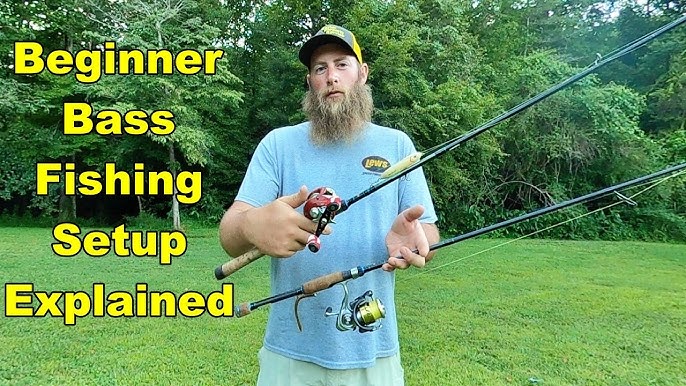
Setting up your fishing rod the right way can make all the difference between a frustrating day and an exciting catch. If you’ve ever felt confused by tangled lines or unsure which parts go where, you’re not alone.
But don’t worry—this guide will walk you through each step clearly and simply. By the time you finish reading, you’ll have the confidence to prepare your rod quickly and correctly, so you can focus on what really matters: enjoying your time on the water and catching fish.
Ready to get started? Let’s dive in!

Credit: fishgenix.com
Choosing The Right Rod
Setting up a fishing rod starts with choosing the right one. The right rod makes fishing enjoyable and successful. Consider the type, length, and material of the rod.
Types Of Fishing Rods
Different fishing rods suit different fishing styles. Knowing the types helps you pick the best one.
- Spinning rods are great for beginners.
- Casting rods offer better accuracy.
- Fly rods are used for fly fishing.
- Trolling rods are for catching big fish.
Selecting The Rod Length
The length of a fishing rod affects how far you can cast. It also influences how you control the fish.
- Short rods are easier to control.
- Long rods allow for longer casts.
- Medium rods balance control and casting distance.
Material Considerations
Fishing rods are made from different materials. Each material has its own benefits.
- Fiberglass rods are durable and affordable.
- Graphite rods are lightweight and sensitive.
- Composite rods combine fiberglass and graphite features.
Gathering Essential Gear
Setting up a fishing rod starts with having the right gear. Good gear makes fishing easier and more fun.
Before you start, gather all the needed items. This helps you avoid problems while fishing.
Fishing Reels And Lines
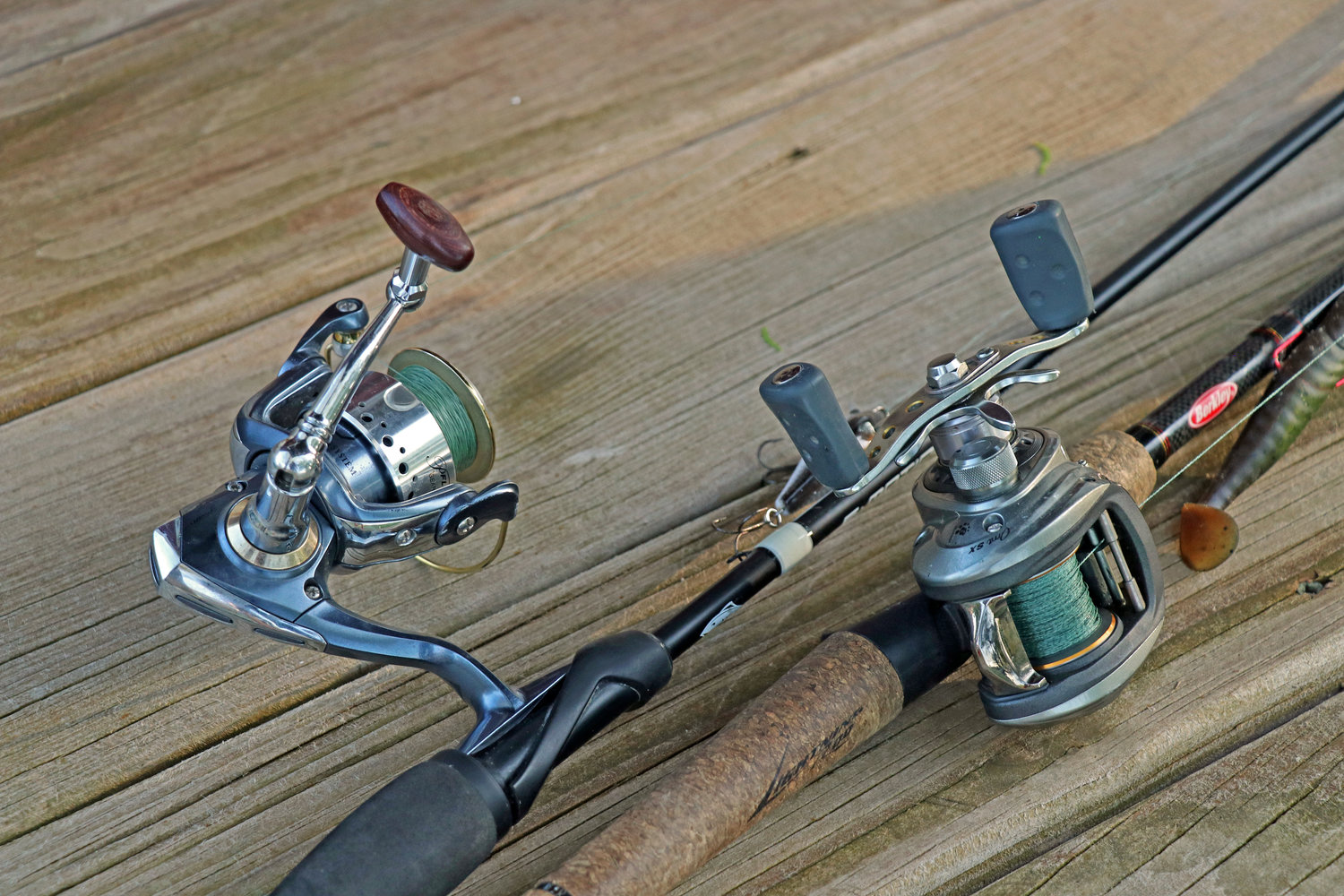
Fishing reels help you control the fishing line. Choose a reel that fits your rod and fishing type.
Fishing lines come in different strengths and materials. Pick one based on the fish you want to catch.
- Spinning reels are good for beginners
- Baitcasting reels offer more control
- Monofilament lines are flexible and easy to use
- Fluorocarbon lines are nearly invisible in water
- Braid lines are strong and thin
Hooks And Baits
Hooks come in many sizes and shapes. Pick a hook that fits the bait and target fish size.
Baits attract fish. Use live bait or artificial lures depending on the fishing spot.
- Small hooks for small fish like panfish
- Large hooks for bigger fish like bass
- Live bait like worms or minnows works well
- Artificial lures mimic real prey
Additional Accessories
Extra accessories help you fish better and stay safe. Bring tools and gear for comfort and repairs.
Some accessories are must-haves. Others depend on your fishing style and location.
- Pliers for hook removal
- Fishing line cutter
- Tackle box to keep gear organized
- Fishing gloves for hand protection
- Extra fishing line and hooks
- Sun protection like hats and sunscreen
Assembling The Rod
Setting up your fishing rod is important before you start fishing. It helps you fish better and avoid problems.
This guide shows how to put the parts together correctly. Follow each step to get ready to fish.
Attaching The Reel
First, find the reel seat on the rod handle. This is where the reel will fit.
Place the reel foot into the reel seat. Tighten the reel seat to hold the reel firmly.
- Check that the reel is secure and does not move.
- Make sure the reel handle is on the side you prefer.
Threading The Line
Pull the fishing line from the reel spool. Pass it through each guide on the rod.
Start from the bottom near the reel and move to the tip of the rod. Keep the line tight as you go.
- Make sure the line goes through every guide ring.
- Check the line for any twists or tangles.
Securing The Hook
Take the end of the fishing line and tie your hook. Use a strong knot to keep it in place.
Trim any extra line after tying. This keeps the hook secure and ready for bait.
- Use knots like improved clinch or Palomar for strength.
- Test the knot by pulling gently before fishing.

Credit: www.youtube.com
Adjusting The Rod For Casting
Adjusting your fishing rod improves casting performance. Proper setup helps you cast farther and more accurately.
This guide covers key adjustments: setting the drag, balancing the rod, and tuning the guides.
Setting The Drag
The drag controls how much resistance a fish feels when pulling the line. Set it to avoid line breakage or losing fish.
- Turn the drag knob clockwise to tighten.
- Turn counterclockwise to loosen.
- Test by pulling the line with your hand.
- Adjust until you feel firm resistance without stopping the line.
Balancing The Rod
Balance affects how comfortable the rod feels during casting. A balanced rod reduces fatigue and improves control.
| Part | Check | Adjustment |
|---|---|---|
| Handle | Should feel steady in your hand | Move reel slightly to balance weight |
| Rod tip | Should not feel heavy or too light | Use lighter or heavier line if needed |
| Reel seat | Tighten reel securely | Prevent wobbling during casting |
Tuning The Guides
Guides help the line flow smoothly. Proper tuning reduces friction and improves casting distance.
Check these points when tuning guides:
- Inspect each guide for cracks or bends.
- Align guides straight along the rod.
- Use pliers to gently adjust bent guides.
- Clean guides to remove dirt and debris.
- Replace damaged guides promptly.
Mastering Casting Techniques
Setting up your fishing rod correctly helps you cast better. Good casting lets you reach the fish and avoid tangles.
We will explain three common casting styles. Each style has its own way to throw the line smoothly.
Overhead Cast
The overhead cast is the most common way to cast. It uses a straight motion to send the bait far out.
Hold the rod with your dominant hand. Pull the rod back over your shoulder. Then, bring it forward quickly to release the line.
- Keep your arm straight but relaxed
- Use your wrist to control the cast
- Watch the line to avoid tangles
Sidearm Cast
The sidearm cast is good for casting under trees or near obstacles. It sends the bait low and fast.
Hold the rod at waist height. Swing it sideways to release the line. This cast needs smooth motion and timing.
- Keep your elbow close to your body
- Make a smooth, horizontal swing
- Release the line when the rod points forward
Roll Cast
The roll cast is useful when you have no room to pull the line back. It lifts the line and rolls it forward.
Start with the rod low and the line on the water. Pull the rod back and then forward in a smooth curve to roll the line out.
- Keep the line tight on the water
- Use a gentle forward motion
- Practice timing to avoid slack
Troubleshooting Common Issues
Setting up a fishing rod can sometimes lead to problems. These issues can affect your fishing experience.
Knowing how to fix common troubles helps you fish more smoothly and enjoy your time by the water.
Line Tangles
Line tangles happen when the fishing line twists or knots. This can stop your cast or cause line breaks.
- Check the reel for loose or twisted line before casting.
- Use the right type of line for your reel and fishing style.
- Keep the line tight when reeling in to avoid loops.
- Untangle knots gently with your fingers or a small tool.
Casting Distance Problems
If your cast does not reach the desired distance, the setup may need adjustment.
| Cause | Solution |
| Line too heavy | Use lighter line for longer casts |
| Wrong lure weight | Match lure weight to rod specifications |
| Improper casting technique | Practice smooth and steady casting motion |
| Reel drag too tight | Loosen drag to allow line to flow freely |
Rod Damage Prevention
Preventing rod damage keeps your gear working well for a long time.
Follow these tips to protect your fishing rod:
- Store rods in a dry place away from direct sunlight.
- Use rod sleeves or cases during transport.
- Clean the rod after each use with fresh water.
- Avoid leaning rods against hard surfaces.
- Check guides and reel seats for cracks or wear regularly.
Credit: www.texaskayakfisher.com
Frequently Asked Questions
How Do I Attach The Reel To The Fishing Rod?
To attach the reel, align it with the reel seat on the rod handle. Securely tighten the reel seat to hold the reel firmly in place. This ensures smooth casting and retrieval during fishing.
What Type Of Fishing Line Should I Use?
Choose a fishing line based on your target fish and water conditions. Monofilament is versatile, braided lines offer strength, and fluorocarbon is nearly invisible underwater.
How Do I Thread The Fishing Line Through Guides?
Start threading the line from the reel through each guide on the rod, beginning with the guide closest to the reel. Ensure the line passes smoothly to avoid tangles.
How Tight Should The Drag Be Set On The Reel?
Set the drag tight enough to tire the fish but loose enough to prevent line breakage. Adjust drag based on fish size and fight intensity for better control.
Conclusion
Setting up your fishing rod is easier than it seems. Follow each step with care and patience. Make sure your reel and line are secure. Tie knots tightly to avoid losing fish. Check your setup before every trip to stay ready.
Practice these tips, and fishing will become more fun. Enjoy your time by the water, and catch plenty of fish!