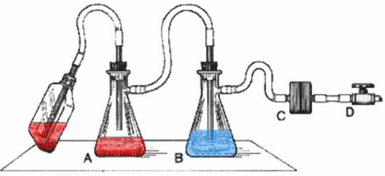
Are you ready to unlock the secrets of setting up vacuum filtration with ease and precision? Whether you’re a chemistry student, a lab technician, or a DIY enthusiast, mastering this technique can save you time and enhance your results.
Imagine having the ability to efficiently separate solids from liquids, ensuring clarity and purity in your experiments or projects. It all starts with understanding the right setup. In this guide, you’ll discover step-by-step instructions to transform a seemingly complex process into a simple, manageable task.
Don’t miss out on the opportunity to elevate your skills and confidence in the lab. Keep reading to learn how to set up vacuum filtration like a pro!

Credit: www.youtube.com
Equipment Needed
Setting up vacuum filtration requires specific equipment to ensure smooth operation and reliable results. Using the right tools helps you filter liquids quickly and efficiently. Each piece plays a key role in the process.
Knowing the equipment needed prepares you for successful filtration. It also avoids delays and errors during the setup.
Vacuum Pump Selection
The vacuum pump creates suction needed for filtration. Choose a pump with enough power to maintain steady vacuum pressure. A diaphragm pump works well for most lab filters. It is quiet and oil-free, which reduces maintenance. Check the pump’s flow rate and vacuum level to match your filter flask size.
Choosing The Filter Flask
The filter flask collects the filtered liquid. It must be strong and airtight to hold vacuum pressure. Borosilicate glass is common because it resists heat and chemicals. Flasks come in various sizes. Pick one that fits your sample volume. A sidearm on the flask connects to the vacuum pump hose.
Filter Paper Types
Filter paper traps solid particles while liquid passes through. Select paper based on particle size and sample type. Common options include:
- Qualitative filter paper for general use
- Quantitative filter paper for precise analysis
- Specialty papers for fats or biological samples
Match the filter paper diameter to the funnel size for proper fit.
Additional Accessories
Some extra tools improve filtration efficiency and safety. These include:
- Rubber stopper or adapter to seal the funnel and flask
- Vacuum tubing to connect pump and flask
- Glass or plastic Buchner funnel to hold filter paper
- Clamp or stand to hold the flask steady
Having these on hand makes the setup stable and leak-free.

Credit: link.springer.com
Preparing The Setup
Preparing the setup for vacuum filtration is a crucial part of the process that ensures everything works smoothly and safely. Taking time to arrange your equipment correctly can save you from common mistakes that lead to leaks or inefficient filtration. Have you ever struggled with a slow filter or a messy setup? Proper preparation can prevent that.
Assembling The Flask And Funnel
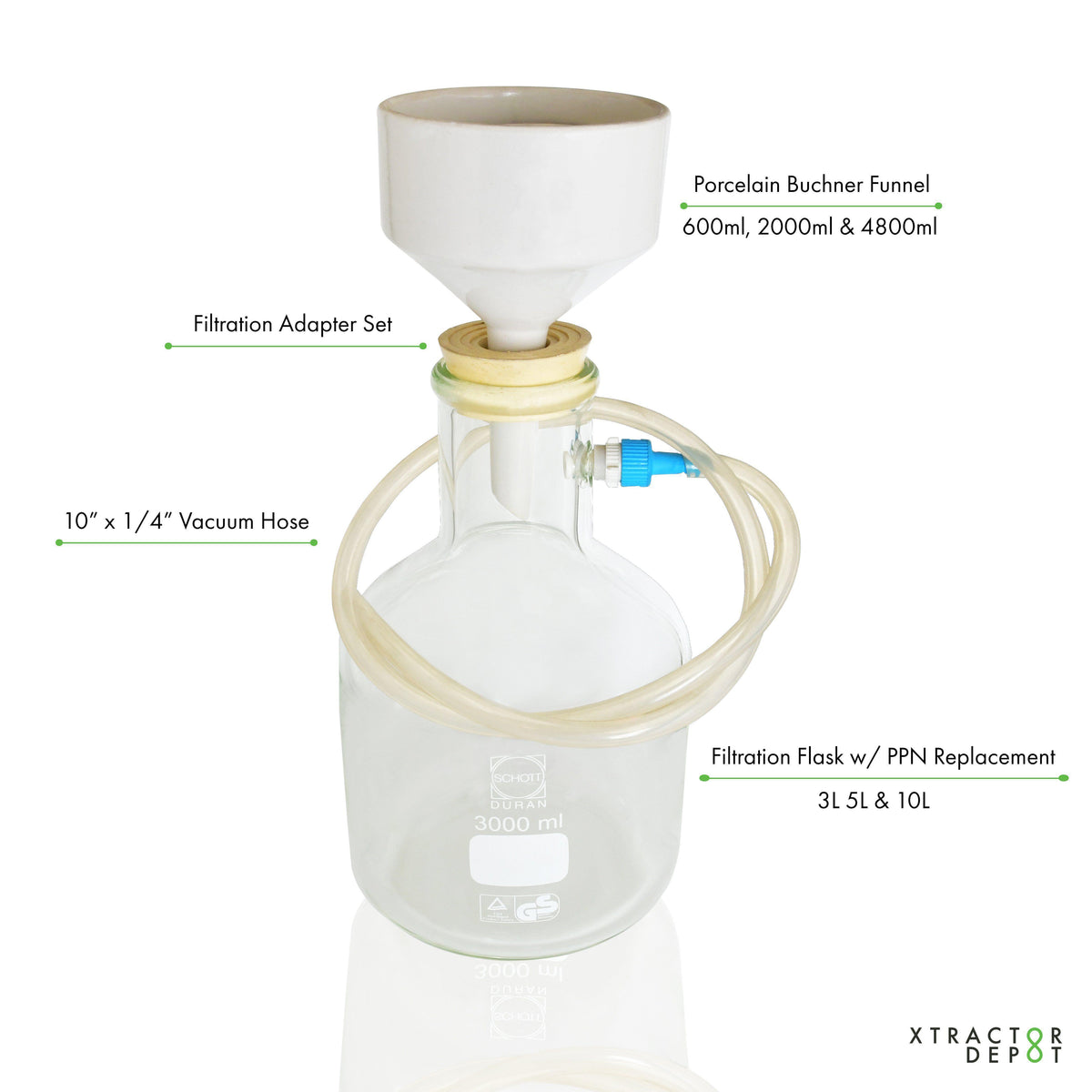
Start by placing the Büchner funnel on top of the vacuum flask. Make sure the funnel fits snugly into the flask’s neck to avoid air leaks. A rubber stopper or adapter often helps create a tight seal, so don’t skip this step.
Check that the flask is clean and dry before assembly. Any residue inside can contaminate your filtrate. Secure the funnel carefully; a loose fit can cause suction loss and slow down your filtration.
Securing The Filter Paper
Choose filter paper that matches the diameter of your funnel. Too small, and the paper will collapse; too large, and it will block the funnel edges, reducing efficiency. Wet the filter paper slightly with the solvent you plan to use to make it stick evenly to the funnel surface.
Press the filter paper gently to ensure it lies flat without wrinkles. This prevents bypass where unfiltered liquid might pass through. Have you noticed uneven filtration before? This step often solves that problem.
Connecting The Vacuum Tubing
Attach one end of the vacuum tubing to the sidearm of the flask. Ensure the connection is tight to maintain strong suction. The other end should connect to your vacuum source, like a water aspirator or vacuum pump.
Check the tubing for cracks or holes before use; even small leaks reduce vacuum strength dramatically. If your tubing is stiff, warm it slightly to make it easier to fit securely. How often do you inspect your tubing? It’s a simple habit that improves your results.
Performing The Filtration
Performing the filtration is where your setup comes to life. This stage requires careful attention to detail and steady hands to ensure the process runs smoothly. Your goal is to separate solids from liquids efficiently without losing any of the valuable filtrate or damaging the filter paper.
Starting The Vacuum
Before pouring your mixture, make sure the vacuum pump is connected and ready to work. Turn on the vacuum slowly to avoid sudden pressure changes that might dislodge the filter paper.
You should hear a steady suction sound—this confirms a good seal. If the suction feels weak, check all connections and the rubber seal around the funnel. Have you ever had a filter paper slip unexpectedly? Tightening these connections early saves frustration later.
Pouring The Mixture
Pour your mixture gently onto the filter paper. Avoid overfilling the funnel; it can cause the liquid to spill or bypass the filter.
Use a glass rod or stirring stick to guide the liquid down the funnel’s side. This prevents splashing and helps distribute the mixture evenly across the filter. You might find that pouring slowly in batches works better than one continuous pour.
Monitoring The Process
Keep an eye on the filtration as it proceeds. Watch for any leaks or bubbles in the system—both can reduce efficiency.
Notice how fast the liquid passes through. If it slows dramatically, the filter might be clogged. At this point, you can either replace the filter paper or gently rinse the solids to clear blockages.
How often do you check your filtration setup during the process? Staying attentive helps you catch problems before they ruin your sample.
Troubleshooting Tips
Vacuum filtration often runs smoothly, but issues can arise. Troubleshooting helps keep the process efficient and clean. Address common problems quickly to avoid frustration and wasted time.
Avoiding Leaks
Leaks reduce vacuum strength and slow filtration. Check all connections between the flask, funnel, and tubing. Make sure rubber stoppers or seals fit tightly and show no cracks. Use vacuum grease on glass joints to create a better seal. Replace damaged parts immediately to maintain a strong vacuum.
Dealing With Clogs
Clogs block the filter and stop liquid flow. Avoid overloading the filter paper with too much solid. Use a filter paper with the right pore size for your sample. Rinse the filter paper lightly before starting filtration to remove dust. If clogging occurs, gently tap the funnel or replace the filter paper.
Improving Filtration Speed
Slow filtration wastes time and reduces lab efficiency. Use a vacuum pump with adequate power for your setup. Ensure the tubing is not kinked or twisted, which can limit airflow. Select filter paper with larger pores if the sample allows it. Stir the mixture before filtering to prevent solid buildup.
Cleaning And Maintenance
Keeping your vacuum filtration setup clean and well-maintained is crucial for reliable results and extending the life of your equipment. Neglecting this step can lead to contamination, clogging, or even damage to delicate parts. Let’s break down how you can efficiently care for your setup after each use.
Disassembling The Setup
Carefully take apart the filtration apparatus right after use to prevent residues from drying and becoming tough to remove. Handle glass components gently to avoid chips or cracks. Don’t forget to detach the filter flask, funnel, and tubing, making sure to note how everything fits together for easy reassembly.
Cleaning Components
Rinse all parts with warm water immediately to wash away most residues. Use a mild detergent and a soft brush to scrub stubborn spots, especially on the funnel and flask. Avoid abrasive cleaners that might scratch the glass or damage rubber seals. For tough residues, soaking parts in a diluted acid solution, like vinegar, can be very effective.
- Rinse tubing with water or a gentle detergent solution
- Inspect rubber seals and replace if cracked or worn
- Dry all parts completely before reassembling
Storing Equipment Properly
Store the vacuum filtration components in a clean, dry place to prevent dust buildup and moisture damage. Keep glassware in padded containers or on soft surfaces to avoid accidental breakage. Make sure all parts are fully dry before storage to stop mold or mildew from developing.
Have you noticed how taking a few extra minutes to clean and store your setup properly saves you time troubleshooting later? Your future self will thank you for the care you put in today.
Credit: xtractordepot.com
Frequently Asked Questions
What Equipment Is Needed For Vacuum Filtration?
Vacuum filtration requires a Büchner funnel, filter paper, vacuum flask, and a vacuum source. These components ensure efficient separation of solids from liquids.
How Do You Prepare The Filter Paper Correctly?
Fold the filter paper to fit the Büchner funnel. Wet it slightly with the filtrate to secure it firmly in place.
What Safety Precautions Are Essential During Vacuum Filtration?
Always wear gloves and eye protection. Ensure the vacuum system is leak-proof to prevent accidents and maintain effective suction.
How Do You Maintain Vacuum Pressure During Filtration?
Check all connections for tight seals. Avoid overfilling the funnel to prevent loss of vacuum pressure.
Conclusion
Setting up vacuum filtration is simple with the right steps. Gather all materials before starting. Attach the filter flask and connect the vacuum pump securely. Place the filter paper carefully on the funnel. Pour the mixture slowly to avoid spills.
Turn on the vacuum to begin filtration. Watch as the liquid passes through quickly. Clean and dry your equipment after use. Practice makes the process easier and faster. Follow these steps to get clear, filtered solutions every time.