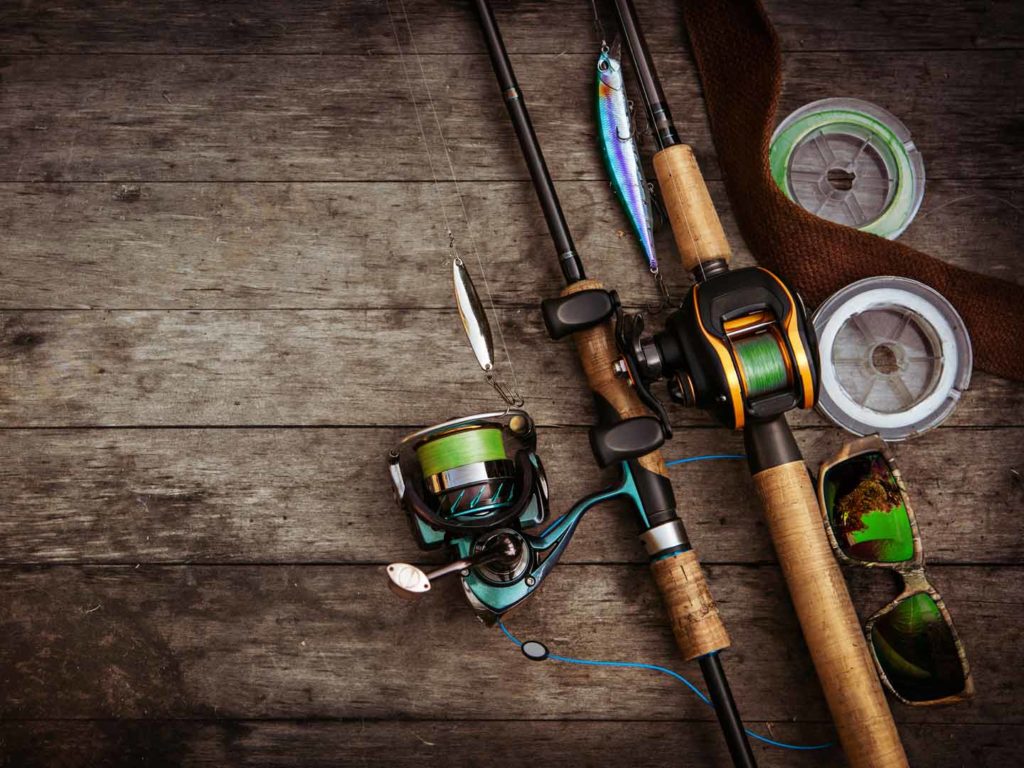
Setting up your fishing rod might seem a bit overwhelming at first, but once you learn the basics, it becomes second nature. Imagine standing by a tranquil lake, the early morning sun casting a golden hue over the water.
You’re ready to cast your line, but wait—are you sure your fishing rod is set up correctly? Getting it right not only boosts your confidence but also increases your chances of a successful catch. In this guide, you’ll discover step-by-step instructions to set up your fishing rod like a pro.
Whether you’re a beginner or just need a quick refresher, you’ll find valuable tips that make the process easy and enjoyable. Dive in to ensure your next fishing trip is smooth and stress-free.

Credit: www.reddit.com
Choosing The Right Fishing Rod
Choosing the right fishing rod is important for a good fishing experience. The rod you pick affects how well you can cast and catch fish.
This guide will help you understand the types of rods, how to select the right length and power, and match your rod to your fishing style.
Types Of Fishing Rods
Fishing rods come in several types. Each type fits different fishing needs and fish species.
- Spinning Rods: Easy to use, good for beginners and light lures.
- Baitcasting Rods: Offer more control and power for bigger fish.
- Fly Rods: Designed for fly fishing using light flies.
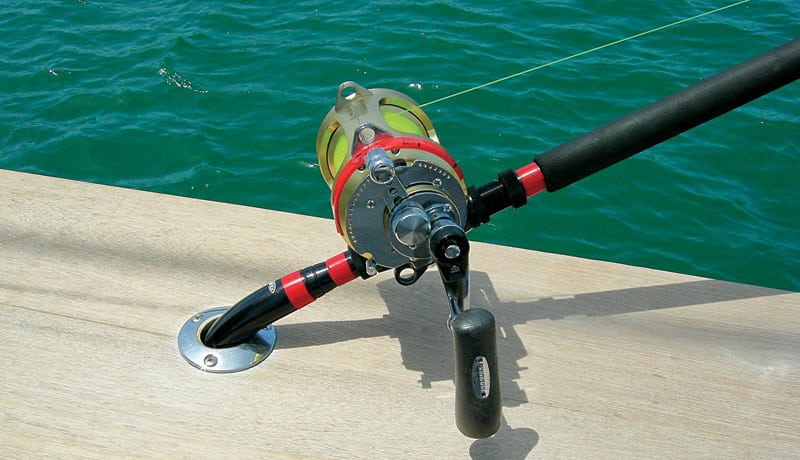
- Trolling Rods: Strong rods used for fishing from a moving boat.
Selecting Rod Length And Power
Rod length and power affect how far you can cast and how strong your rod is.
| Rod Length | Use |
| Short (5-6 feet) | Good for close casting and control |
| Medium (6-7 feet) | Works well for most fishing types |
| Long (7-9 feet) | Best for long casts and open water |
| Rod Power | Description |
| Light | For small fish and light lures |
| Medium | Versatile for many fish sizes |
| Heavy | For big fish and heavy baits |
Matching Rod To Fishing Style
Your fishing style guides the rod you should use. Different styles need different rod features.
- Freshwater Fishing: Medium length and power rods work well.
- Saltwater Fishing: Use heavy power rods to handle strong fish.
- Fly Fishing: Choose a light, flexible fly rod for casting flies.
- Ice Fishing: Short rods are best for fishing through ice holes.
Credit: www.marlinmag.com
Gathering Essential Gear
Setting up your fishing rod starts with gathering the right gear. Having the right tools helps you fish with ease and success.
Before you begin, make sure you have all the essential items. This guide will help you choose what to get.
Fishing Reel Options
There are different types of fishing reels to match various fishing styles. Pick a reel that fits your needs and skill level.
Common reel types include spinning, baitcasting, and spincast reels. Each has pros and cons.
- Spinning reels:Easy to use and good for beginners.
- Baitcasting reels:Offer better control and power for experienced anglers.
- Spincast reels:Simple design, good for kids and casual fishing.
Picking The Right Fishing Line
The fishing line connects your rod to the bait or lure. Choosing the correct line is important for success.
Lines differ in strength, stretch, and visibility. Match the line to the fish you want to catch.
- Monofilament:Stretchy and easy to handle, good for beginners.
- Fluorocarbon:Less visible underwater and sinks faster.
- Braid:Very strong and thin, best for heavy cover fishing.
Necessary Accessories
Besides rod, reel, and line, some accessories make fishing easier and more fun.
These tools help with setup, safety, and catching fish more efficiently.
- Hooks in different sizes for various fish.
- Sinkers to help your bait sink to the right depth.
- Bobbers to show when a fish bites.
- Pliers or a multitool for removing hooks safely.
- Line cutters or scissors to trim fishing line.
- A tackle box to keep all gear organized.
Assembling The Rod And Reel
Setting up your fishing rod and reel correctly makes fishing easier. This guide shows how to put them together step by step.
Follow these instructions to attach the reel, thread the line, and secure it for a smooth fishing experience.
Attaching The Reel To The Rod
Hold the fishing rod with the reel seat facing up. Slide the reel foot into the reel seat on the rod.
Tighten the reel seat by turning the locking nut until the reel is secure. Make sure the reel does not move.
Threading The Line Through Guides
Start by pulling the fishing line from the reel spool. Pass the line through the guides starting at the bottom near the reel.
Continue threading the line through each guide up to the tip of the rod. Keep the line tight to avoid tangles.
- Begin at the guide closest to the reel
- Pass the line through every guide
- Ensure the line is straight and tight
Securing The Line To The Reel
Make a loop around the reel spool with the line. Tie a strong knot to hold the line in place.
Trim any extra line after the knot. Pull the line to check if it is firmly attached to the reel.
- Wrap the line around the spool
- Tie an arbor knot or similar strong knot
- Cut off excess line close to the knot
- Test the line by pulling gently
Setting The Drag System
The drag system controls the line tension on your fishing rod. It helps stop the fish from pulling too hard.
Setting the drag properly protects your line and improves your chances of catching fish.
Purpose Of Drag
The drag lets the fishing line slip when a fish pulls hard. This stops the line from breaking.
It also tires out the fish so you can reel it in more easily.
Adjusting Drag For Different Fish
Different fish need different drag settings. Adjust the drag to match the fish size and strength.
Use lighter drag for small fish and stronger drag for big fish.
- Small fish: Set drag low to avoid snapping the line
- Medium fish: Medium drag for balance and control
- Large fish: Strong drag to handle powerful runs
Choosing And Tying The Hook
Setting up your fishing rod starts with choosing the right hook. The hook must match the fish you want to catch.
Tying the hook properly keeps your bait secure and helps you catch fish more easily.
Selecting Hook Size And Type
Hooks come in many sizes and shapes. Pick one based on the fish size and the bait you use.
| Hook Size | Fish Type | Bait Type |
| Small (10-14) | Small fish, panfish | Worms, small insects |
| Medium (6-9) | Trout, bass | Minnows, larger worms |
| Large (1-5) | Catfish, pike | Large minnows, cut bait |
Basic Knot Techniques
Tying a strong knot keeps the hook tied to the line. A weak knot can lose fish.
- Thread the line through the hook eye twice.
- Wrap the tag end around the main line five times.
- Pass the tag end back through the loop near the hook eye.
- Pull both ends to tighten the knot.
- Trim the extra tag end close to the knot.

Credit: www.youtube.com
Adding Bait Or Lures
Choosing the right bait or lure is key to a good fishing experience. It helps attract the fish you want to catch.
This guide explains two main options: live bait and artificial lures. Each has its uses and tips for best results.
Live Bait Options
Live bait is natural and moves on its own. This movement often attracts fish more than still bait.
- Worms: Easy to find and good for many fish types.
- Minnows: Small fish that work well for larger fish.
- Crickets: Great for freshwater fishing.
- Leeches: Used for catching catfish and bass.
- Shrimp: Popular in saltwater fishing.
Attach live bait carefully to keep it alive and moving in the water.
Using Artificial Lures
Artificial lures imitate the look and movement of real bait. They come in many shapes and colors.
| Lure Type | Best For | Notes |
| Spinnerbaits | Freshwater bass | Flash and vibration attract fish |
| Soft Plastics | Various species | Can mimic worms or small fish |
| Jigs | Bottom feeders | Heavy head helps sink fast |
| Crankbaits | Active fish | Dives to different depths |
| Topwater Lures | Surface feeding fish | Create splashes and noise |
Match the lure color and size to the water conditions and target fish.
Casting Techniques
Setting up your fishing rod correctly helps improve your casting. Good casting techniques make fishing more fun and effective.
Learn about grip, stance, and casting methods to get better at fishing. Avoid common mistakes to catch more fish.
Grip And Stance Tips
Hold the rod firmly but not too tight. Your grip affects how far and accurate you cast.
Stand with your feet shoulder-width apart. This stance gives balance and control when casting.
- Use your dominant hand to hold the rod handle.
- Place your thumb on top of the rod for better control.
- Bend your knees slightly to stay stable.
- Face your target before starting the cast.
Basic Casting Methods
The overhead cast is the most common casting method. It helps you cast far and straight.
The sidearm cast works well in windy places or when you need a low line.
- Overhead cast: Lift the rod behind you and then flick it forward smoothly.
- Sidearm cast: Swing the rod sideways, keeping it low to the water.
- Roll cast: Use when there is little room behind you for a back cast.
Common Casting Mistakes To Avoid
Do not hold the rod too tight. It can make your cast weak and less accurate.
Avoid jerky or rushed movements. Smooth motions give better control and distance.
- Backing the rod too far can cause tangles or line breaks.
- Not watching your line can cause knots and snags.
- Using too much force wastes energy and reduces accuracy.
- Ignoring your stance can make you lose balance.
Maintaining Your Fishing Rod
Keeping your fishing rod in good shape helps it last longer. Regular care prevents damage and keeps it working well.
This guide covers how to clean, store, and check your rod for repairs. Follow these tips to protect your gear.
Cleaning And Storage
After each fishing trip, clean your rod carefully. Dirt, salt, and water can cause wear if left on the rod.
- Rinse the rod with fresh water to remove salt and dirt.
- Use a soft cloth to wipe down the rod and guides.
- Dry the rod completely before storing it.
- Store the rod in a cool, dry place away from direct sunlight.
- Use rod sleeves or cases to protect the rod from scratches.
Routine Checks And Repairs
Check your fishing rod regularly for damage. Fixing small problems early stops bigger issues.
| Part | What to Check | Action |
| Rod Guides | Look for cracks or bends | Replace damaged guides |
| Reel Seat | Check for tightness and rust | Tighten or clean as needed |
| Rod Blank | Inspect for scratches or cracks | Sand minor scratches; replace if cracked |
| Handle | Check grip condition | Clean or replace worn grips |
Frequently Asked Questions
How Do I Choose The Right Fishing Rod Length?
Choose a rod length based on your fishing style. Longer rods cast farther, while shorter rods offer better control. For beginners, a 6 to 7-foot rod is ideal. Consider the type of fish and water environment when selecting rod length.
What Is The Best Way To Attach The Reel?
Align the reel foot with the reel seat on the rod. Slide the reel foot into the seat and tighten the locking mechanism securely. Ensure the reel is firmly attached to prevent wobbling during casting or retrieval.
How Should I Spool My Fishing Line Correctly?
Attach the line to the reel spool with an arbor knot. Keep tension on the line while winding it evenly onto the spool. Avoid overfilling to prevent tangles. Proper spooling ensures smooth casting and reduces line twist.
When Do I Need To Use A Fishing Rod Guide?
Rod guides direct the line from reel to tip, reducing friction. Use guides to improve casting accuracy and protect the line from damage. Check that guides are aligned and free from cracks before fishing.
Conclusion
Setting up your fishing rod is easier than it seems. Follow each step slowly and carefully. Check your line, reel, and rod before you fish. Practice tying knots to keep your bait secure. Take your time to adjust the drag properly.
With patience, you will enjoy fishing more. Remember, every fisherman started just like you. Keep learning and trying new techniques. Soon, fishing will feel natural and fun. Enjoy your time by the water and catch many fish.