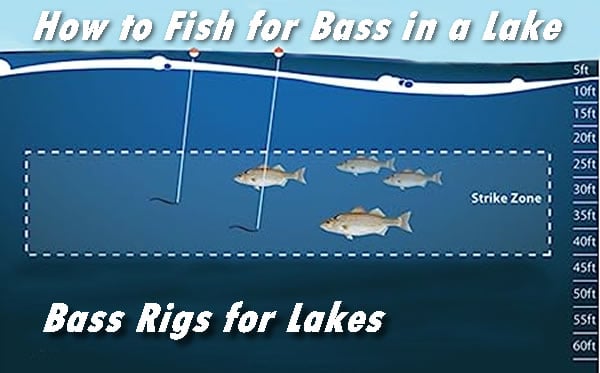
Setting up your line correctly is one of the most important steps to catch more bass. If your line isn’t right, you could miss bites, lose fish, or even break your gear.
But don’t worry—this guide will show you exactly how to set up your line so you get the best results every time you fish. Whether you’re just starting or want to improve, you’ll learn simple tips that make a big difference.
Keep reading, and soon you’ll feel more confident and ready to land that big bass.

Credit: mysterytacklebox.com
Choosing The Right Line
Choosing the right fishing line is important for bass fishing success. The line affects how you cast, how you feel the bite, and how you fight the fish.
Different types of lines work better in different situations. This guide helps you pick the best line for your fishing needs.
Monofilament Vs. Braided Vs. Fluorocarbon
Monofilament, braided, and fluorocarbon lines each have unique features. Monofilament is stretchy and easy to handle. Braided line is very strong and thin. Fluorocarbon is nearly invisible underwater.
- Monofilament:Good for beginners and general use.
- Braided:Best for heavy cover and long casts.
- Fluorocarbon:Ideal for clear water and wary fish.
Line Strength And Test Ratings
Line strength is measured by its test rating. This rating shows how much weight the line can hold before breaking. Choose a test rating that matches the size of bass you want to catch.
| Line Type | Common Test Ratings (lbs) | Best Use |
| Monofilament | 6 – 12 | Light to medium cover |
| Braided | 20 – 50 | Heavy cover and big fish |
| Fluorocarbon | 8 – 20 | Clear water and finesse fishing |
Considering Water Conditions
Water clarity and type affect line choice. Clear water needs low visibility line. Murky water lets you use stronger, thicker lines.
- Clear water: Use fluorocarbon for invisibility.
- Stained water: Monofilament works well.
- Heavy cover or weeds: Braided line helps avoid breaks.
Selecting The Proper Rod And Reel
Choosing the right rod and reel is important for bass fishing. The correct setup helps you cast better and catch more fish.
This guide explains how to match rod action to your fishing line and the types of reels best for bass fishing.
Matching Rod Action To Line
Rod action affects how the rod bends and works with your fishing line. It changes how you feel the fish and how you set the hook.
- Fast action rodsbend near the tip. They work well with light lines for quick hook sets.
- Medium action rodsbend in the top half. They are good for general bass fishing with medium lines.
- Slow action rodsbend along the whole length. They suit heavy lines and help fight big fish gently.
Choose a rod with action that matches your line weight. This balance improves casting and control.
Reel Types For Bass Fishing
There are three main reel types used in bass fishing. Each has strengths for different fishing styles.
| Reel Type | Description | Best Uses |
| Spinning Reel | Easy to use and versatile. Good for light lines and lures. | Fishing with small baits and finesse techniques. |
| Baitcasting Reel | Offers better control and power. Ideal for heavier lines and big lures. | Casting accuracy and heavy cover fishing. |
| Spincast Reel | Simple design, good for beginners. Less control than others. | Casual fishing and kids learning to fish. |
Pick a reel that fits your skill level and the type of bass fishing you want to do.
Line Spooling Techniques
Spooling your line correctly is key for successful bass fishing. It helps you cast better and keeps your line in top shape.
Learn how to prepare your reel and avoid line tangles for a smooth fishing trip.
Preparing Your Reel
Start by cleaning your reel. Remove any dirt or old line. This ensures the new line spools smoothly.
Choose the right line for your reel. Check the reel’s specifications for line weight and type.
- Use monofilament for beginners
- Fluorocarbon is good for clear water
- Braid works well in heavy cover
Avoiding Line Twist And Tangles
Line twist can ruin your fishing. Always spool the line in the same direction it comes off the spool.
Fill the spool until it’s almost full, but leave a small gap. This prevents tangles and improves casting distance.
- Keep the line tight while spooling
- Check for twists after spooling
- Use a line conditioner for smooth casting
Knot Tying For Bass Fishing
Tying the right knot is key to catching bass. A strong knot keeps your line from breaking.
Good knots help you fish with confidence. They make sure your lure stays secure in the water.
Best Knots For Strength
Choose knots that hold tight under pressure. Some knots work better with certain lines and lures.
- Palomar Knot – strong and easy to tie
- Improved Clinch Knot – good for thin lines
- Uni Knot – versatile and reliable
- Loop Knot – keeps lure movement natural
- San Diego Jam Knot – great for braided lines
Step-by-step Knot Instructions
| Knot | Steps |
| Palomar Knot |
|
| Improved Clinch Knot |
|
| Uni Knot |
|
Adjusting Line For Different Lures
Setting your fishing line correctly helps you catch more bass. Different lures need different line types and strengths.
Adjusting your line improves lure action and hook sets. This guide shows how to tune your line for topwater and deep diving lures.
Topwater Vs. Deep Diving Lures
Topwater lures float on the surface, so your line should be light and sensitive. Deep diving lures go deep, needing stronger, more abrasion-resistant line.
- Use lighter line (6-10 lb test) for topwater lures to avoid spooking bass.
- Choose stronger line (12-20 lb test) for deep diving lures to handle pressure and obstacles.
- Fluorocarbon line works well for deep diving lures because it sinks and is tough.
- Monofilament line suits topwater lures for better float and lure action.
Line Visibility And Sensitivity
Line visibility can scare bass. Sensitivity helps you feel bites and lure movement.
| Line Type | Visibility | Sensitivity |
| Fluorocarbon | Low | High |
| Monofilament | Medium | Medium |
| Braided | High | Very High |
Choose a low-visibility line in clear water to avoid spooking fish. Use sensitive line to detect light bites, especially with subtle lures.

Credit: www.amazon.com
Maintaining Your Fishing Line
Keeping your fishing line in good shape is important for catching bass. A strong line helps you avoid losing fish. Regular care makes your line last longer and work better.
Checking your line often and knowing when to replace it keeps you ready on the water. These simple steps can improve your fishing experience.
Checking For Damage And Wear
Look at your line closely before each fishing trip. Check for cuts, nicks, or frays that can weaken the line. Also, feel for rough spots that can cause breaks.
Sunlight and water wear down your line over time. Even if it looks fine, old line can lose strength. Pay attention to any signs of damage to avoid losing bass.
- Look for small cuts or tears
- Feel for rough or thin spots
- Check for discoloration from sun exposure
- Test the line’s strength by gently pulling it
Replacing Line At The Right Time
Change your fishing line after several trips or if you see damage. Old line can snap easily during a fight with a bass. Fresh line improves casting and strength.
Replace your line more often if you fish in rough areas. Rocks and weeds can cause damage that is hard to see. Keeping your line new helps you catch more bass.
- Replace line every few fishing trips
- Change line if you find damage
- Use fresh line before a big fishing trip
- Store line away from sunlight and heat

Credit: mysterytacklebox.com
Frequently Asked Questions
What Is The Best Fishing Line For Bass Fishing?
Monofilament and fluorocarbon lines are ideal for bass fishing. Monofilament offers stretch and flexibility. Fluorocarbon is nearly invisible underwater and abrasion-resistant. Choose a line strength between 8-15 pounds for most bass fishing situations.
How Do I Properly Spool My Fishing Line For Bass?
Attach the line to the reel spool with an arbor knot. Keep tension on the line while spooling. Fill the spool to about 1/8 inch from the edge. This prevents line tangles and improves casting distance.
What Line Strength Is Suitable For Bass Fishing?
A 8 to 15-pound test line works well for bass. Lighter lines provide better sensitivity and casting distance. Heavier lines offer more strength for large bass or heavy cover fishing. Match line strength to your fishing environment.
When Should I Choose Fluorocarbon Over Monofilament Line?
Use fluorocarbon in clear water for less visibility. It sinks faster, making it good for deep or fast presentations. Monofilament is better for topwater lures and provides more stretch. Select line type based on water clarity and fishing style.
Conclusion
Setting up your line right helps catch more bass fish. Choose the right line strength and type for your spot. Tie strong knots and check your gear often. Practice makes your casting smooth and accurate. Small changes can make a big difference.
Enjoy the calm water and focus on your technique. Keep learning and trying new methods to improve. Fishing gets easier with patience and good setup. Now, go out and have fun catching bass!