Setting up your fishing rod the right way can make all the difference between a frustrating day and an exciting catch. If you’ve ever struggled with tangled lines or missed bites, this guide is for you.
You’ll learn simple, step-by-step instructions to get your rod ready quickly and confidently. By the end, you’ll feel prepared and eager to hit the water, knowing your gear is set up perfectly. Let’s dive in and make sure your next fishing trip is a success!
Credit: www.texaskayakfisher.com
Choosing The Right Rod
Picking the right fishing rod is key for a good fishing trip. The rod affects how you cast, hook, and land fish.
This guide helps you choose a rod by looking at types, length, power, and materials.
Types Of Fishing Rods
Fishing rods come in different types. Each type fits certain fishing styles and fish sizes.
- Spinning rods: Good for light lures and easy casting.
- Baitcasting rods: Offer more control for heavier lures.
- Fly rods: Made for fly fishing with light lines.
- Trolling rods: Used for dragging bait behind a boat.
Selecting Rod Length And Power
Rod length affects casting distance and control. Power shows how strong the rod is.
| Rod Length | Best Use |
| 5 to 6 feet | Close casting, small spaces |
| 7 to 8 feet | General fishing, good balance |
| 9 feet or longer | Long casting, big fish |
| Power | Description |
| Light | Small fish, light lures |
| Medium | Average fish, versatile use |
| Heavy | Big fish, heavy lures |
Material Considerations
Rod material changes the rod’s weight, strength, and feel. Choose what fits your fishing style.
Common rod materials include:
- Fiberglass:Durable and flexible but heavier.
- Graphite:Light and sensitive, good for feeling bites.
- Composite:Mix of fiberglass and graphite for balance.

Credit: www.youtube.com
Picking The Suitable Reel
Choosing the right reel is key to enjoying fishing. The reel affects casting, control, and comfort. Knowing your options helps you pick the best one.
This guide covers types of reels, matching reels to rods, and how to keep your reel in good shape.
Spinning Vs Baitcasting Reels
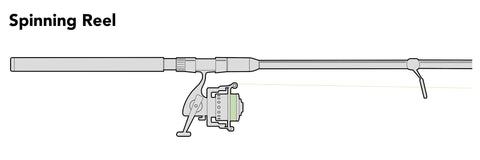
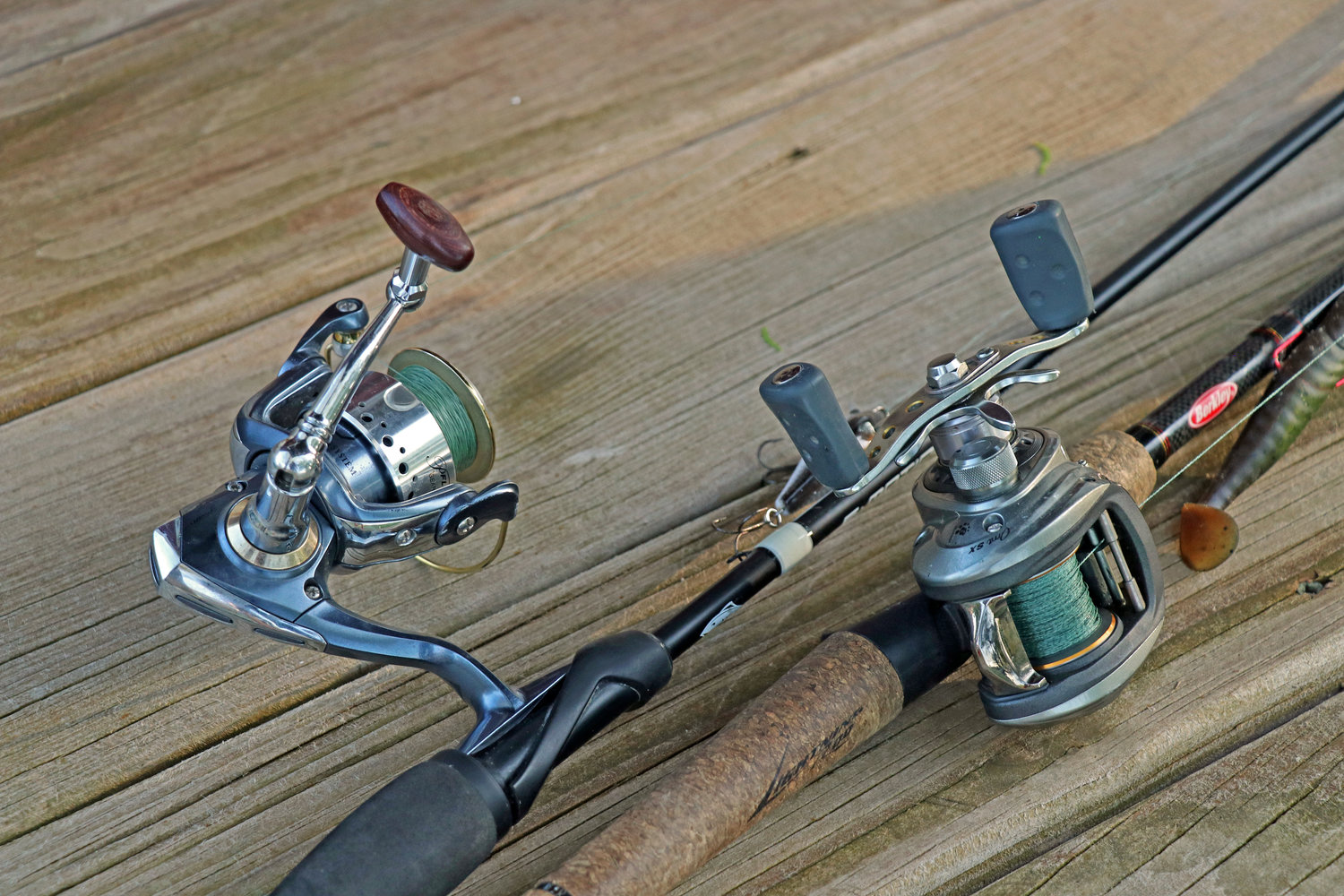
Spinning reels are easy to use and good for beginners. Baitcasting reels offer more control and power but need practice.
- Spinning Reels:Simple design, less line tangles, best for light lures.
- Baitcasting Reels:Precise casting, strong drag, ideal for heavy lures.
Matching Reel To Rod
Your reel should fit your rod well to work properly. A wrong match can cause discomfort or poor performance.
| Rod Type | Recommended Reel | Notes |
| Light spinning rod | Spinning reel | Best for small fish and light lines |
| Medium baitcasting rod | Baitcasting reel | Good for medium-sized fish and heavier lures |
| Heavy casting rod | Baitcasting reel | Ideal for large fish and strong drag |
Reel Maintenance Tips
Keep your reel clean and oiled to last longer. Check parts and fix issues early.
- Rinse reel with fresh water after use
- Dry reel before storing it
- Apply oil to moving parts regularly
- Tighten screws and check for wear
- Store reel in a cool, dry place
Selecting The Fishing Line
Choosing the right fishing line is crucial for successful fishing. The line connects you to the fish, so it must be strong and suitable for the task.
There are different types of lines available. Each type has its own strengths and weaknesses. Understanding these can help you choose the best one for your needs.
Line Types And Their Uses
Fishing lines come in various types. The main types are monofilament, fluorocarbon, and braided lines. Each type serves different purposes.
- Monofilament: Good for beginners, stretches, and is easy to handle.
- Fluorocarbon: Invisible underwater, great for clear water fishing.
- Braided: Strong and thin, ideal for heavy cover and deep water.
Line Strength And Diameter
Line strength is measured in pounds. It indicates how much weight the line can handle before breaking. Choose a line strength that matches the fish you are targeting.
The diameter of the line affects its visibility and how it cuts through the water. Thinner lines are less visible and provide better lure action.
Proper Spooling Techniques
Spooling your line correctly prevents tangles and ensures smooth casting. Start by attaching the line to your reel spool tightly.
Fill the reel with line until it is almost full, but leave a small gap. This helps in preventing knots and ensures better line management.
- Keep tension on the line as you spool.
- Avoid overfilling the reel.
- Check for twists and correct them as you spool.

Credit: fishgenix.com
Attaching The Reel To Rod
Attaching the reel to your fishing rod is an important step. It helps you fish smoothly and catch fish easily.
Follow simple steps to secure the reel and align it properly. This will keep your gear safe and balanced.
Securing The Reel Seat
First, place the reel foot into the reel seat on the rod. The seat is usually near the handle.
Tighten the reel seat by turning the locking rings or screws. Make sure it holds the reel firmly.
- Slide the reel foot into the seat
- Turn the locking ring to tighten
- Check that the reel does not move
Aligning The Reel Properly
Make sure the reel handle faces the right side for your fishing style. This helps you cast and reel easily.
The reel should line up straight with the rod guides. This keeps the line smooth and prevents tangles.
- Check the reel handle side (left or right)
- Align the reel with rod guides
- Adjust before fully tightening the reel seat
Threading The Line
Threading the line is a key step to set up your fishing rod. It helps the line move smoothly when casting and reeling.
Doing this right prevents tangles and makes fishing easier and more fun.
Guides And Their Purpose
Fishing rods have small rings called guides. These guides run along the rod’s length. They keep the fishing line in place.
Guides help control the line during casting and reeling. They stop the line from tangling or rubbing against the rod.
- Keep the line straight and smooth
- Reduce friction for better casting distance
- Protect the line from wear and tear
- Help balance the rod while fishing
Step-by-step Line Threading
Start by opening the bail arm on your reel. This lets the line come off freely. Then, take the end of your fishing line.
Thread the line through each guide, starting from the bottom near the reel to the tip of the rod.
- Open the bail arm on the reel
- Pass the line through the first guide near the reel
- Continue threading the line through each guide up to the rod tip
- Close the bail arm after threading
- Tie the line to the reel spool securely
- Pull the line tight and trim any excess
Tying The Knot
Tying the right knot is key to setting up your fishing rod. A strong knot keeps your line secure and ready to catch fish.
Good knots prevent your line from slipping or breaking. Learning a few knots will help you fish with confidence.
Common Fishing Knots
There are many knots for fishing, but some are used more than others. These knots work well for most situations.
- Improved Clinch Knot – Great for attaching hooks and lures.
- Palomar Knot – Very strong and easy to tie.
- Uni Knot – Good for tying lines to reels or hooks.
- Bunny Ear Loop Knot – Creates a loop for attaching baits.
- Blood Knot – Joins two lines together.
Knot Tying Tips For Beginners
Start with clean, dry hands to hold the line better. Practice knots slowly until you feel comfortable.
Make sure to wet the knot before tightening. This reduces friction and keeps the line from weakening.
- Use enough wraps around the line for a strong knot.
- Pull the knot tight and trim excess line close to the knot.
- Check knots regularly for wear or loosening.
Adding Hooks And Baits
Setting up your fishing rod correctly helps catch more fish. Adding the right hooks and baits is key to success.
This guide shows how to choose hooks for different fish and attach live or artificial baits.
Choosing Hooks For Different Fish
Select hooks based on fish size and type. Using the wrong hook can scare fish or break the line.
| Fish Type | Recommended Hook Size | Hook Style |
| Trout | 10-14 | Streamlined |
| Bass | 2-6 | Wide Gap |
| Catfish | 4/0-6/0 | Circle Hook |
| Panfish | 8-12 | Aberdeen |
Attaching Live And Artificial Baits
Attach bait firmly to keep it on the hook. Different baits need different methods.
- For live worms, thread the hook through the middle to allow movement.
- For minnows, hook behind the dorsal fin or lips carefully.
- For artificial lures, follow the manufacturer’s instructions to attach securely.
- Check bait often to replace it if it falls off or dies.
Casting Techniques
Casting is a key skill for fishing with a rod. It helps you place the bait where fish are. Good casting saves time and increases your catch chance.
Different casting methods suit different fishing spots and fish types. Learning these methods makes fishing easier and more fun.
Basic Casting Methods
There are simple ways to cast your fishing rod. Each method works best in certain conditions. Practice these to find what fits you.
- Overhead Cast:Lift the rod behind you and bring it forward smoothly to release the line.
- Sidearm Cast:Swing the rod sideways for a lower and longer cast, good for windy days.
- Roll Cast:Use this in tight spaces by rolling the line on the water before casting forward.
Improving Accuracy And Distance
Good casting means placing your lure where fish are hiding. It also means casting far enough to reach those spots. You can improve both with practice.
| Tip | How It Helps | Example |
| Hold the rod firmly | Better control of the cast | Grip the handle tightly but not too hard |
| Watch your line | Avoid tangles and improve aim | Keep the line straight when casting |
| Use your wrist | Add speed and distance | Snap your wrist forward at release |
| Practice timing | Release the line at the right moment | Release when the rod tip points forward |
Rod And Reel Care
Taking care of your fishing rod and reel helps them last longer. Proper care keeps your gear working well.
Simple cleaning and storage steps protect your equipment from damage and rust.
Cleaning After Use
Clean your rod and reel after every fishing trip. This removes dirt, salt, and fish slime.
Use fresh water and a soft cloth to wipe down all parts gently.
- Rinse rod and reel with fresh water
- Wipe with a soft, dry cloth
- Use mild soap if needed for tough grime
- Dry completely before storing
Storage Tips To Extend Lifespan
Store your fishing rod and reel in a dry, cool place. Avoid direct sunlight and humidity.
Keep the rod straight and the reel loose to avoid damage and tension.
- Use rod holders or racks to keep rods straight
- Loosen the reel drag before storage
- Store gear away from heat and moisture
- Cover reels to protect from dust
Frequently Asked Questions
How Do I Choose The Right Fishing Rod?
Select a rod based on fishing type, target species, and environment. Consider rod length, power, and action for best results.
What Are The Basic Steps To Set Up A Fishing Rod?
Attach the reel, thread the line through guides, tie a knot, and add bait or lure. Adjust drag and test casting.
How Do I Properly Attach The Fishing Reel?
Align the reel foot with the rod seat. Secure it tightly by turning the reel seat locking mechanism until firm.
What Type Of Fishing Line Should I Use?
Choose line strength and type based on fish size and water conditions. Monofilament is versatile, braided is strong, fluorocarbon is invisible.
Conclusion
Setting up a fishing rod is easier than it seems. Follow the steps carefully and take your time. Use the right parts and check your work often. Practice casting to get comfortable with your rod. Enjoy the quiet moments by the water.
Fishing can be relaxing and fun for everyone. Keep learning and try different setups as you go. Soon, you will feel confident and ready to catch fish. Remember, patience is key to a good fishing experience.