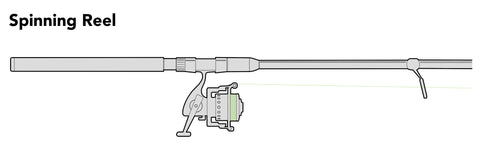
Setting up your fishing rod the right way can make all the difference between a frustrating day and an amazing catch. If you’ve ever felt unsure about how to get your rod ready, you’re not alone.
This guide will walk you through every step, making it simple and clear. By the end, you’ll have the confidence to cast your line like a pro. Ready to turn your fishing trips into success stories? Let’s dive in and get your rod set up perfectly.
Choosing The Right Rod
Picking the right fishing rod is important for a good fishing experience. The rod affects how you cast and catch fish.
Consider what type of fishing you will do before choosing your rod. This helps you find the best fit.
Types Of Fishing Rods
Fishing rods come in many types. Each one suits a different fishing style or environment.
- Spinning rods are good for light lures and easy casting.
- Baitcasting rods offer better control for heavier lures.
- Fly rods are made for fly fishing with light lines.
- Telescopic rods collapse for easy transport and storage.
Selecting Rod Length And Power
Rod length affects casting distance and control. Power means how strong the rod is.
| Rod Length | Use |
| 5 to 6 feet | Close casting, small spaces |
| 6 to 7 feet | General use, good control |
| 7 to 9 feet | Long casts, open water |
| Rod Power | Description |
| Light | Small fish, light lures |
| Medium | Average size fish |
| Heavy | Large fish, heavy lures |
Matching Rod To Target Fish
Choose a rod that fits the size and strength of the fish you want to catch.
- Small fish need a light rod for sensitivity.
- Medium fish require a medium power rod for balance.
- Large fish need a heavy rod to handle the fight.
- Check local fish types to match your rod correctly.

Credit: www.youtube.com
Essential Fishing Gear
Setting up a fishing rod correctly helps you catch fish easier. You need the right gear for the best experience.
This guide covers key items like reels, fishing lines, and other necessary accessories for fishing.
Picking The Proper Reel
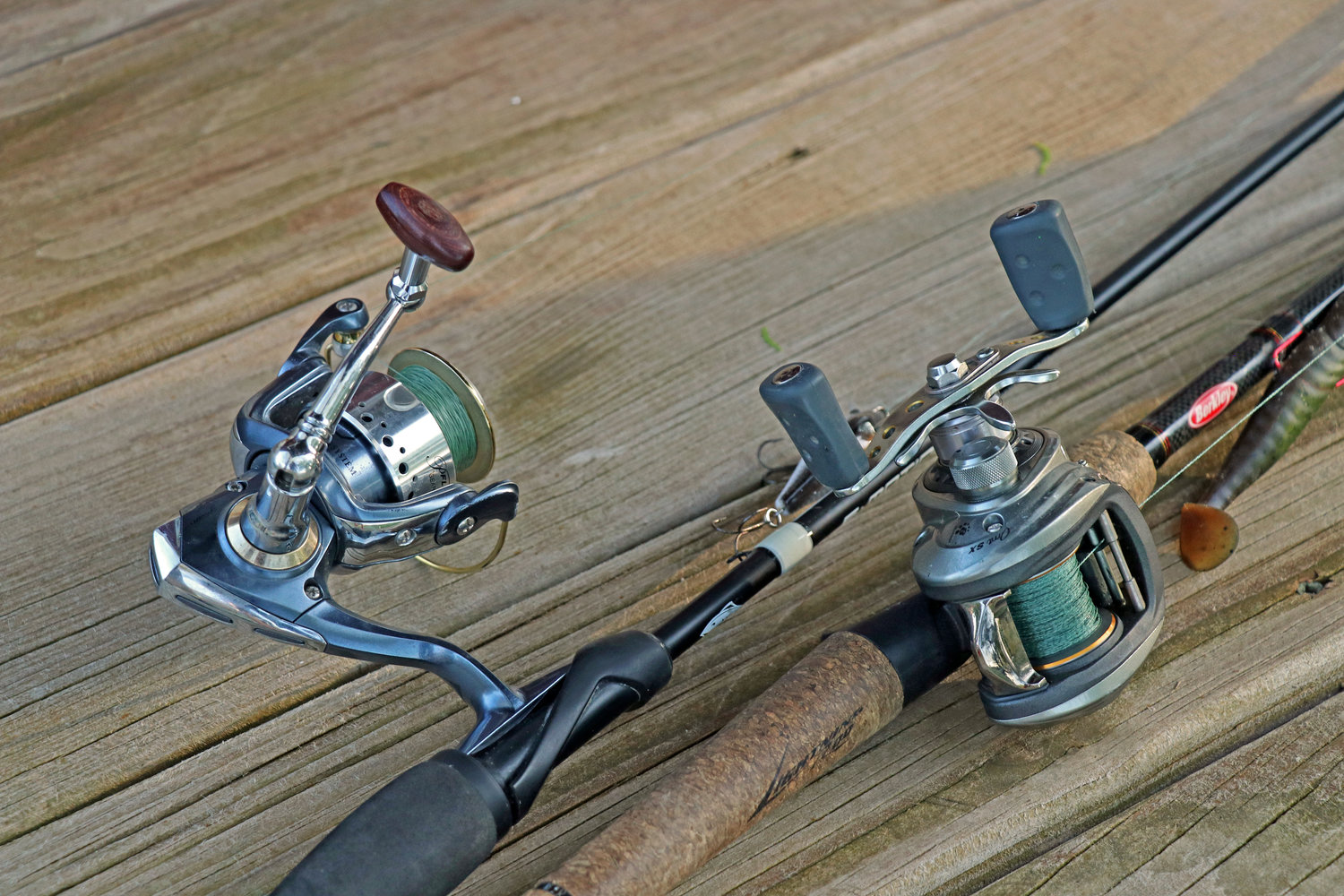
The reel holds the fishing line and helps you cast and retrieve. Choose a reel that fits your rod and fishing style.
Spinning reels are easy to use and good for beginners. Baitcasting reels offer more control but need practice.
- Match reel size to your rod
- Pick spinning reels for light fishing
- Use baitcasting reels for heavy lures
- Check the reel’s drag system for smooth control
Fishing Line Options
The fishing line connects your reel to the hook. Pick a line that suits the fish you want to catch.
Monofilament lines are soft and stretch well. Braided lines are strong and thin. Fluorocarbon lines are invisible underwater.
| Type | Strength | Best Use |
|---|---|---|
| Monofilament | Medium | General fishing, beginners |
| Braided | High | Heavy cover, big fish |
| Fluorocarbon | Medium-High | Clear water, stealth fishing |
Necessary Accessories
Some tools and accessories make fishing easier and safer. Bring these items on every trip.
- Hooks of different sizes
- Sinkers to help the bait sink
- Bobbers to keep bait at the right depth
- Pliers for removing hooks
- A tackle box to organize gear
- Line cutters or scissors
Assembling Your Rod
Setting up your fishing rod correctly helps you enjoy fishing more. It makes casting easier and improves your catch.
Follow simple steps to put your rod together. This guide covers attaching the reel, threading the line, and securing the guides.
Attaching The Reel
First, place your reel on the reel seat of the rod. The reel seat is near the handle, designed to hold the reel firmly.
Slide the reel foot into the seat and tighten the locking rings. Make sure the reel is secure and does not move.
Threading The Line
Pull the fishing line from the reel spool. Start threading the line through the rod guides, beginning from the bottom.
Pass the line through each guide smoothly until you reach the rod tip. Keep the line tight to avoid tangles.
- Open the reel bail arm before pulling the line.
- Thread the line through each guide carefully.
- Close the bail arm once threading is complete.
Securing The Guides
Check that all the rod guides are straight and aligned. Proper guide placement helps the line flow smoothly.
If guides are loose, tighten them carefully. Use thread or tape to keep them fixed if needed.
- Inspect each guide for damage or looseness.
- Align guides in a straight line along the rod.
- Secure loose guides with thread or tape.
Credit: www.texaskayakfisher.com
Setting Up The Line
Setting up the fishing line correctly helps you catch fish more easily. It involves choosing the right knot, tying hooks and lures, and adjusting line tension for smooth casting.
Each part of the setup affects how well your rod works. Take time to do it right for a better fishing experience.
Choosing The Right Knot
A good knot keeps your line strong and holds the hook firmly. Different knots work better for various fishing lines and conditions.
- Palomar Knot: Strong and easy to tie, good for braided lines.
- Improved Clinch Knot: Common and reliable for most fishing lines.
- Loop Knot: Creates a small loop for natural lure movement.
- Bimini Twist: Adds extra strength to the line for big fish.
Tying Hooks And Lures
Tying hooks and lures securely ensures they do not fall off while fishing. Use the correct knot and check the knot tightness before casting.
| Hook/Lure Type | Best Knot | Tip |
| Small Hooks | Improved Clinch Knot | Trim excess line close to knot |
| Large Lures | Palomar Knot | Double the line for strength |
| Soft Plastics | Loop Knot | Allows lure to move freely |
Adjusting Line Tension
Proper line tension helps you feel bites and cast smoothly. Tighten the drag system to set tension based on fish size and line strength.
Tips for adjusting line tension:
- Start with light tension for small fish.
- Increase tension for bigger, stronger fish.
- Test tension by pulling the line before fishing.
- Adjust drag knob slowly during fishing if needed.
Balancing Your Setup
Balancing your fishing rod and reel is key for a smooth fishing experience. A well-balanced setup reduces fatigue and improves control.
This guide will help you check balance, adjust comfort, and test your rod’s action and flexibility.
Checking Rod And Reel Balance
Start by attaching the reel to the rod. Hold the rod horizontally at the handle’s center. The rod should stay level without tipping forward or backward.
- If the rod tips forward, the reel may be too light or the rod too heavy.
- If it tips backward, the reel may be too heavy.
- Adjust the reel seat or try a different reel to find better balance.
- A balanced rod feels stable and easy to hold for a long time.
Adjusting For Comfort
Comfort affects how long you can fish without strain. Adjust the rod handle and grip to fit your hand size and style.
| Adjustment | Purpose | Tip |
|---|---|---|
| Handle Length | Fits your hand size | Try different sizes for a snug hold |
| Grip Material | Improves comfort and reduces slip | Choose cork or EVA foam based on preference |
| Reel Seat Position | Balances weight | Slide reel slightly forward or backward |
Testing Flexibility And Action
Flexibility and action affect casting and fish fighting. Test by slowly bending the rod tip toward the handle.
- Rod tip should bend smoothly without sharp kinks.
- Fast action rods bend near the tip, good for quick casts.
- Medium action rods bend further down, offering more flexibility.
- Slow action rods bend almost to the handle, good for gentle presentations.

Credit: fishgenix.com
Maintenance Tips
Keeping your fishing rod in good shape extends its life and improves performance.
Simple care routines can prevent damage and ensure your gear works well every trip.
Cleaning Your Rod And Reel
After fishing, rinse your rod and reel with fresh water to remove dirt and salt.
- Use a soft cloth to wipe down the rod and reel.
- Remove any debris from guides and reel seat.
- Apply a light oil to reel parts to prevent rust.
Storing Equipment Properly
Store your fishing rod in a dry, cool place to avoid warping and corrosion.
| Storage Tip | Reason |
|---|---|
| Keep rods horizontal or upright | Prevents bending or warping |
| Use rod holders or racks | Keeps rods organized and safe |
| Avoid direct sunlight | Protects rod materials from damage |
| Store reels separately with covers | Prevents dust and moisture buildup |
Regular Inspection And Repairs
Check your rod and reel often for signs of wear or damage.
- Look for cracks in the rod blank and damaged guides.
- Test reel drag and handle for smooth operation.
- Replace broken parts promptly to avoid bigger problems.
- Keep spare parts and tools handy for quick fixes.
Frequently Asked Questions
How Do I Assemble A Fishing Rod Step-by-step?
Start by connecting the rod sections securely. Attach the reel to the reel seat. Thread the fishing line through the guides. Tie the appropriate knot to secure the hook or lure. Finally, adjust the drag on the reel for smooth casting.
What Type Of Fishing Line Suits Beginners?
Monofilament line is best for beginners. It is affordable, easy to handle, and versatile. It offers good knot strength and stretches to absorb shocks. This line type helps beginners learn casting and reduces line tangles.
How Do I Choose The Right Rod For Fishing?
Select a rod based on your fishing style and target species. Consider the rod length, power, and action. Lightweight rods suit smaller fish, while heavier rods handle larger catches. Match the rod to your reel for balanced performance.
How To Properly Thread A Fishing Line Through Guides?
Start threading from the tip guide. Pass the line through each guide, moving toward the reel. Keep the line taut to avoid tangles. Proper threading ensures smooth casting and reduces wear on the line.
Conclusion
Setting up a fishing rod is easier than it seems. Follow the steps carefully and take your time. Check the reel, line, and hook before you start fishing. Practice casting to get comfortable with your rod. Remember, patience and practice bring better results.
Enjoy the process and the calm of fishing. Soon, you will feel confident and ready to catch fish. Keep learning and trying new techniques. Fishing can be a fun and relaxing hobby for everyone.