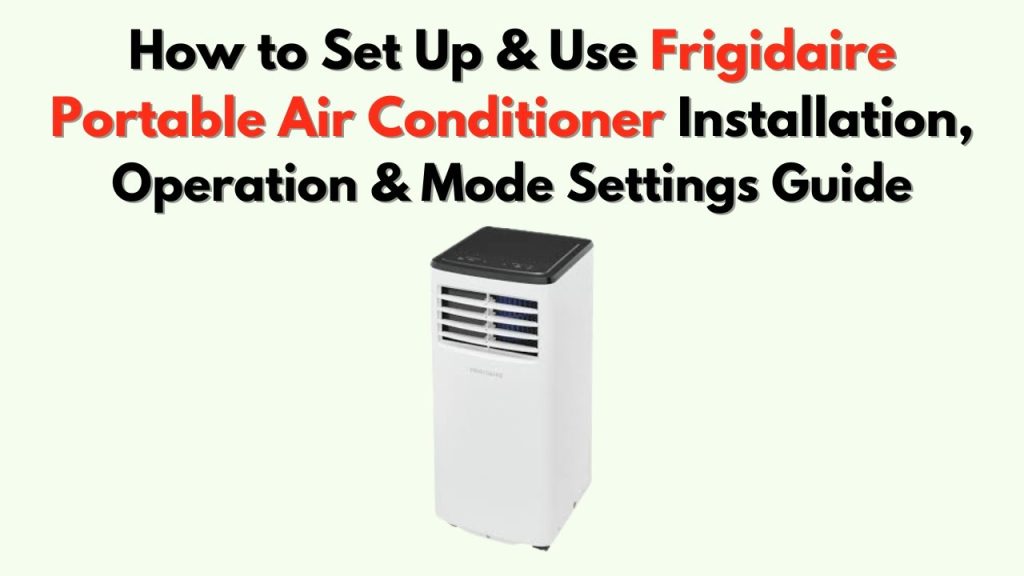
Are you struggling to beat the heat in your home? A portable air conditioner might be just what you need to cool down your space quickly and efficiently.
Setting up a portable air conditioner can seem daunting, but don’t worry—it’s easier than you think. In this guide, you’ll discover simple, step-by-step instructions to get your portable AC up and running in no time. Imagine feeling the refreshing breeze as you relax in your perfectly cooled room.
Dive in to learn how you can transform your home into a comfortable oasis with just a few easy steps. Keep reading to ensure you don’t miss out on the cool comfort you deserve.

Credit: www.youtube.com
Choosing The Right Portable Ac
Picking the right portable air conditioner makes your space comfortable. You need to consider size, type, and energy use.
This guide helps you choose a portable AC that fits your needs and saves energy.
Sizing Your Space
Measure the room where you want to use the portable AC. The size of the room affects the cooling power you need.
Use the square footage to choose the right cooling capacity, often shown in BTUs (British Thermal Units).
| Room Size (sq ft) | Recommended BTU |
| 100 – 300 | 8,000 – 10,000 |
| 300 – 500 | 10,000 – 14,000 |
| 500 – 700 | 14,000 – 18,000 |
| 700 – 1,000 | 18,000 – 24,000 |
Types Of Portable Ac Units
There are different types of portable ACs. Each type works best in certain rooms and situations.
- Single-hose units use one hose to bring in air and send hot air outside.
- Dual-hose units have two hoses, which cool more efficiently.
- Evaporative coolers use water to cool air but work best in dry climates.
Energy Efficiency Ratings
Check the energy efficiency rating before buying. It shows how much power the AC uses compared to its cooling output.
- Look for units with a high Energy Efficiency Ratio (EER).
- Higher EER means lower electricity bills.
- Energy Star certified models meet strict efficiency guidelines.
Preparing The Installation Area
Setting up a portable air conditioner needs a proper space. Preparing the area helps the unit work well.
Focus on the location, clear the space, and check ventilation before starting installation.
Selecting The Ideal Location
Choose a flat surface near a window or door for venting the hot air outside. Avoid direct sunlight or heat sources nearby.
- Pick a spot close to an electrical outlet
- Keep the unit away from furniture and curtains
- Allow enough room to move the air conditioner easily
Clearing The Space
Remove objects and furniture from around the unit. This space helps air flow and stops blockages.
| Item to Clear | Reason |
| Furniture | Allows airflow around the unit |
| Rugs or Carpets | Prevents unit from tipping or blocking vents |
| Small Objects | Stops obstruction of air intake or exhaust |
Ensuring Proper Ventilation
Vent the hot air outside using the included hose and window kit. Make sure the hose is straight and not bent.
Ventilation Tips:
- Use the window kit to seal gaps
- Keep the exhaust hose short and straight
- Do not block the air intake or exhaust
- Check for leaks around the window
Installing The Exhaust Hose
Installing the exhaust hose is important for your portable air conditioner. It helps remove hot air from the room. This guide shows you how to install it correctly.
Follow these steps carefully to ensure your unit works well and cools your space efficiently.
Connecting The Hose To The Unit
First, attach the exhaust hose to the back of the air conditioner. Make sure the hose fits tightly to avoid leaks.
- Align the hose connector with the unit’s exhaust port.
- Push the hose firmly until it clicks in place.
- Check the connection to ensure it is secure and sealed.
Setting Up The Window Kit
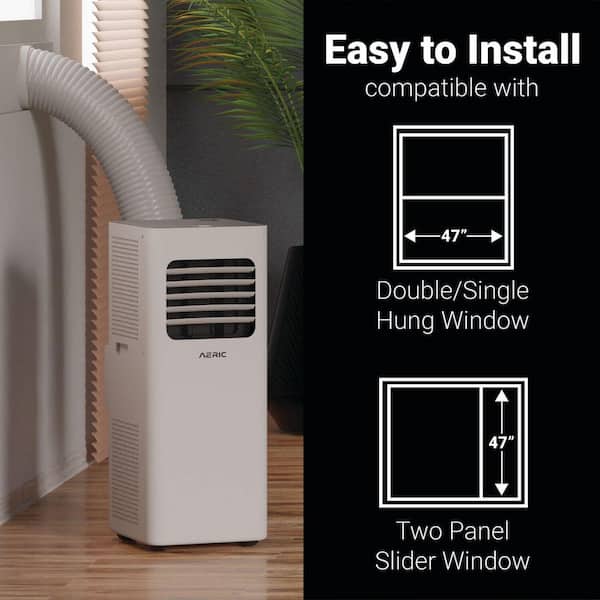
The window kit helps vent hot air outside. Install it in a sliding or casement window.
- Measure your window opening.
- Adjust the window kit panel to fit the window width.
- Place the panel in the window frame.
- Secure the window tightly to hold the panel in place.
- Connect the exhaust hose to the window kit’s round opening.
Sealing Gaps And Openings
Seal all gaps and openings around the window kit to stop warm air from entering. Use weatherstripping or foam seal strips.
| Material | Purpose |
| Foam seal strip | Fill small gaps around window edges |
| Weatherstripping tape | Seal sliding window sections |
| Plastic wrap or film | Cover any larger openings temporarily |

Credit: www.youtube.com
Powering And Testing The Unit
Setting up your portable air conditioner correctly is important for safety and performance. This guide helps you plug in the unit, adjust settings, and check that it works well.
Follow these simple steps to power your unit and test it before use. Proper setup helps the air conditioner cool efficiently and last longer.
Plugging In Safely
Use a grounded power outlet that matches the unit’s voltage needs. Avoid using extension cords or power strips to prevent overheating or fire risks.
- Check the power cord for damage before plugging in.
- Make sure the outlet is dry and free of dust.
- Keep the plug fully inserted into the socket.
- Do not share the outlet with heavy appliances.
Initial Setup And Settings
After plugging in, adjust the controls to match your cooling needs. Set the mode, temperature, and fan speed using the control panel or remote.
| Setting | Description | Recommended Use |
|---|---|---|
| Mode | Choose between Cooling, Fan, or Dehumidify | Cooling for hot days, Fan for air circulation |
| Temperature | Set desired room temperature | Between 72°F and 78°F for comfort |
| Fan Speed | Adjust airflow power: Low, Medium, High | Use High for faster cooling |
Checking For Optimal Performance
Test the unit after setup to ensure it cools the room effectively. Listen for unusual sounds and check air flow.
- Feel the air coming from the vent; it should be cool within 10 minutes.
- Check that the exhaust hose is properly connected and vents outside.
- Look for water leaks around the unit.
- Confirm the unit turns off automatically when it reaches the set temperature.
Maintaining Your Portable Ac
Keeping your portable air conditioner in good shape helps it work well. Regular care stops problems and saves money.
Learn simple steps to clean, replace filters, and store your AC correctly.
Regular Cleaning
Clean your portable AC often to keep air fresh and cool. Dirt can block airflow and reduce cooling.
Wipe the outside with a damp cloth. Check vents and remove dust with a soft brush or vacuum.
Filter Replacement
Filters trap dust and dirt. Replace or clean them to keep air clean and improve AC performance.
- Check the filter every two weeks during use.
- Wash reusable filters with warm water and dry fully before reinstalling.
- Replace disposable filters as the manual suggests.
- Dirty filters make the AC work harder and use more energy.
Storage Tips For Off-season
Store your portable AC properly when not in use. Good storage stops damage and extends its life.
- Turn off and unplug the unit.
- Drain any water from the tank or hose.
- Clean the unit inside and out before storing.
- Cover with a cloth or plastic to keep dust out.
- Store in a dry, cool place away from direct sunlight.
Credit: www.homedepot.com
Frequently Asked Questions
How Do I Install A Portable Air Conditioner Window Kit?
First, choose a window near a power outlet. Attach the window kit to the window frame. Connect the exhaust hose to the kit and AC unit. Seal gaps with foam or weatherstripping to prevent air leaks for efficient cooling.
Can I Use A Portable Air Conditioner Without Venting?
No, venting is essential to expel hot air outside. Without venting, the unit circulates warm air inside. This reduces cooling efficiency and increases room temperature. Always use the exhaust hose to vent hot air outdoors.
How Often Should I Clean The Portable Ac Filter?
Clean the filter every two weeks during heavy use. Remove the filter and wash with warm, soapy water. Let it dry completely before reinserting. Regular cleaning improves air quality and maintains cooling performance.
What Is The Best Location For A Portable Air Conditioner?
Place the unit near a window for easy venting. Keep it away from direct sunlight and heat sources. Ensure enough space around for proper airflow. Avoid placing it in corners or behind furniture for efficient cooling.
Conclusion
Setting up a portable air conditioner is simple and quick. Follow the steps carefully to ensure it works well. Place it near a window for easy venting. Keep the area clear to allow good airflow. Regular cleaning helps the unit run smoothly.
Enjoy cool air during hot days without hassle. Stay comfortable and save energy with proper setup. Now you can beat the heat anytime you want. Easy to use and move around as needed. Portable cooling made simple for every home.