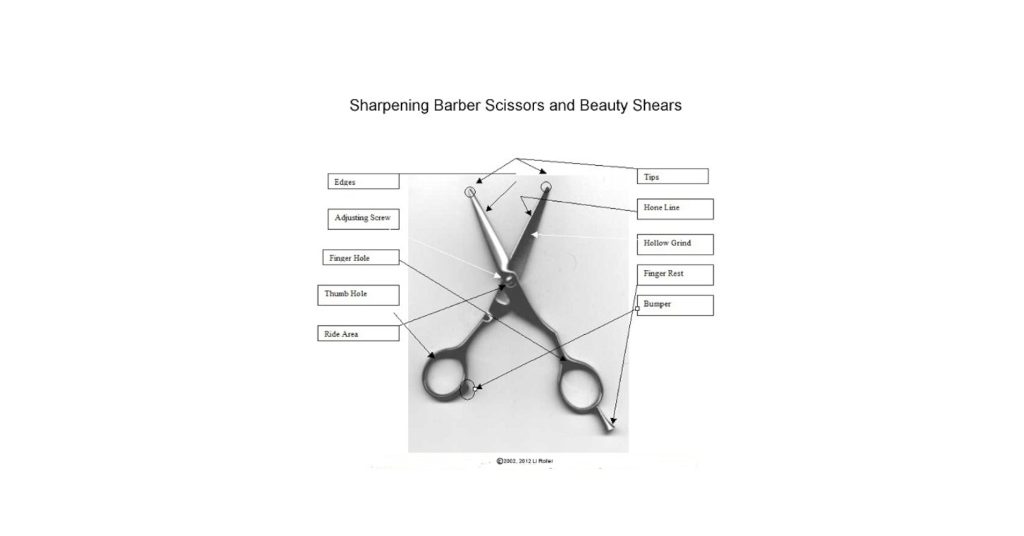
Imagine this: You’re in the middle of a busy day at the barbershop, and your shears start to snag and pull, leaving your clients less than thrilled. Sound familiar?
Sharp tools are the backbone of any successful barbering business, and ensuring your shears are in top condition can make all the difference. But how do you keep those essential tools razor-sharp without always running to a professional service? This is where you can take control.
In this guide, you’ll discover simple, effective steps to sharpen your barber shears at home, ensuring precision cuts every time. Stay with us, and learn the secret to maintaining your shears’ peak performance, so you can keep your clients happy and your reputation sharp.

Credit: www.youtube.com
Choosing The Right Sharpening Tools
Keeping barber shears sharp is key to clean cuts and smooth work. Picking the right sharpening tools helps keep your shears in top shape. Different tools suit different sharpening needs and skills.
Learn about the main sharpening tools before you start. This guide covers stones, honing rods, strops, and when to call a professional.
Types Of Sharpening Stones
Sharpening stones come in many kinds. Each has a grit level that affects how sharp your shears get. Coarse stones remove nicks fast. Fine stones polish the edge for smooth cutting.
- Oil stones: Use oil to lubricate and clean the stone during sharpening.
- Water stones: Use water as lubricant and sharpen faster than oil stones.
- Ceramic stones: Last long and create a very sharp edge with fine grit.
- Diamond stones: Very hard and durable, good for quick sharpening.
Using Honing Rods And Strops
Honing rods and strops help keep the blade edge smooth and aligned. They do not remove much metal but keep the shears sharp between full sharpenings.
| Tool | Use | Material |
| Honing Rod | Realigns blade edge | Steel or ceramic |
| Leather Strop | Polishes and smooths edge | Leather with polishing compound |
When To Use Professional Services
Some sharpening needs are best left to pros. If your shears have deep chips or damage, a professional can fix them safely. They also offer quick, precise sharpening for busy barbers.
- Deep blade damage or chips
- Blade alignment problems
- Regular maintenance for high-use shears
- When you lack sharpening tools or skill

Credit: www.familyhandyman.com
Preparing Your Shears For Sharpening
Sharpening barber shears needs careful preparation. This helps keep your tools in great shape.
Start by cleaning and checking your shears before sharpening. Set the right tension last.
Cleaning And Disassembling
Remove hair, oil, and dirt from your shears. Use warm water and mild soap. Dry them well after cleaning.
- Open the shears fully
- Use a soft cloth or brush to clean blades
- Unscrew the pivot if possible
- Keep all small parts safe
Inspecting For Damage
Check the blades and handles for chips or cracks. Look for loose screws or bent parts. Damaged shears need repair before sharpening.
| Area | What to Check | Possible Issue |
| Blade edge | Sharpness and chips | Dull or chipped blade |
| Pivot screw | Tightness and wear | Loose or stripped screw |
| Handles | Alignment and cracks | Bent or broken handles |
Setting The Correct Tension
Good tension helps shears cut smoothly. Too tight or too loose tension hurts the blades and hand comfort.
Follow these steps to set tension:
- Close the shears and feel the blade resistance.
- Turn the pivot screw clockwise to tighten.
- Turn it counterclockwise to loosen.
- Adjust until blades close smoothly without wobble.
Sharpening Techniques For Barber Shears
Keeping barber shears sharp is important for clean and smooth haircuts. Sharp shears make cutting easier and protect hair from damage.
Sharpening barber shears needs care and the right tools. This guide explains key sharpening techniques to help you maintain your shears.
Maintaining The Original Bevel Angle
The bevel angle is the edge angle of your shears. Keeping this angle the same keeps the blades sharp and effective.
Use a sharpening tool that matches the original bevel angle. Changing the angle can damage the blade or reduce sharpness.
- Check the bevel angle before sharpening
- Use guides or angle rulers if available
- Keep the angle steady during sharpening
Using A Sharpening Stone Effectively
A sharpening stone helps to grind the blade edge smoothly. Wet the stone with water or oil for better results.
Move the blade over the stone in one direction. Use gentle, even pressure to avoid damaging the edge.
- Choose a fine or medium grit stone
- Keep the stone flat and clean
- Sharpen both blades evenly
- Wipe the blades after sharpening
Honing The Edges For Smooth Cuts
Honing smooths the blade edges after sharpening. It removes small burrs and makes cutting easier.
Use a leather strop or fine honing stone. Pull the blade gently along the strop in one direction.
- Keep the blade flat on the strop
- Use light pressure for honing
- Repeat several times for best results
- Test the sharpness by cutting hair strands
Testing Sharpness And Adjustments
After sharpening barber shears, check their sharpness carefully. Testing ensures the blades cut smoothly and safely.
Adjustments may be needed to improve cutting performance and blade alignment. Proper care helps your shears last longer.
Performing A Paper Or Hair Test
Cut a thin piece of paper with your shears to test sharpness. The blades should cut cleanly without tearing.
Try cutting a small section of hair as well. Smooth cutting means your shears are sharp and ready to use.
- Hold paper or hair firmly
- Cut with steady pressure
- Look for smooth, clean cuts
- Repeat test after adjustments
Fine-tuning Blade Alignment
If the blades do not cut evenly, check their alignment. Misaligned blades cause poor cutting and damage hair.
Use the tension screw to adjust blade pressure. Tighten or loosen slightly until blades meet perfectly.
- Loosen tension screw gently
- Align blades edge to edge
- Tighten screw until blades move smoothly
- Test cut again to confirm
Reassembling And Lubricating
Put the shears back together carefully after sharpening and adjustment. Ensure all parts fit tightly.
Apply a drop of oil to the pivot area. Lubrication keeps the blades moving smoothly and prevents rust.
- Align blades and parts properly
- Tighten screws securely
- Apply a drop of shear oil on pivot
- Open and close blades to spread oil
Maintaining Sharpness Between Uses
Keeping your barber shears sharp is important for clean cuts. Sharp shears save time and reduce hair damage.
Proper care between uses helps maintain their sharpness longer. Simple steps can protect your blades every day.
Daily Cleaning And Oiling
After each use, clean your shears to remove hair and dirt. Use a soft cloth or brush to wipe the blades gently.
Oiling the shears reduces friction and prevents rust. Apply a drop of oil to the pivot area and blade edges.
- Use a soft cloth to clean blades daily
- Remove all hair and debris from the blades
- Apply a few drops of shear oil to the pivot
- Spread oil along the blades with a cloth
- Wipe off extra oil to avoid buildup
Proper Storage Tips
Store your shears in a dry, clean place. Avoid leaving them in humid or wet areas to stop rust.
Use a protective case or pouch to keep blades safe. This prevents damage and keeps the blades aligned.
- Keep shears in a dry environment
- Use a case or pouch for protection
- Avoid placing shears near water or chemicals
- Store blades closed but not tightly pressed
Regular Inspection Routine
Check your shears often for signs of wear or damage. Look for loose screws, nicks, or dull edges.
Tighten screws if needed and clean any buildup. Early fixes keep your shears working well and sharp.
- Inspect blades for chips or dents
- Check pivot screw tightness regularly
- Clean any hair or residue buildup
- Replace or sharpen blades if dull

Credit: www.jpscissors.com
Frequently Asked Questions
How Often Should I Sharpen Barber Shears?
Sharpen barber shears every 6 to 8 weeks with regular use. Frequent sharpening maintains blade precision and smooth cutting. Avoid dull blades to prevent hair damage and improve cutting efficiency. Proper maintenance extends the life of your shears significantly.
What Tools Are Best For Sharpening Barber Shears?
Use a whetstone or a professional sharpening stone for best results. Avoid using rough or improper tools that can damage blades. For beginners, a sharpening kit designed for shears is ideal. Professional services offer precise sharpening if unsure.
Can I Sharpen Barber Shears At Home Safely?
Yes, you can sharpen shears at home with the right tools. Follow step-by-step guides and use gentle, consistent strokes. Avoid overheating the blades by sharpening slowly. If unsure, consider professional sharpening to avoid damage.
How Do I Know When Barber Shears Need Sharpening?
Noticeable dullness, snagging hair, or uneven cuts indicate shears need sharpening. If cutting requires extra effort, blades are likely dull. Regularly inspect blades for nicks or roughness to maintain optimal performance.
Conclusion
Sharpening barber shears keeps them cutting clean and smooth. Regular care saves money and improves your work. Use the right tools and gentle steps each time. A sharp pair makes haircuts easier and faster. Remember, dull shears can damage hair and frustrate you.
Keep your shears sharp for the best results every day. Small efforts lead to big improvements in your cutting skills. Take care, and your shears will last much longer.