Are your Fiskars shears not cutting as smoothly as they used to? Dull blades can make your tasks harder and slow you down.
But don’t worry—sharpening your Fiskars shears is easier than you think. In this guide, you’ll discover simple, step-by-step methods to bring back that sharp edge quickly. Keep reading, and you’ll be cutting through your projects like a pro in no time.

Credit: www.gardeningknowhow.com
Tools Needed
Sharpening Fiskars shears requires a few simple tools. These tools help keep the blades sharp and working well. Using the right items makes the process easier and safer.
Below, you will find details about choosing the right sharpener and additional supplies needed for the task.
Choosing The Right Sharpener
Pick a sharpener that fits Fiskars shears well. A small hand-held sharpener or a sharpening stone works best. Avoid large or electric sharpeners that may damage the blades.
- Diamond sharpening stones for fine edges
- Manual hand-held sharpeners with a guide slot
- Fine grit whetstones for smooth sharpening
- Leather strop for final edge polishing
Additional Supplies
Besides the sharpener, gather other supplies. These help clean, protect, and maintain the shears during sharpening.
| Supply | Purpose |
| Cleaning cloth | Wipe dirt and oil from blades |
| Lubricating oil | Keep blades moving smoothly |
| Screwdriver | Adjust blade tension if needed |
| Protective gloves | Prevent cuts during sharpening |

Credit: www.reddit.com
Preparing The Shears
Before sharpening Fiskars shears, you need to prepare them properly. This helps you work safely and get the best results.
Preparing includes cleaning the blades and sometimes taking the shears apart. These steps make sharpening easier and more effective.
Cleaning The Blades
Remove dirt, sap, and rust from the blades before sharpening. Clean blades sharpen more evenly and last longer.
- Wipe the blades with a damp cloth to remove loose dirt.
- Use soapy water for sticky sap or residue.
- Scrub rust spots gently with steel wool or a wire brush.
- Dry the blades completely to prevent new rust.
- Apply a light coat of oil to keep blades smooth.
Disassembling If Necessary
Some Fiskars shears come apart easily. Taking them apart helps you sharpen each blade well.
| Tool Part | Action | Tip |
|---|---|---|
| Pivot Bolt | Use a screwdriver or wrench to remove it. | Keep parts in a safe place. |
| Blades | Separate blades carefully after removing the bolt. | Note the blade position for easy reassembly. |
| Springs and Screws | Remove gently if needed. | Use a small container to store small parts. |
Sharpening Techniques
Fiskars shears are essential tools for garden and home tasks. Keeping them sharp ensures clean cuts and prolongs their life.
There are several techniques to sharpen Fiskars shears effectively. Here, we explore the best methods to maintain your shears.
Using A Sharpening Stone
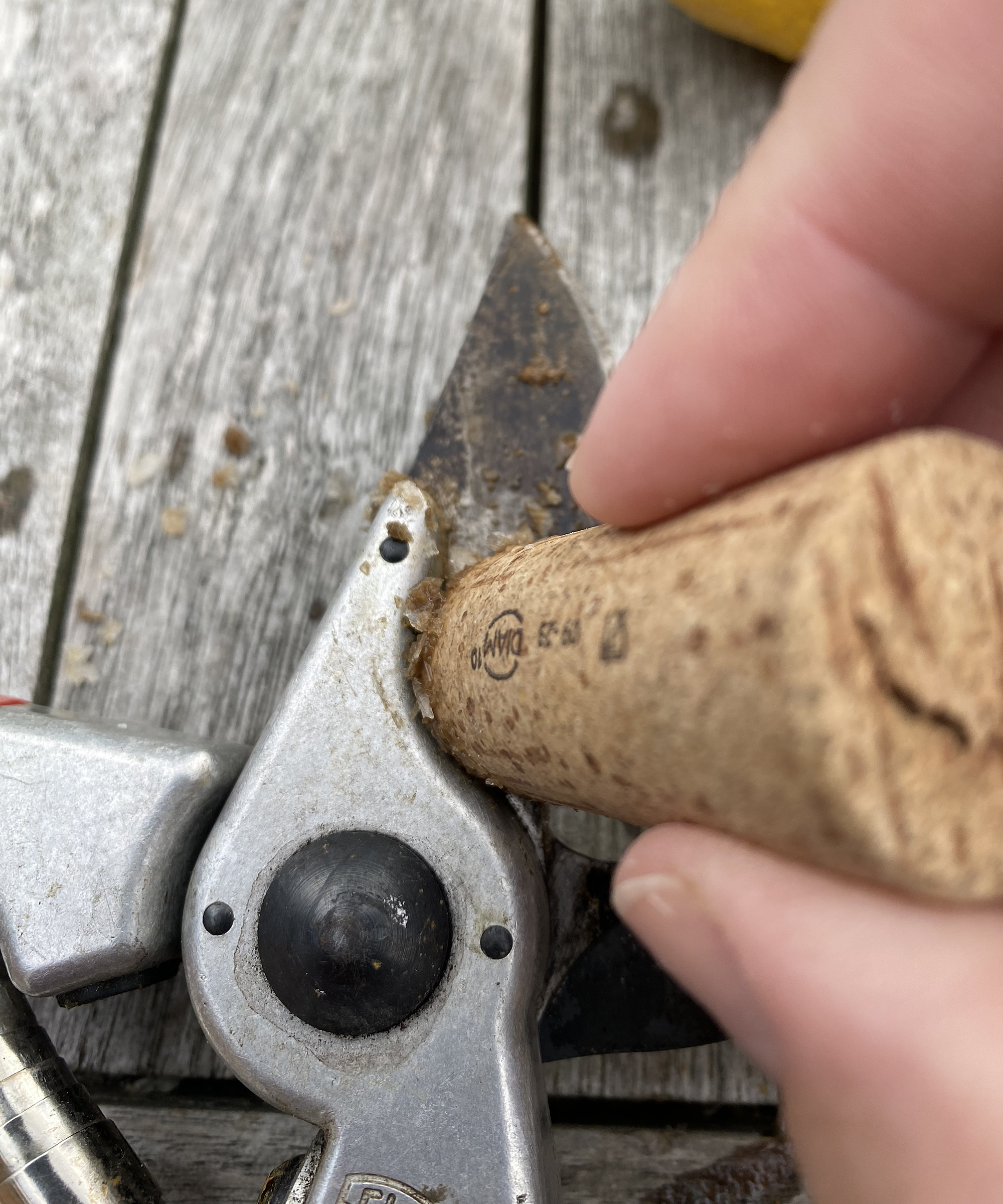
A sharpening stone is a simple tool to sharpen your shears. It is affordable and easy to use.
Wet the stone with water. Hold the shears at the correct angle against the stone. Slide the blade along the stone to sharpen it evenly.
Applying A Sharpening Tool
Special sharpening tools are designed for shears. They are user-friendly and efficient.
Place the blade in the tool’s groove. Pull the tool along the blade, applying gentle pressure. Repeat until the blade is sharp.
Maintaining The Correct Angle
Keeping the correct angle is crucial for sharpness. It ensures a clean and precise cut.
Hold the blade at a consistent angle, usually 20 to 30 degrees. This angle helps maintain the edge while sharpening.
- Use a marker to trace the blade edge before sharpening.
- Check for a consistent angle by observing the marker line.
- Practice until you maintain the angle naturally.
Testing Sharpness
After sharpening Fiskars shears, test their sharpness to ensure good performance. Proper testing helps you see if they cut cleanly and easily.
Testing sharpness is simple and takes only a few minutes. It also helps you know if the blades need more adjustment.
Simple Cutting Tests
Use different materials to check the cutting ability of your Fiskars shears. Try cutting paper, fabric, and thin branches to see how well the blades work.
- Cut a sheet of paper. The cut should be smooth without tears.
- Try cutting fabric. It should not snag or pull threads.
- Cut thin branches or stems. The shears should slice cleanly without crushing.
If the shears struggle or leave rough edges, they may need more sharpening or adjustment.
Adjusting If Needed
If your Fiskars shears do not cut well, check the blade alignment first. Loose or misaligned blades reduce sharpness and cutting quality.
Tighten the screw or bolt that holds the blades together to improve alignment. Test again after adjustment to see if the cut improves.
- Loosen the pivot screw slightly.
- Align blades so they meet evenly.
- Tighten the screw without making it too tight.
- Test cutting again to check sharpness.
Maintenance Tips
Keeping Fiskars shears sharp and working well needs regular care. Proper maintenance helps them last longer and cut smoothly.
Follow these simple steps to clean, store, and lubricate your shears for the best results.
Regular Cleaning
Clean your shears after each use to remove dirt and sap. This prevents rust and keeps the blades sharp.
- Wipe blades with a dry cloth to remove debris.
- Use warm, soapy water for sticky residue.
- Dry thoroughly to avoid moisture damage.
- Use a soft brush to clean between moving parts.
Proper Storage
Store your Fiskars shears in a dry place away from moisture. This prevents rust and accidental damage.
| Storage Tip | Reason |
| Keep in a dry toolbox | Protect from moisture and rust |
| Use blade covers | Prevent accidental cuts and blade dulling |
| Store out of reach of children | Ensure safety |
| Hang on a pegboard | Keep shears organized and accessible |
Lubricating The Shears
Lubricate the pivot point to keep shears opening and closing smoothly. Use light oil for best results.
- Apply a few drops of oil to the pivot bolt.
- Open and close shears to spread oil evenly.
- Wipe off excess oil with a soft cloth.
- Repeat lubrication monthly or after heavy use.
Credit: www.gardeningknowhow.com
Frequently Asked Questions
How Often Should I Sharpen Fiskars Shears?
Sharpen Fiskars shears when cutting feels less smooth. Regular use may require sharpening every few months. Check blades for nicks or dullness. Timely sharpening maintains clean cuts and prolongs tool life.
What Tools Do I Need To Sharpen Fiskars Shears?
You need a sharpening stone or diamond file. A clean cloth and lubricant oil help too. Using proper tools ensures precise blade edges and prevents damage.
Can I Sharpen Fiskars Shears At Home Safely?
Yes, sharpening Fiskars shears at home is safe. Follow instructions carefully and use correct tools. Wear gloves for protection and work on a stable surface.
How Do I Maintain Fiskars Shears After Sharpening?
Clean blades with a cloth after each use. Apply light oil to prevent rust and keep blades smooth. Store shears in a dry place away from moisture.
Conclusion
Sharpening Fiskars shears keeps them cutting smoothly and safely. Regular care extends their life and saves money. Use the right tools and follow simple steps for best results. Take your time and work carefully to avoid damage. A sharp pair of shears makes garden tasks easier and more enjoyable.
Keep your tools ready for any job around the house or garden. Try sharpening soon and see the difference yourself.