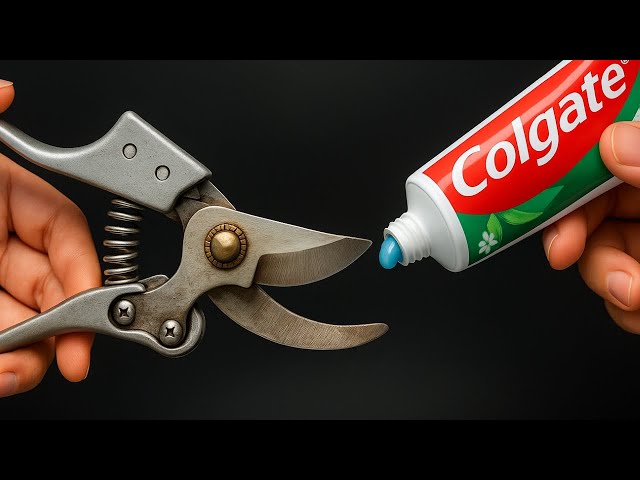
Are your garden shears feeling dull and struggling to cut through branches smoothly? You’re not alone.
Dull shears can make your gardening tasks frustrating and tiring. But here’s the good news: you don’t need expensive tools or a professional to bring back their sharpness. In this guide, you’ll learn simple, effective steps to sharpen your garden shears by hand.
Imagine how much easier and quicker your gardening will be once your shears slice cleanly again. Keep reading, and you’ll discover easy tips to make your shears work like new.
Tools Needed
Sharpening garden shears by hand requires the right tools. Using proper equipment makes the job easier and safer.
This guide covers the essential tools to prepare before you start sharpening your garden shears.
Choosing The Right Sharpening Stone
Select a sharpening stone that fits the blade size and type of your garden shears. A medium-grit stone works best for most blades.
- Whetstone with 1000-3000 grit for general sharpening
- Diamond stone for very dull or damaged blades
- Oil or water stone depending on your preference
Additional Supplies
Besides the sharpening stone, gather extra items to aid the process and keep your shears in good condition.
| Supply | Purpose |
| Cleaning cloth | Remove dirt and oil before sharpening |
| Lubricating oil | Protect blades after sharpening |
| Gloves | Protect your hands while working |
| Screwdriver or wrench | Adjust or remove blades if needed |
Credit: www.airtasker.com
Preparing The Shears
Before sharpening garden shears by hand, prepare them properly. This helps you work safely and get better results.
Cleaning and sometimes taking the shears apart makes sharpening easier. This step removes dirt and rust that block the blade edges.
Cleaning The Blades
Start by wiping the blades with a dry cloth to remove loose dirt. Next, use warm soapy water and a brush to scrub off sap and grime.
Dry the blades well to avoid rust. If there is rust, use steel wool or sandpaper to clean it off gently before sharpening.
- Wipe blades with a dry cloth
- Scrub with warm soapy water and a brush
- Dry blades completely
- Remove rust using steel wool or sandpaper
Disassembling If Necessary
Some garden shears have bolts or screws holding the blades together. Loosen these parts to separate the blades if you can.
Taking the blades apart helps you sharpen each blade fully. Keep all screws and parts safe so you can reassemble the shears after sharpening.
- Check for screws or bolts on the shears
- Use a screwdriver or wrench to loosen them
- Separate the blades carefully
- Store parts safely for reassembly
Sharpening Techniques
Sharpening garden shears by hand keeps them effective and safe to use. Proper techniques ensure precise cutting and longer tool life.
Learn how to sharpen your garden shears with simple steps. This guide covers angles, tools, and stroke consistency.
Correct Angle For Sharpening
Finding the right angle is key for effective sharpening. Most garden shears have a bevel angle between 10 to 20 degrees.
- Examine the existing bevel on the blade.
- Maintain the same angle during sharpening.
- Use a protractor if necessary for accuracy.
Using The Sharpening Stone
The sharpening stone is the best tool for hand sharpening. Choose a medium-grit stone for regular maintenance.
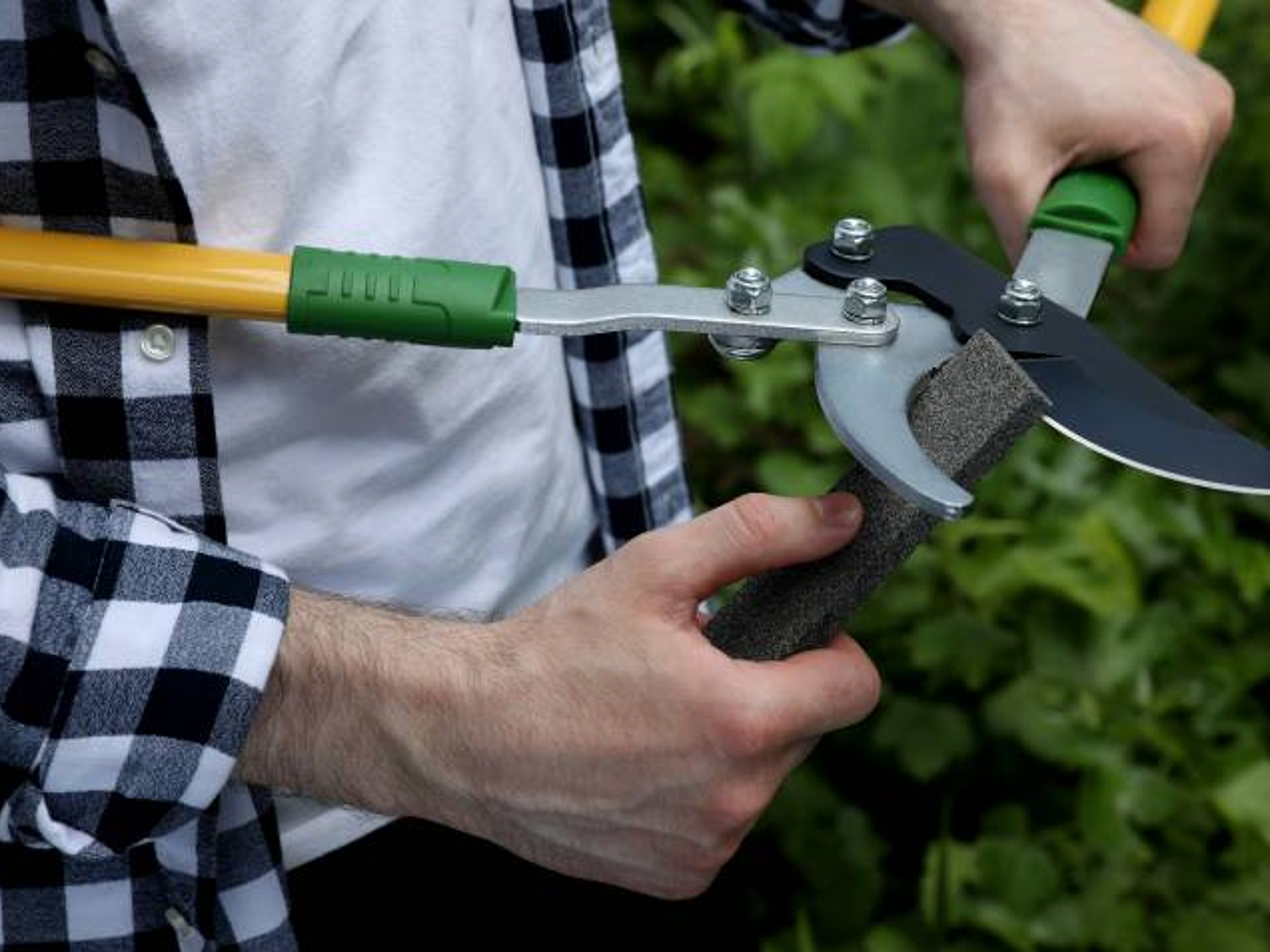
Place the stone on a stable surface. Keep the blade against the stone at the correct angle. Move the blade in smooth, even strokes along the stone.
Maintaining Consistent Strokes
Consistency in strokes is vital for a uniform edge. Uneven strokes lead to a dull blade.
| Stroke Type | Description |
| Push | Move away from your body |
| Pull | Draw towards your body |
| Circular | Swirl in small circles |
Finishing Touches
After sharpening your garden shears, some final steps will keep them in good shape. These finishing touches improve cutting quality and tool life.
Removing burrs and lubricating the shears are important to complete the sharpening process.
Removing Burrs
Sharpening can leave small rough edges called burrs on the blade. Removing these burrs makes the blade smooth and safe.
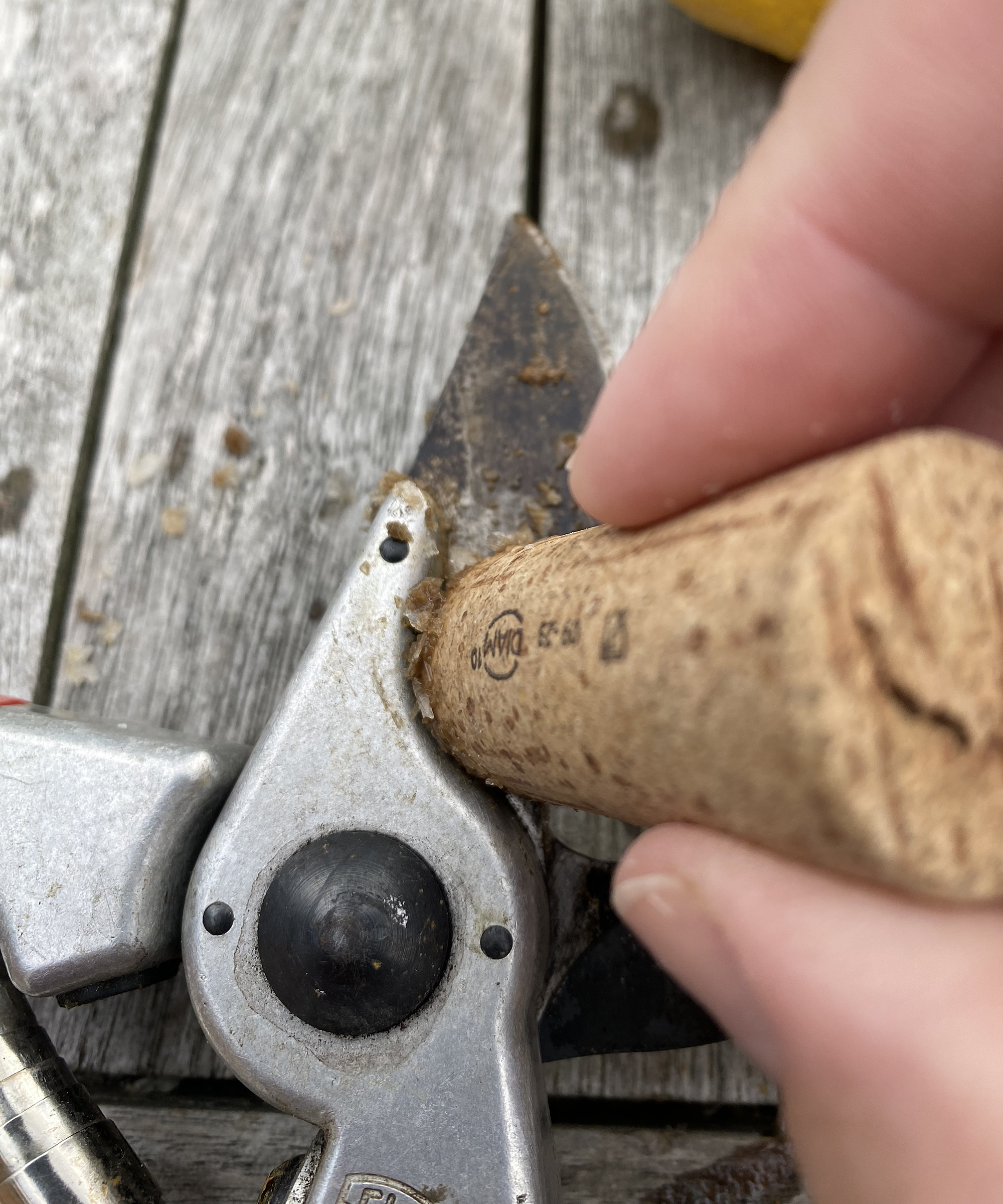
Use a fine sharpening stone or a piece of fine-grit sandpaper to gently rub the blade edge. Move lightly to avoid dulling the blade again.
- Hold the blade steady and rub the burr side gently
- Work evenly along the entire edge
- Check by running your finger carefully to feel smoothness
Lubricating The Shears
Lubricating the shears stops rust and helps them open and close easily. It also protects the sharp edges.
Apply a few drops of light machine oil or garden tool oil to the pivot point and blades. Wipe off any extra oil with a cloth.
- Open and close the shears several times to spread the oil
- Wipe off oil from the handles to keep grip safe
- Store shears in a dry place after oiling
Safety Tips
Sharpening garden shears by hand can be safe if you follow important rules. Using sharp tools helps your garden but working carefully keeps you safe.
Always prepare your space and protect yourself before starting. This guide shares key safety tips to help you.
Protecting Your Hands
Your hands do the work when sharpening shears. Keep them safe to avoid cuts or injuries.
Wear thick gloves made for gardening or work. Gloves stop sharp edges from cutting your skin.
- Use gloves with a good grip to hold the shears steady
- Check gloves for holes or tears before starting
- Keep your fingers away from the blade edge
- Use a clamp to hold shears if possible
Working In A Safe Environment
Choose a clean and well-lit area to sharpen your garden shears. Clear space helps avoid accidents.
Keep your tools organized and stable. Make sure your sharpening stone or file will not slip during use.
- Work on a flat, stable surface
- Keep children and pets away from your workspace
- Make sure the area is dry to prevent slipping
- Have good lighting so you see the blade clearly
Credit: www.gardeningknowhow.com
Maintenance Tips
Keeping your garden shears sharp and in good shape makes cutting easier. Regular care helps your tools last longer.
Simple maintenance steps like cleaning and storing properly protect the blades and joints.
Regular Cleaning
Clean your garden shears after each use to remove sap and dirt. This stops rust and keeps blades sharp.
- Wipe blades with a damp cloth to remove debris
- Use warm soapy water for sticky residue
- Dry blades fully to prevent rust
- Apply a light oil coat on blades for protection
- Check and clean the pivot bolt for smooth movement
Proper Storage
Store garden shears in a dry place to avoid moisture damage. Keep them away from dirt and dust.
| Storage Tip | Reason |
| Hang shears on a wall hook | Prevents blade damage and keeps tools organized |
| Use blade covers or sheaths | Protects blades from moisture and accidental cuts |
| Keep in a dry toolbox or shed | Reduces rust risk and dirt buildup |
| Store out of reach of children | Ensures safety in your home or garden |

Credit: www.youtube.com
Frequently Asked Questions
How Often Should I Sharpen Garden Shears By Hand?
Sharpen garden shears every few months or after heavy use. Regular sharpening keeps blades efficient and extends tool life. Check blades for dullness or nicks before each use to maintain optimal cutting performance.
What Tools Do I Need To Sharpen Garden Shears By Hand?
You need a sharpening stone or file, a cloth, and lubricant oil. These tools help restore sharp edges and prevent rust. Always ensure tools are clean and appropriate for the blade type.
Can I Sharpen Garden Shears Without Removing The Blades?
Yes, you can sharpen garden shears without removing blades by carefully filing along the edge. However, removing blades allows better access for thorough sharpening and cleaning. Always follow safety precautions to avoid injury.
How Do I Maintain Sharpness After Hand Sharpening?
Clean blades after each use, dry thoroughly, and apply light oil. Store shears in a dry place to prevent rust. Regular maintenance keeps blades sharp longer and improves cutting efficiency.
Conclusion
Sharpening garden shears by hand keeps them working well. It helps you cut plants cleanly and easily. Regular sharpening saves money by avoiding new tools. Simple steps and the right tools make the job quick. A sharp blade means less effort and better results.
Try this skill to take good care of your garden. Your plants will thank you with healthy, neat growth. Keep practicing, and your shears will stay sharp longer. A little care goes a long way in gardening.