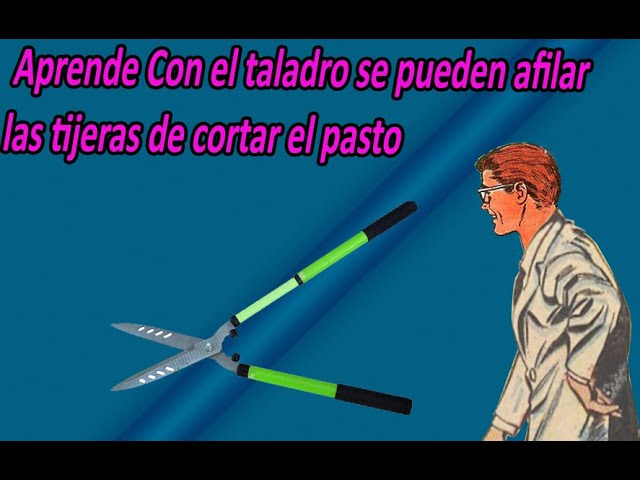
Are your grass shears struggling to cut cleanly through your lawn? Dull blades make your work harder and take more time than it should.
But sharpening your grass shears is easier than you think—and it can make a huge difference in how well they perform. In this guide, you’ll discover simple, step-by-step tips to bring your shears back to sharp, precise cutting. Keep reading to learn how to save time, protect your plants, and get your garden looking its best.
Tools Needed
Sharpening grass shears needs the right tools to work well. Using proper tools helps keep the blades sharp and safe to use.
This guide covers the types of sharpening tools and safety gear you need before starting.
Types Of Sharpening Tools
You can use different tools to sharpen grass shears. Each tool works in its own way to make blades sharp again.
- Flat File:A simple metal file used to remove dull edges.
- Sharpening Stone:Also called a whetstone, it smooths and sharpens blades.
- Diamond File:A fine file with diamond grit for precise sharpening.
- Sandpaper:Used for light sharpening or finishing edges.
- Electric Sharpener:A powered tool that quickly sharpens blades.
Safety Gear
Safety gear protects you from cuts and sparks while sharpening. Always wear the right equipment.
| Safety Gear | Purpose |
|---|---|
| Gloves | Protect hands from sharp edges and rough tools |
| Safety Glasses | Shield eyes from metal filings and sparks |
| Dust Mask | Prevent inhaling metal dust and particles |
| Apron | Protect clothes and skin from debris |

Credit: www.youtube.com
Preparing The Shears
Sharpening grass shears starts with good preparation. Clean and take apart the shears first.
This helps you see damage and sharpen the blades well. Careful prep makes sharpening easier.
Cleaning The Blades
Remove dirt and sap from the blades before sharpening. Clean blades sharpen better and last longer.
Use a damp cloth or brush to wipe the blades. You can also use soapy water for sticky residue.
- Wipe blades with a damp cloth
- Use mild soap to remove sap
- Dry blades completely to stop rust
- Check for rust spots or damage
Disassembling The Shears
Take the shears apart to sharpen the blades safely and fully. This gives better access to edges.
Use a screwdriver or wrench to remove screws or bolts. Keep the parts in a safe place.
- Find screws or bolts holding blades
- Use the right tool to loosen them
- Separate the blades carefully
- Keep all parts organized
Sharpening Techniques
Grass shears need to be sharp for clean cuts. Dull blades make work harder. Learn how to sharpen them easily.
There are different ways to sharpen grass shears. You can use a stone, a file, or a special tool. Each method is simple and effective.
Using A Sharpening Stone
A sharpening stone is a common tool for this task. It helps maintain a sharp edge on the blades.
- Wet the stone with water or oil.
- Hold the shears at a 10-degree angle.
- Move the blade across the stone in a smooth motion.
- Repeat until you have a sharp edge.
Using A File
A metal file is another option. It is handy and effective for sharpening grass shears.
Place the file at the base of the blade. Move it towards the tip. Use light, steady strokes. Check the edge regularly.
Using A Sharpening Tool
Special sharpening tools are designed for ease. They make the process quick and simple.
| Tool Type | Usage |
| Handheld Sharpener | Align blade and slide the tool over it. |
| Electric Sharpener | Insert blade and turn on the tool. |
| Multi-angle Sharpener | Adjust the angle and sharpen as needed. |

Credit: www.angi.com
Reassembling And Testing
After sharpening your grass shears, you need to put them back together carefully. Then, test the sharpness to make sure they cut well. This guide helps you complete these last steps safely and correctly.
Proper reassembly and testing ensure your shears work like new. Follow the steps below to finish the job.
Putting The Shears Back Together
Start by lining up the blades correctly. Attach the pivot bolt and tighten it just enough to keep the blades secure but able to move smoothly. Then, reattach the handles and springs if they were removed.
- Align the sharpened blades carefully.
- Insert and tighten the pivot bolt to hold blades in place.
- Reattach any springs or washers removed during sharpening.
- Secure the handles back to the blades.
- Check that blades open and close without sticking.
Checking The Sharpness
Test the blades by cutting a piece of grass or thin plant stem. Sharp shears will cut cleanly without forcing. If the cut is ragged or the blades slip, you may need to sharpen again or adjust the tension.
| Test Method | What to Look For | Possible Issues |
|---|---|---|
| Cut fresh grass | Clean, smooth cut | Dull blades or misalignment |
| Cut thin stem | Easy cutting without force | Blunt edge or loose pivot |
| Blade movement | Smooth open and close | Overtightened or loose bolt |
Maintenance Tips
Keeping your grass shears sharp helps them work well and last longer. Regular care stops rust and damage.
Follow these tips to clean, store, and know when to sharpen your grass shears again.
Regular Cleaning
Clean your grass shears after every use. Remove dirt, grass, and sap from the blades.
Use a cloth or soft brush with soapy water. Dry the shears well to stop rust.
- Wipe blades with a dry cloth
- Use mild soap and water for sticky residue
- Dry thoroughly to avoid rust
Proper Storage
Store grass shears in a dry place. Keep them away from moisture and dirt.
Use blade covers or wrap shears in cloth. This protects blades from damage and rust.
- Keep shears in a tool box or shed
- Use blade covers if available
- Store shears off the ground
When To Sharpen Again
Check your shears often for dull blades. Sharp blades cut cleanly and need less effort.
Sharpen shears if you see rust, nicks, or if cutting becomes hard. Regular sharpening keeps shears effective.
- Sharpen blades after heavy use
- Look for rough or bent edges
- Test by cutting grass or paper

Credit: www.youtube.com
Frequently Asked Questions
How Often Should I Sharpen Grass Shears?
Sharpen grass shears after every few uses or when cutting feels dull. Regular sharpening keeps blades efficient and extends tool life. Inspect blades for nicks or rust before each use. Timely maintenance ensures clean, precise cuts and healthier grass growth.
What Tools Are Needed To Sharpen Grass Shears?
You need a sharpening stone, fine-grit file, or diamond sharpener. A cloth for cleaning and safety gloves are also helpful. Choose a tool suitable for the blade material. Proper tools make sharpening easier and protect the blades from damage.
Can I Sharpen Grass Shears At Home Safely?
Yes, sharpening grass shears at home is safe with proper precautions. Use gloves, work in a well-lit area, and secure the shears firmly. Follow manufacturer guidelines and sharpen slowly for controlled, effective results. Safety prevents accidents and blade damage.
How Do I Maintain Sharpness After Sharpening Grass Shears?
Clean blades after each use and oil them regularly to prevent rust. Store shears in a dry place and avoid cutting hard materials. Routine cleaning and proper storage help maintain sharpness longer and improve cutting performance.
Conclusion
Sharpening grass shears keeps them working well and safe. Clean blades cut grass smoothly without tearing. Regular sharpening saves time and effort in the garden. Use the right tools and follow simple steps. Keep blades dry and oiled after sharpening.
A sharp pair of shears makes yard work easier. Try sharpening often to keep your garden looking neat. Small care steps bring big results. Simple and quick—sharpening helps your shears last longer. Ready for your next gardening task?