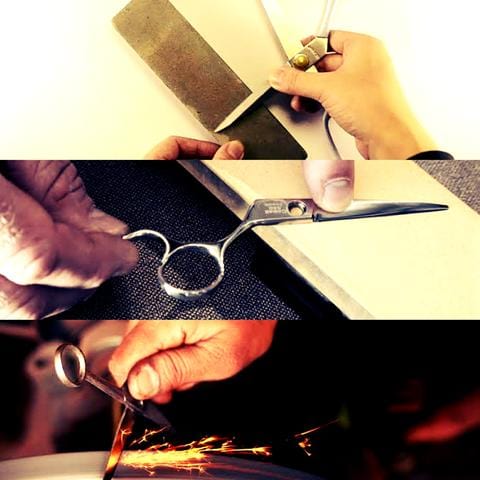
Are your hair cutting shears not slicing through hair like they used to? Dull blades can make every haircut frustrating and take away your confidence.
But don’t worry—you don’t have to buy new shears or spend a fortune on professional sharpening. You can bring your tools back to life with the right techniques. You’ll discover simple, effective ways to sharpen your hair cutting shears at home.
Keep reading, and you’ll save time, money, and get the smooth cuts you deserve every single time.
Choosing The Right Sharpening Tools
Sharpening hair cutting shears keeps them sharp and ready to use. Picking the right tools makes sharpening easier and better.
Different tools work for different needs. Learn about stones, honing rods, and electric sharpeners to choose well.
Types Of Sharpening Stones
Sharpening stones come in different materials. They grind and sharpen the blade edge smoothly.
Common stones include whetstones, diamond stones, and ceramic stones. Each has a different grit level for coarse or fine sharpening.
- Whetstones are good for general sharpening and come in coarse to fine grits.
- Diamond stones last long and sharpen fast, even hard steel.
- Ceramic stones provide a smooth finish and fine edge.
Using Honing Rods
Honing rods do not sharpen but keep blades aligned. They fix small bends and smooth edges after sharpening.
Steel and ceramic rods are common. Steel rods realign edges, while ceramic rods also polish the blade.
- Use honing rods regularly to maintain sharp shears.
- Hold the rod steady and slide the blade at a correct angle.
- Honing keeps shears cutting clean without damaging the blade.
Electric Sharpeners Pros And Cons
Electric sharpeners make sharpening faster and easier. They use motorized wheels or belts to sharpen blades.
While fast, electric sharpeners may remove too much metal. They can also heat the blade, risking damage.
- Pros:Quick sharpening, easy to use, consistent results.
- Cons:Risk of overheating, less control, may wear blades faster.

Credit: www.passion-osaka.com.au
Preparing Your Shears For Sharpening
Keeping your hair cutting shears sharp is important for clean cuts. Proper preparation helps ensure effective sharpening.
Start by organizing your workspace and gather tools you need. Clean shears lead to better sharpening results.
Cleaning And Disassembling
Before sharpening, your shears need thorough cleaning. This step removes hair and residue that affect sharpening.
- Wash shears with warm soapy water
- Dry them with a soft cloth
- Use a soft brush to remove stuck hair
Disassembling shears makes it easier to clean and sharpen all parts. Carefully unscrew the pivot to separate blades.
Inspecting For Damage
Check your shears for any visible damage. This helps decide if they need repair before sharpening.
Look for nicks or dents along the blade edges. Examine the tension screw for wear.
| Inspection Point | Action Required |
| Blade Edges | Check for nicks |
| Tension Screw | Ensure tightness |
| Blade Surface | Look for rust |
Step-by-step Sharpening Process
Keeping your hair cutting shears sharp is important for clean cuts. Dull shears can damage hair and make cutting hard.
This guide will show you how to sharpen your shears carefully. Follow these steps to keep your blades in top shape.
Setting The Correct Angle
Sharpening works best if you keep the right angle. Most hair cutting shears have an edge angle between 40 and 45 degrees.
Hold the blade steady and match your sharpening tool to this angle. Keeping the angle steady helps the blade cut smoothly.
- Check the blade edge angle with a protractor or guide
- Keep the angle consistent during sharpening
- Use a clamp or holder to keep the blade steady
Sharpening The Blade Edge
Use a sharpening stone or diamond sharpener to sharpen the blade. Move the blade along the sharpener with light pressure.
Sharpen in one direction to keep the edge even. Count your strokes to make sure both sides get the same attention.
- Apply light oil to the stone for smooth sharpening
- Start with coarse grit, then use finer grit for a sharper edge
- Sharpen each blade side equally to keep balance
Polishing And Honing
After sharpening, polish the blade to remove burrs. Use a leather strop or fine honing stone for this step.
Polishing smooths the edge and improves cutting performance. Finish by wiping the blade clean and applying light oil.
- Use a leather strop to polish the blade edge
- Move the blade backward on the strop gently
- Clean the blades and apply a drop of oil for protection
Maintaining Sharpness Between Sharpenings
Keeping hair cutting shears sharp helps you cut cleanly and safely. Regular care slows down dulling. It saves time and money on sharpening.
Two main habits keep your shears sharp: cleaning and storing them properly. Both protect the blades and maintain smooth cutting.
Regular Cleaning And Lubrication
Clean shears remove hair, oil, and dirt that can wear down blades. Lubrication keeps blades moving smoothly. This reduces friction and damage.
- Wipe blades after each use with a soft cloth.
- Use rubbing alcohol to clean off oils and residues.
- Dry the shears completely before storing.
- Apply a drop of clipper oil on the pivot area daily.
- Open and close shears several times to spread the oil.
Proper Storage Techniques
Storing shears correctly protects the blades from nicks and rust. Avoid loose places where blades can hit hard objects. Use a case or pouch for safety.
| Storage Method | Benefit |
| Hard case | Protects blades from damage |
| Soft pouch | Prevents dust and moisture buildup |
| Blade guards | Protect sharp edges during transport |
| Dry environment | Stops rust and corrosion |
Common Mistakes To Avoid
Sharpening hair cutting shears takes care and attention. Avoid mistakes to keep your shears sharp and safe.
Wrong sharpening can damage the blades or reduce their life. Learn which errors to watch out for.
Over-sharpening
Sharpening your shears too often or for too long can wear down the blades. This makes them thin and weak.
Over-sharpened blades lose their shape and cut poorly. They also need more frequent repairs.
- Sharpen only when blades feel dull
- Use light passes instead of heavy grinding
- Check blade thickness regularly
Using Incorrect Tools
Using the wrong sharpening tools can ruin your shears. Each tool works best for certain blade types.
Forcing blades on rough stones or files can cause chips and scratches. Use tools made for fine blades.
- Use a whetstone or diamond stone for best results
- Avoid coarse grinders that remove too much metal
- Get a sharpening kit designed for hair shears
Ignoring Shear Alignment
Shear alignment means the blades meet evenly when closed. Ignoring this makes cutting uneven and dulls the blades.
Sharpening without checking alignment can cause gaps or overlap. This damages hair and the blades.
- Check blade tension before sharpening
- Adjust screws to align blades properly
- Test cuts after sharpening to ensure smoothness

Credit: www.reddit.com
When To Seek Professional Sharpening
Keeping your hair cutting shears sharp is important for good haircuts. Sometimes, you need a professional to sharpen them. This helps keep the blades in perfect shape.
Knowing when to get expert sharpening saves your shears from damage. It also keeps your cutting smooth and safe.
Signs Your Shears Need Expert Care
Your shears show signs when they need professional sharpening. Look for changes in how they cut and feel.
- Shears pull or tug hair instead of cutting cleanly
- Blades feel rough or have small nicks
- Hair strands bend or fold during cutting
- Shears require more force to cut
- Blade edges look dull or shiny
- The pivot screw feels loose or too tight
If you notice these signs, it is time to see a sharpening expert. Trying to fix these at home might harm your shears.
Finding A Reliable Service
Choose a professional sharpening service with good reviews. They should know how to handle hair cutting shears carefully.
- Look for services that specialize in hair shears
- Check if they use quality sharpening tools
- Ask about their sharpening process and turnaround time
- Read customer feedback about their work
- Confirm if they offer a warranty or guarantee
A trusted sharpener will make your shears cut like new. This helps you work better and keeps your tools lasting longer.

Credit: www.youtube.com
Frequently Asked Questions
How Often Should I Sharpen Hair Cutting Shears?
Sharpen hair cutting shears every 6 to 12 months, depending on use. Frequent use requires more regular sharpening to maintain clean, precise cuts.
What Tools Are Needed To Sharpen Hair Cutting Shears?
You need a sharpening stone or diamond file, lubricant, and a soft cloth. These tools help restore the blade’s sharpness safely and effectively.
Can I Sharpen Hair Cutting Shears At Home?
Yes, you can sharpen shears at home with proper tools and technique. Follow step-by-step guides to avoid damaging the blades during sharpening.
How Do I Know If My Shears Need Sharpening?
If your shears pull or snag hair instead of cutting smoothly, they need sharpening. Dull blades cause uneven cuts and damage hair.
Conclusion
Sharpening hair cutting shears keeps them working well and safe. Regular care saves money and improves haircut quality. Use the right tools and follow the steps carefully. Small efforts bring big results over time. Keep shears clean and dry after sharpening.
This helps prevent rust and damage. Practice these tips to keep your shears sharp and ready. A sharp pair makes cutting easier and more precise. Take time to maintain your tools for best performance. Simple care leads to better haircuts every day.