Are your hand shears not cutting as smoothly as they used to? Dull blades can make your gardening tasks frustrating and slow.
But don’t worry—you can bring your shears back to life with a simple sharpening process. In this guide, you’ll discover easy, step-by-step tips to sharpen your hand shears quickly and safely. Imagine how satisfying it will feel to glide through branches and stems without any struggle.
Keep reading, and you’ll learn how to make your tools work like new again.
Choosing The Right Tools
Sharpening hand shears improves cutting and extends tool life. Using the right tools makes the process easier and safer. This guide helps you pick the best sharpening tools for your shears.
Different sharpeners fit different types of shears. Knowing what to use helps you get the best edge without damaging the blades.
Types Of Sharpening Tools
There are many sharpening tools for hand shears. Each tool works best for certain blade types and sharpness levels. Here are the most common types:
- Whetstones:Flat stones that sharpen blades by grinding. They come in coarse and fine grits.
- Sharpening Files:Metal files that remove metal to form a sharp edge. Good for rough sharpening.
- Diamond Sharpeners:Use tiny diamonds to sharpen quickly. They last long and work well on hard steel.
- Sharpening Rods:Round rods used to hone blades. They keep an edge between full sharpenings.
Selecting The Best Sharpener For Shears
| Tool Type | Best For | Notes |
| Whetstone | Fine sharpening and polishing | Needs water or oil; requires skill |
| Sharpening File | Removing nicks or heavy dullness | Works fast; can remove too much metal |
| Diamond Sharpener | Quick touch-ups and hard steel blades | Durable and easy to use |
| Sharpening Rod | Honing and maintaining edge | Good for regular upkeep |

Credit: www.reddit.com
Preparing Your Shears
Sharpening hand shears starts with good preparation. Clean and check the shears before you begin.
Proper preparation helps you sharpen the blades safely and effectively. It also extends the life of your shears.
Cleaning The Blades
Remove dirt, sap, and rust from the blades before sharpening. Clean blades sharpen better and last longer.
Use warm soapy water and a soft cloth to wipe the blades. For sticky sap, apply a little rubbing alcohol or oil.
- Wipe blades with soapy water
- Scrub gently with a soft brush
- Use rubbing alcohol for sap
- Dry blades completely to prevent rust
Disassembling For Better Access
Take apart the shears if possible. Disassembling gives better access to the blades for sharpening.
Use a screwdriver or wrench to remove the bolt or screw holding the blades. Keep all parts safe to avoid loss.
- Find the central bolt or screw
- Loosen and remove it carefully
- Separate the blades gently
- Keep parts organized for reassembly
Sharpening Techniques
Sharpening hand shears helps maintain clean cuts and extends the tool’s life. Learning proper sharpening techniques ensures effective and precise trimming.
In this guide, we explore essential methods for sharpening your hand shears. Follow these steps for optimal results.
Angle And Stroke Basics
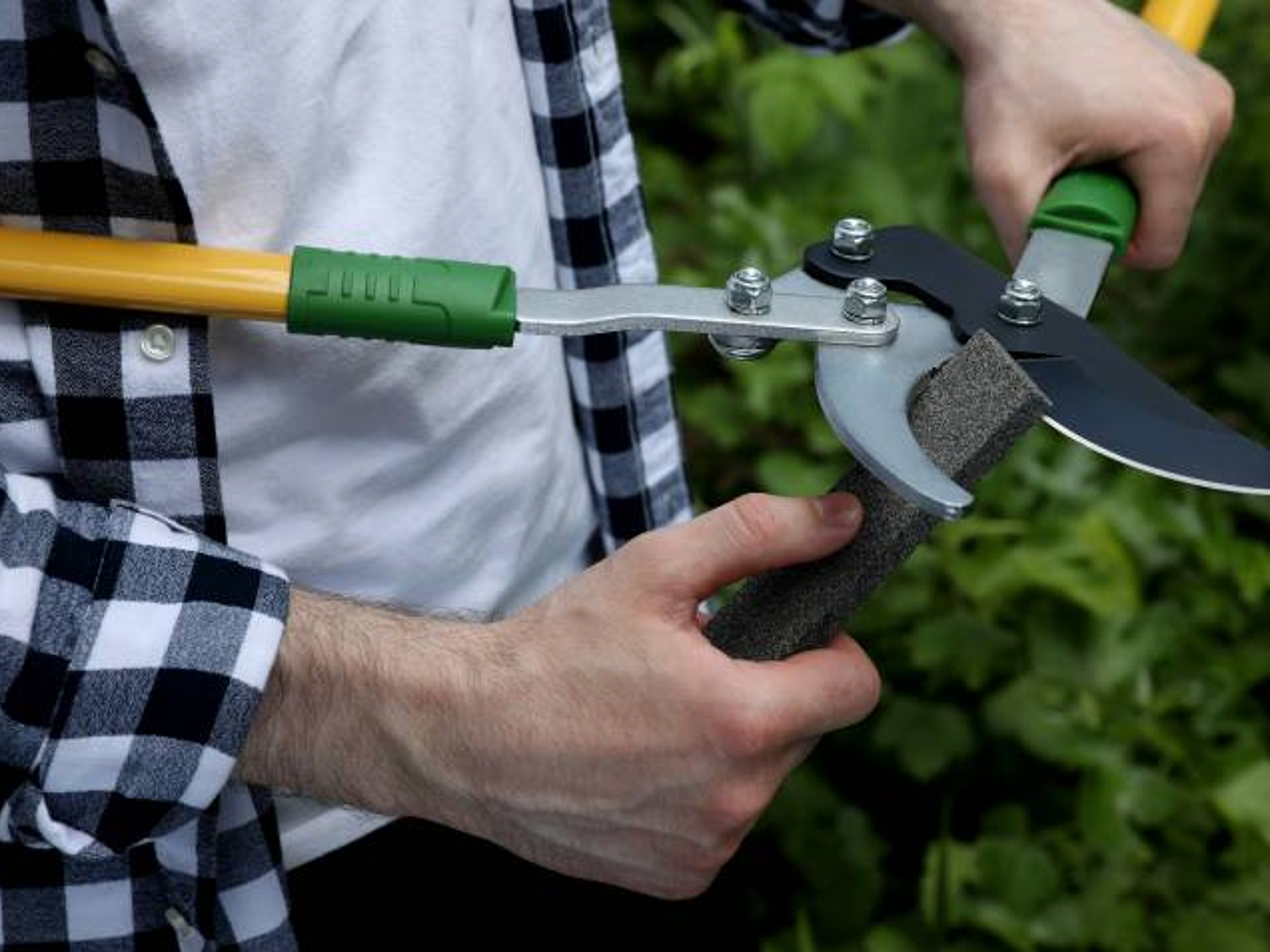
The angle and stroke are key to sharpening. Hold the shears at a consistent angle for even sharpening. Use smooth strokes to avoid uneven edges.
- Position the shears at a 10 to 15-degree angle.
- Apply gentle pressure while moving the sharpening tool.
- Ensure strokes are steady from base to tip.
Using A Sharpening Stone
A sharpening stone refines the edge of your shears effectively. Choose a coarse stone for dull blades and a fine one for minor touch-ups.
Employing A File For Edge Refinement
Files are useful for restoring very dull edges. They help remove nicks and create a uniform edge.
| File Type | Usage |
| Flat File | For straight edges |
| Round File | For curved sections |
Testing Sharpness
Checking the sharpness of hand shears is important for safe and clean cuts. Sharp blades make work easier and prevent damage to plants.
You can test sharpness at home with simple tools and actions. This helps you know if your shears need sharpening or adjustment.
Simple Cut Tests
Try cutting through different materials to see how well your shears perform. This shows if the blades are sharp or dull.
- Cut a piece of paper. Sharp blades slice smoothly without tearing.
- Trim a thin branch or stem. The cut should be clean and even.
- Try cutting a soft fabric. Dull blades will snag or pull the material.
Adjusting For Optimal Performance
If your shears do not cut well, you can adjust them to improve sharpness. Proper tension and blade alignment help the blades work better.
| Adjustment | How to Do It | Effect |
|---|---|---|
| Tighten Pivot Bolt | Use a wrench to tighten the bolt at the blade joint. | Prevents blade wobble and improves cutting force. |
| Loosen Pivot Bolt | Turn the bolt slightly to reduce too much pressure. | Allows blades to move smoothly without binding. |
| Align Blades | Adjust blade position so edges meet evenly. | Ensures clean cuts without gaps or overlaps. |
Maintenance Tips
Keeping your hand shears sharp and in good shape helps them work better. Regular care stops rust and damage.
Simple steps like cleaning and storing shears right can make them last longer. Follow these tips to keep shears ready.
Regular Cleaning And Oiling
After each use, clean the blades to remove dirt and sap. Use a cloth or brush with warm water and soap.
Dry the shears fully to stop rust. Apply a few drops of oil on the blades and pivot points to keep them smooth.
- Use light machine oil or garden tool oil
- Wipe off extra oil to avoid dirt build-up
- Check the blades for rust and remove it with steel wool
Safe Storage Practices
Store hand shears in a dry place to avoid moisture damage. A shed or garage shelf works well.
Keep shears closed and locked if possible. This protects the blades and prevents accidents.
- Use a blade cover or sheath for extra protection
- Hang shears on a pegboard or store in a toolbox
- Keep away from children and pets

Credit: www.youtube.com
Troubleshooting Common Issues
Hand shears need regular care to work well. Troubleshooting helps fix problems fast. This guide covers rust, nicks, and part replacement.
Keeping your shears sharp and clean extends their life. Learn simple ways to solve common issues and keep cutting smoothly.
Dealing With Rust And Nicks
Rust and nicks make cutting hard and damage blades. Remove rust with a wire brush or steel wool. Use oil to stop rust returning.
- Clean blades with a damp cloth and dry well
- Use fine sandpaper or a sharpening stone on nicks
- Sharpen blades carefully to avoid uneven edges
- Apply lubricant after cleaning to protect metal
- Store shears in a dry place to prevent rust
When To Replace Parts
Replace parts if shears do not cut well after sharpening. Some parts wear out and affect performance.
| Part | Signs to Replace | Effect on Shears |
| Blades | Deep nicks, cracks, or dullness | Poor cutting and damage to plants |
| Springs | Loss of tension or breakage | Hard to open and close shears |
| Screws and bolts | Rusted or loose parts | Blade misalignment and safety risks |
Credit: www.airtasker.com
Frequently Asked Questions
How Often Should I Sharpen Hand Shears?
Sharpen hand shears after every few uses or when cutting becomes difficult. Regular sharpening ensures clean cuts and prolongs tool life.
What Tools Do I Need To Sharpen Hand Shears?
You need a sharpening stone or diamond file, a cloth, and lubricant oil. These tools help maintain a sharp, smooth cutting edge.
Can I Sharpen Hand Shears At Home?
Yes, you can sharpen hand shears at home with basic tools and proper technique. Home sharpening saves money and keeps shears effective.
How Do I Maintain Sharpness After Sharpening?
Clean shears after use, oil blades regularly, and store in a dry place. Proper maintenance preserves sharpness and prevents rust or damage.
Conclusion
Sharpening hand shears keeps them working well and safe. Regular care makes cutting easier and saves time. Use the right tools and follow steps carefully. A sharp blade protects your plants from damage. Keep your shears clean and dry after sharpening.
Small efforts bring big results in garden work. Try sharpening soon to enjoy smooth and precise cuts. Your hands and plants will thank you. Simple habits help your tools last longer and work better.