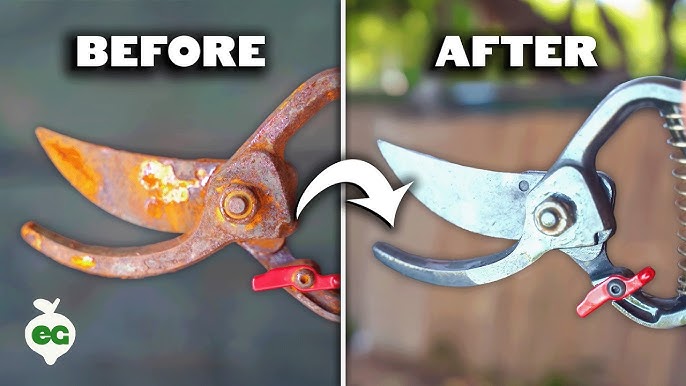
Are your hedge shears not cutting as cleanly as they used to? Dull blades can make trimming bushes frustrating and tiring.
But don’t worry—sharpening your hedge shears is easier than you think, and it will save you time and effort. In this guide, you’ll discover simple steps to bring your shears back to life, making your garden work smoother and more enjoyable.
Ready to get those blades razor-sharp? Let’s dive in!
Tools Needed
Sharpening hedge shears requires the right tools for a clean and safe job.
Using proper equipment helps keep your shears sharp and extends their life.
Essential Sharpening Tools
You need a few specific tools to sharpen hedge shears effectively.
- Flat file or sharpening stone for grinding the blade edges
- Clamp or vise to hold the shears steady
- Lubricating oil to reduce friction during sharpening
- Clean cloth to wipe off metal filings and oil
- Wire brush to remove rust before sharpening
Safety Gear
Safety gear protects you while working on sharp tools.
| Gear | Purpose |
| Protective gloves | Protect hands from cuts and scrapes |
| Safety glasses | Shield eyes from metal filings and debris |
| Long sleeves | Prevent scratches on arms |
| Dust mask | Keep dust and particles out of your lungs |

Credit: www.angi.com
Preparing The Shears
Before sharpening hedge shears, you must prepare them well. Preparing helps you work safely and get better results.
Start by making sure the shears are clean and in good shape. This makes sharpening easier and safer.
Cleaning The Blades
Clean the blades to remove dirt, sap, and rust. Dirty blades can dull the sharpener and reduce its effect.
Use warm water, soap, and a scrub brush or cloth. For tough sap, apply a small amount of rubbing alcohol.
- Wear gloves to protect your hands
- Use a soft brush to avoid scratching
- Dry the blades fully after cleaning
Inspecting For Damage
Look closely at the blades for cracks, chips, or bends. Damaged blades can be unsafe to sharpen.
If you find any damage, decide if the shears need repair or replacement. Do not sharpen broken blades.
- Check blade edges for chips or dents
- Look for rust spots or deep scratches
- Make sure the blades move smoothly
Sharpening Techniques
Keeping your hedge shears sharp is important. It helps in trimming hedges easily. There are several techniques to sharpen your shears. Here, we will explore some effective methods.
Using A Sharpening Stone
A sharpening stone is a simple tool. It is easy to use for sharpening shears. First, clean the blades with soapy water. This removes dirt and sap.
Next, hold the stone at an angle. Move it along the edge of the blade. Repeat this until you feel the blade is sharp enough.
- Soak the stone in water before use
- Use smooth, even strokes
- Check sharpness frequently
Employing A File
A file can sharpen hedge shears well. Start by securing the shears in a vise. This keeps them stable while you work.
Use a mill file for sharpening. Push the file along the blade’s edge. Do this in one direction for best results.
- Choose a file suitable for metal
- File in the direction of the blade
- Inspect the edge regularly
Using A Grinding Tool
A grinding tool makes sharpening fast. It is useful for very dull blades. First, wear safety goggles to protect your eyes.
Turn on the grinder. Gently press the blade against it. Move the blade back and forth for even sharpening.
- Ensure the grinder is stable
- Do not overheat the blade
- Check for a smooth edge

Credit: www.youtube.com
Maintaining Blade Angle
Sharpening hedge shears works best when you keep the blade angle steady. A steady angle keeps the blades sharp and safe to use.
Changing the angle can cause uneven edges. This makes cutting harder and can damage the blades.
Finding The Correct Angle
The right angle for sharpening hedge shears is usually between 20 to 30 degrees. This angle helps keep the blade sharp and strong.
Check the original blade edge to match the angle. Use a protractor or angle guide if needed to get it right.
Consistent Sharpening Strokes
Use smooth, even strokes to sharpen the blade. Keep the angle steady with each stroke for a clean edge.
- Start from the base of the blade and move to the tip
- Apply light pressure to avoid removing too much metal
- Sharpen both blades evenly to maintain balance
- Check the edge often to see your progress
Finishing Touches
After sharpening your hedge shears, you need to complete a few final steps. These steps help keep the blades in good shape and ready to use.
Finishing touches make sure the blades work smoothly and last longer. Pay attention to small details for the best results.
Removing Burrs
Sharpening can leave small rough edges called burrs on the blades. Burrs can make cutting harder and damage plants.
Use a fine file or a sharpening stone to gently remove burrs. Run it along the edge until the blade feels smooth.
- Hold the blade steady
- Lightly file the edge to remove burrs
- Check for smoothness with your finger
- Wipe away metal dust with a cloth
Oiling The Blades
Oiling the blades prevents rust and keeps them moving smoothly. Use a light machine oil or garden tool oil for best results.
Apply a few drops along the blades and pivot points. Wipe off any extra oil to avoid dirt buildup.
- Clean blades before oiling
- Put a few drops of oil on each blade
- Open and close shears to spread oil
- Wipe away excess oil with a clean cloth
Preventing Future Dullness
Keeping your hedge shears sharp saves time and effort. Dull blades make cutting hard and uneven.
Regular care helps your shears stay sharp longer. Two key habits are cleaning and storing properly.
Regular Cleaning
Clean your hedge shears after every use. Dirt and sap build-up cause rust and dullness.
- Wipe blades with a dry cloth to remove debris.
- Use soapy water to clean sticky sap, then dry well.
- Apply a thin layer of oil to protect metal from rust.
- Sharpen blades as needed to keep edges smooth.
Proper Storage
Store your shears in a dry, safe place. Proper storage stops damage and rust.
| Storage Tip | Reason |
| Hang shears on a hook | Prevents blades from touching hard surfaces |
| Keep shears in a dry shed or garage | Reduces moisture and rust risk |
| Use blade covers or sheaths | Protects edges from nicks and dirt |
| Store away from children and pets | Ensures safety and tool protection |
Credit: klevarange.com.au
Frequently Asked Questions
How Often Should You Sharpen Hedge Shears?
Sharpen hedge shears after every few uses or at least once a season. Regular sharpening ensures clean cuts and healthier plants.
What Tools Do I Need To Sharpen Hedge Shears?
You need a sharpening stone, flat file, or sharpening tool. Additionally, wear gloves and use a clamp to hold the shears steady.
Can I Sharpen Hedge Shears At Home?
Yes, you can sharpen hedge shears at home easily. Follow step-by-step instructions and use the right tools for best results.
How Do I Know When Hedge Shears Need Sharpening?
If your shears crush or tear branches instead of cutting cleanly, it’s time to sharpen. Dull blades reduce cutting efficiency.
Conclusion
Sharpening hedge shears keeps your garden tools working well. Regular care makes cutting easier and cleaner. Dull blades can harm plants and waste energy. Use simple tools like a file or sharpening stone. Take your time and follow safety steps carefully.
Keep shears dry and clean after use. This small effort saves money and improves garden health. Try sharpening your shears today for better results tomorrow. Your plants will thank you.