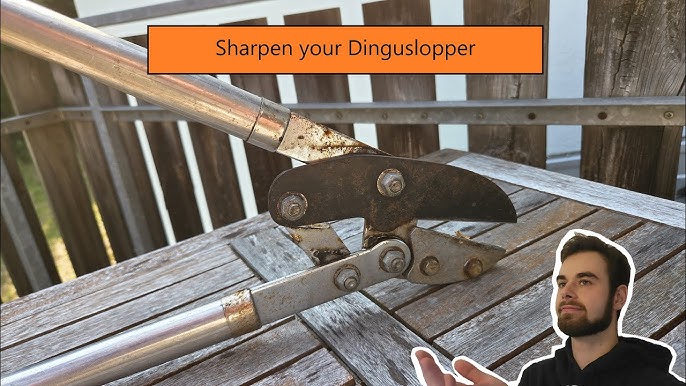
Are your pruners and loppers feeling dull and struggling to cut through branches? If you want clean, precise cuts without damaging your plants, sharpening your tools is key.
You might think it’s complicated or time-consuming, but with a few simple steps, you can bring your garden tools back to life. Keep reading, and you’ll learn how to sharpen your pruners and loppers quickly and easily, saving you time and effort in the garden.
Your plants—and your hands—will thank you!
Credit: worksharptools.com
Tools Needed
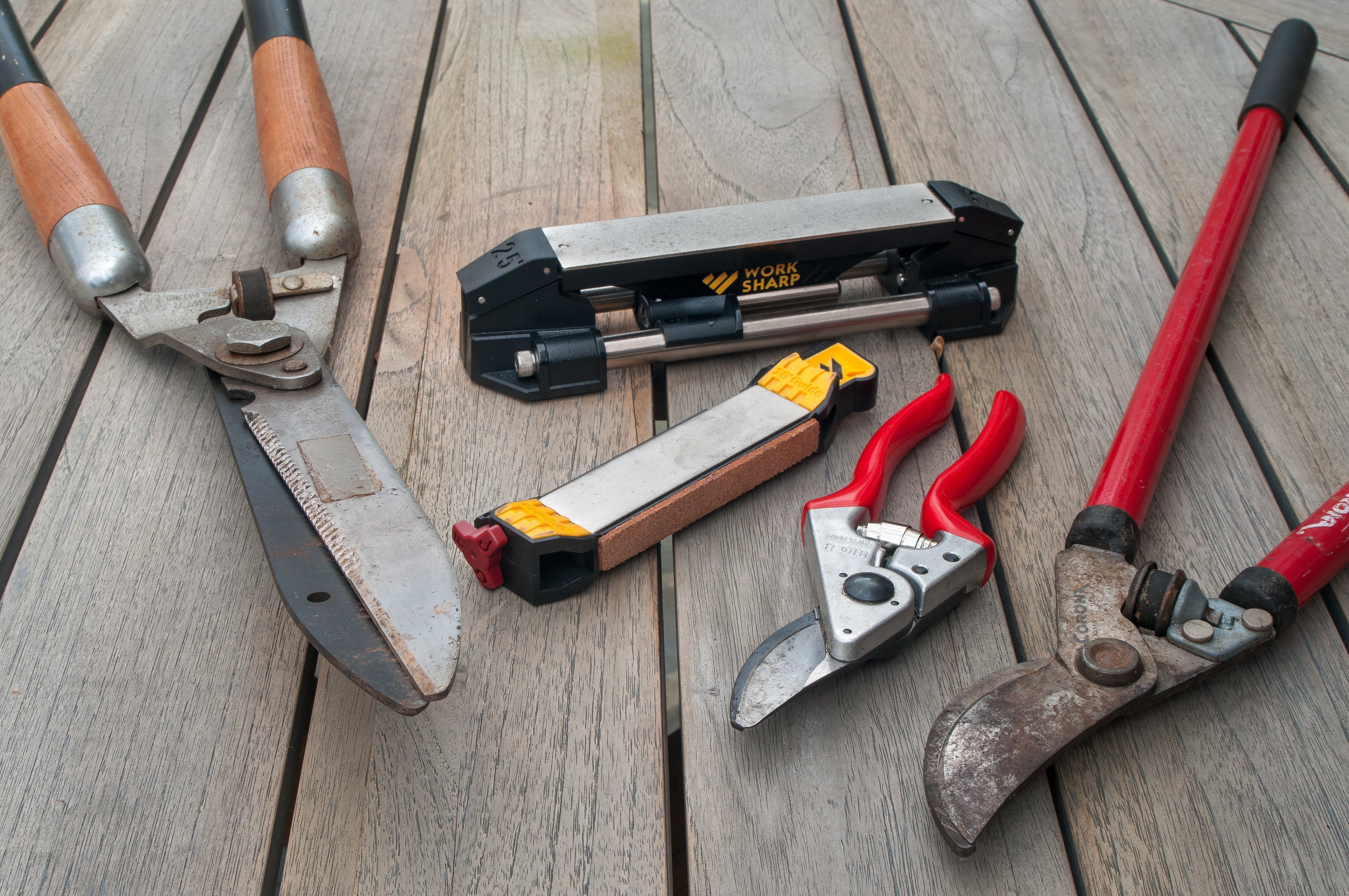
Sharpening pruners and loppers requires a few simple tools. These tools help keep your blades sharp and effective. Using the right equipment makes the job easier and safer.
Below are the main types of sharpening tools and safety equipment you need. Knowing these will prepare you for a smooth sharpening process.
Types Of Sharpening Tools
There are several tools to sharpen pruners and loppers. Each tool works best for different blade types and conditions. Choose the right one for your tool’s blade.
- Sharpening Stones:Use fine or medium grit stones for smooth edges.
- Diamond Files:Best for quick sharpening and hard metals.
- Flat Files:Ideal for larger blades and heavy sharpening.
- Rotary Sharpeners:Electric tools that speed up sharpening.
- Leather Strop:Polishes blades and removes burrs after sharpening.
Safety Equipment
Safety gear protects you while sharpening. Using sharp tools can cause injuries if you are not careful. Always wear proper safety equipment.
| Safety Gear | Purpose |
| Safety Glasses | Protects eyes from metal shards and dust |
| Work Gloves | Protects hands from cuts and sharp edges |
| Dust Mask | Prevents inhaling metal dust or particles |
| Apron | Keeps clothes clean and adds a layer of protection |
Credit: m.youtube.com
Preparing Your Pruners And Loppers
Sharpening pruners and loppers begins with good preparation. Clean tools help you see damage and sharpen blades well.
Taking time to prepare will make the sharpening process safer and more effective. Start by cleaning and checking your tools.
Cleaning The Blades
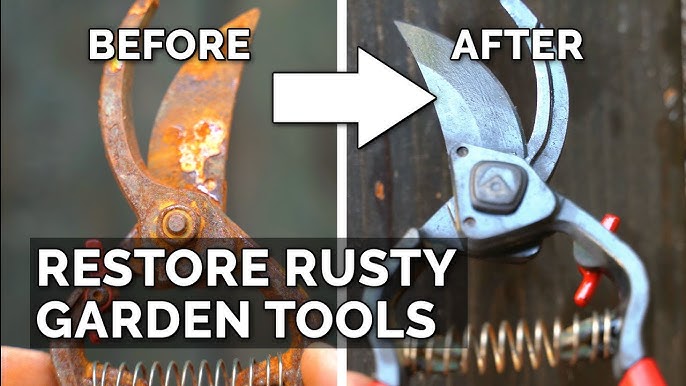
Remove dirt, sap, and rust to prepare blades for sharpening. Clean blades prevent dulling and protect the metal.
- Wipe blades with a dry cloth to remove loose debris.
- Use warm soapy water and a brush for sticky sap.
- Apply rubbing alcohol to kill germs and remove oils.
- Scrape off rust gently with steel wool or a wire brush.
- Dry blades completely to stop new rust from forming.
Inspecting For Damage
Check blades and handles for cracks, chips, or bends. This helps you know if repair or replacement is needed.
| Part | What to Look For | Action |
| Blade | Chips, dull edges, rust spots | Sharpen or replace if badly damaged |
| Handle | Cracks, loose joints | Tighten screws or replace handle |
| Spring | Broken or weak tension | Replace spring if needed |
Sharpening Techniques
Keeping your pruners and loppers sharp is important. Sharp tools make clean cuts and protect your plants. Let’s look at different ways to sharpen them.
Different tools are available for sharpening. You can use a sharpening stone, a file, or a diamond sharpener. Each method has its own benefits.
Using A Sharpening Stone
A sharpening stone is easy to use. It is often used for garden tools. It helps keep pruners and loppers very sharp.
First, hold the pruner blade at a 20-degree angle. Move the stone along the blade. Use smooth, even strokes.
- Wet the stone before using it
- Use light pressure for control
- Check the blade sharpness often
Using A File
A file is another tool for sharpening. It is good for very dull blades. It can help restore the edge.
Hold the file at the same angle as the blade. Push the file across the blade. Use firm and steady strokes.
- Choose a file that matches the blade size
- File in one direction only
- Clean the blade after sharpening
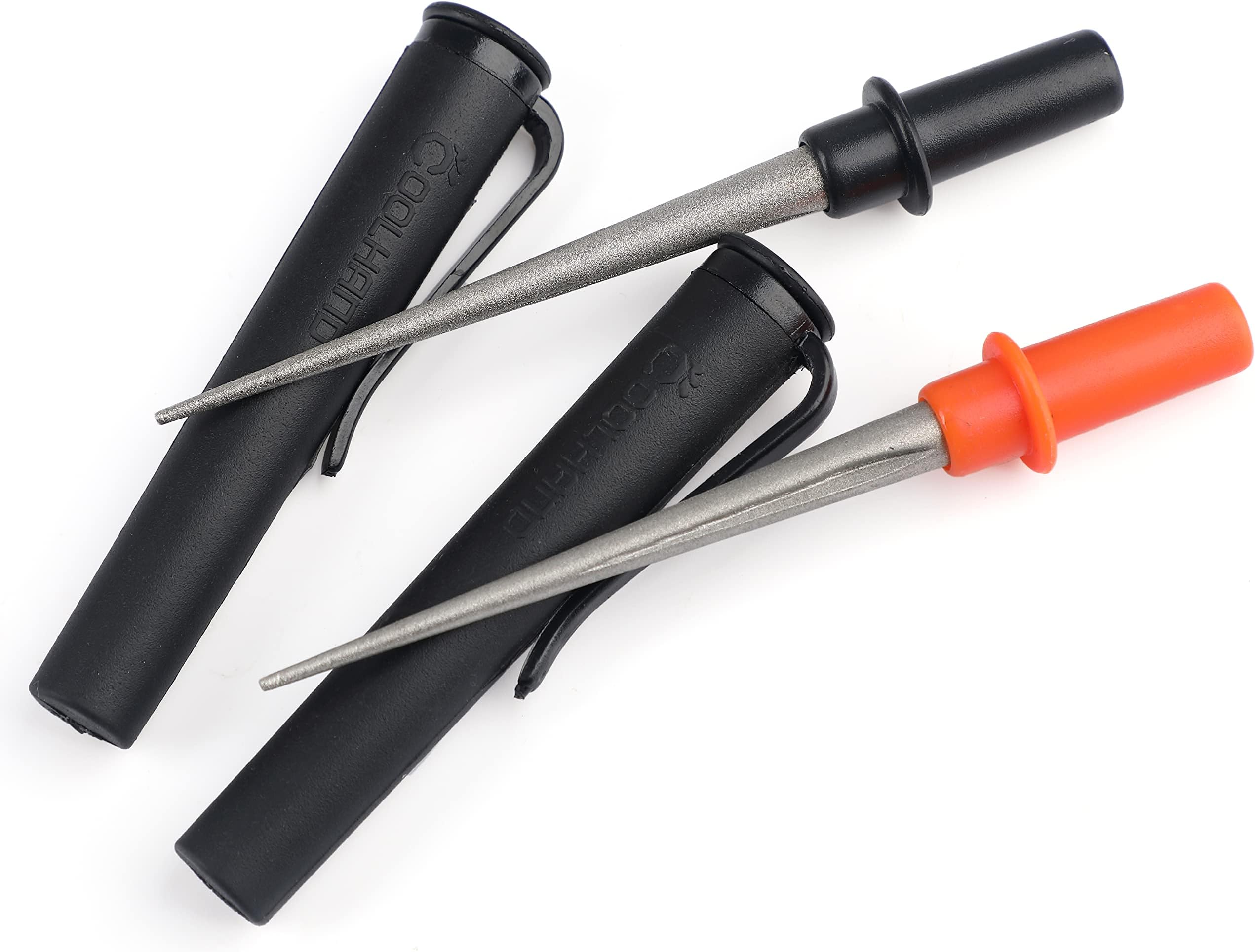
Using A Diamond Sharpener
A diamond sharpener is very effective. It works fast and is easy to use. It is great for regular maintenance.
Hold the sharpener at the correct angle. Slide it along the blade. Repeat until the blade is sharp.
- Use gentle pressure to avoid damage
- Check the blade often while sharpening
- Rinse the blade to remove metal filings
Credit: www.dugoutnorthbrook.com
Sharpening Angle And Stroke
Keeping your pruners and loppers sharp makes cutting easier. Proper sharpening angle and stroke are key to a clean edge.
This guide covers how to find the right angle and use consistent strokes for best results.
Finding The Right Angle
Most pruners need a sharpening angle between 20 and 30 degrees. Check your tool’s blade shape to match this angle.
- Hold the file or sharpener at the blade edge angle.
- Keep the angle steady while sharpening.
- A wrong angle can dull the blade quickly.
- Use a marker to color the edge; file where the color wears off.
Consistent Sharpening Strokes
Use smooth, even strokes along the blade edge. Consistency helps keep the edge straight and sharp.
| Stroke Type | Why It Helps |
| Long strokes | Cover the entire blade edge |
| Same direction | Prevents dull spots |
| Light pressure | Avoids removing too much metal |
| Repeat evenly | Builds a sharp, smooth edge |
Finishing Touches
Sharpening pruners and loppers is not done until the last details are finished. The final steps make sure the blades work smoothly and last longer.
These finishing touches help keep your tools safe to use and in top shape for your garden tasks.
Removing Burrs
After sharpening, small rough edges called burrs may form on the blade. These can stop the blade from cutting cleanly.
Use a fine file or sharpening stone to gently remove burrs. Move the tool in one direction to smooth the edge.
- Hold the blade steady
- Run the file across the edge gently
- Check the blade for smoothness
- Repeat if needed until no burrs remain
Lubricating The Blades
Lubrication helps the blades move easily and stops rust from forming. Use a light oil made for tools.
Apply a thin layer of oil on the blades and pivot points. Wipe off any extra oil to avoid dirt buildup.
- Choose a light machine or garden tool oil
- Put a few drops on blade edges and joints
- Open and close blades to spread oil
- Wipe off extra oil with a clean cloth
Maintenance Tips
Keeping your pruners and loppers sharp helps you cut plants cleanly. Proper maintenance extends their life.
Regular care prevents rust and damage. It also keeps your tools ready for use anytime.
Regular Cleaning
Clean your pruners and loppers after each use. Dirt and sap can build up and cause rust.
Use a brush or cloth with warm, soapy water. Rinse and dry the tools well before storing.
- Remove dirt and plant residue
- Wipe blades with oil to prevent rust
- Check for sticky sap and clean it off
Proper Storage
Store pruners and loppers in a dry place. Avoid leaving them outside in the rain.
Keep blades closed and locked if your tools have a safety latch. This protects the blades and prevents injury.
- Hang tools on a wall or pegboard
- Use a tool box or storage bag
- Keep away from moisture and dust
Frequently Asked Questions
How Often Should I Sharpen Pruners And Loppers?
Sharpen pruners and loppers after every 10 to 15 hours of use. Regular sharpening ensures clean cuts and prevents plant damage. Frequent maintenance extends tool life and improves cutting efficiency.
What Tools Do I Need To Sharpen Pruners And Loppers?
You need a sharpening stone or diamond file, a flat file, and a cleaning cloth. These tools help remove nicks and restore the cutting edge accurately and safely.
Can I Sharpen Pruners And Loppers At Home?
Yes, you can sharpen pruners and loppers at home with basic tools. Follow proper techniques and safety tips for effective sharpening and better tool performance.
Why Is Sharpening Pruners And Loppers Important?
Sharpening ensures smooth, clean cuts that promote plant health. Dull blades crush stems, causing damage and disease. Regular sharpening improves precision and reduces hand fatigue.
Conclusion
Sharpening pruners and loppers keeps your tools working well. Sharp blades cut cleanly and make gardening easier. Regular sharpening saves time and effort. It also helps plants heal faster after cuts. Use the right tools and follow safe steps. A sharp tool lasts longer and protects your hands.
Keep your garden tools ready for any job. Small efforts bring big benefits in garden care. Try sharpening your tools today and see the difference.