Are your shears feeling dull and struggling to cut through fabric, plants, or hair like they used to? You might think it’s time to buy new ones, but what if you could bring them back to life with a simple sharpening trick?
Knowing how to sharpen shears not only saves you money but also makes your cutting tasks smoother and more precise. In this guide, you’ll discover easy steps to restore your shears’ sharpness quickly—so you can get back to your projects without frustration.
Keep reading, and you’ll learn how to make your shears work like new again!
Credit: www.airtasker.com
Choosing The Right Sharpening Tools
Keeping your shears sharp makes cutting easier and safer. Using the right tools helps you keep blades in good shape. Different tools fit different needs and skill levels.
Learn about common sharpening tools. Each has strengths and limits. Choose what matches your shears and how often you sharpen them.
Types Of Sharpening Stones
Sharpening stones come in many types. They smooth and sharpen blade edges. The main kinds are oil stones, water stones, and diamond stones.
- Oil stones:Use oil to lubricate. Good for hard metals. Last a long time but need cleaning.
- Water stones:Use water as lubricant. Cut faster but wear down quicker. Easy to use for beginners.
- Diamond stones:Have tiny diamond grit. Work fast and stay flat. More costly but very durable.
Using Honing Rods And Strops
Honing rods and strops polish edges after sharpening. They keep blades smooth and sharp longer. Honing rods realign blade edges gently.
Strops use leather or canvas. They remove tiny burrs and polish the blade. Use stropping after sharpening for a fine edge.
| Tool | Purpose | Best For |
| Honing Rod | Realign blade edge | Regular maintenance |
| Strop | Polish and remove burrs | Finishing sharpness |
Electric Sharpeners Pros And Cons
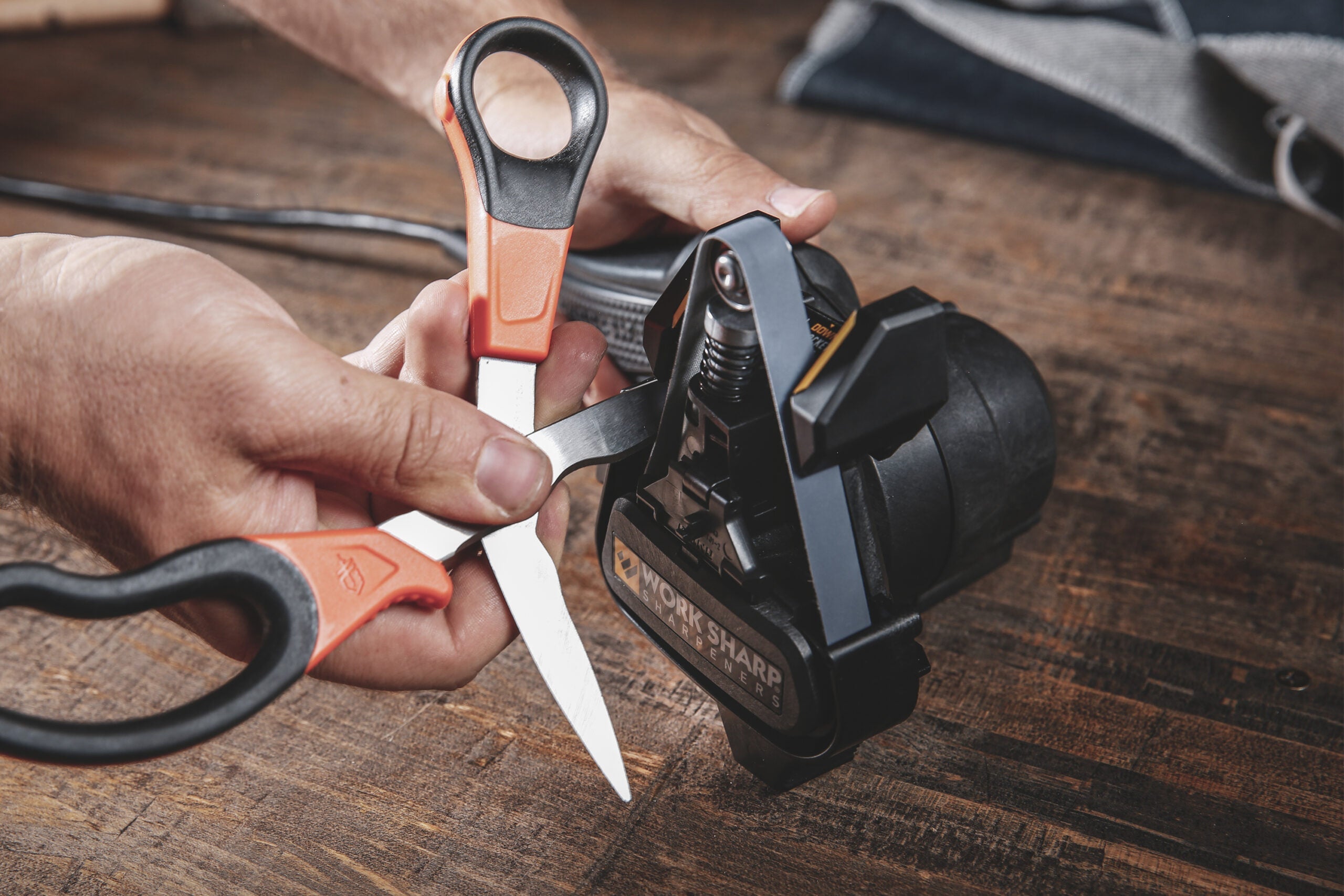
Electric sharpeners offer quick sharpening. They use spinning wheels to grind blades fast. These tools suit those who want speed and ease.
- Pros:Fast, easy to use, no skill needed.
- Cons:Can remove too much metal, risk of overheating blade.
- May not work well with all shears types.
- Less control over sharpening angle.

Credit: www.angi.com
Preparing Your Shears For Sharpening
Sharpening your shears starts with good preparation. Proper care helps you get the best results.
Before sharpening, you need to clean and check your shears carefully. This makes the sharpening process easier and safer.
Cleaning And Disassembling
Remove dirt and sap from your shears before sharpening. This protects the blades and tools you use.
- Use warm soapy water to clean the blades.
- Dry the shears completely with a soft cloth.
- Apply a little oil to loosen any stuck parts.
- Carefully unscrew the pivot bolt to take the shears apart if possible.
- Keep all small parts in a safe place.
Inspecting The Blade Condition
Look closely at the blades to find damage or wear. This helps you know what kind of sharpening you need.
| Blade Issue | Signs to Look For | Action Needed |
| Dull Edge | Blades do not cut cleanly | Sharpen with a fine stone |
| Rust Spots | Brown or orange patches | Clean with rust remover before sharpening |
| Chips or Nicks | Small missing pieces on the edge | Use coarse sharpening tools first |
| Loose Pivot | Blades wobble or move unevenly | Tighten pivot before sharpening |
Sharpening Techniques For Shears
Keeping your shears sharp helps you cut better and work faster. Dull blades can tear materials and cause hand strain.
Using the right sharpening techniques can extend the life of your shears. Learn how to sharpen them with simple tools.
Correct Angle And Stroke
Hold the shears at the right angle to sharpen properly. Usually, a 30 to 45 degree angle works best.
Use smooth, even strokes along the blade. Move from the base to the tip to keep the edge uniform.
- Maintain a steady angle between 30° and 45°
- Stroke from the handle to the tip
- Apply light, even pressure
- Sharpen both blades equally
Using A Sharpening Stone
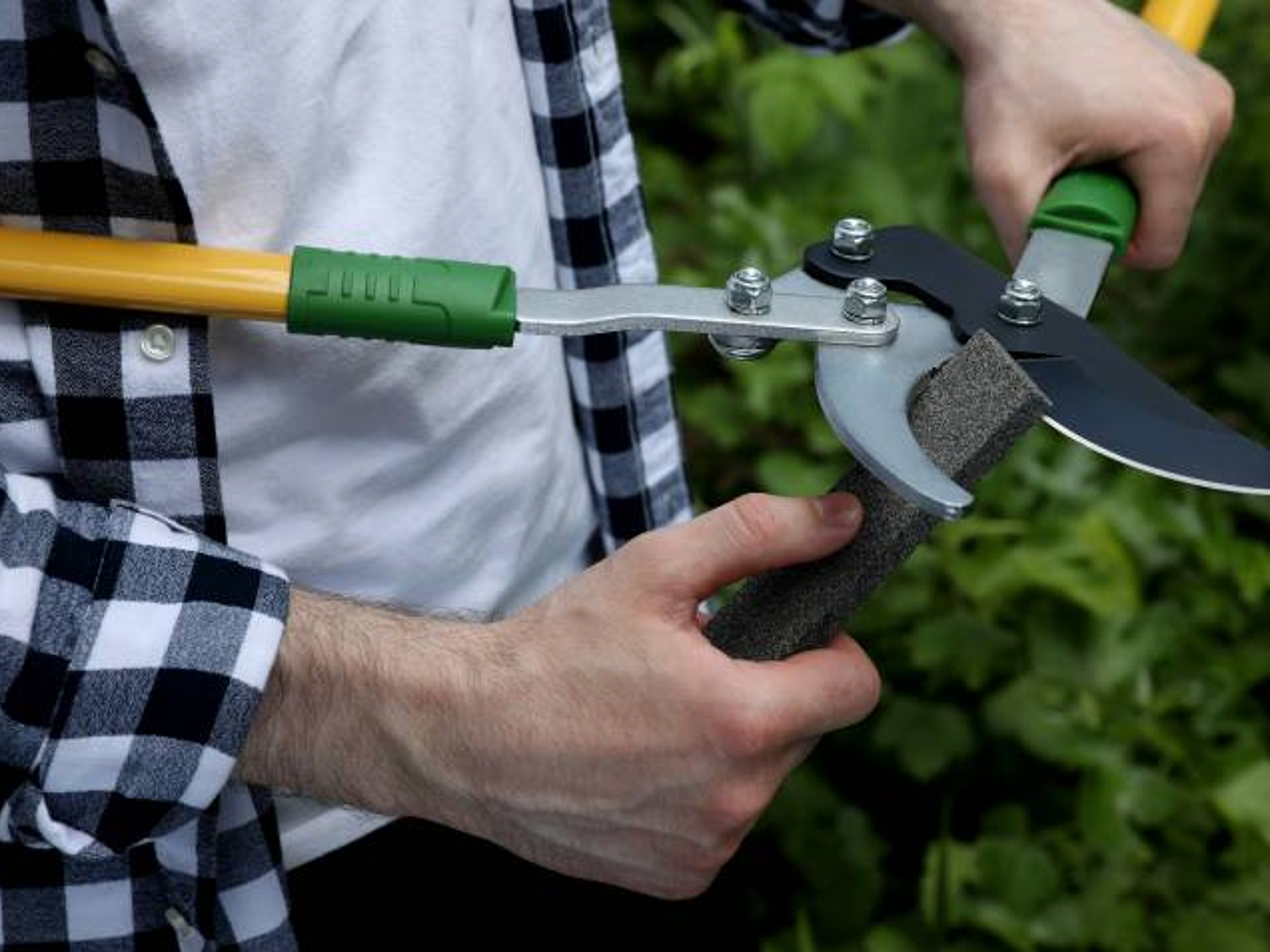
Sharpening stones help remove small nicks and restore the blade edge. Wet the stone before use for better results.
Rub the blade on the stone in one direction. Keep the same angle and use gentle pressure to avoid damage.
- Soak the stone in water for 5–10 minutes
- Place the blade flat on the stone
- Move the blade smoothly along the stone
- Repeat strokes until the edge feels sharp
Stropping For A Fine Edge
Stropping polishes the blade edge after sharpening. It removes small burrs and makes the shears cut cleanly.
Use a leather strop or a piece of soft cloth. Pull the blade backward along the strop to finish the edge.
- Hold the strop tight on a flat surface
- Drag the blade backward, away from the edge
- Use light pressure for 10–15 strokes
- Check the blade edge for smoothness
Maintaining Sharpness Between Sharpening
Shears stay sharp longer with good care. Proper maintenance helps avoid dull blades.
Small habits keep your shears ready for use. Clean and store them correctly after each use.
Regular Cleaning And Lubrication
Remove dirt and sap after every use. Clean blades with a soft cloth and warm soapy water.
Dry blades completely to stop rust. Apply a light coat of oil on the blades and pivot.
- Wipe blades with a damp cloth
- Use mild soap if needed
- Dry blades thoroughly
- Add a drop of lubricating oil
- Open and close shears to spread oil
Safe Storage Practices
Store shears in a dry place. Avoid damp spots that cause rust and damage.
Use blade covers or cases to protect edges. Keep shears closed but not tight to protect springs.
- Keep shears in a toolbox or drawer
- Use blade guards or sheaths
- Store away from moisture and dust
- Do not toss shears loosely with other tools
Common Mistakes To Avoid
Sharpening shears is essential for maintaining their performance. Avoiding common mistakes can prolong their life. Let’s explore these mistakes and how to avoid them.
Understanding what not to do is as important as knowing the right techniques. Here are some common pitfalls when sharpening shears.
Over-sharpening
Over-sharpening can wear down the blades unnecessarily. This shortens the lifespan of your shears. Be mindful of sharpening frequency.
- Check blade condition before sharpening
- Sharpen only when blades are dull
- Use gentle pressure while sharpening
Incorrect Angle Usage
Maintaining the correct angle is crucial. Incorrect angles can damage the cutting edge. Always follow the manufacturer’s guidelines for angle.
| Shear Type | Recommended Angle |
| Garden Shears | 15 to 20 degrees |
| Hair Cutting Shears | 20 to 25 degrees |
| Pruning Shears | 10 to 15 degrees |
Neglecting Blade Alignment
Blade alignment affects cutting performance. Misaligned blades can cause uneven cuts. Regularly check and adjust the alignment as needed.
When To Seek Professional Sharpening
Keeping your shears sharp is important for clean cuts and healthy plants.
Sometimes, you need a professional to sharpen your shears for the best results.
Signs Your Shears Need Expert Care
Look out for these signs that show your shears need professional sharpening.
- Blades feel dull and require more force to cut
- Cutting edges are chipped or damaged
- Shears pull or crush plant stems instead of slicing
- Blades no longer align properly
- Rust or corrosion appears on the blade surface
Finding A Reliable Sharpener
Choose a sharpener with good experience and proper tools to fix your shears.
| Factor | What to Look For |
| Experience | Years working with garden tools |
| Tools | Use of professional sharpening machines |
| Reviews | Positive customer feedback |
| Service Speed | Timely and efficient work |
| Guarantee | Warranty on sharpening service |
Credit: worksharptools.com
Frequently Asked Questions
How Often Should I Sharpen My Shears?
Sharpen your shears every 3 to 6 months for optimal performance. Frequent use requires more frequent sharpening to maintain clean cuts and prevent damage.
What Tools Are Best For Sharpening Shears?
Use a whetstone, sharpening stone, or diamond file for best results. These tools provide precision and maintain the blade’s edge effectively.
Can I Sharpen Shears At Home Safely?
Yes, sharpening shears at home is safe with proper tools and care. Follow step-by-step instructions, wear gloves, and work slowly to avoid injury.
How Do I Know When My Shears Need Sharpening?
If your shears pull or crush instead of cutting, they need sharpening. Dull blades require more effort and produce uneven cuts.
Conclusion
Sharpening shears keeps them cutting clean and smooth. Regular care saves time and effort during use. Always follow safe steps for best results. A sharp pair helps plants grow healthy and strong. Try sharpening often to keep shears ready for work.
Simple tools and patience make the process easy. Keep your garden tools sharp to enjoy better gardening.