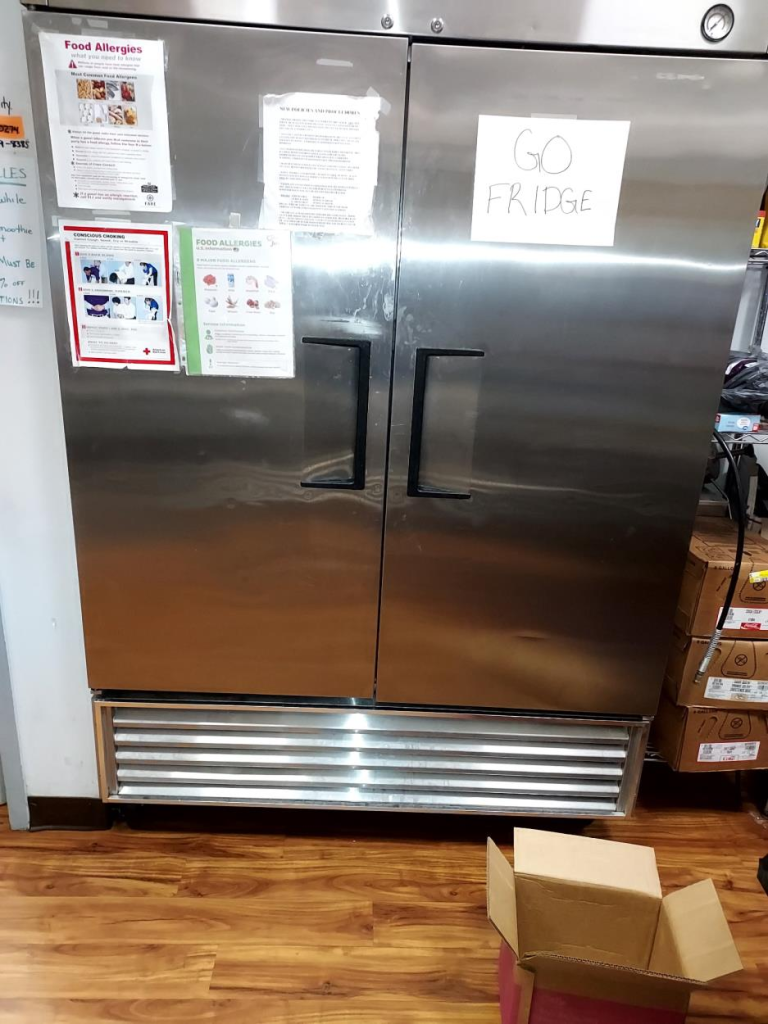
Shipping a refrigerator might seem like a daunting task, but with the right guidance, you can do it smoothly and safely. You’ve invested in this essential appliance, and ensuring it reaches its destination in one piece is crucial.
Imagine the relief and satisfaction when your refrigerator arrives without a scratch, ready to serve you once again. In this guide, you’ll discover practical steps to ship your refrigerator, avoiding common mistakes and ensuring a hassle-free experience. Whether you’re moving to a new home or sending it across the country, we’ve got you covered.
Stick with us and you’ll find peace of mind knowing you’ve handled this task with confidence and care.

Credit: www.reddit.com
Prepare The Refrigerator
Preparing your refrigerator properly before shipping is crucial to avoid damage and ensure it arrives in good working condition. Taking the time to get it ready can save you from costly repairs and hassle later. Here’s how to prepare your refrigerator step-by-step.
Empty And Defrost
Start by removing all food items from your fridge. Transporting a full refrigerator can cause spills and unpleasant odors. Plus, leftover food can spoil and create a mess inside.
Next, defrost your refrigerator. Turn it off and leave the doors open to let the ice melt completely. This prevents water leakage during shipping and protects the appliance’s electrical components.
Clean The Interior
Once defrosted, clean the inside thoroughly. Use a mild detergent or baking soda mixed with water to wipe down all surfaces. This removes any lingering odors and bacteria, making your fridge fresh for its new location.
Don’t forget to dry the interior completely. Moisture left inside can promote mold growth during transit. Have you experienced the frustration of opening a fridge that smells bad? Cleaning now prevents that problem.
Secure Shelves And Drawers
Loose shelves and drawers can shift and break during shipping. Use tape or stretch wrap to hold them firmly in place. You might also remove some components and pack them separately if possible.
Labeling these parts helps you remember where everything goes when setting up your fridge again. Think about how much easier unloading will be when nothing is rattling inside.
Gather Packing Materials
Gathering the right packing materials is essential for shipping a refrigerator safely. Proper materials protect the appliance from damage during transit. They make handling and moving easier and reduce risks of scratches or dents.
Planning ahead and collecting everything needed helps the shipping process go smoothly. Focus on materials that cushion, secure, and support the refrigerator well.
Choose Protective Padding
Use thick blankets or foam sheets to cover the fridge. Padding absorbs shocks and prevents scratches. Wrap the entire surface, especially corners and edges. Avoid using materials that can slip or shift easily.
Get Straps And Tape
Strong straps keep the refrigerator stable during transport. Use ratchet straps or heavy-duty rope to secure it tightly. Packing tape helps seal doors and hold padding in place. Make sure the tape does not damage the finish.
Select A Suitable Dolly
A sturdy dolly makes moving the refrigerator safer and faster. Choose one designed for heavy appliances with straps or supports. A dolly with large wheels handles bumps better. This reduces the chance of dropping or tipping over.
Disconnect And Move
Disconnecting and moving your refrigerator requires careful attention to avoid damage and ensure safety. This phase sets the stage for smooth transportation and protects both the appliance and your home. Handling cords, tilting with care, and using the right tools can make a big difference in your moving experience.
Unplug And Remove Cords
Start by unplugging the refrigerator from the power outlet to avoid any electrical hazards. If your fridge has an ice maker or water dispenser, disconnect the water supply line carefully to prevent leaks. Don’t forget to remove any loose cords or accessories inside and outside the fridge to keep them from getting damaged or tangled during the move.
Tilt And Lift Safely
Never tilt the refrigerator too far backward or forward, as this can cause the compressor oil to flow into the cooling lines, damaging the unit. A slight tilt of about 45 degrees is usually safe for moving short distances. Always lift with your legs, not your back, and ask for help if the fridge feels too heavy—this reduces the risk of injury and dropping the appliance.
Use A Dolly For Transport
A dolly is your best friend when moving a refrigerator. Secure the fridge to the dolly with straps to keep it steady. Make sure the dolly has pneumatic wheels if you need to navigate stairs or uneven surfaces. This tool saves your back and prevents unnecessary bumps or scratches on the fridge’s exterior.
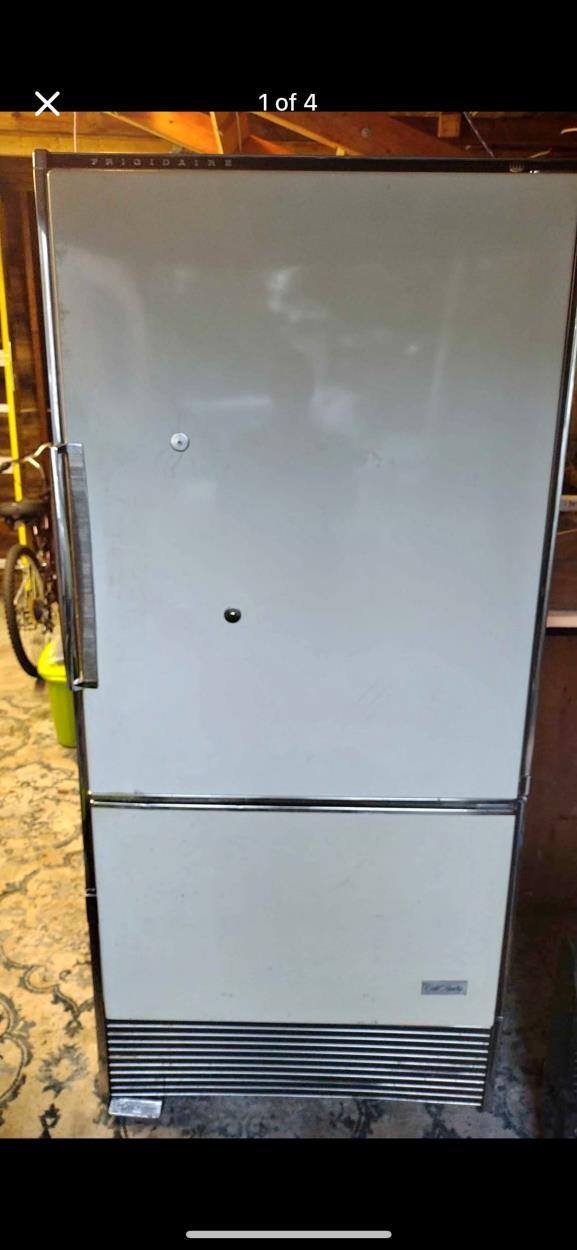
Credit: www.uship.com
Pack The Refrigerator
Packing your refrigerator carefully is essential to keep it safe during shipment. You want to avoid damage to the exterior and protect the internal components. Proper packing not only prevents dents and scratches but also ensures the appliance arrives in working condition.
Wrap With Padding
Start by wrapping the refrigerator with thick padding like moving blankets or foam sheets. This layer cushions the fridge against bumps and knocks during transit.
Use bubble wrap around delicate areas such as the control panel and handles. Secure the padding with strong packing tape, making sure not to tape directly onto the fridge’s surface to avoid sticky residue.
Secure Doors And Handles
Lock the doors tightly using heavy-duty tape or straps. This prevents the doors from swinging open and causing damage or injury.
If your refrigerator has protruding handles, wrap them separately with padding. You can even use plastic wrap to hold the padding in place, reducing the risk of the handles breaking off.
Label The Package
Clearly label the refrigerator as “Fragile” and “This Side Up.” These labels alert movers to handle the package with extra care and keep it in the correct position.
Adding a note about the contents inside can also be helpful. Have you ever seen a package handled roughly because the handlers didn’t know what was inside? Avoid that by making your labels obvious.
Choose Shipping Method
Choosing the right shipping method for your refrigerator is crucial to ensure it arrives safely and on time. It involves more than just picking a service; you must consider how the carrier handles large appliances and what options protect your investment. Let’s break down the key steps to help you make the best choice.
Select A Carrier
Not all carriers are equipped to handle heavy, bulky appliances like refrigerators. Look for companies that specialize in appliance shipping or offer white-glove services. These carriers usually have experience with the proper handling and securing of refrigerators during transit.
Compare prices, delivery times, and customer reviews. Sometimes paying a bit more guarantees better care and fewer headaches. Ask yourself: Would you prefer a carrier who simply moves your fridge or one who treats it like a valuable piece of equipment?
Consider Insurance
Refrigerators are expensive, and damage during shipping can cost you a lot. Check if the carrier includes insurance or if you need to purchase additional coverage. This protects you financially if something goes wrong.
Think about the value of your refrigerator and how much risk you’re willing to take. Even if the carrier offers insurance, read the fine print carefully—some policies exclude certain types of damage. Have you ever skipped insurance only to regret it later?
Schedule Pickup Or Drop-off
Decide whether you want the carrier to pick up your refrigerator from your home or if you prefer to drop it off at their facility. Pickup is convenient but sometimes comes with an extra fee. Dropping off might save money but requires more effort on your part.
Consider your schedule and physical ability to move the appliance. Also, ask about pickup windows and how flexible they are. Would coordinating a pickup cause more stress than it’s worth?
Unload And Set Up
After carefully transporting your refrigerator, unloading and setting it up correctly is crucial to ensure it works efficiently. This phase requires patience and attention to detail. Skipping any step can lead to damage or affect the appliance’s lifespan.
Move To Final Location
Position the refrigerator in its intended spot gently. Avoid dragging it across the floor to prevent damage to both the appliance and your flooring. If possible, use a dolly or get help to lift it carefully into place.
Ensure there is enough space around the fridge for air circulation. Most manufacturers recommend leaving at least 2 inches of space on the sides and back. Have you checked your room layout to confirm these clearances?
Wait Before Plugging In
Give your refrigerator time to settle before plugging it in. Moving it can cause the oil inside the compressor to shift, and immediate power-up might damage the compressor. A wait time of 2 to 4 hours is usually recommended.
This pause might seem like a delay, but it’s a small step that protects your investment. You wouldn’t rush a car engine after a long trip, so why should a fridge be any different?
Check For Damage
Once in place and rested, inspect your refrigerator thoroughly. Look for dents, scratches, or cracks that may have happened during shipping. Check the door seals and hinges to ensure they operate smoothly.
If you spot any issues, document them immediately with photos. This evidence can be vital if you need to file a claim with the shipping company. Have you ever experienced hidden damage after delivery? Taking time to check now can save headaches later.
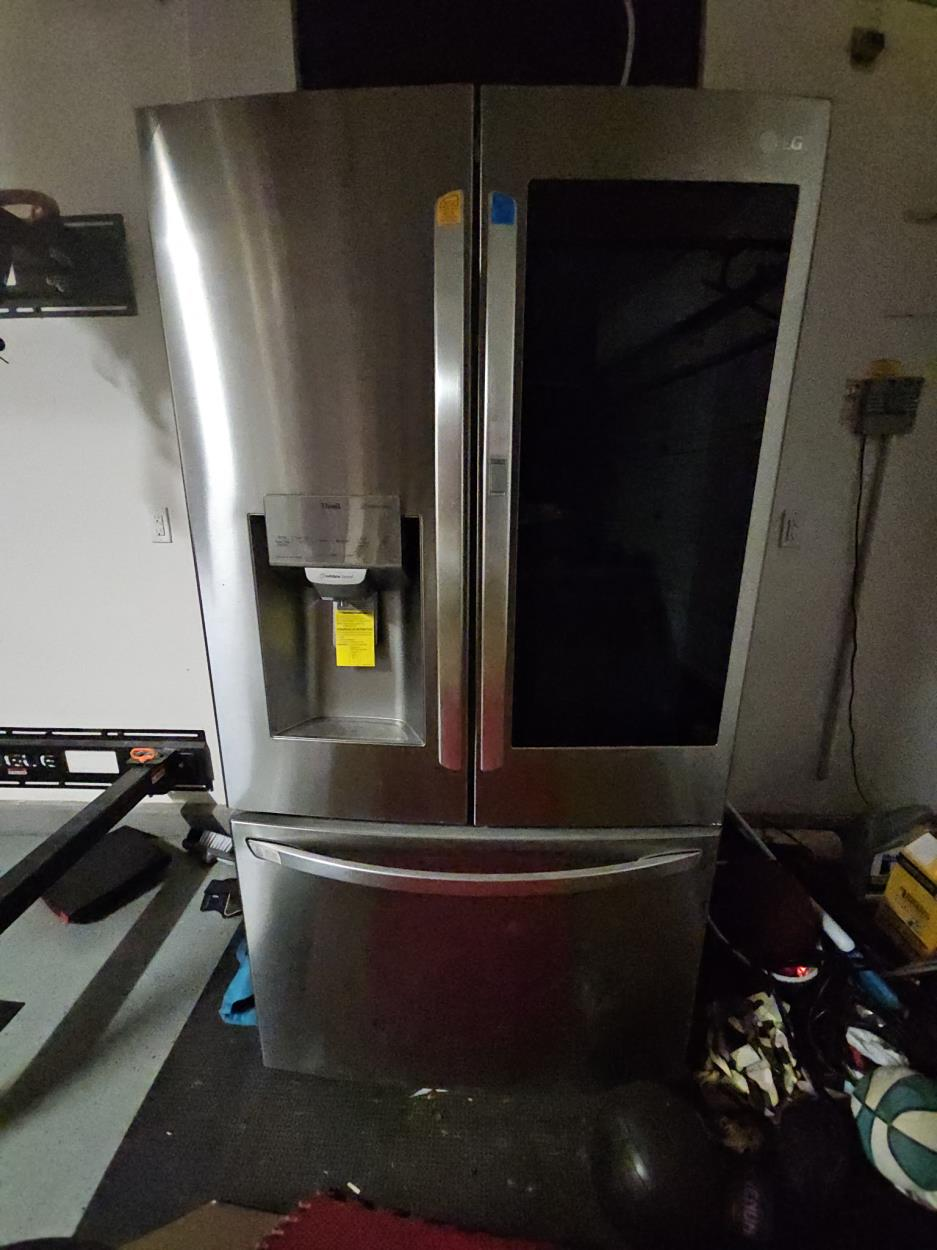
Credit: www.uship.com
Frequently Asked Questions
How Do You Prepare A Refrigerator For Shipping?
Clean and defrost the fridge thoroughly. Remove all food and shelves. Secure doors with tape and wrap the appliance for protection.
What Is The Best Way To Pack A Refrigerator?
Use sturdy moving blankets to cover the fridge. Secure padding around corners. Place it upright in the truck to avoid damage.
Can I Ship A Refrigerator Lying Down?
It’s not recommended. Lying down can cause compressor oil to leak, damaging the fridge. Always ship refrigerators upright.
How Do You Prevent Damage During Refrigerator Shipping?
Use proper padding and secure straps. Avoid sharp impacts and keep the fridge upright. Handle with care during loading and unloading.
Conclusion
Shipping a refrigerator takes careful planning and the right tools. Always secure the doors and use proper padding to avoid damage. Keep the fridge upright during transport to protect its parts. Label the package clearly for safe handling. Taking these steps helps your refrigerator arrive in good condition.
Remember, patience and care make the process easier and safer. Now, you can ship your refrigerator with confidence and peace of mind.