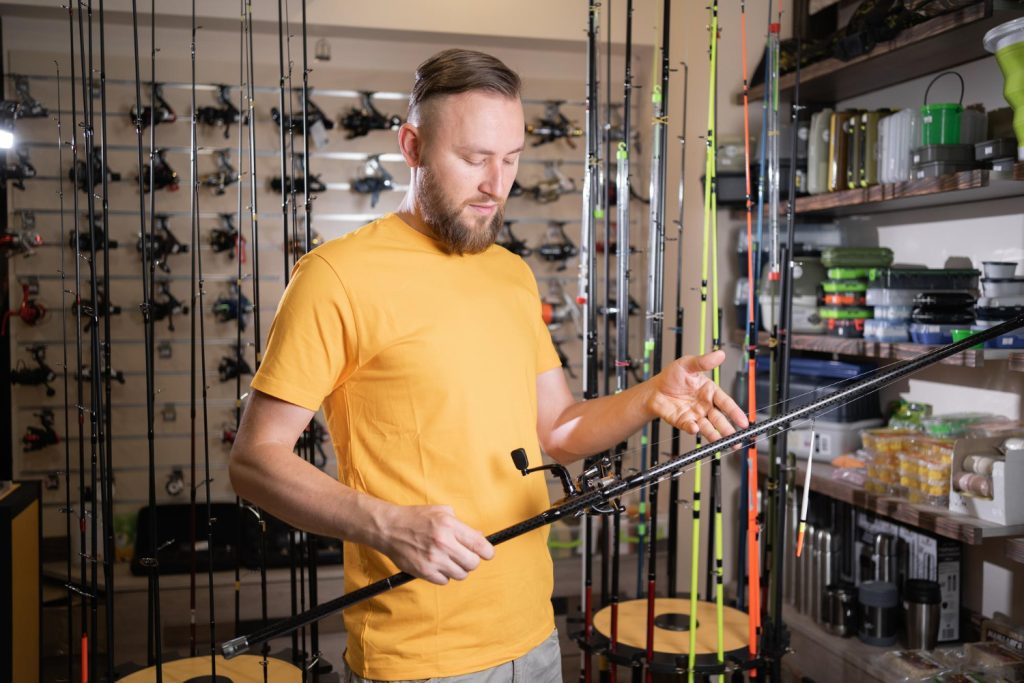
Shipping your fishing rod might seem tricky, but it doesn’t have to be. If you want your gear to arrive safe and sound, you need to know the right steps.
Imagine opening your package and finding your rod bent or broken—that’s the last thing you want. In this guide, you’ll learn simple, practical tips to protect your fishing rod during shipping. Whether you’re sending it to a friend, a repair shop, or moving to a new spot, these easy-to-follow methods will keep your rod secure.
Keep reading to discover how to ship your fishing rod without worry.

Credit: gomexus.com
Choosing The Right Packaging
Shipping a fishing rod safely needs the right packaging. Good packaging protects the rod from damage.
Choosing strong materials and wrapping the rod well will keep it safe during transit.
Selecting A Durable Shipping Tube
Pick a shipping tube made of strong cardboard or plastic. The tube should be longer than the rod.
Make sure the tube is thick enough to resist crushing and bending.
- Use tubes with at least 3mm thickness
- Choose tubes with reinforced ends
- Pick tubes with secure caps to close tightly
Using Protective Materials
Wrap the fishing rod with bubble wrap or foam sheets to absorb shocks. Cover the rod guides carefully.
Use padding inside the tube to stop the rod from moving around.
- Wrap the rod in bubble wrap from tip to handle
- Fill empty spaces with foam or packing peanuts
- Protect fragile parts with extra cushioning
Securing The Rod Inside The Package
Place the wrapped rod carefully inside the tube. Make sure it fits snugly without forcing it in.
Seal the tube tightly with strong tape to prevent it from opening during shipping.
- Use foam end caps or extra padding at tube ends
- Tape all openings securely with packing tape
- Label the package as fragile if needed
Preparing The Rod For Shipment
Shipping a fishing rod requires care to avoid damage. Preparing the rod properly helps it arrive safely. Follow these steps to get your rod ready.
Each step protects different parts of the rod. Proper preparation saves time and money on repairs.
Disassembling The Rod
Take apart the fishing rod into smaller sections. This makes packing easier and reduces the risk of breaks. Keep all pieces and parts together to avoid loss.
Cleaning And Drying
Clean the rod with fresh water to remove dirt and salt. Dry it completely before packing to prevent rust and mold. Use a soft cloth to wipe all sections.
- Rinse rod gently with fresh water
- Use mild soap if needed
- Dry with a clean, soft towel
- Let air dry in a shaded area
Wrapping Delicate Parts
Protect sensitive parts like guides and tips by wrapping them carefully. Use soft materials to cushion these areas during transit. Proper wrapping prevents scratches and bending.
| Part | Recommended Wrapping Material | Purpose |
| Rod tip | Bubble wrap | Protect from bending and impact |
| Guides | Soft cloth or foam | Prevent scratches and breakage |
| Handle | Plastic wrap or padded sleeve | Keep clean and absorb shocks |
Labeling And Documentation
Proper labeling and documentation are vital when shipping a fishing rod. It ensures safe delivery to the right destination.
Follow these guidelines to make sure your package arrives undamaged and is easily returnable if necessary.
Addressing The Package Correctly
Always write the address clearly on the package. Use a permanent marker to ensure it stays visible.
- Include the recipient’s full name.
- Write the street address with apartment or unit number.
- Add the city, state, and postal code.
- Do not forget the country if shipping internationally.
Adding Fragile Stickers
Fishing rods are delicate. Adding fragile stickers can help keep them safe during transit.

Place stickers on multiple sides of the package for visibility. This alerts handlers to be cautious.
Including Return Information
Return information is crucial in case the package needs to be sent back. It should be easy to find and read.
| Information | Details |
| Return Address | 123 Fishing Lane, Angler City, 12345 |
| Contact Number | (123) 456-7890 |
| return@fishingcompany.com |
Ensure this information is included inside the package and on the shipping label.

Credit: www.saltwatersportsman.com
Choosing A Shipping Service
Shipping a fishing rod needs care to avoid damage. Picking the right shipping service helps protect your item.
Many services offer different options. Learn how to choose the best one for your fishing rod.
Comparing Shipping Options
Look at several shipping companies before sending your rod. Check their prices and packaging rules.
Some services specialize in long items like fishing rods. These may offer better care and handling.
- Standard ground shipping is usually cheapest
- Express shipping costs more but is faster
- Specialized carriers may handle fragile items better
- Check if the service offers packaging supplies
Considering Insurance
Fishing rods can be expensive and fragile. Insurance protects you if the rod gets lost or damaged.
Many shipping services offer insurance for extra cost. Decide if the value of your rod justifies it.
- Check the maximum coverage offered
- Understand what damages are covered
- Keep proof of value like receipts or photos
- Consider third-party insurance if needed
Tracking And Delivery Times
Tracking helps you know where your fishing rod is during shipping. It adds peace of mind.
Look at delivery times to match your needs. Faster shipping usually costs more but saves time.
- Choose a service with online tracking
- Compare estimated delivery dates
- Consider weekend or holiday delivery options
- Ask about handling times before shipment
Tips For International Shipping
Shipping a fishing rod internationally needs care and planning. You must protect the rod and follow rules from different countries.
This guide helps you understand customs, fill out forms, and manage import rules. These tips make shipping easier and safer.
Understanding Customs Regulations
Every country has its own customs rules for imports. Knowing these rules helps avoid delays or extra fees.
Check the destination country’s customs website for details about shipping fishing rods. Some places may need special permits.
- Research allowed items and restrictions
- Learn about taxes and duties
- Find out if special permits are required
Filling Out Customs Forms
Customs forms must be complete and accurate. This speeds up processing and avoids problems at customs.
Describe the fishing rod clearly. Include details like material, value, and purpose. Use simple words to explain.
- Use the official name of the item
- Declare the correct value in local currency
- State if the rod is new or used
- Mention the purpose (gift, sale, personal use)
Handling Import Restrictions
Some countries limit or ban certain types of fishing rods. You must know these rules before shipping.
Check if the rod has parts made of restricted materials. Follow any special packaging or labeling rules to meet import laws.
- Identify banned or restricted materials
- Use approved packaging methods
- Label the package clearly with contents
- Contact customs if unsure about rules
Common Shipping Mistakes To Avoid
Shipping a fishing rod requires care to avoid damage. Many people make simple mistakes that cause problems.
Understanding these common mistakes helps you ship your fishing rod safely and save money.
Inadequate Packaging
Poor packaging can break your fishing rod during transit. Thin boxes or no padding leave it vulnerable.
Use strong boxes and cushion the rod well. Protect the tips and joints carefully to avoid cracks.
- Wrap the rod in bubble wrap or foam
- Use a sturdy, appropriately sized box
- Fill empty spaces with packing peanuts or paper
- Seal the box with strong tape
Incorrect Labeling
Wrong or unclear labels can delay delivery or cause loss. Always write the correct address and contact details.
Label the package clearly with the destination and return address. Use a waterproof marker or printed labels.
- Double-check the recipient’s address
- Include a phone number for delivery questions
- Mark the package as fragile if needed
- Attach labels firmly so they don’t peel off
Ignoring Insurance Options
Not buying insurance risks losing money if the rod is damaged or lost. Shipping companies offer coverage for valuable items.
Choose insurance based on the rod’s value. It protects you and gives peace of mind during shipping.
- Check if your carrier offers shipping insurance
- Declare the correct value of your fishing rod
- Keep the receipt and shipping documents
- File a claim quickly if damage occurs
After Shipping: Tracking And Follow-up
Once you ship a fishing rod, tracking its journey is important. You want to know where the package is at all times.
Following up after shipping helps you and the recipient stay informed. It ensures the fishing rod arrives safely and on time.
Monitoring Shipment Progress
Track your package using the shipping company’s tracking number. Check the updates regularly to see its location.
Look for key status updates like “in transit,” “out for delivery,” and “delivered.” This helps you know what to expect.
- Use the courier’s website or app to track the package
- Set up email or text alerts if available
- Note estimated delivery dates and times
- Check for any delays or exceptions reported
Communicating With The Recipient
Keep the person receiving the fishing rod informed. Share tracking details and expected delivery time.
Tell them to watch for delivery and confirm once they get the package. Clear communication avoids confusion.
- Send tracking number and carrier name
- Provide estimated delivery date
- Ask recipient to check package condition
- Request confirmation of receipt
Handling Delivery Issues
If the package is delayed or lost, contact the shipping company immediately. Report the problem clearly and calmly.
If the fishing rod arrives damaged, ask the recipient to take photos. Use these to file a claim with the carrier.
- Check tracking status for delays or errors
- Contact carrier customer service for help
- Keep all shipment receipts and records
- Submit claims with photos if damage occurs

Credit: www.fishing.news
Frequently Asked Questions
How Do I Pack A Fishing Rod For Shipping?
To pack a fishing rod, disassemble it if possible. Wrap each piece in bubble wrap. Use a sturdy, long box with padding to prevent movement. Secure everything tightly and seal the box well.
What Materials Are Needed To Ship A Fishing Rod Safely?
You need bubble wrap, packing tape, a sturdy shipping box, and cushioning materials like foam or packing peanuts. These protect the rod from damage during transit.
Can I Ship A Fishing Rod Without Disassembling It?
Disassembling is recommended but not mandatory. If shipping whole, use a rigid tube or long box with enough padding to prevent bending or breaking.
How Do I Label A Fishing Rod Package For Shipping?
Label the package clearly with the recipient’s and sender’s addresses. Add “Fragile” and “Handle with Care” stickers to alert carriers to treat it gently.
Conclusion
Shipping your fishing rod does not have to be hard. Pack it carefully to avoid damage. Use strong boxes and soft padding inside. Label the package clearly with your address. Choose a reliable shipping service for safe delivery. Keep tracking the shipment until it arrives.
Following these steps helps your rod arrive in good shape. Ready to ship your fishing gear with confidence?