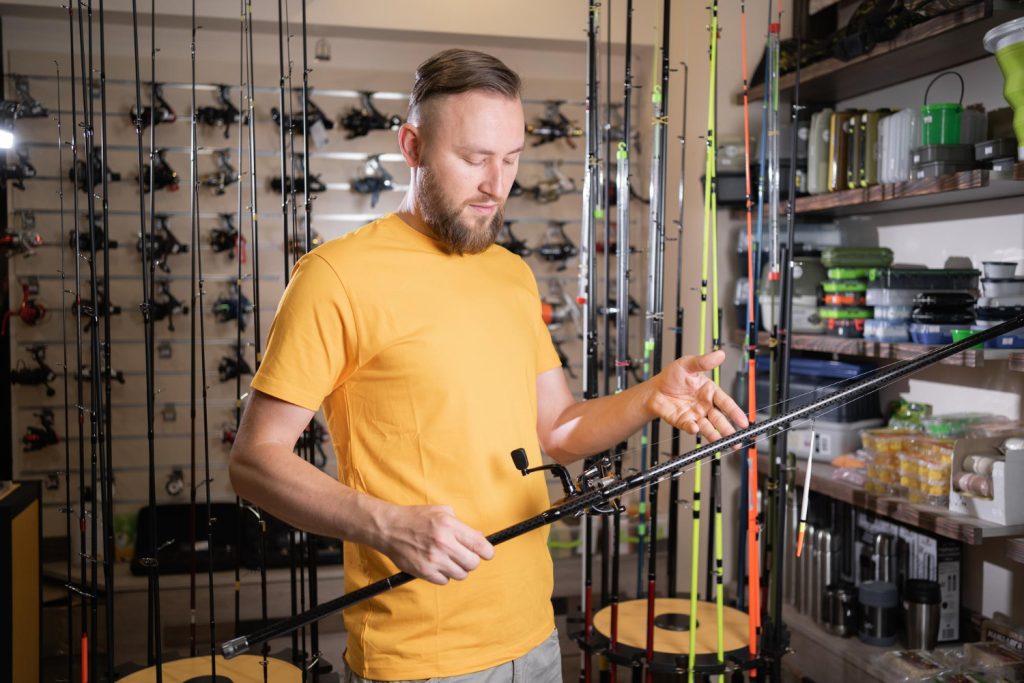
Shipping fishing rods can be tricky. You want to make sure your gear arrives safely without any damage.
If you’re wondering how to pack and send your fishing rods the right way, you’re in the right place. In this guide, you’ll discover simple, effective tips to protect your rods during transit. Whether you’re sending them to a friend, a tournament, or for repairs, following these steps will save you time, money, and stress.
Keep reading to learn exactly what you need to do to ship your fishing rods with confidence.
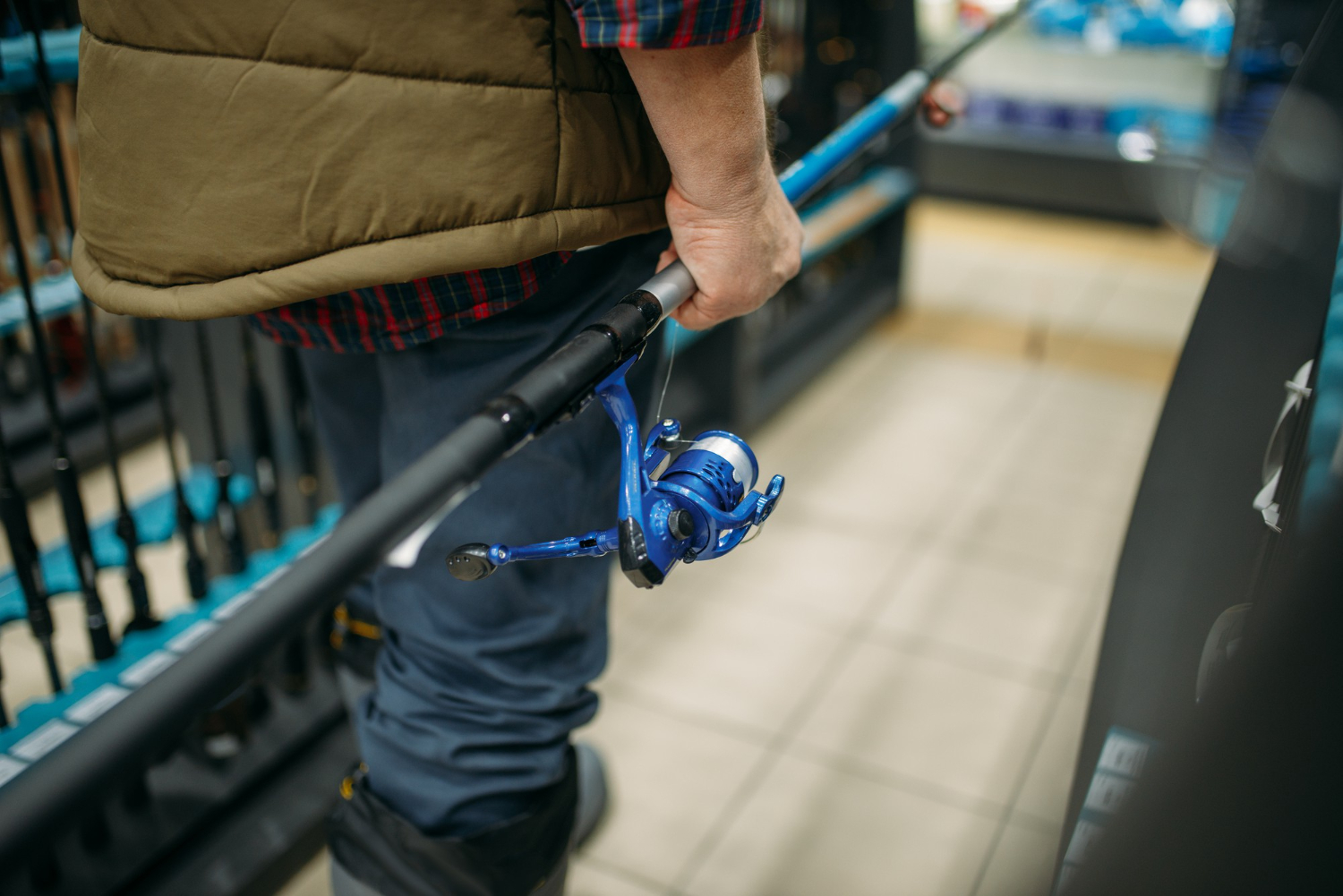
Credit: www.couriersandfreight.com.au
Choosing The Right Packaging
Shipping fishing rods needs careful packing to avoid damage. The right packaging keeps rods safe during transport.
Choosing proper materials and methods helps protect your fishing rods. It also makes shipping easier and safer.
Selecting A Durable Rod Tube
Use a strong rod tube to protect the fishing rod. Hard plastic or heavy cardboard tubes work well.
Pick a tube that fits the rod length and diameter. The tube should have end caps to close it tightly.
- Choose a tube longer than the rod to avoid pressure
- Use thick-walled tubes for better protection
- End caps must fit securely to keep out dust and moisture
Using Protective Materials
Wrap the fishing rod with soft materials to prevent scratches. Bubble wrap or foam sleeves work well.
Fill empty spaces inside the tube with padding. This stops the rod from moving during shipping.
- Cover delicate parts with foam or cloth
- Use bubble wrap around the entire rod
- Add packing peanuts or crumpled paper inside the tube
Sealing And Labeling Tips
Seal the rod tube with strong tape to keep it closed. Use waterproof tape if possible.
Label the package clearly. Write “Fragile” and “This Side Up” for careful handling.
- Use packing tape to seal all openings
- Mark the package with handling instructions
- Include your contact information inside and outside the package
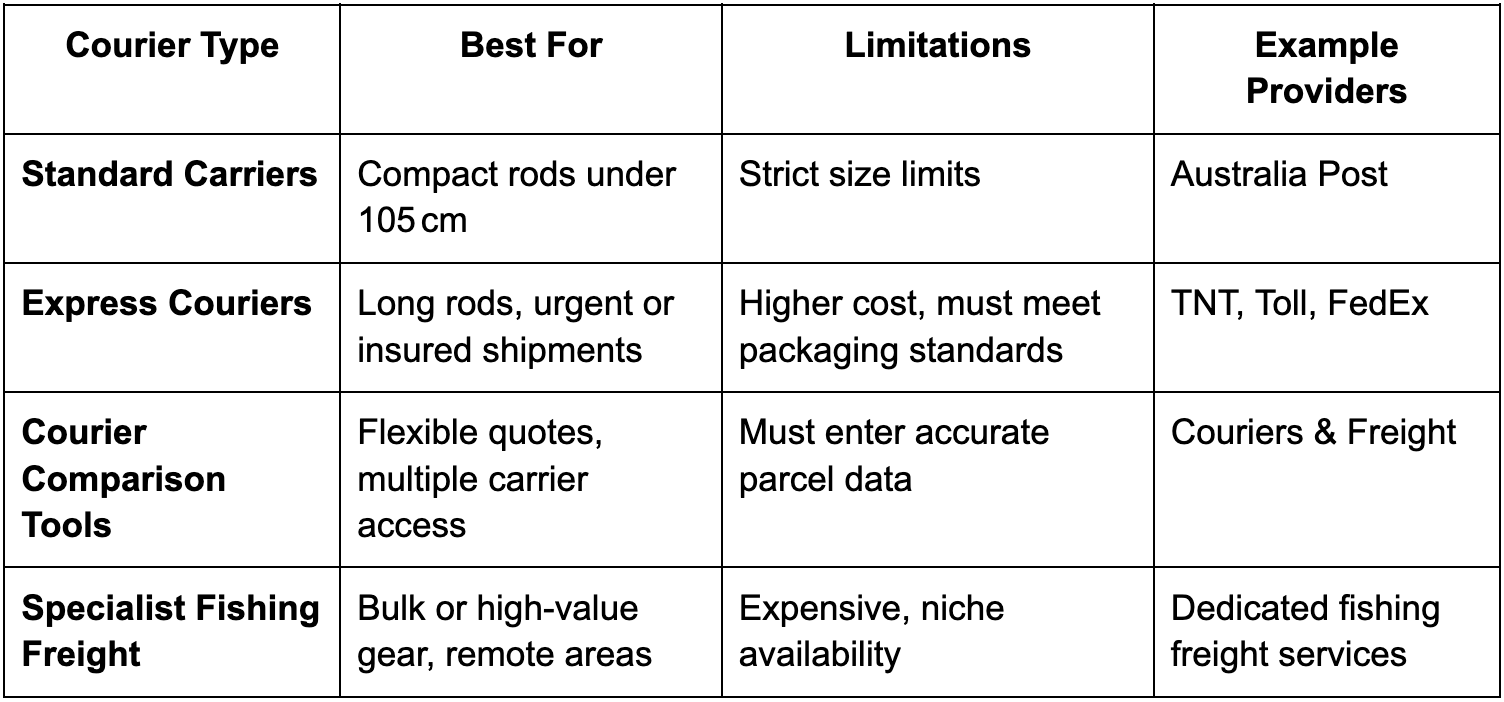
Credit: www.couriersandfreight.com.au
Preparing The Fishing Rod
Shipping a fishing rod requires careful preparation. Proper handling ensures the rod stays safe during transit.
Learn how to disassemble, secure, and wrap your fishing rod. This guide will make the process simple and stress-free.
Disassembling The Rod
Take the fishing rod apart carefully. Most rods have sections that come apart easily.
Separate each part and lay them flat. This helps protect the rod during shipping.
- Detach the reel from the rod
- Unscrew and separate the rod sections
- Keep track of all small parts
Securing The Guides And Tips
Guides and tips are fragile parts of the rod. Secure them well to prevent damage.
Use soft materials to cushion these parts. This will keep them safe from impacts.
- Wrap guides with bubble wrap
- Use foam to protect the tips
- Ensure no part is loose
Wrapping The Rod Components
Wrap each rod section separately. Use materials that provide cushioning.
This protects the rod from scratches and breaks during transit.
- Use bubble wrap for each section
- Secure with packing tape
- Place in a sturdy shipping tube
Shipping Options And Carriers
Shipping fishing rods requires careful choice of carriers and methods. Choosing the right option helps protect your gear during transit.
This guide covers shipping services, cost versus delivery speed, and important tracking features.
Comparing Shipping Services
Many carriers offer shipping for fishing rods. Some are better for long rods or fragile items. Check if the carrier handles sports equipment.
- FedEx: Offers specialized packaging and fast delivery.
- UPS: Good for standard sized rods and has wide coverage.
- USPS: Cheapest option but may have size limits.
- DHL: Best for international shipments.
Cost Vs. Delivery Time
Cost depends on size, weight, and speed. Faster shipping costs more but reduces damage risk.
| Service | Delivery Time | Typical Cost |
| Standard Ground | 5-7 days | Low |
| 2-Day Air | 2 days | Medium |
| Overnight | 1 day | High |
Tracking And Insurance
Tracking lets you see where your rod is during shipping. Insurance covers damage or loss. Always choose carriers that offer these options.
- Track your package online with the carrier’s system.
- Buy insurance equal to the rod’s value.
- Keep receipts and photos for claims.

Credit: blog.hireahelper.com
Handling International Shipments
Shipping fishing rods internationally needs careful planning. You must follow rules for each country.
Good handling helps avoid delays and damage during transit. Prepare your shipment well to keep it safe.
Customs Documentation
Customs paperwork is needed to clear your fishing rods at borders. Fill out all forms correctly.
Common documents include commercial invoices and export declarations. These show item details and value.
- Commercial invoice with product description
- Export declaration form
- Shipping label with sender and receiver details
- Any required licenses or permits
Restrictions And Regulations
Each country has rules about importing fishing gear. Check local laws before shipping.
Some places limit fishing rod length or materials. Certain woods may be banned due to pest risks.
- Verify allowed fishing rod types
- Confirm if wood or other materials need special treatment
- Check weight and length limits for shipments
- Follow any import taxes or duties rules
Packaging For Long-distance Transit
Strong packaging protects rods from damage on long trips. Use sturdy tubes or boxes.
Wrap rods in bubble wrap or foam. Secure ends to prevent movement inside the package.
- Use hard plastic or cardboard tube for protection
- Wrap each rod with cushioning material
- Seal ends tightly with tape or caps
- Label package as fragile
- Add moisture absorbers if needed
Tips For Receiving And Inspecting
Receiving a fishing rod safely is important to keep it in good shape. Careful inspection helps find any damage early.
Follow some simple steps to check and handle your rod after delivery. This keeps it ready for your next fishing trip.
Checking For Damage
Look over the rod carefully as soon as you get it. Check the rod tip, guides, and handle for cracks or breaks.
- Inspect the rod blank for dents or bends
- Make sure all guides are straight and secure
- Check the reel seat for tightness and damage
- Look for scratches or chips on the finish
Proper Unpacking Techniques
Unpack the rod carefully to avoid harm. Use the right tools and space to open the package.
- Cut tape gently with a box cutter or scissors
- Remove packing materials like foam or bubble wrap slowly
- Hold the rod near the handle when taking it out
- Do not pull the rod by the tip or guides
- Place the rod on a soft surface to avoid scratches
Storing The Rod Safely
Keep the fishing rod safe by storing it in a dry and secure place. Avoid places with high heat or moisture.
| Storage Tip | Reason |
| Use a rod rack or holder | Prevents bending or warping |
| Store indoors away from direct sunlight | Protects finish and guides |
| Keep the rod in a protective case | Reduces risk of damage from impact |
| Loosen the reel drag | Extends reel life |
Frequently Asked Questions
How Do I Pack Fishing Rods For Shipping?
Disassemble your fishing rods and wrap each part in bubble wrap. Use a sturdy tube or box for protection. Fill any gaps with packing peanuts or foam to prevent movement during transit.
What Is The Best Shipping Method For Fishing Rods?
Using a courier service with tracking and insurance is ideal. Choose expedited shipping for faster delivery. Always check the carrier’s guidelines for shipping long items like fishing rods.
Can I Ship Fishing Rods Internationally?
Yes, but check customs regulations of the destination country. Declare the item properly and include necessary documentation. International shipping may require additional fees and longer delivery times.
How Do I Protect Fishing Rod Tips During Shipping?
Wrap the tips individually with extra bubble wrap or foam. Use a protective rod tip cover if available. Secure the wrapped tips firmly to avoid bending or breaking.
Conclusion
Shipping fishing rods can be simple with the right steps. Always pack your rod carefully to avoid damage. Use strong boxes and plenty of padding. Label the package clearly for safe handling. Choose a reliable shipping service you trust. Tracking your shipment helps you stay informed.
Taking these small steps protects your gear. Enjoy fishing without worries about shipping problems. Safe delivery means more time to fish and relax.