Finding the right bike helmet size is more important than you might think. If your helmet doesn’t fit well, it won’t protect you properly when you need it most.
You might feel tempted to grab any helmet off the shelf, but getting the perfect fit can make a huge difference in comfort and safety. In this guide, you’ll discover simple steps to measure your head and choose a helmet that fits like it was made just for you.
Keep reading to learn how to protect yourself better every time you ride.

Credit: www.btosports.com
Why Helmet Fit Matters
Wearing a bike helmet protects your head during accidents. A helmet that fits well offers better safety. A loose or tight helmet can cause problems.
Knowing how to size a bike helmet helps you stay safe and comfortable. This guide covers why fit matters for safety and comfort.
Safety And Protection
A helmet must fit snugly to protect your head properly. If it moves or slips, it cannot absorb impact well. A poor fit can cause injury in a crash.
- The helmet should sit level on your head, not tilted back.
- It should be tight enough that it does not shift when you shake your head.
- Straps must fasten securely under your chin without causing discomfort.
- Check that the helmet covers your forehead and the sides of your head.
Comfort And Performance
Comfort affects how often you wear your helmet. A well-fitted helmet feels good and lets you focus on riding.
| Fit Factor | Comfort Benefit |
| Proper size | Prevents pressure points and headaches |
| Adjustable straps | Keep helmet in place without tightness |
| Ventilation | Keeps your head cool during rides |
| Lightweight design | Reduces fatigue on long rides |
Credit: catlike.com
Measuring Your Head Size
Finding the right bike helmet is important for safety. A proper fit ensures protection during rides.
To size a helmet, you must first measure your head. Follow these steps to get the perfect fit.
Tools You Need
You will need some simple tools to measure your head size. These tools help ensure an accurate measurement.
- Flexible measuring tape
- Mirror
- Pen and paper
Step-by-step Measuring Process
Follow these steps to measure your head correctly. This will help you find a helmet that fits well.
- Wrap the measuring tape around your head, just above your eyebrows.
- Use a mirror to check the tape is level all around.
- Write down the measurement in centimeters or inches.
- Repeat the process to ensure accuracy.
Helmet Sizing Charts
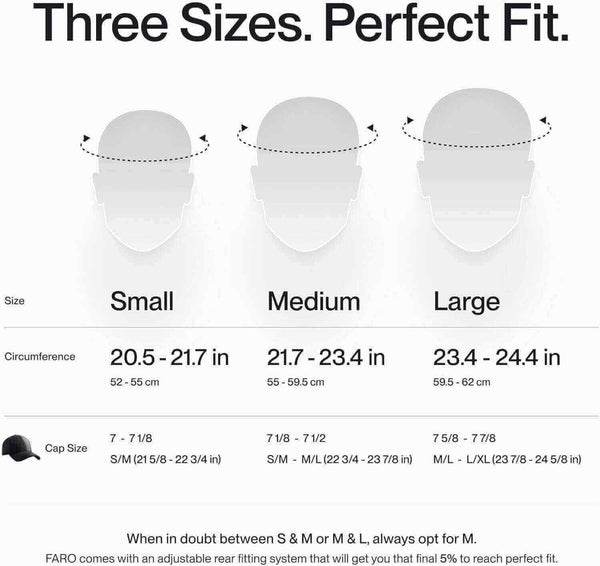
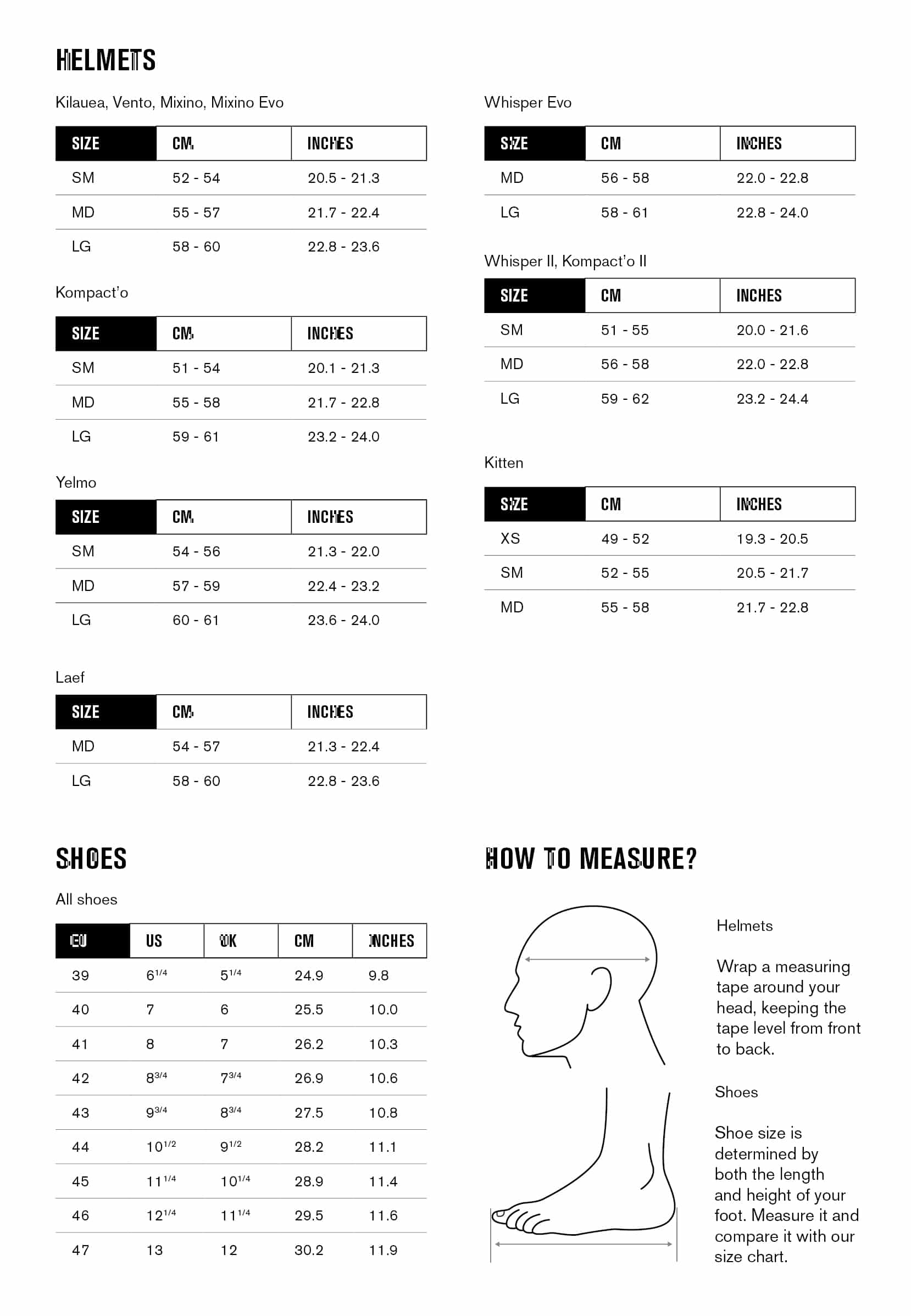
Choosing the right bike helmet size is important for safety and comfort. Helmet sizing charts help you find the perfect fit based on your head measurements.
Different brands use their own sizing charts. It is important to understand how to read them and convert measurements if needed.
Reading Different Brands’ Charts
Helmet brands list sizes using head circumference in centimeters or inches. Each size often matches a range of measurements. Check the chart carefully to see which range fits your head.
- Look for the size label like S, M, L, or XL.
- Check the minimum and maximum head circumference for each size.
- Note if the chart uses centimeters or inches.
- Some brands add extra sizing details like shape or fit type.
- Use a flexible tape measure to get your head size accurately.
Converting Measurements
Some helmet charts use centimeters, others use inches. You may need to convert your measurement to match the chart. Use a simple table to convert between the two.
| Inches | Centimeters (cm) |
| 21 | 53.3 |
| 21.5 | 54.6 |
| 22 | 55.9 |
| 22.5 | 57.2 |
| 23 | 58.4 |
| 23.5 | 59.7 |
| 24 | 61.0 |

Credit: ngegypt.net
Types Of Helmet Fits
Choosing the right helmet fit is important for safety and comfort. Different helmets fit in different ways.
There are two main types of helmet fits. Each type offers a unique way to adjust or wear the helmet.
Adjustable Fit Systems
Adjustable helmets have systems that let you change the size. This helps the helmet fit snugly on your head.
These systems use dials, straps, or pads. They make small changes to improve comfort and safety.
- Dial fit systems tighten or loosen the helmet easily
- Strap adjustments secure the helmet under the chin
- Padding can be added or removed inside the helmet
Fixed Size Helmets
Fixed size helmets come in set sizes like small, medium, or large. They do not have adjustable parts.
You must choose the right size before buying. These helmets rely on the correct fit from the start.
- Sizes are based on head measurements in centimeters or inches
- Try the helmet on to check for comfort and fit
- They may feel firmer since no adjustments are possible
Trying On Helmets
Choosing the right bike helmet is important for safety. Trying on helmets helps you find one that fits well and feels comfortable.
Take your time to try different helmets. Check the fit and adjust straps and pads to get the best protection.
Checking Fit And Comfort
A helmet should fit snugly without pressure points. It should sit level on your head and cover your forehead.
- Place the helmet on your head and fasten the chin strap.
- Shake your head gently side to side and up and down.
- The helmet should not move much or feel loose.
- Make sure it does not press too hard anywhere.
- Check if the helmet covers the top of your forehead.
Adjusting Straps And Pads
Adjusting the straps and pads improves comfort and keeps the helmet secure. Straps should form a “V” shape under your ears.
| Adjustment | How to Check | Tip |
|---|---|---|
| Chin Strap | Fasten it firmly but comfortably under your chin. | You should fit one or two fingers between strap and chin. |
| Side Straps | Adjust straps to sit just below your ears. | Straps should form a symmetrical “V”. |
| Padding | Place pads inside the helmet for a better fit. | Use thicker pads if helmet feels loose. |
Common Fit Issues
Wearing a bike helmet that fits well is very important for safety. Many people face problems with helmet fit. These problems can make riding uncomfortable or unsafe.
Understanding common fit issues helps you find the right size. This guide explains two main problems: helmets that are too tight or loose, and pressure points that cause discomfort.
Helmet Too Tight Or Loose
A helmet that is too tight can cause headaches and pain. It may press hard on your head and feel uncomfortable after a short time. A loose helmet moves around and does not protect you well.
To check the fit, wear the helmet and fasten the straps. The helmet should feel snug but not painful. It should not slide when you shake your head.
- Too tight: causes pressure and headaches
- Too loose: moves and reduces protection
- Snug fit: stays in place without pain
Pressure Points And Discomfort
Pressure points happen when the helmet presses too hard on small areas of your head. This can cause pain or red marks. Discomfort makes it hard to wear the helmet for long rides.
Adjust the helmet padding or try a different size if you feel pressure in one spot. Some helmets have removable pads to help fix this issue.
- Pressure points cause pain and red marks
- Adjust padding to reduce pressure
- Try different helmets for better comfort
Tips For Choosing The Right Helmet
Choosing the right bike helmet keeps you safe and comfortable. It is important to find a helmet that fits well and meets safety standards.
This guide covers key points about helmet shape and safety certifications to help you pick the best helmet.
Considering Helmet Shape
Helmet shape affects how well it fits your head. Different brands make helmets with different shapes.
- Oval-shaped helmets fit heads that are longer from front to back.
- Round-shaped helmets fit heads that are wider from side to side.
- Try on several helmets to find the shape that feels snug and comfortable.
- Make sure the helmet sits level on your head, not tilted back or forward.
Safety Certifications To Look For
Safety certifications show that a helmet meets certain protection standards. Look for labels from trusted organizations.
| Certification | Region | Description |
| CPSC | USA | Required for all bike helmets sold in the USA |
| CE EN 1078 | Europe | European safety standard for bike helmets |
| AS/NZS 2063 | Australia/New Zealand | Standard for helmets in Australia and New Zealand |
Maintaining Your Helmet Fit
Keeping your bike helmet fitting well is very important. A good fit protects your head better during rides.
Helmets can loosen or wear out over time. You should check and adjust your helmet often.
Regular Adjustments
Check your helmet fit before each ride. Make sure it feels snug but not too tight.
Use the straps and dial fit system to adjust your helmet. The helmet should sit level on your head.
- Straps should form a V shape under each ear.
- The chin strap should be tight enough to hold the helmet.
- The helmet should not move when you shake your head.
When To Replace Your Helmet
Replace your helmet after any crash or strong impact. Damage may not be visible but can weaken protection.
Helmets also wear out over time. Most experts suggest replacing a helmet every five years.
- Check for cracks or dents on the shell.
- Look inside for broken or compressed foam.
- Replace if the straps or buckles are damaged.
- Follow the manufacturer’s replacement guidelines.
Frequently Asked Questions
How Do I Measure My Head For A Bike Helmet?
Use a soft measuring tape around your head, 1 inch above your eyebrows. Note the circumference in centimeters or inches for size reference.
What Helmet Size Fits A 22-inch Head Circumference?
A 22-inch head typically fits a medium helmet size, around 56-58 cm. Always check the manufacturer’s size chart for accuracy.
How Tight Should A Bike Helmet Fit?
A bike helmet should fit snugly without discomfort. It should not move side to side or front to back when tightened.
Can I Use A Helmet That’s Slightly Too Big?
No, a helmet that’s too big won’t protect properly. It can shift in a crash, increasing injury risk.
Conclusion
Choosing the right bike helmet size keeps you safe and comfortable. Measure your head carefully before buying. A helmet that fits well stays in place during rides. Too loose or tight helmets cause discomfort and reduce protection. Adjust straps and pads for a snug fit.
Remember, safety comes first on every ride. Wear your helmet with confidence and enjoy cycling. A good fit helps you ride longer and feel secure. Stay safe, and keep your helmet fitting just right.