
Choosing the right bike helmet size is more than just a number on a label—it’s about your safety and comfort every time you ride. If your helmet doesn’t fit properly, it can cause discomfort or, worse, fail to protect you when you need it most.
But how do you know which size is right for you? This guide will walk you through simple steps to measure your head and find a helmet that fits perfectly. Keep reading, because getting the right fit could make all the difference on your next ride.
Why Helmet Fit Matters
A helmet must fit well to protect your head during a crash. A poor fit can cause the helmet to move or come off. This reduces its ability to protect you.
Wearing a helmet that fits right also keeps you comfortable. It stops the helmet from pressing too hard or sliding down.
Safety And Protection
A helmet that fits snugly spreads crash forces over the head. It absorbs impact and lowers injury risk. Loose helmets do not stay in place during falls.
Comfort During Rides
Good fit means no pinching or tight spots on your head. It also stops the helmet from rocking forward or backward. This makes long rides more pleasant.
How To Check Your Helmet Fit
- Place the helmet level on your head.
- Tighten the straps so they form a V under your ears.
- Adjust the rear dial or pads for a snug fit.
- Shake your head gently; the helmet should stay put.
- Make sure no part presses too hard or feels loose.
Signs Of Poor Fit
| Issue | What Happens | How to Fix |
| Helmet too large | Moves or slides easily | Use padding or smaller size |
| Helmet too small | Feels tight or painful | Try a larger size |
| Straps too loose | Helmet shifts on head | Tighten straps correctly |
| Straps too tight | Skin irritation or pressure | Loosen straps slightly |
Measuring Your Head Size
Finding the right bike helmet size keeps your head safe while riding. A helmet that fits well feels comfortable and protects better.
To size a bike helmet correctly, you first need to measure your head. This step ensures you get the right fit every time.
Tools You Need
You only need a few simple tools to measure your head size accurately. These tools are easy to find and use at home.
- A soft measuring tape (tailor’s tape)
- A mirror to check the tape position
- A piece of string (if no measuring tape)
- A ruler or a tape measure (to measure string length)
Step-by-step Measuring Process
Follow these simple steps to get your head size. Take your time to get the most accurate number.
- Wrap the soft measuring tape around your head.
- Place the tape just above your eyebrows.
- Make sure the tape is level all around your head.
- Check the tape in a mirror to keep it straight.
- Note the number where the tape ends.
- If using string, mark where it meets and measure it with a ruler.
- Write down your head circumference in centimeters or inches.
Helmet Sizing Charts
Choosing the right bike helmet size is important for safety and comfort. Helmet sizing charts help you find the best fit. These charts list helmet sizes with head measurements in centimeters or inches.
Understanding size labels and brand differences will make it easier to pick the right helmet. Let’s look at how to read these charts and what to expect from different brands.
Interpreting Size Labels
Helmet sizes often use labels like Small, Medium, Large, or numbers such as 54-58. These labels show the head circumference the helmet fits. Checking your head size with a tape measure helps you match the size correctly.
- Small usually fits heads 52-56 cm (20.5-22 inches)
- Medium fits 56-58 cm (22-22.8 inches)
- Large fits 58-62 cm (22.8-24.4 inches)
- Extra Large fits over 62 cm (24.4 inches)
Variations Across Brands
Each brand may size helmets differently. Some use letters, others numbers. The exact measurements for Small or Medium can vary by brand. Checking the brand’s own sizing chart is important before buying.
| Brand | Small (cm) | Medium (cm) | Large (cm) |
| Brand A | 52-55 | 56-58 | 59-62 |
| Brand B | 53-56 | 57-59 | 60-63 |
| Brand C | 51-54 | 55-57 | 58-61 |
Trying On Helmets
Trying on a bike helmet is important to find the right size. A helmet must fit well to protect your head.
Taking time to try on different helmets helps you choose one that feels safe and comfortable.
Checking Helmet Position
Place the helmet level on your head. It should sit low on your forehead, about one or two finger widths above your eyebrows.
The helmet should not tilt back or forward. This position helps protect your forehead in a fall.
Adjusting Straps And Padding
Fasten the chin strap so it is snug but not too tight. You should be able to fit one or two fingers between the strap and your chin.
Use any extra padding inside the helmet to improve fit. Padding helps keep the helmet from moving around.
- Straps should form a “V” under your ears
- Chin strap should hold the helmet firmly
- Padding should fill gaps for a secure fit
Comfort Vs. Security
Your helmet must feel comfortable and secure. If it hurts, it might be too tight or the wrong shape.
Choose a helmet that does not move when you shake your head. A loose helmet lowers safety.
- Comfort helps you wear the helmet regularly
- Security keeps your head safe in crashes
- Find a balance between snug fit and comfort
Types Of Helmet Fits
Choosing the right helmet fit is important for safety and comfort. Different helmets offer various fit types to suit head shapes and sizes.
This guide explains three common types of helmet fits: standard, adjustable, and custom options. Understanding these helps you pick the best fit.
Standard Fit
Standard fit helmets come in fixed sizes like small, medium, and large. They use foam padding inside to fit snugly on your head.
You choose the size based on your head measurement. The helmet should feel tight but comfortable without pressure points.
- Available in common sizes
- Foam padding adjusts to head shape
- Easy to find and affordable
Adjustable Fit Systems
Adjustable helmets have built-in systems to change the fit size. These include dials, straps, or sliders inside the helmet.
They allow small size changes for a better fit. This makes the helmet more comfortable and secure during rides.
- Dial or wheel for tightness control
- Straps to adjust chin and side fit
- Good for growing kids or sharing helmets
Custom Fit Options
Custom fit helmets use special liners or molds made from your head shape. This gives the best comfort and protection.
These helmets are more expensive but fit perfectly. They reduce pressure points and improve safety by matching your head exactly.
- Heat-moldable liners for shaping
- Custom foam inserts made to order
- Best for frequent or serious riders
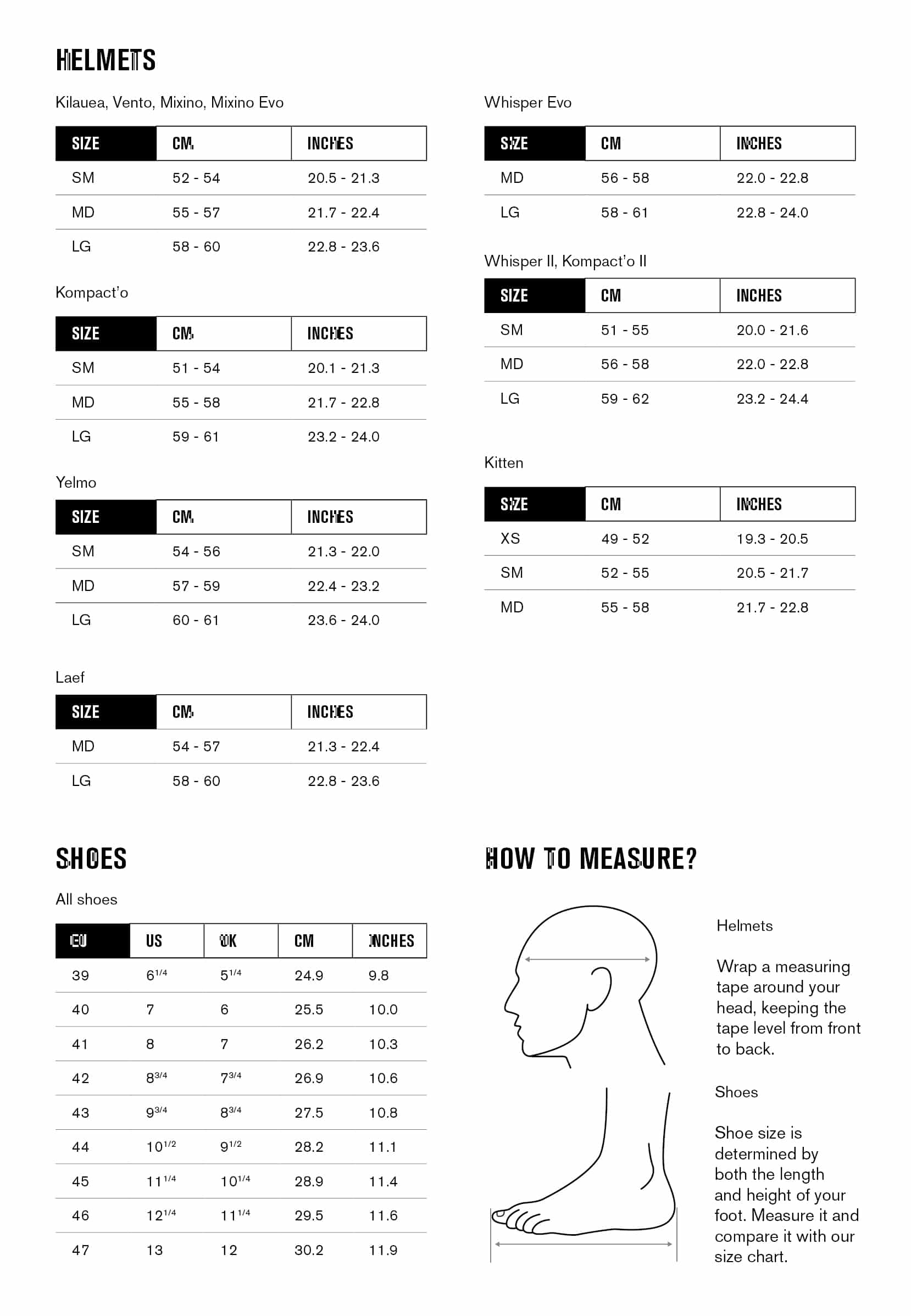
Credit: catlike.com
Common Fit Issues
Choosing the right bike helmet size is important for safety and comfort. Many riders face common problems with helmet fit. These issues can affect how well the helmet protects your head.
Below are some common fit problems and tips to help you find the right size and shape for your helmet.
Helmet Too Tight
A helmet that feels too tight can cause headaches and discomfort. It may press too hard on your head or temples. Tight helmets often leave red marks on your skin after wearing.
- Try loosening the straps slightly to reduce pressure.
- Check if the helmet size matches your head circumference.
- Look for helmets with adjustable padding or fit systems.
- A slightly snug fit is good, but avoid pain or strong pressure.
Helmet Too Loose
A helmet that is too loose can move around while riding. This reduces protection during a fall or crash. Loose helmets feel unstable and may slide off easily.
| Issue | Effect | Solution |
| Loose fit | Helmet moves or slides | Tighten straps and adjust fit system |
| Large helmet size | Gaps between head and helmet | Try smaller size or add extra padding |
| Improper strap adjustment | Helmet shifts during movement | Adjust chin strap snugly |
Pressure Points
Pressure points are spots where the helmet presses too hard on your head. These spots cause pain or soreness after wearing the helmet for a while.
Common pressure points and fixes:
- Forehead: Adjust front padding or loosen straps.
- Temples: Choose a different helmet shape or size.
- Back of head: Use padding to fill gaps or change helmet model.
- Check fit by wearing the helmet for 15 minutes before rides.
Tips For Kids’ Helmet Sizing
Choosing the right helmet size is very important for kids. A helmet that fits well protects better during falls.
Kids grow fast, so checking helmet size often is a good habit. Let’s look at how to size helmets for children safely.
Growth Considerations
Children’s heads grow quickly, so helmets need to fit snugly but not tightly. Check size every few months.
- Measure head circumference with a tape just above the eyebrows.
- Use adjustable helmets that grow with your child.
- Replace helmets after one or two years of use or if it no longer fits well.
- Never use a helmet that is too big or loose.
Safety Standards For Children
Look for helmets that meet safety standards. These helmets have passed tests for impact and fit.
| Standard | Region | What It Means |
| CPSC | USA | Meets minimum impact protection rules |
| EN 1078 | Europe | Tests shock absorption and retention systems |
| AS/NZS 2063 | Australia/New Zealand | Helmet strength and durability tested |

Credit: hamaxusa.com
Maintaining Helmet Fit Over Time
Keeping your bike helmet fitting right is very important. A good fit protects your head well during rides.
Over time, helmets can change shape or lose padding. This can make them less safe and less comfortable.
When To Replace Your Helmet
Helmets do not last forever. You should replace your helmet after a crash or if it is damaged.
Even if it looks fine, replace it every 3 to 5 years. Materials inside break down with time.
- Replace after any crash, no matter how small
- Replace if the shell is cracked or dented
- Replace if straps are worn out or damaged
- Replace after 3 to 5 years of use
Adjusting Fit After Wear
Helmet padding can compress over time. This makes the helmet feel loose or less secure.
Check and adjust the straps and padding regularly to keep a snug fit. Use extra pads if needed.
- Inspect helmet padding for wear or thinning
- Adjust side and chin straps for a secure fit
- Add or replace padding to improve comfort
- Make sure the helmet sits level on your head

Credit: ngegypt.net
Frequently Asked Questions
What Is The Ideal Bike Helmet Fit?
The ideal bike helmet fit should be snug and comfortable. It should sit level on your head, covering your forehead. The helmet should not tilt backward or forward. Straps should form a “V” under each ear. Make sure it doesn’t move when you shake your head.
How Do I Measure My Head For A Helmet?
To measure your head for a bike helmet, use a flexible tape measure. Wrap the tape around your head, about one inch above your eyebrows. Ensure it’s level and snug. Compare this measurement to the helmet size chart provided by the manufacturer for a proper fit.
Why Is Helmet Size Important?
Helmet size is crucial for safety and comfort. A properly sized helmet offers the best protection in case of an accident. If it’s too loose, it may not protect effectively. If it’s too tight, it can cause discomfort or headaches, reducing your willingness to wear it.
Can Helmet Padding Affect Sizing?
Yes, helmet padding can affect sizing. It provides additional comfort and helps with fit. If the helmet feels loose, you can add extra padding. Conversely, if it’s too tight, removing some padding might help. Always ensure that any adjustments maintain the helmet’s safety standards.
Conclusion
Choosing the right bike helmet size keeps you safe and comfortable. Measure your head carefully for the best fit. A well-fitted helmet stays snug without feeling tight. Check the straps and adjust them as needed. Remember, a loose helmet can cause injuries during a fall.
Take your time to try different helmets if possible. Safety starts with the right size and fit. Stay protected on every ride with the perfect helmet.