Choosing the right pump for your heating system isn’t just a technical step—it’s the key to making your home warm, comfortable, and energy-efficient. If you pick a pump that’s too small, your heating won’t reach every corner.
Too big, and you’ll waste energy and money. But don’t worry—this guide will walk you through exactly how to size a pump for your heating system, so you get the perfect fit every time. Keep reading, and you’ll learn simple, clear steps to make your heating system work smarter, not harder.
Basics Of Heating System Pumps
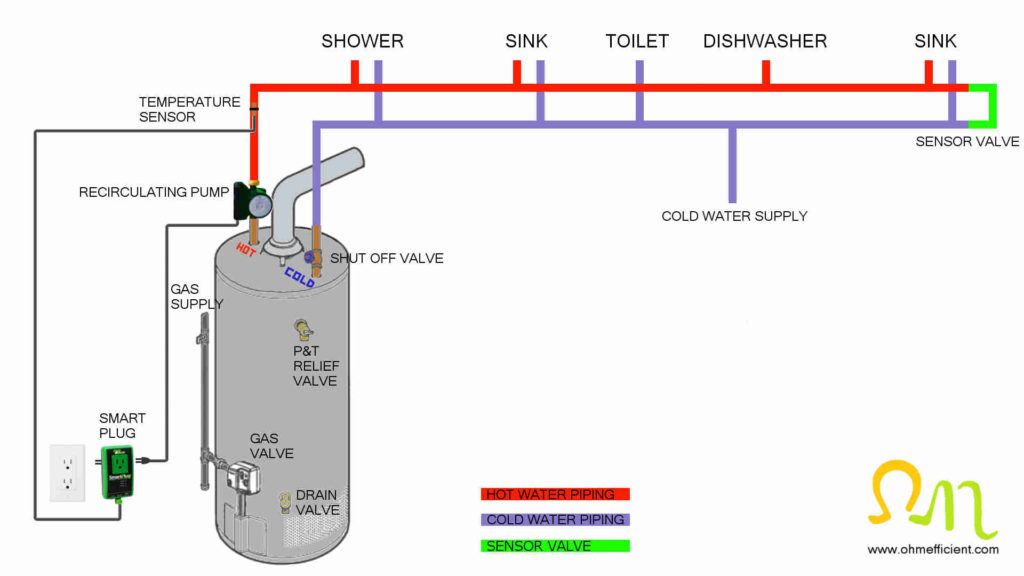
Heating system pumps move hot water through pipes to warm a building. They keep the heat flowing from the boiler to radiators or underfloor heating. Choosing the right pump size is key for system efficiency.
Understanding the types of pumps and their roles helps in selecting the correct pump. Each pump type works best in certain heating system designs and sizes.
Types Of Pumps Used
Heating systems use different pump types based on flow needs and pressure. The main types include:
- Circulator Pumps:Move water in closed loops like radiators or baseboards.
- Booster Pumps:Increase pressure in large or complex systems.
- Inline Pumps:Installed in the pipe line, saving space.
- Wet Rotor Pumps:The motor is inside the water, common in heating.
- Dry Rotor Pumps:Motor stays outside water, used for easier maintenance.
Role Of Pumps In Heating Systems
Pumps control water flow and pressure to deliver heat evenly. Without a proper pump, some areas may stay cold or the system can waste energy.
| Function | Description |
| Circulation | Moves hot water from the boiler to heating units |
| Pressure Control | Keeps water moving against pipe resistance |
| Energy Efficiency | Optimizes flow rate to save power |
| System Protection | Prevents overheating and pipe damage by balancing flow |

Credit: ohmefficient.com
Key Factors In Pump Sizing
Sizing a pump correctly is important for heating systems to work well. It helps the system move water efficiently and saves energy.
Understanding the main factors in pump sizing can guide you to pick the right pump. This keeps the system balanced and prevents damage.
Flow Rate Requirements
The flow rate shows how much water the pump must move per minute. It depends on the size of the heating system and heat needed.
- Calculate heat load to find water flow needed.
- Use flow rate units like gallons per minute (GPM) or liters per second (L/s).
- Check system design for correct flow rate range.
System Head Losses
System head loss means the pressure the pump must overcome to move water. It includes losses from pipes, fittings, and valves.
| Component | Head Loss (feet) |
| Pipes | 10 |
| Fittings | 5 |
| Valves | 3 |
| Total Head Loss | 18 |
Sum all losses to find total head loss. This helps to choose a pump with enough pressure power.
Temperature And Pressure Considerations
Heating systems work under certain temperatures and pressures. The pump must handle these conditions safely.
- Check maximum water temperature the pump can handle.
- Ensure the pump supports system pressure levels.
- Consider pump materials that resist heat and pressure.
Calculating Flow Rate
Choosing the right pump size for a heating system starts with calculating the flow rate. The flow rate tells you how much water the pump must move to keep the system warm.
Knowing the flow rate helps prevent problems like poor heating or wasted energy. You can find the flow rate by looking at the heat load and using flow rate formulas.
Determining Heat Load
The heat load is the amount of heat your system needs to produce. It depends on the size of the space and how well it keeps heat inside.
- Measure the area or volume of the space
- Check the insulation quality
- Consider the outside temperature
- Calculate heat loss through walls and windows
- Add heat needed for hot water or other uses
Using Flow Rate Formulas
After finding the heat load, use a formula to calculate the flow rate. This shows how many gallons or liters per minute the pump must handle.
| Variable | Meaning | Unit |
| Q | Flow rate | Gallons per minute (GPM) |
| H | Heat load | BTU per hour |
| C | Heat capacity of water | 1 BTU/lb°F |
| ΔT | Temperature difference | Degrees Fahrenheit (°F) |
The common formula to find flow rate is:
In this formula, 500 is a constant that comes from water properties and unit conversions. ΔT is the difference between supply and return water temperatures.
- Calculate the heat load (H) in BTU/hr
- Decide on a temperature difference (ΔT), often 20°F
- Use the formula to find Q in GPM
- Choose a pump that can deliver this flow rate
Assessing System Head
Sizing a pump for a heating system requires understanding the system head. System head is the total resistance the pump must overcome to circulate water. It includes losses in pipes, components, and changes in elevation.
Accurately assessing system head ensures the pump runs efficiently and meets system demands. Let’s explore the main parts of system head you need to consider.
Friction Loss In Pipes
Friction loss occurs as water moves through pipes. The roughness of the pipe’s inside surface and the flow speed affect this loss. Longer pipes and smaller diameters increase friction loss.
- Use pipe length and diameter to calculate friction loss.
- Check pipe material for roughness factor.
- Account for flow velocity to estimate losses.
Pressure Drop In Components
Components like valves, elbows, and fittings cause pressure drops. Each type has a resistance coefficient that adds to system head. Knowing these values helps calculate total losses.
| Component | Typical Resistance Coefficient (K) |
| Gate Valve (Fully Open) | 0.15 |
| Globe Valve | 10.0 |
| 90° Elbow | 0.3 |
| Tee (Flow Through Branch) | 1.0 |
Elevation Changes
Elevation changes affect the pump’s work by adding static head. Pumping water uphill requires more energy. Pumping downhill reduces it. Always measure the vertical distance between the pump and the highest point.
Remember:System head (H) = friction loss + pressure drop + elevation change.
Selecting The Right Pump
Choosing the right pump for a heating system is important to keep the system working well. The pump must match the heating system’s needs for flow and pressure.
Picking the correct pump helps save energy and avoids problems like noise or early wear. Understanding pump curves, energy efficiency, and materials will guide the selection.
Matching Pump Curves To System Needs
Every pump has a curve that shows how much flow it can handle at different pressures. The heating system also has a curve based on its pipes and radiators. The pump curve should match the system curve closely.
If the pump is too strong or weak, it can cause noise or poor heating. Use the system’s flow and pressure data to find a pump curve that fits well.
- Check flow rate needed (gallons or liters per minute)
- Find required pressure (head) for the system
- Compare these with the pump’s performance curve
- Choose a pump where curves overlap closely
Energy Efficiency Factors
Energy use is a big part of pump selection. Pick pumps that use less power for the same work. This lowers electricity costs and helps the environment.
Look for pumps with variable speed controls. These adjust the pump speed to the heating demand. This avoids wasting energy when full flow is not needed.
- Choose pumps with high-efficiency motors
- Consider pumps with variable speed drives
- Use system controls to reduce pump run time
- Regular maintenance keeps efficiency high
Material And Construction Choices
Pumps come in many materials. Pick materials that resist corrosion and fit your heating system’s water type. This keeps the pump working longer without leaks or damage.
Common materials include cast iron, stainless steel, and bronze. Consider the water’s chemical makeup and temperature when choosing materials.
- Cast iron is strong and cost-effective
- Stainless steel resists corrosion well
- Bronze is good for salty or hard water
- Choose seals and bearings that last long
Installation Tips
Choosing the right size pump is important for a heating system. Proper installation helps the pump work well and last longer.
This guide focuses on where to place the pump and common mistakes to avoid during installation.
Proper Pump Placement
Place the pump near the boiler to reduce pipe length. This helps the pump push water efficiently through the system.
Install the pump on the return line if possible. This reduces heat exposure and extends pump life.
- Keep the pump horizontal to avoid air pockets.
- Ensure easy access for maintenance and inspection.
- Use vibration dampers to lower noise and wear.
- Check that the pump shaft lines up with the motor.
Avoiding Common Mistakes
Many installation errors cause pumps to fail or work poorly. Avoid these to keep your system running smoothly.
| Mistake | Effect | How to Fix |
| Pump installed backwards | Reduced flow and pressure | Check arrow direction on pump housing |
| Pump placed too far from boiler | Heat loss and inefficient circulation | Install pump close to heat source |
| Air trapped in the pump | Noise and loss of pumping power | Use air vents and proper pipe slope |
| Pump not aligned with motor | Increased wear and vibration | Align shaft carefully during installation |
Maintenance And Troubleshooting
Proper maintenance keeps a heating system pump working well. Troubleshooting helps find and fix problems fast. This saves money and extends pump life.
Below are key routines for inspection and ways to handle common pump issues. Follow these to keep your heating system running smoothly.
Regular Inspection Routines
Check the pump regularly to spot wear or damage early. Clean parts and tighten connections to avoid leaks.
- Look for unusual noises or vibrations.
- Check the pump seal and replace if leaking.
- Inspect electrical wiring and connections.
- Ensure the pump shaft rotates freely.
- Clean the pump inlet and outlet to prevent blockages.
Handling Performance Issues
Performance problems often cause heating inefficiency. Identify the cause by checking flow rate, pressure, and power use.
| Issue | Possible Cause | Action |
| Low Flow | Clogged filter or pipe | Clean or replace filter, clear pipes |
| Overheating | Blocked vent or running dry | Check vents, refill system fluid |
| Noise or Vibration | Loose parts or worn bearings | Tighten parts, replace bearings |
| Pump Won’t Start | Electrical fault or motor failure | Test wiring, repair or replace motor |

Credit: www.furnaceprices.ca
Credit: ohmefficient.com
Frequently Asked Questions
How Do I Calculate Pump Size For Heating Systems?
Calculate pump size by determining the system’s flow rate and total head loss. Use these values to select a pump matching the required capacity and pressure.
What Factors Affect Pump Sizing In Heating Systems?
Flow rate, system pressure losses, pipe diameter, and heat load all affect pump sizing for heating systems. Accurate measurements ensure efficient pump performance.
Why Is Pump Sizing Important For Heating Efficiency?
Proper pump sizing ensures optimal flow and pressure, reducing energy waste. It prevents system damage and maintains consistent heating performance.
Can An Oversized Pump Harm My Heating System?
Yes, oversized pumps can cause noise, increased energy costs, and system wear. Correct sizing avoids these issues and enhances system longevity.
Conclusion
Choosing the right pump size is crucial for heating efficiency. A proper fit ensures optimal performance and cost savings. Consider flow rate and pressure needs. Always check the system’s specifications. Consult experts if unsure. Correct sizing minimizes energy waste and extends pump life.
Regular maintenance keeps everything running smoothly. By understanding these basics, you enhance your system’s reliability. Stay informed and make smart decisions for your heating needs. Your home’s comfort depends on it.