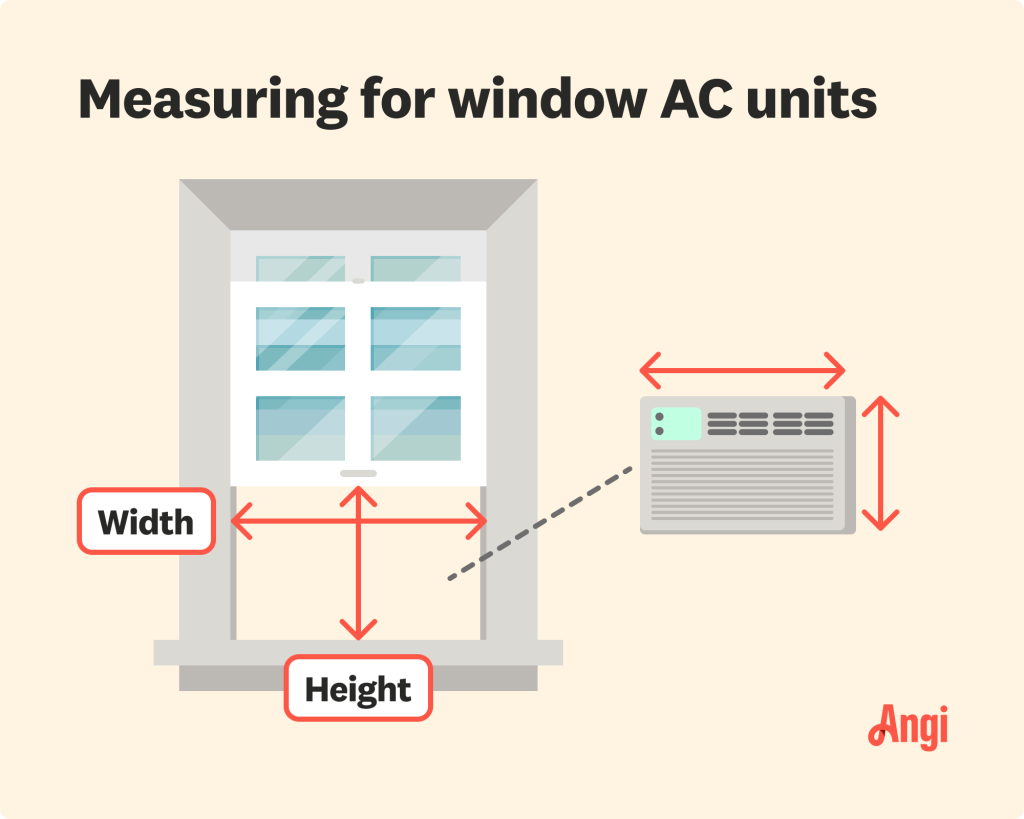
Choosing the right size for your window unit air conditioner can make all the difference between a cool, comfortable room and a wasted energy bill. If your AC is too small, it won’t cool your space properly.
Too large, and it will cycle on and off too often, wasting power and leaving you uncomfortable. You might think sizing an air conditioner is complicated, but it doesn’t have to be. You’ll learn simple steps to find the perfect fit for your room, so you can stay cool without overspending.
Keep reading to discover how to size your window unit air conditioner with confidence and ease.

Credit: www.amazon.com
Choosing The Right Btu Rating
BTUstands for British Thermal Unit. It measures how much heat an air conditioner can remove from a room. The higher the BTU, the more cooling power the unit has. Choosing the right BTU is important to keep a room cool and save energy.
Several factorsaffect the BTU needed:
- Room size (length x width x height)
- Number of windows and their sunlight exposure
- Room insulation quality
- Number of people usually in the room
- Heat from appliances and electronics
Too small BTU means the room stays warm. Too large BTU wastes energy and can cause moisture problems.
Room Size And Btu Calculation
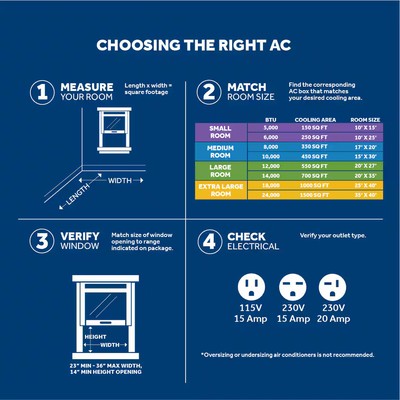
Measure the room’s lengthand widthin feet. Multiply these numbers to find the room’s square footage. For example, a 12 feet by 15 feet room is 180 square feet.
Use a BTU chart to find the right air conditioner size. BTU means British Thermal Units. It shows how much heat the AC can remove.
| Room Size (sq. ft.) | Recommended BTU |
|---|---|
| 100 – 150 | 5,000 |
| 150 – 250 | 6,000 |
| 250 – 350 | 8,000 |
| 350 – 450 | 10,000 |
| 450 – 550 | 12,000 |
Choose the BTU size that matches your room size. This helps the AC cool the space well without wasting energy.
Consideration Of Room Conditions
Sunlightgreatly affects cooling needs. Rooms with lots of sunlight need a stronger air conditioner. Shaded roomsneed less cooling power. This is because sunlight heats the room more during the day.
Ceiling height also changes the cooling size needed. Taller ceilings mean more air volume. This needs a bigger air conditioner to cool properly. Standard height is about 8 feet. Rooms higher than that require a stronger unit.
| Room Condition | Cooling Effect | Air Conditioner Size Needed |
|---|---|---|
| High Sunlight | More heat | Larger unit |
| Shaded Room | Less heat | Smaller unit |
| Ceiling Height <= 8 ft | Standard air volume | Regular size |
| Ceiling Height > 8 ft | More air volume | Larger size |
Credit: www.ebay.com
Special Room Scenarios
Kitchens and other areas with heat sourcesneed a larger air conditioner. Cooking creates extra heat. This makes the room warmer than others of the same size. Add about 4,000 BTUsfor kitchens or rooms with many heat-producing appliances.
Rooms with high occupancyalso require more cooling power. Each person adds heat to the room. For every person above two, add 600 BTUsto the air conditioner size. This helps keep the room cool and comfortable.
Energy Efficiency Tips
Energy Star rated unitsuse less power and cool better. They save money on bills and help the environment.
Proper installation is key. A good fit stops air leaks and keeps cool air inside. It also stops hot air from outside.
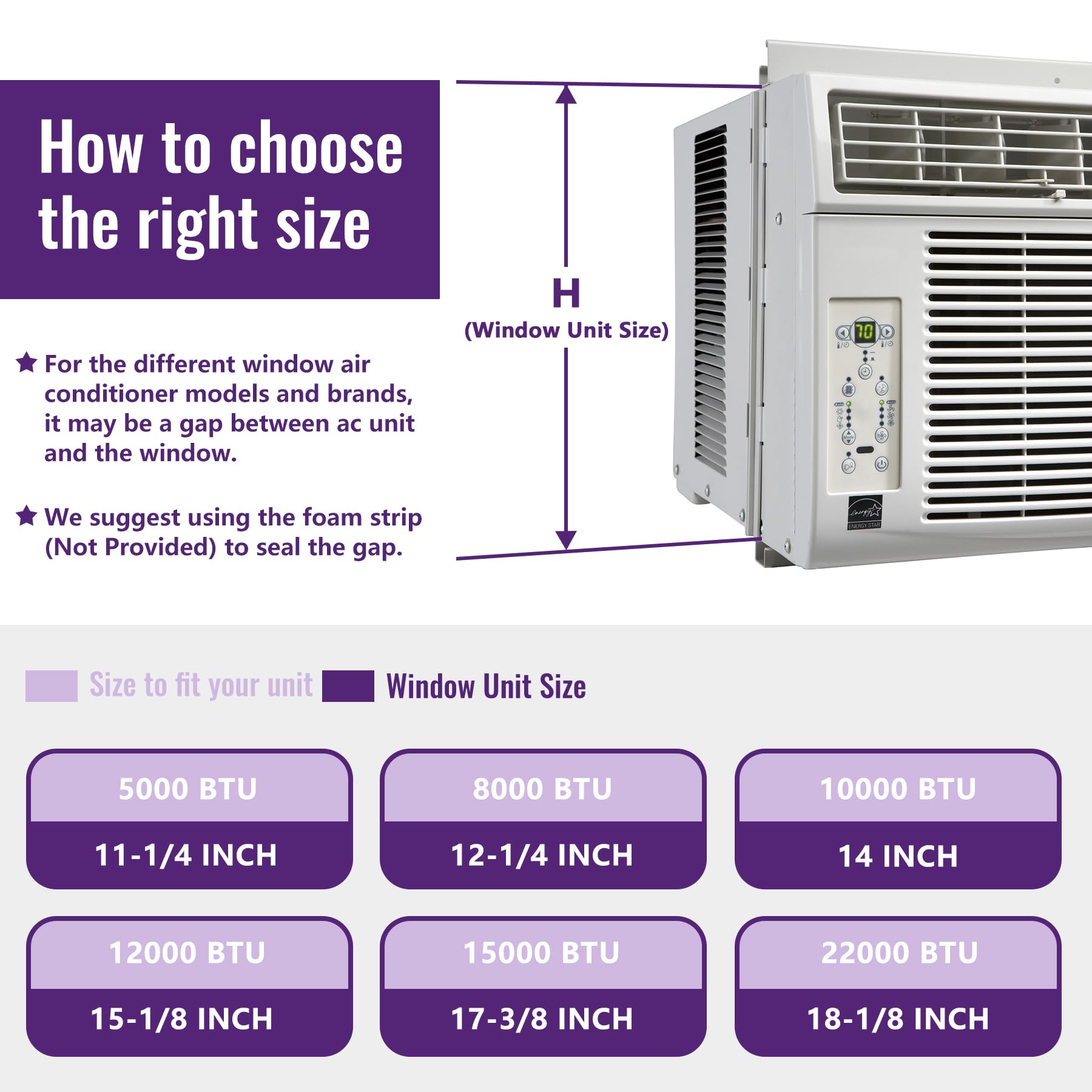
- Check window size for unit fit.
- Seal gaps with weather stripping.
- Install unit level for best airflow.
- Use support brackets if needed.
Maintenance For Optimal Performance
Regular cleaningkeeps your window unit working well. Dust and dirt can block airflow and reduce cooling. Clean the filter every month during heavy use. Replace the filter if it looks worn or torn. Wiping the unit’s exterior also helps keep dirt away.
Seasonal maintenance checksprepare your air conditioner for hot days. Inspect the unit for any damage or leaks. Check the seals around the window to stop cool air from escaping. Clean the coils to improve efficiency. Make sure the unit sits level in the window to avoid water leaks.
- Clean or replace the filter monthly
- Wipe down the unit’s outside
- Check for cracks or leaks
- Inspect seals around the window
- Clean condenser and evaporator coils
- Ensure the unit is level in the window
Credit: www.amazon.com
Frequently Asked Questions
How Do I Measure Room Size For A Window Ac?
Measure your room’s length and width in feet. Multiply these numbers to get the square footage. This helps select the right BTU capacity for efficient cooling.
What Btu Rating Is Best For My Room?
Match the BTU rating to your room size. For example, 5,000 BTU cools 100-150 sq ft. Larger rooms need higher BTUs for effective cooling.
Can I Oversize A Window Ac Unit?
Oversizing wastes energy and causes humidity issues. Choose an AC unit that fits your room size for balanced cooling and efficiency.
How To Calculate Btus Needed For A Room?
Calculate room area (length × width). Use 20 BTUs per square foot as a baseline. Adjust for sunlight, insulation, and room height.
Conclusion
Choosing the right size window unit air conditioner matters. A properly sized unit cools your room efficiently. Too small, and it won’t keep you comfortable. Too big, and it wastes energy and money. Measure your room carefully before buying. Think about room size, sunlight, and insulation.
This helps you pick the best cooling power. A good fit means better comfort and savings. Take your time and use these tips. Enjoy a cooler, more comfortable home all summer long.