Choosing the right size air conditioner for your space can make all the difference in comfort and energy bills. If your AC is too small, it won’t cool your room properly.
If it’s too big, you’ll waste money and face other problems. You might wonder, “How do I know what size is best for my home or office? ” This guide will walk you through simple steps to find the perfect fit.
By the end, you’ll feel confident in making the right choice—saving you money and keeping your space cool all year long. Keep reading to discover how easy it is to size your air conditioner correctly.
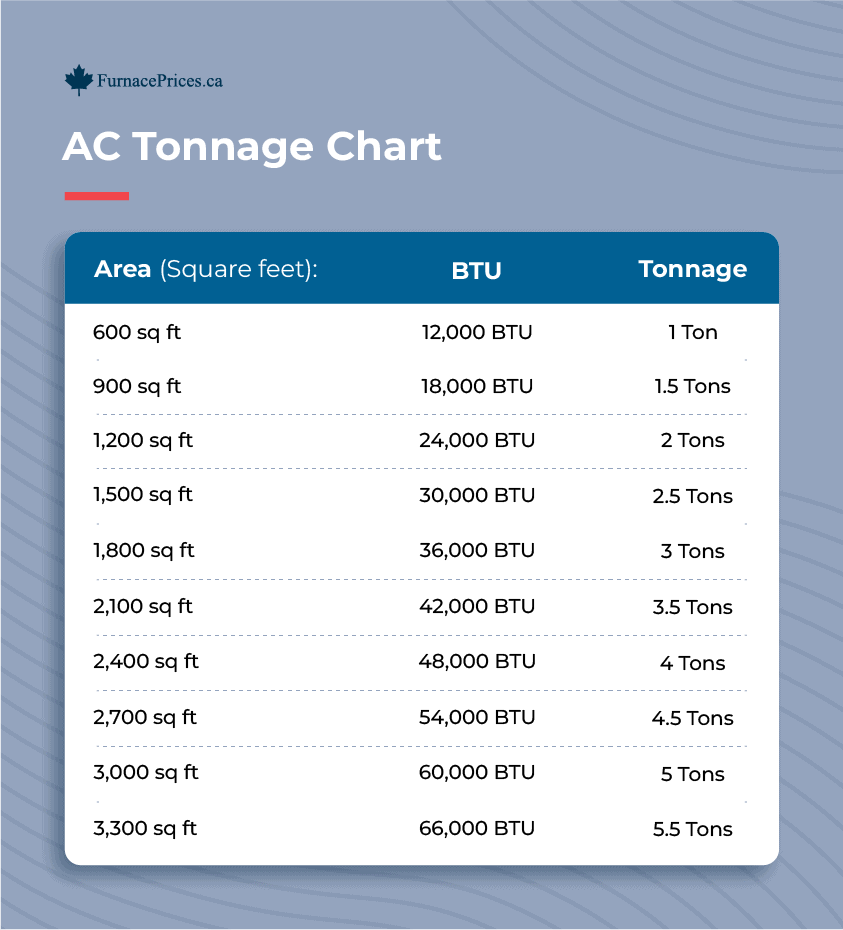
Credit: www.furnaceprices.ca
Why Size Matters
Choosing the right size air conditioner is very important. The size affects how well the unit cools your space.
An air conditioner that is too big or too small will cause problems. It can waste energy and increase costs.
Effects Of Oversizing
An oversized air conditioner cools a room too fast. It turns off before removing enough humidity.
This leads to a cold but damp room. The air feels uncomfortable and may cause mold growth.
- Short cycling reduces energy efficiency
- More wear and tear on the unit
- Higher electricity bills
- Poor humidity control
Risks Of Undersizing
An undersized air conditioner runs all the time but cannot cool the space well. It struggles to keep up.
This causes higher energy use and a warmer room. The unit may break down faster because of constant use.
- Increased energy costs
- Uneven cooling in the room
- Shorter unit lifespan
- Possible damage from overworking
Key Factors To Consider
Sizing an air conditioner correctly is important for comfort and energy savings. The right size cools the room well without wasting power.
Several factors affect the size of the air conditioner you need. Knowing these helps you pick the best unit for your space.
Room Dimensions
The size of the room is the main factor in choosing an air conditioner. Larger rooms need more cooling power.
Measure the length, width, and height of the room to calculate its volume. This helps determine the cooling capacity needed.
Insulation Quality
Good insulation keeps cool air inside and hot air outside. Poor insulation makes the air conditioner work harder.
Check walls, windows, and doors for gaps or leaks. Better insulation means you can choose a smaller air conditioner.
Sun Exposure
Rooms with many windows or direct sunlight get hotter during the day. This increases the cooling load.
Consider how much sun the room gets. South- and west-facing windows usually bring in more heat.
- High sun exposure needs a larger air conditioner
- Shaded rooms may need less cooling power
- Use curtains or blinds to reduce sun heat
Occupant Load
People produce heat that raises room temperature. More occupants mean the air conditioner must cool more heat.
Count how many people usually stay in the room. This helps estimate extra cooling power needed.
Appliance Heat Output
Appliances like computers, TVs, and ovens give off heat. This adds to the cooling load in the room.
List the main appliances in the space and their heat output. Factor this into your air conditioner size choice.
- High heat appliances increase cooling needs
- Turn off unused devices to reduce heat
- Use energy-efficient appliances to lower heat output
Calculating Cooling Capacity
Choosing the right air conditioner size is key for comfort. Too small units struggle to cool your space.
Too large units waste energy and increase costs. Calculating cooling capacity helps pick the right unit.
Measuring Square Footage
Measure the length and width of the room. Multiply these numbers to get the square footage.
For irregular rooms, divide into sections, measure each, then add the areas together.
Btu Requirements
BTU means British Thermal Unit. It shows how much cooling an air conditioner can provide.
| Room Size (sq ft) | BTU Needed |
| 100 – 300 | 5,000 – 6,000 |
| 300 – 500 | 7,000 – 8,000 |
| 500 – 800 | 9,000 – 12,000 |
| 800 – 1,200 | 14,000 – 18,000 |
| 1,200 – 1,500 | 20,000 – 24,000 |
Choose a BTU rating close to your room size for effective cooling.
Using Online Calculators
Online calculators help find cooling needs fast. Enter your room size and other details.
- Input room square footage
- Specify ceiling height and window count
- Include sunlight exposure
- Get estimated BTU requirement
Credit: northnjhvac.com
Types Of Air Conditioners
Choosing the right air conditioner size depends on the type you select. Different types fit different spaces and cooling needs. Knowing the types helps you pick the best one for your home or office.
This guide explains four common types of air conditioners. Each type has unique features and sizing methods. Learn about window units, split systems, central air conditioning, and portable units.
Window Units
Window units are small air conditioners that fit into a window opening. They cool one room at a time. These units are easy to install and remove.
To size a window unit, measure the room’s square footage. Most units list the cooling capacity in BTUs. Match the BTUs to your room size for effective cooling.
- Small rooms (100-150 sq ft): 5,000 BTUs
- Medium rooms (150-300 sq ft): 6,000-8,000 BTUs
- Large rooms (300-450 sq ft): 10,000-12,000 BTUs
Split Systems
Split systems have two parts: one inside and one outside. The indoor unit cools the air, and the outdoor unit releases heat. These systems cool multiple rooms or zones.
Size split systems by calculating the total area to cool. Add the square footage of all rooms. Then select a unit with enough BTUs for the combined space.
- Small homes (up to 1,000 sq ft): 12,000-18,000 BTUs
- Medium homes (1,000-2,000 sq ft): 18,000-30,000 BTUs
- Large homes (2,000+ sq ft): 30,000+ BTUs
Central Air Conditioning
Central air conditioning cools the whole building through ducts. It is common in larger homes and offices. This system needs professional sizing and installation.
Sizing depends on the home’s total square footage and insulation. Experts use manual calculations or software to find the right capacity. Proper size ensures comfort and energy efficiency.
| Home Size (sq ft) | Cooling Capacity (BTUs) |
|---|---|
| Up to 1,500 | 18,000 – 24,000 |
| 1,500 – 2,500 | 24,000 – 36,000 |
| 2,500 – 4,000 | 36,000 – 60,000 |
Portable Units
Portable air conditioners are movable and do not need permanent installation. They work well for cooling single rooms or small spaces. These units vent hot air through a window or wall.
Size portable units like window units. Measure the room area and choose a unit with enough BTUs. Portable units usually cool smaller spaces compared to split or central systems.
- Small rooms (up to 150 sq ft): 6,000 BTUs
- Medium rooms (150-300 sq ft): 8,000-10,000 BTUs
- Large rooms (300-450 sq ft): 12,000 BTUs
Energy Efficiency And Sizing
Choosing the right size air conditioner helps save energy and money. A unit that is too big or too small wastes power and does not cool well.
Energy efficiency ratings guide you to select units that use less electricity. This lowers your bills and reduces environmental impact.
Seer Ratings
SEER stands for Seasonal Energy Efficiency Ratio. It measures how well an air conditioner cools over a season.
- Higher SEER means better energy efficiency.
- Typical SEER ratings range from 13 to 21.
- Units with higher SEER cost less to run but may cost more upfront.
- Choosing a unit with the right SEER helps balance cost and savings.
Impact On Utility Bills
Using an air conditioner with proper size and efficiency affects your monthly bills. A well-sized unit runs less and uses energy smartly.
| Unit Size (Tons) | Average Monthly Bill ($) | Notes |
|---|---|---|
| Too Small (Below 1.5) | 120 | Runs constantly, poor cooling |
| Proper Size (1.5 – 2.5) | 80 | Efficient cooling, lower bills |
| Too Large (Above 2.5) | 100 | Short cycles, higher energy use |
Choosing Energy Star Models
Energy Star models meet strict energy efficiency guidelines. They reduce electricity use and help protect the environment.
- Look for the Energy Star label when buying.
- These models save up to 15% on cooling costs.
- They often include advanced features like smart thermostats.
- Energy Star units may qualify for rebates or tax credits.
Professional Sizing Tips
Choosing the right size air conditioner is key to keeping your space cool and saving energy. A unit that is too small will not cool properly. A unit that is too large will waste power and cause humidity problems.
Use these tips to select the correct air conditioner size for your home or office. Proper sizing helps your system run efficiently and last longer.
Load Calculation Methods
Load calculation finds the cooling needs of your space. It looks at heat from sun, people, and appliances. There are simple and detailed ways to do this.
A quick rule is to use 20 BTUs per square foot. For more accuracy, use Manual J load calculation. It measures walls, windows, insulation, and more.
- Measure the room’s square footage
- Count windows and doors
- Note sun exposure and insulation quality
- Include heat from people and devices
- Use a load calculator tool or professional software
When To Consult Experts
Consult experts if your space has complex needs or if you want the best efficiency. They use detailed load calculations and consider building materials and airflow.
Professionals help avoid common sizing errors and recommend the right equipment. Call a certified HVAC technician for evaluation and advice.
- Large or multi-room buildings
- Rooms with high ceilings or unusual shapes
- Spaces with many windows or poor insulation
- When upgrading or replacing old systems
- If you want energy-saving options
Common Mistakes To Avoid
Many people pick air conditioners based on price or guesswork. This leads to poor comfort and higher bills. Avoid these common mistakes.
- Choosing a unit too small for the space
- Buying a unit that is too powerful
- Ignoring insulation and sun exposure
- Not considering room layout and airflow
- Skipping professional load calculations
Installation Considerations
Sizing your air conditioner correctly is key for comfort and energy use. Proper installation helps the unit work at its best.
This guide covers important points to think about when installing an air conditioner. These include where to place it, ductwork needs, and how to keep it efficient.
Proper Placement
Choose a spot where the air conditioner can cool the room evenly. Avoid places near heat sources or direct sunlight. The unit should have enough space for airflow around it.
Placing the unit too close to walls or furniture blocks air circulation. This can make the AC work harder and reduce its life.
Ductwork Needs
Good ductwork helps cool air reach all rooms efficiently. Poor duct design causes leaks and uneven cooling. Check that ducts are sealed and insulated.
| Aspect | Recommendation |
| Duct Size | Match AC capacity and room size |
| Sealing | Use mastic or metal tape on joints |
| Insulation | Insulate ducts in unconditioned spaces |
| Layout | Minimize bends and long runs |
Maintenance Tips For Efficiency
Regular maintenance keeps your air conditioner running well. Clean filters and check parts often to avoid breakdowns and high bills.
- Clean or replace air filters every 1-3 months
- Keep the outdoor unit free of debris and leaves
- Check refrigerant levels and refill if needed
- Inspect ducts for leaks and repair them
- Schedule yearly professional maintenance

Credit: www.warmzilla.co.uk
Frequently Asked Questions
How Do I Calculate The Right Ac Size For My Room?
Measure your room’s square footage and multiply by 25 to find BTU needs. Consider ceiling height, sunlight, and insulation for accuracy.
Why Is Ac Sizing Important For Energy Efficiency?
An appropriately sized AC uses less energy, reducing bills and environmental impact. Oversized units cycle frequently, wasting energy and causing wear.
What Happens If My Air Conditioner Is Too Big?
A too-large AC cools quickly but creates humidity problems. It cycles on and off often, increasing energy use and equipment wear.
Can A Small Ac Cool A Large Room Effectively?
No, a small AC will struggle to cool a large room. It runs continuously, raising energy costs and reducing comfort.
Conclusion
Sizing your air conditioner ensures comfort and efficiency. An appropriately sized unit cools your space effectively. It also saves energy, reducing your bills. Always consider room size and climate. Consult a professional for precise calculations. This avoids common mistakes. A well-sized air conditioner enhances your home’s comfort.
Make informed choices to enjoy a cool, pleasant environment. Remember, the right fit matters. It’s crucial for long-term satisfaction. Prioritize your comfort and budget by choosing wisely. An efficient air conditioner makes all the difference. Enjoy a cooler home with the correct size.