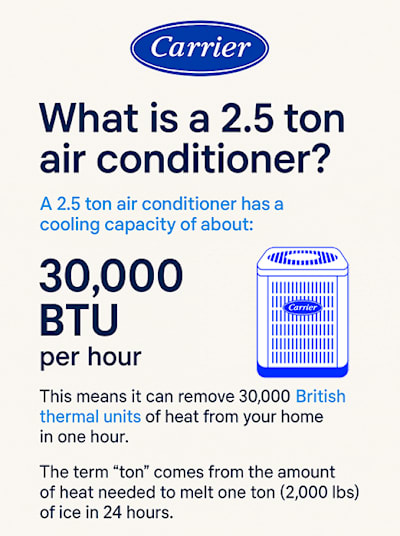
Choosing the right size air conditioner can make all the difference in keeping your home comfortable and your energy bills low. If your AC is too small, it won’t cool your space properly.
If it’s too big, you’ll waste money and face other problems like poor humidity control. You might think sizing an air conditioner is tricky, but it doesn’t have to be. You’ll learn simple, clear steps to find the perfect size for your home.
Keep reading to make sure your next AC purchase is the smart one.
Choosing The Right Air Conditioner Type
Choosing the right air conditioner helps keep your home comfortable and cool. Different types work best for different spaces and needs.
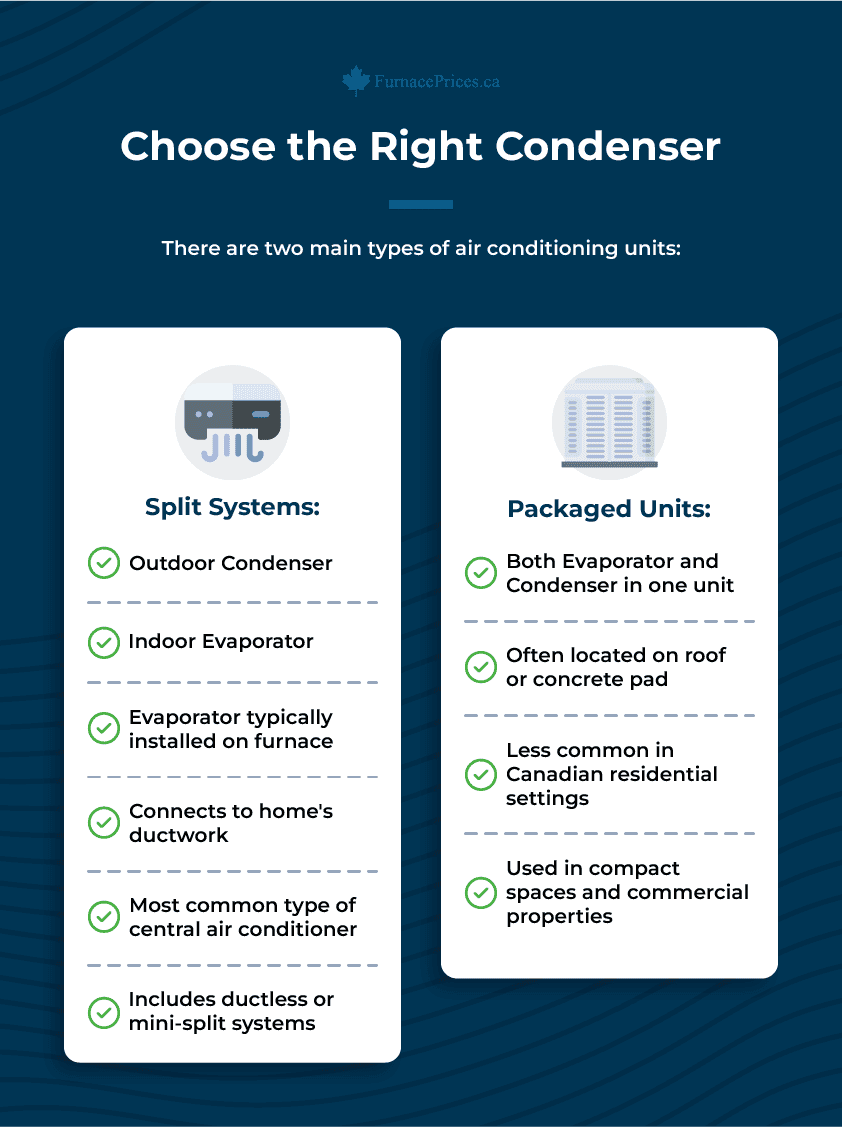
It is important to understand the main types of air conditioners before making a choice. This guide explains four common types.
Central Air Conditioning
Central air conditioning cools your whole house through ducts. It works well for large homes with existing ductwork. These systems use a single outdoor unit connected to indoor vents.
Central AC is energy efficient but can cost more to install. It also requires regular maintenance to keep ducts clean.
Ductless Mini-split Systems
Ductless mini-split systems cool individual rooms or zones. They have an outdoor compressor and one or more indoor units mounted on walls. These systems are good for homes without ducts.
- Easy to install in older homes
- Allows control of temperature in each room
- Energy efficient with inverter technology
- Quieter operation than window units
Window Units
Window air conditioners fit into a window space and cool one room. They are affordable and simple to install. These units are best for small areas or apartments.
| Feature | Window Unit | Central AC | Ductless Mini-Split |
| Coverage | Single room | Whole house | One or more rooms |
| Installation | Easy, fits window | Complex, needs ducts | Moderate, no ducts |
| Cost | Low | High | Medium |
| Energy Efficiency | Moderate | High | High |
Portable Air Conditioners
Portable air conditioners are movable units that cool a single room. They have wheels and a hose to vent hot air outside. These are good for renters or temporary cooling needs.
Advantages of Portable AC Units:
- No permanent installation needed
- Can be moved between rooms
- Good for spot cooling
- May be noisier than other types
Factors Influencing Air Conditioner Size
Choosing the right air conditioner size is important for comfort and energy use. Too large or too small units can cause problems.
Several factors affect the size of the air conditioner needed for a space. Understanding these helps pick the best option.
Room Size And Layout
The size of the room is a key factor in sizing an air conditioner. Bigger rooms need more cooling power.
The layout also matters. Open floor plans and high ceilings require larger units to cool properly.
Climate And Weather Conditions
Climate impacts how hard an air conditioner must work. Hotter climates require bigger units.
- Dry, hot areas need stronger cooling
- Humid regions may require units with dehumidifying features
- Mild climates can use smaller air conditioners
Insulation Quality
Good insulation keeps cool air inside and heat outside. This reduces the air conditioner size needed.
| Insulation Level | Effect on AC Size |
|---|---|
| High | Smaller unit needed |
| Medium | Standard unit size |
| Low | Larger unit required |
Window And Door Placement
Windows and doors let heat into the room. South-facing windows usually bring more heat.
Rooms with many windows or doors may need bigger air conditioners to maintain coolness.
Calculating Btu Requirements
Choosing the right size air conditioner is important for comfort and energy use. The cooling power of AC units is measured in BTUs.
Calculating the correct BTU helps you pick an air conditioner that fits your room size.
What Is Btu?
BTU stands for British Thermal Unit. It measures heat energy.
In air conditioning, BTU shows how much heat the AC can remove in one hour.
Btu Calculation Formula
To find the needed BTUs, multiply the room’s area by a set value.
The basic formula is: Room length × Room width × 25 BTU.
- Measure room length in feet
- Measure room width in feet
- Multiply length by width for area
- Multiply area by 25 BTU for cooling power
Adjustments For Room Characteristics
Some room features change the BTU needs. Adjust your calculation for these factors.
- If room gets a lot of sun, add 10% more BTUs
- For shaded rooms, reduce BTUs by 10%
- Add 600 BTUs for each extra person over two
- High ceilings may need extra BTUs
Considerations For Energy Efficiency
Choosing the right size air conditioner can save energy and money. Energy efficiency helps reduce electricity use and keeps your home comfortable.
Look at several factors like ratings and certifications. These show how well an air conditioner performs and how much it costs to run.
Seer Ratings
SEER stands for Seasonal Energy Efficiency Ratio. It measures how much cooling an air conditioner provides for each unit of energy used. A higher SEER means better efficiency.
- SEER ratings usually range from 13 to 21.
- Higher SEER units cost more but use less energy.
- Check the SEER rating before buying to save on bills.
Energy Star Certification
Energy Star shows that an air conditioner meets strict energy efficiency guidelines. These models use less power and help protect the environment.
Look for the Energy Star label when shopping. It ensures better performance and lower energy costs.
Cost Vs. Efficiency
| Cost Range | Energy Efficiency | Running Cost |
| Low | Low SEER ratings (13-15) | Higher electricity bills |
| Medium | Moderate SEER ratings (16-18) | Balanced running costs |
| High | High SEER ratings (19-21+) | Lower electricity bills |
Invest in a unit with the right balance between price and efficiency. This choice saves money in the long run.
Common Mistakes To Avoid
Choosing the right size for your air conditioner is important. Many people make mistakes that cost energy and comfort.
This guide covers common errors to help you pick the best unit for your space.
Overestimating Cooling Needs
Many buyers think bigger air conditioners cool better. This is not true. A too-large unit cools quickly but wastes energy. It also causes humidity problems.
- Buy units that match your room size.
- Check the BTU rating carefully.
- Avoid choosing a unit just because it is powerful.
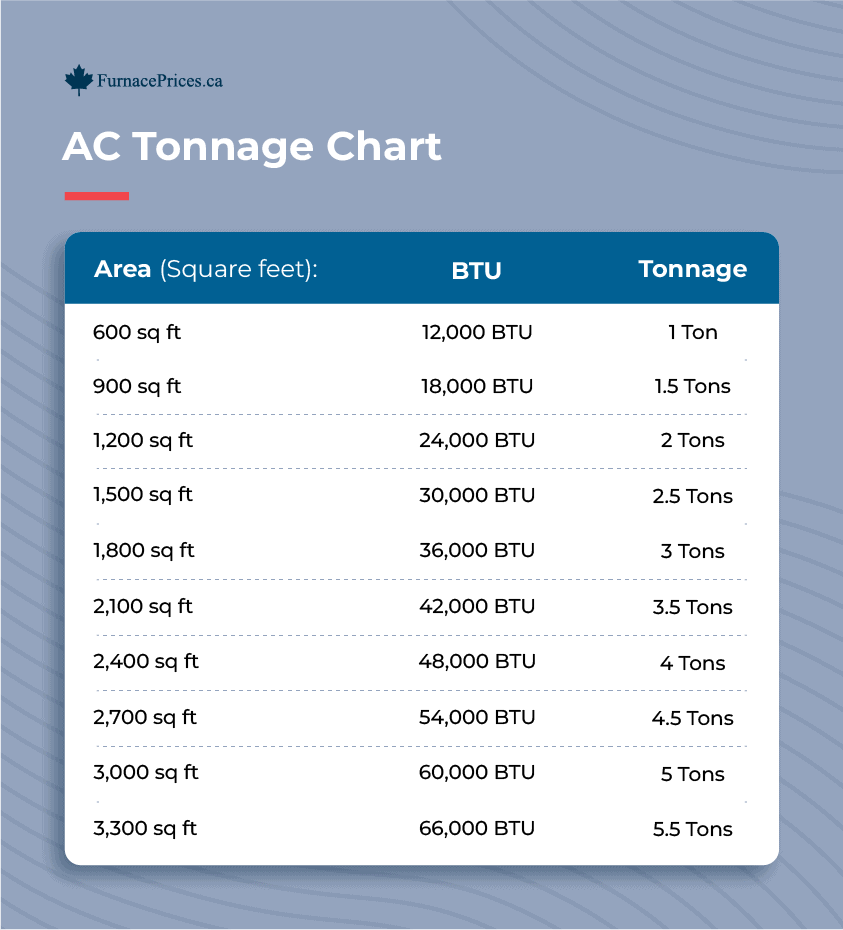
- Consult sizing charts or professionals.
Ignoring Airflow And Ventilation
Good airflow is key to cooling. Without proper ventilation, an air conditioner cannot work well. Rooms with blocked vents or poor air circulation stay warm.
| Issue | Effect |
| Blocked Vents | Reduced cooling efficiency |
| Poor Window Placement | Uneven room temperature |
| Lack of Fans | Stale, warm air stays inside |
Neglecting Maintenance Requirements
Air conditioners need regular care. Skipping maintenance lowers performance and shortens unit life. Dirty filters and coils block airflow.
- Clean or replace filters monthly.
- Check and clean coils yearly.
- Inspect drainage to avoid water damage.
- Schedule professional service if needed.
Credit: www.furnaceprices.ca
Professional Assessment And Installation
Choosing the right size air conditioner is key to keeping your space comfortable. A professional can assess your needs with accuracy.
Proper installation ensures your air conditioner works efficiently and lasts longer. Experts follow proven methods for the best results.
Benefits Of Professional Evaluation
Experts evaluate your home’s size, insulation, and window placement. This helps them pick the right air conditioner size.
- Accurate cooling capacity estimation
- Energy savings with correct sizing
- Improved comfort and air flow
- Reduced wear and tear on the unit
- Identification of potential installation issues
Installation Best Practices
Experts follow steps to install units safely and efficiently. They ensure proper placement and secure connections.
| Installation Step | Reason |
| Level Mounting | Prevents water damage and ensures unit runs well |
| Proper Sealing | Stops air leaks and improves energy efficiency |
| Correct Electrical Setup | Prevents hazards and supports unit power needs |
| Clear Airflow | Ensures even cooling and avoids strain on the system |
| Drainage Setup | Prevents water buildup and damage |
When To Seek Expert Help
Look for professional help if you notice uneven cooling or high energy bills. Also, call an expert for installation or unit replacement.
- Uncertain about unit size needed
- Need help with installation or repair
- Issues with existing air conditioning performance
- Want to improve energy efficiency
- Require advice on maintenance and upgrades
Maintenance Tips For Optimal Performance
Sizing an air conditioner correctly is important for comfort. Proper maintenance helps it work well and last long.
Regular care keeps your AC efficient and reduces energy costs. Follow these tips to maintain your system.
Regular Filter Replacement
Change the air filter every 1 to 3 months. A clean filter helps air flow and improves air quality.
Dirty filters make the AC work harder. This can cause higher energy use and damage the system.
- Check filters monthly during heavy use
- Use the correct filter size and type
- Replace filters even if they look clean after 3 months
Cleaning Coils And Fins
Clean the evaporator and condenser coils yearly. Dust and dirt reduce cooling ability.
Bent fins block airflow. Use a fin comb to straighten them gently and keep air moving.
- Turn off power before cleaning
- Use a soft brush or vacuum for coils
- Check fins for damage and straighten if needed
Seasonal Inspection Checklist
Inspect your AC before summer and after winter. This keeps it ready for heavy use.
Look for leaks, strange noises, and proper thermostat function. Early fixes prevent bigger problems.
- Check refrigerant levels and refill if low
- Inspect electrical connections for wear
- Clear debris around the outdoor unit
- Test system cooling and fan operation
Credit: lynnswinnipeg.ca
Credit: www.furnaceprices.ca
Frequently Asked Questions
How Do I Calculate Ac Size For My Room?
Measure your room’s length, width, and height. Multiply these to get cubic feet. Use this to find BTU needed for cooling.
What Is The Ideal Btu For Air Conditioners?
Ideal BTU depends on room size. Small rooms need 5,000-8,000 BTU, larger rooms require more. Choose based on your space.
Can A Wrong Ac Size Affect Cooling?
Yes, an oversized AC cools too fast and wastes energy. An undersized AC runs continuously and struggles to cool.
Why Is Btu Important In Ac Sizing?
BTU measures cooling power. Correct BTU ensures efficient cooling and energy savings. It matches AC performance to room size.
Conclusion
Choosing the right air conditioner size saves energy and money. A properly sized unit cools your space evenly and works efficiently. Too big or too small causes discomfort and higher bills. Measure your room carefully and consider insulation and sunlight.
Use the tips shared here to make a smart choice. Stay cool and comfortable all summer long with the right AC. Sizing matters for comfort and savings. Simple steps lead to better results.