Choosing the right air conditioner size for your house is more important than you might think. If your AC is too small, it won’t cool your home properly.
If it’s too big, you’ll waste energy and money. You want a system that keeps your space comfortable without driving up your bills. You’ll discover simple steps to find the perfect AC size for your home. By the end, you’ll feel confident making a smart choice that saves money and keeps you cool all year round.
Let’s get started!
Credit: www.furnaceprices.ca
Factors Affecting Ac Size
The size of your houseand its layout affect the air conditioner size needed. Large homes or homes with many rooms require bigger or multiple AC units. Open floor plans may cool differently than homes with many walls.
The climate and weatherwhere you live matter a lot. Hotter places need more cooling power. Places with mild weather need less.
Insulation and windowsplay a key role. Well-insulated homes keep cool air inside longer. Old or single-pane windows let heat in, so a bigger AC might be needed.
The number of people and heat sourcesinside the home also affect cooling. More occupants and devices like ovens or computers add heat. This means the AC must work harder.
Measuring Your Space
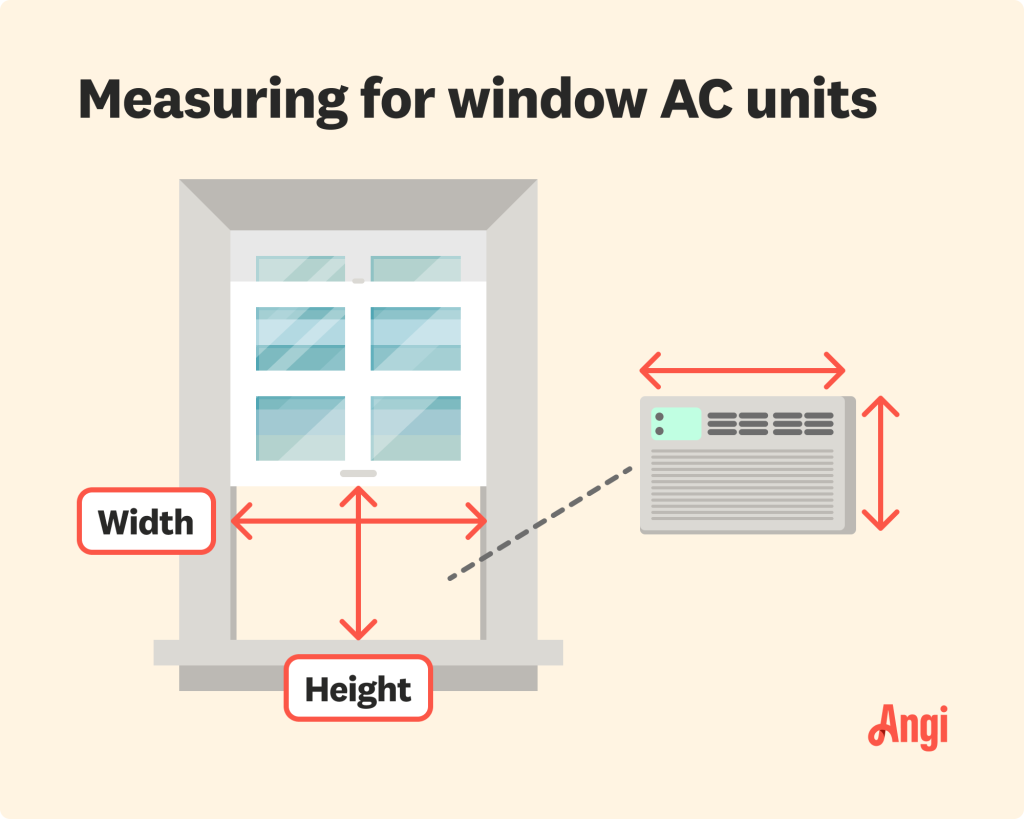
Measure the length and width of the room in feet. Multiply these two numbers to get the square footage. For example, a room 10 feet by 12 feet is 120 square feet.
Ceiling height affects cooling needs. Standard ceiling height is 8 feet. If ceilings are higher, add extra cooling power. Rooms with 9-foot ceilings need about 10% more cooling.
Consider how the room is used. Rooms with many people or electronics need more cooling. Kitchens require more cooling than bedrooms because of heat from appliances.
Cooling Capacity Basics
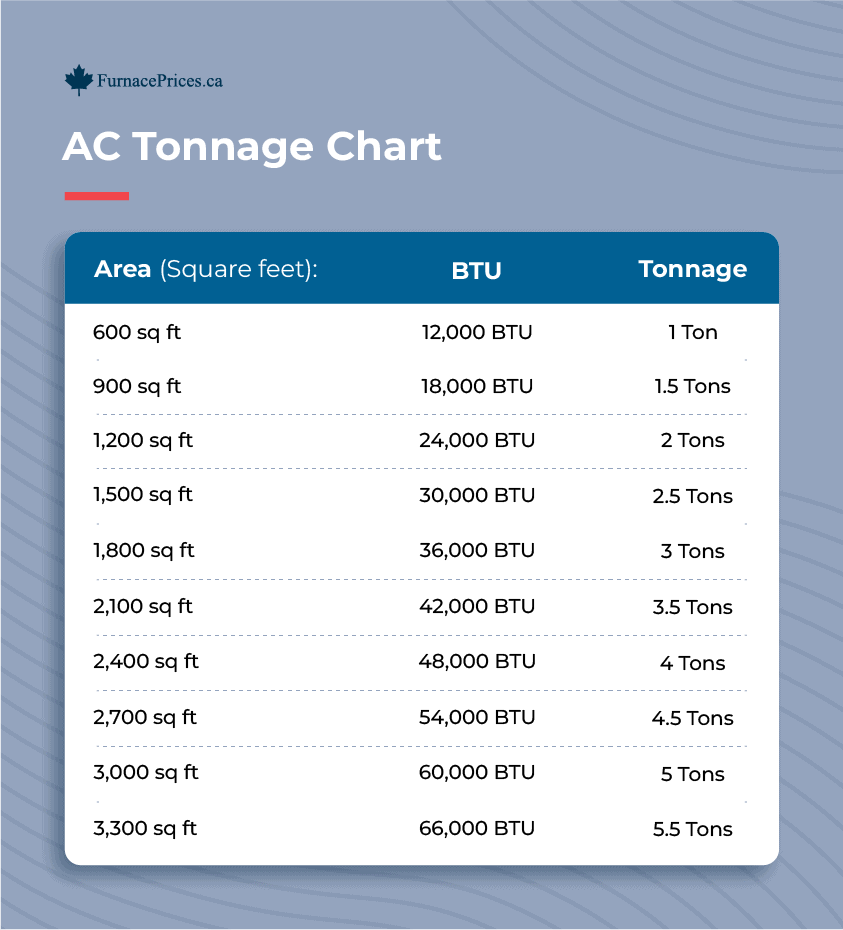
BTUstands for British Thermal Unit. It measures how much heat an air conditioner can remove from a room per hour. The higher the BTU, the more cooling power the unit has.
Choosing the right BTU is key. Too low, and the room stays warm. Too high, and you waste energy and money.
Most homes need about 20 BTU per square foot. This number can change based on factors like ceiling height, sun exposure, and insulation.
| Area (Square Feet) | BTU Needed |
|---|---|
| 100 | 2,000 |
| 500 | 10,000 |
| 1,000 | 20,000 |
| 2,000 | 40,000 |
Credit: coolbydesignfl.com
Types Of Air Conditioners
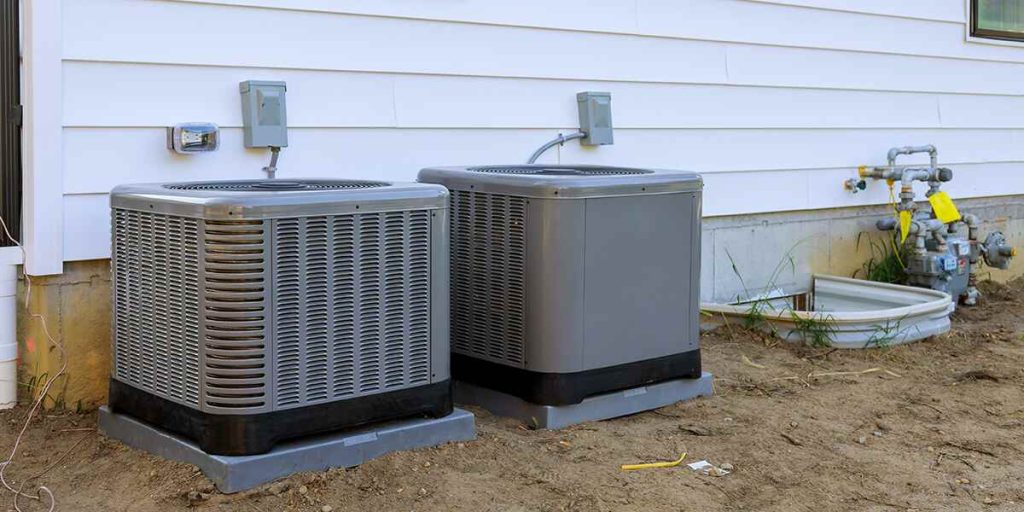
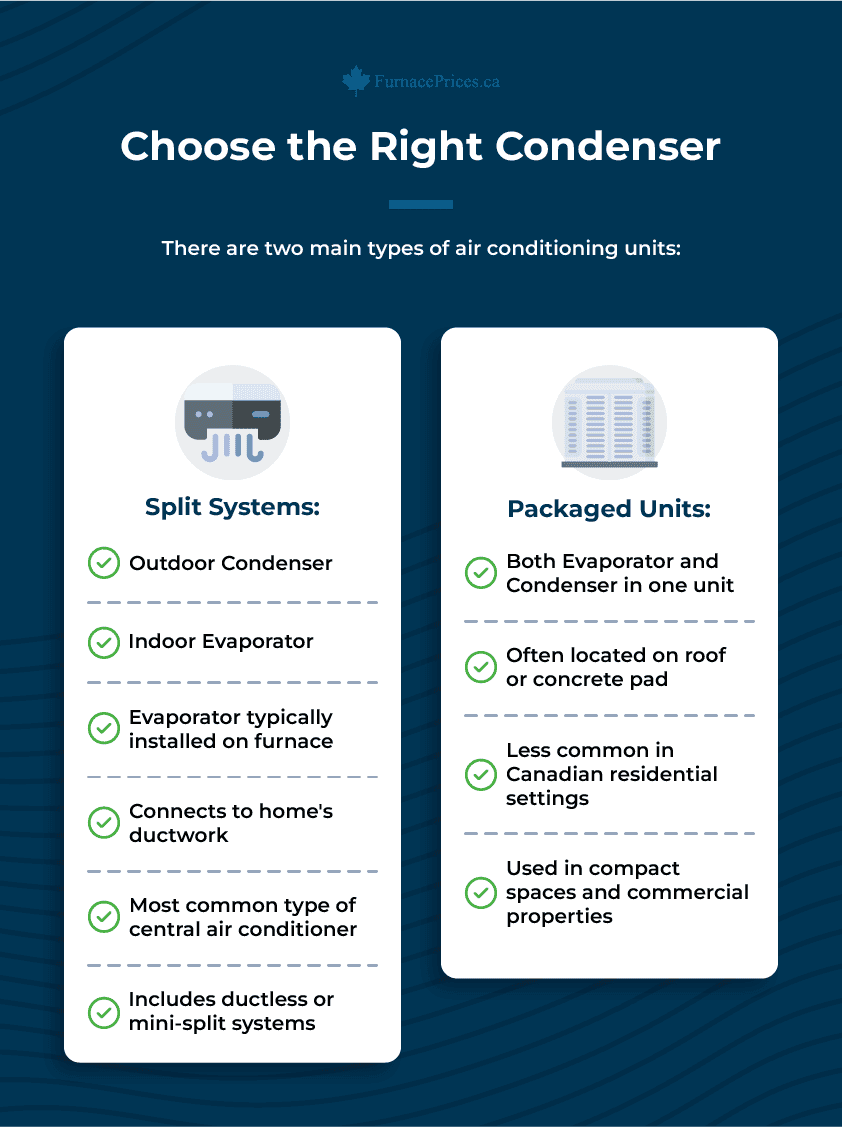
Central Air Systemscool whole homes using ducts. They are quiet and keep air fresh. The system needs space for ducts and vents. Good for large homes with many rooms.
Ductless Mini-Splitshave no ducts. They cool single rooms or zones. Easy to install and save energy. Great for homes without ductwork or additions.
Window and Portable Unitsare small and easy to move. Window units fit into window openings. Portable units can be moved from room to room. Best for cooling small spaces or temporary use.
Sizing Methods And Tools
Accurate air conditioner sizing depends on room size, ceiling height, and insulation quality. Tools like BTU calculators help estimate cooling needs for a comfortable home environment. Proper sizing ensures efficient cooling and energy savings.
Manual Load Calculation
Manual load calculationhelps find the right air conditioner size. It measures the house’s heat gain and loss. Factors like room size, insulation, windows, and sun exposure affect the load. This method uses formulas to estimate cooling needs. Results are accurate but require some math and data.
Online Calculators
Many websites offer easy online calculators. Enter your house size, location, and other details. The tool quickly estimates the needed air conditioner size. It is fast and simple but less accurate than manual methods. Good for rough estimates.
Professional Hvac Assessment
Experts visit your hometo measure and check all factors. They use special tools to find the exact cooling load. This method gives the most precise results. It costs more but ensures the perfect air conditioner size.
Common Sizing Mistakes
Oversizingan air conditioner causes short cooling cycles. This wastes energy and raises bills. It also leads to poor humidity control, making rooms feel damp. The system wears out faster due to frequent starts and stops. Noise levels can increase, disturbing the home’s comfort.
Undersizingmeans the unit runs constantly, struggling to cool. This raises electricity costs and reduces lifespan. Rooms may stay too warm, causing discomfort. The air conditioner works hard, risking breakdowns. It can’t remove enough moisture, leading to a sticky feeling indoors.
Energy Efficiency Considerations
SEER ratingsshow how efficient an air conditioner is. The higher the SEER number, the less energy it uses. A unit with a 16 SEER rating uses less power than one with 13 SEER.
Choosing a unit with a good SEER rating helps lower your utility bills. It also reduces your home’s carbon footprint. Although high SEER units may cost more upfront, they save money over time.
- SEER 13: Basic efficiency, higher energy use
- SEER 16: Mid-range efficiency, moderate savings
- SEER 20+: High efficiency, best for long-term savings
Credit: www.furnaceprices.ca
Installation Tips
Choosing the right spotfor your air conditioner is key. It should be away from direct sunlight and heat sources. This helps the unit work better and use less energy. Place it where air can move freely. Avoid blocking vents with furniture or curtains.
Good airflowkeeps the room cool and fresh. Make sure nothing stops air from circulating. Clean the air filters often. This keeps dust and dirt from building up and slowing the system down.
- Check and clean filters every month.
- Clear debris around outdoor units.
- Schedule yearly professional check-ups.
- Keep vents open and unblocked.
Frequently Asked Questions
How Do I Calculate The Ac Size For My House?
To calculate AC size, measure your home’s square footage. Multiply by 25-30 BTUs per square foot. Adjust for insulation, windows, and climate for accuracy.
What Factors Affect Air Conditioner Sizing?
Factors include home size, ceiling height, insulation, sun exposure, and local climate. These impact cooling load and determine the correct AC size.
Why Is Proper Ac Sizing Important?
Proper sizing ensures efficient cooling and energy savings. An oversized AC wastes energy; an undersized one won’t cool effectively.
Can I Size An Ac Unit Myself?
Yes, basic sizing can be done with measurements and BTU calculations. For precise sizing, consult an HVAC professional.
Conclusion
Choosing the right air conditioner size ensures comfort. It also saves energy. Measure your space accurately. Understand your climate. Consider insulation quality. These factors help in making the best decision. A properly sized unit works efficiently. It reduces energy bills and increases comfort.
Don’t overlook professional advice. Experts can guide your choice. The right size air conditioner brings peace of mind. Enjoy a cool and comfortable home. Follow these tips for a wise investment. Your home’s comfort depends on it. Make the right choice.
Stay cool and save money.